Why Life Arranges Itself in Bands Along Rocky Shores
Walk along any rocky shoreline at low tide and you’ll witness one of nature’s most striking patterns: distinct horizontal bands of life...
Learn More
Walk along any rocky shoreline at low tide and you’ll witness one of nature’s most striking patterns: distinct horizontal bands of life...
Learn More
The world’s oceans face a $700 billion funding gap for achieving conservation targets by 2030, yet traditional philanthropy and government budgets can...
Learn More
Invisible traces of life drift through every drop of ocean water—scales, mucus, waste, and cellular debris that marine organisms shed continuously as...
Learn More
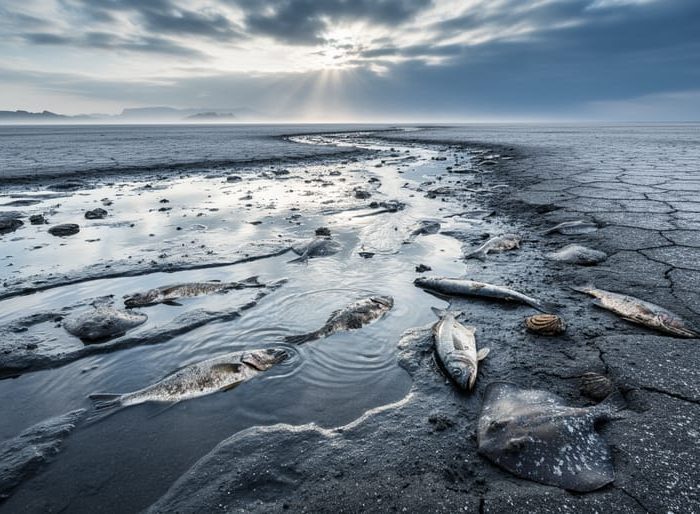
The ocean is suffocating. Right now, vast regions of our seas are losing the oxygen that marine life depends on to survive—and...
Learn More
The ocean covers more than 70 percent of our planet’s surface, yet we’ve explored less than five percent of its depths. Hidden...
Learn More
Imagine identifying every fish, invertebrate, and marine mammal in a coastal ecosystem without deploying nets, traps, or underwater cameras—just by analyzing a...
Learn More
Explore Oceana.org’s marine life database to access free, curriculum-ready content featuring hundreds of species profiles, habitat information, and conservation status updates that...
Learn More
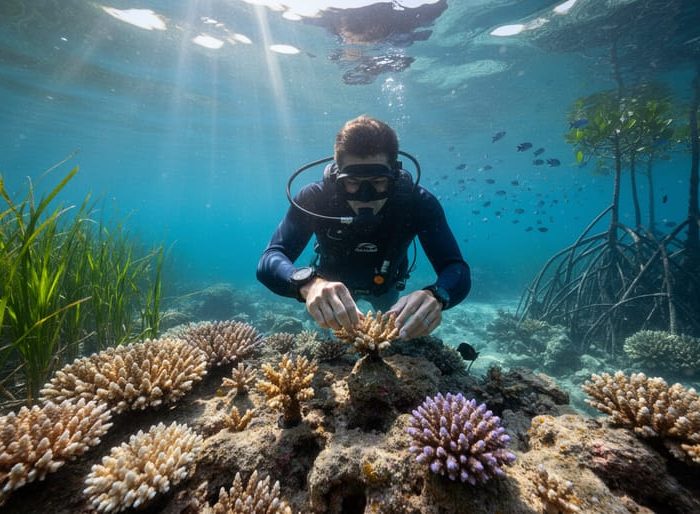
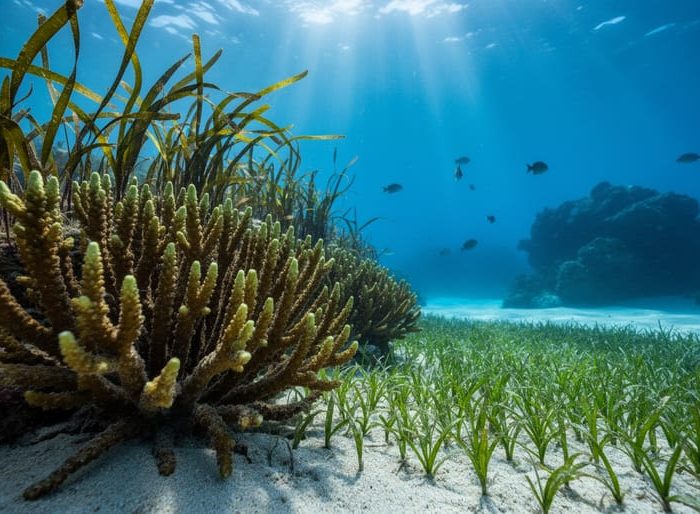
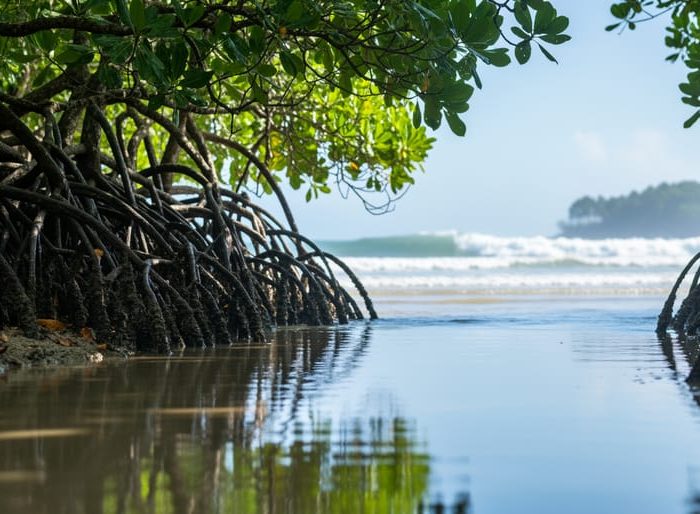
Coastal habitats—salt marshes, mangroves, seagrass meadows, and oyster reefs—protect shorelines from erosion, filter pollutants, sequester carbon, and serve as nurseries for countless...
Learn More
The ocean covers 71% of our planet’s surface, yet we’ve explored less than 5% of its depths—a sobering reminder that Earth’s final...
Learn More
Beneath the ocean’s surface lies a moral imperative as vibrant as the reefs themselves: we bear ethical responsibility for ecosystems we’ve pushed...
Learn More