Marine Biodiversity Science Center

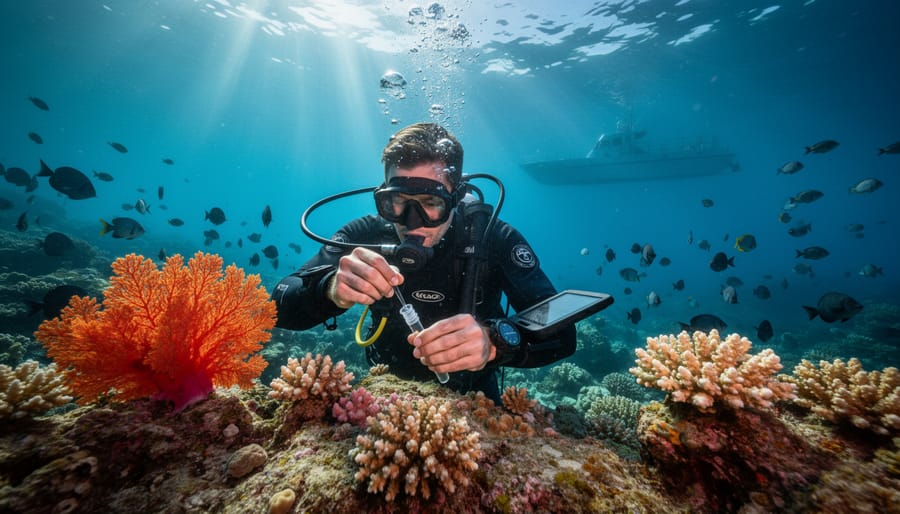
The ocean covers more than 70 percent of our planet’s surface, yet we’ve explored less than five percent of its depths. Hidden within these vast blue waters lies an extraordinary frontier of scientific discovery: marine biotechnology. This emerging field harnesses the unique biological properties of marine organisms to address some of humanity’s most pressing challenges, from developing life-saving medicines and sustainable food sources to creating innovative solutions for environmental restoration and climate change mitigation.
Marine biotechnology represents far more than laboratory curiosity. Scientists are extracting powerful compounds from sea sponges to fight cancer, studying coral resilience mechanisms to protect degrading reefs, and engineering microalgae to produce clean biofuels. The horseshoe crab’s remarkable blue blood has revolutionized medical safety testing, while enzymes from deep-sea bacteria now enable breakthroughs in industrial processes and genetic research. These applications demonstrate how protecting marine biodiversity directly benefits human health, economic prosperity, and environmental sustainability.
For students, educators, and conservation-minded citizens, understanding marine biotechnology opens pathways to meaningful engagement with ocean protection. The field bridges fundamental science with tangible real-world impact, showing how species we’ve barely discovered might hold solutions to diseases we haven’t yet cured or environmental problems we’re only beginning to understand.
This article explores the transformative applications of marine biotechnology in conservation and society, explaining complex concepts through accessible language and concrete examples. Whether you’re considering a career in marine science, teaching the next generation of environmental stewards, or simply curious about ocean innovation, you’ll discover how biotechnology is reshaping our relationship with the sea and creating opportunities for collective action in marine conservation.
What Marine Biotechnology Actually Means for Ocean Conservation
Marine biotechnology represents a frontier where cutting-edge science meets ocean stewardship. At its core, this field involves studying marine organisms—from microscopic bacteria to giant kelp—at the molecular and cellular level to understand their unique biological properties and develop solutions that benefit both humanity and ocean ecosystems.
Think of it as learning nature’s secrets to solve modern challenges. Marine organisms have evolved over millions of years to survive in extreme conditions, developing remarkable adaptations. Some produce compounds that protect them from cancer, while others create natural adhesives that work underwater. By studying these adaptations, scientists can develop new medicines, sustainable materials, and conservation tools without harming the organisms themselves.
What sets marine biotechnology apart is its conservation-first philosophy. Unlike exploitative practices of the past, modern marine biotechnology prioritizes protecting ocean biodiversity while harnessing its potential. Researchers collect small tissue samples or work with cultivated cells rather than harvesting entire populations. Many projects actively contribute to conservation efforts—for instance, using genetic tools to track endangered species, restore damaged coral reefs through selective breeding programs, or develop biodegradable alternatives to plastics that pollute our oceans.
Dr. Sarah Chen, a marine biologist working on coral restoration in the Caribbean, explains it this way: “We’re not just taking from the ocean; we’re learning from it to give back. Every breakthrough in understanding how corals resist disease helps us protect reefs facing climate change.”
The relationship between marine biotechnology and conservation is symbiotic. Protecting marine biodiversity ensures we don’t lose species before discovering their potential contributions to science and society. Simultaneously, biotechnological research provides compelling economic and medical reasons to preserve ocean habitats, creating powerful arguments for conservation that resonate beyond environmental circles.
This approach transforms ocean conservation from purely protective measures into an active partnership with nature, where scientific discovery and environmental stewardship advance together.
Breakthrough Applications Changing Marine Conservation
Restoring Coral Reefs with Bioengineered Solutions
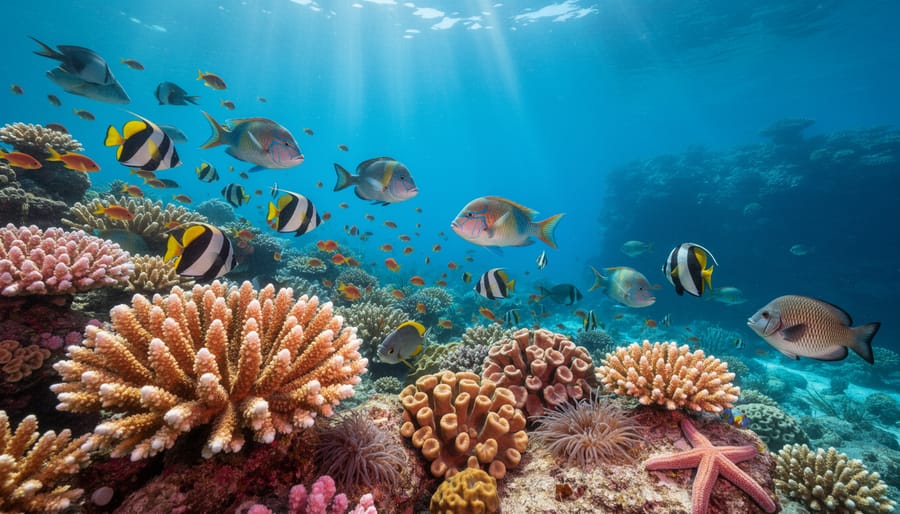
Coral reefs, often called the rainforests of the sea, face an existential crisis from rising ocean temperatures and acidification. But marine biotechnologists are fighting back with innovative approaches that could turn the tide for these vital ecosystems.
Scientists at the Australian Institute of Marine Science and Florida’s Mote Marine Laboratory have achieved remarkable breakthroughs in developing heat-resistant coral strains. Using selective breeding techniques, researchers expose coral fragments to gradually increasing temperatures over multiple generations, identifying individuals with enhanced thermal tolerance. These “super corals” can withstand temperature spikes that would typically trigger fatal bleaching events.
Another promising approach involves manipulating the symbiotic algae that live within coral tissues. By introducing hardier algae strains or using CRISPR gene-editing technology to enhance their heat resistance, scientists are creating coral colonies better equipped for warming oceans. Early trials in the Caribbean show these bioengineered corals surviving temperature extremes that decimated their unmodified neighbors.
The Coral Restoration Foundation in Florida has successfully outplanted over 185,000 corals across seven reef sites, with survival rates exceeding 90 percent. Their work demonstrates how laboratory innovations translate into measurable ocean impact.
Dr. Sarah Chen, a coral geneticist based in Hawaii, shares her perspective: “Every fragment we plant represents hope. We’re essentially buying time for reefs while addressing climate change on broader scales.”
These restoration efforts need more than scientists. Organizations like SECORE International and Reef Check offer volunteer diving programs where trained citizens help monitor restored reefs and transplant coral fragments. Many programs require only basic scuba certification and provide specialized training, making coral restoration accessible to passionate ocean advocates worldwide. By joining these initiatives, you become part of the solution, contributing directly to ecosystem recovery while gaining hands-on conservation experience.
Bioremediation: Using Marine Organisms to Clean Our Oceans
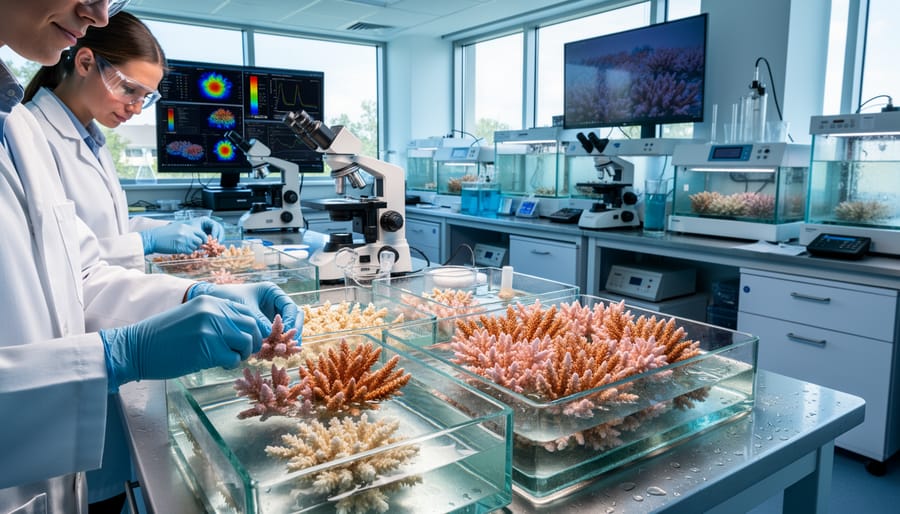
Our oceans face unprecedented contamination from ocean pollutants, from devastating oil spills to microplastics that pervade every corner of marine ecosystems. But nature itself may hold the key to cleaning up our mess. Marine biotechnology is harnessing the remarkable abilities of naturally occurring ocean bacteria and algae, enhancing these organisms to become more effective pollution fighters.
Certain marine bacteria have evolved to consume hydrocarbons, making them invaluable for oil spill remediation. Scientists are now amplifying these natural abilities through selective breeding and genetic enhancement. Following the 2010 Deepwater Horizon disaster, researchers discovered that indigenous bacteria populations naturally increased and consumed significant quantities of oil. Today, biotechnologists are developing concentrated bacterial treatments that can be deployed rapidly when spills occur, dramatically accelerating the breakdown of petroleum compounds.
Even more exciting is the emerging field of plastic-eating enzymes derived from marine microorganisms. Researchers recently identified bacterial strains in ocean sediments capable of breaking down polyethylene terephthalate (PET), a common plastic polymer. These organisms produce specialized enzymes that cleave chemical bonds in plastics, converting them into harmless byproducts.
Marine algae also show promise for capturing excess nutrients and heavy metals from polluted waters. Through a process called phytoremediation, these organisms absorb contaminants while simultaneously producing oxygen and providing habitat for other marine life.
Dr. Sarah Chen, a marine microbiologist working on bioremediation projects in coastal British Columbia, shares an inspiring perspective: “Every water sample we collect reveals new microbial allies. These organisms have been solving chemical problems for billions of years. We’re simply learning their language and giving them the right conditions to help restore our oceans.”
Volunteer opportunities exist with various research institutions collecting water samples and monitoring bioremediation test sites, allowing citizens to contribute directly to this groundbreaking work.
Protecting Endangered Species Through Genetic Research
When a critically endangered Hawaiian monk seal pup was born on a remote beach in 2019, Dr. Elena Vargas and her team at the Pacific Marine Conservation Institute immediately collected a small tissue sample. Within weeks, DNA analysis revealed crucial insights about the population’s genetic diversity and the pup’s parentage, information that would prove vital for the species’ survival strategy.
Genetic research has become an indispensable tool for protecting threatened marine species. By analyzing DNA from tissue samples, blood, or even environmental DNA shed into the water, scientists can now track population sizes with remarkable accuracy, identify distinct breeding groups, and detect concerning trends like inbreeding depression before they become catastrophic. These biotechnology tools provide the hard data that ocean conservation groups need to make informed decisions about where to focus limited resources.
“What excites me most is how genetic markers tell us stories that observation alone never could,” explains Dr. Vargas, who has spent fifteen years studying monk seal populations. “We discovered that seals from different islands rarely interbreed, meaning each population needs tailored protection. Without this genetic data, we might have assumed one conservation approach would work everywhere.”
The technology extends beyond population monitoring. Forensic genetic analysis helps authorities trace illegally traded marine products like sea turtle shells or shark fins back to specific populations, strengthening enforcement efforts. Meanwhile, genetic studies of disease resistance in endangered coral species are informing restoration projects, helping scientists select resilient specimens for breeding programs.
These advances depend on collaboration between field researchers, laboratory technicians, and data analysts. Many conservation organizations welcome volunteers to assist with sample collection during beach surveys or help process data. For students considering marine conservation careers, gaining experience in genetic research techniques opens doors to meaningful work at the intersection of cutting-edge science and species protection, where every DNA sequence analyzed contributes to preserving our ocean’s irreplaceable biodiversity.
Beyond Conservation: How Marine Biotechnology Benefits Society
Medical Breakthroughs from the Ocean
The ocean harbors some of the most promising medical discoveries of our time. Marine organisms, adapted to extreme environments over millions of years, produce unique chemical compounds that scientists are transforming into life-saving treatments. Already, several breakthrough medications trace their origins to the sea, demonstrating why protecting marine biodiversity isn’t just an environmental issue—it’s a human health imperative.
One remarkable example is cytarabine, a leukemia treatment derived from a Caribbean sponge. This medication has helped countless cancer patients achieve remission. Similarly, cone snail venom has yielded ziconotide, a powerful painkiller for chronic pain sufferers. These creatures evolved sophisticated chemical defenses and communication systems that, when studied carefully, reveal molecular structures unlike anything found on land.
Marine bacteria living in deep-sea hydrothermal vents have proven particularly valuable in developing new antibiotics. As antibiotic resistance becomes a growing global threat, these extremophiles offer fresh approaches to fighting bacterial infections. Researchers estimate that less than 1% of marine species have been thoroughly investigated for medicinal properties, suggesting vast untapped potential.
Dr. Sarah Chen, a marine biologist studying coral reef organisms, shares her perspective: “Every time we lose a species to habitat destruction or climate change, we potentially lose the cure to diseases we haven’t even discovered yet. The ocean is nature’s pharmacy, but we’re burning it down before reading all the prescriptions.”
Protecting marine ecosystems today ensures researchers can continue unlocking medical innovations tomorrow. For those interested in supporting this vital work, many research institutions welcome volunteers to assist with specimen collection and data analysis projects.
Sustainable Food and Aquaculture Innovations
Marine biotechnology is revolutionizing how we approach sustainable seafood production, offering innovative solutions that could transform our relationship with ocean resources. Scientists are developing cutting-edge aquaculture techniques that use biotechnology to reduce disease in farmed fish, improve feed efficiency, and minimize environmental impact. These advances mean healthier fish stocks and less pollution entering our coastal ecosystems.
One particularly exciting development is the cultivation of alternative proteins from marine algae and microorganisms. Researchers have discovered that certain seaweeds and single-celled organisms can be processed into nutritious, protein-rich foods that require minimal resources to produce. Dr. Sarah Chen, a marine biotechnologist working on algae-based proteins, shares her enthusiasm: “We’re creating foods that could feed millions while taking pressure off wild fish populations. It’s incredibly rewarding to see our lab work translate into real-world conservation impact.”
These innovations are already making a difference. By developing selective breeding programs guided by genetic analysis, aquaculture operations can produce fish that grow faster on less feed, reducing the harvest of wild fish used in fish meal. Meanwhile, bioengineered feed supplements derived from marine microbes are replacing traditional fish oil, further protecting ocean ecosystems.
For those inspired to support this field, volunteer opportunities exist at marine research centers and aquaculture facilities, where citizen scientists help monitor water quality and assist with data collection that advances these sustainable technologies.
Climate Solutions Growing Beneath the Waves
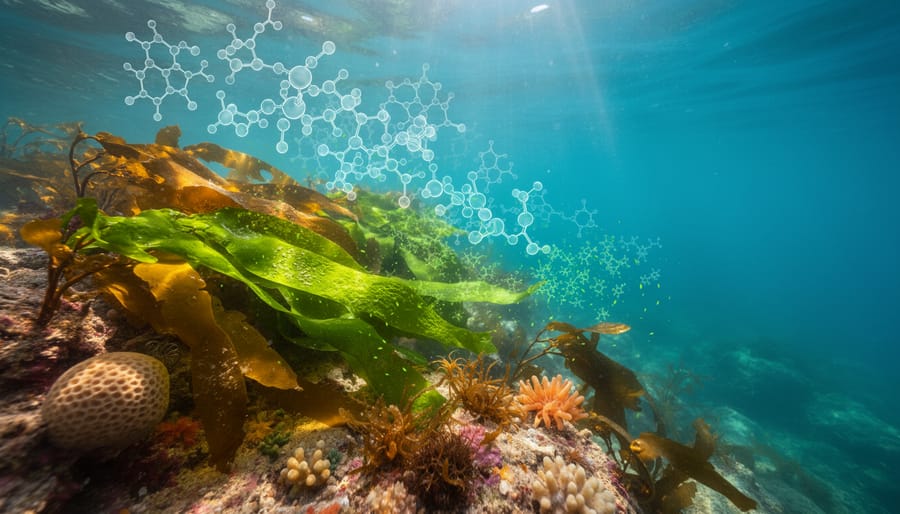
Beneath the ocean’s surface, a quiet revolution in climate action is taking root—quite literally. Seaweed and other marine plants represent one of nature’s most efficient carbon capture systems, absorbing CO2 up to twenty times faster than terrestrial forests. Marine biotechnology is now amplifying this natural process through enhanced cultivation techniques, creating what scientists call “blue carbon” solutions.
Researchers are developing innovative methods to optimize seaweed growth rates and carbon absorption capacity. By selecting fast-growing species and understanding the genetic mechanisms behind their efficiency, biotechnologists are creating seaweed farms that function as powerful carbon sinks. These underwater forests not only sequester carbon but also produce biomass that can be transformed into biofuels, biodegradable plastics, and nutritious food supplements.
Dr. Maya Chen, a marine biotechnologist working on kelp restoration projects off the California coast, shares an inspiring perspective: “When I show students how quickly these forests grow and explain their climate potential, I see their eyes light up. They realize ocean conservation isn’t just about protecting what exists—it’s about actively cultivating solutions.”
Volunteer opportunities in seaweed cultivation projects are expanding worldwide, allowing citizens to participate directly in climate mitigation. From coastal restoration initiatives to citizen science monitoring programs, individuals can contribute to growing these underwater carbon capture systems. The beauty of this approach lies in its multiple benefits: improved water quality, restored marine habitats, sustainable economic opportunities, and measurable climate impact—all growing naturally beneath the waves.
The Ethical Framework: Balancing Innovation with Ocean Protection
As marine biotechnology opens exciting frontiers in medicine, sustainable materials, and environmental solutions, we must ensure these innovations don’t come at the ocean’s expense. The ethical framework guiding this field rests on three interconnected pillars: sustainable harvesting, equitable benefit-sharing, and robust regulatory oversight.
Sustainable harvesting practices form the foundation of responsible marine biotechnology. Rather than depleting wild populations for bioactive compounds, researchers are developing aquaculture systems and laboratory cultivation methods. For instance, when scientists discovered anti-cancer properties in certain sea sponges, they quickly shifted from ocean collection to tank-based farming and synthetic production. This approach protects marine ecosystems while advancing medical research. Marine biologist Dr. Elena Rodriguez, who works with coral-derived compounds, explains: “We collect only what we need for initial research, then develop sustainable alternatives. The ocean gave us the blueprint; our job is to use it wisely.”
Benefit-sharing with coastal communities represents another crucial ethical consideration. Indigenous peoples and local fishers have shared traditional knowledge about marine organisms for generations. The Nagoya Protocol on Access and Benefit-Sharing provides international guidelines ensuring these communities receive fair compensation and recognition when their knowledge contributes to commercial biotechnology products. Some companies now partner directly with coastal villages, creating employment opportunities in sustainable harvesting and sharing profits from successful discoveries.
Regulatory frameworks continue evolving to balance innovation with conservation. Organizations like the International Seabed Authority and regional marine protected area networks establish guidelines for bioprospecting activities. These regulations require environmental impact assessments, limit collection quantities, and mandate conservation offsets.
For those interested in supporting ethical marine biotechnology, volunteer opportunities exist with organizations monitoring compliance and advocating for stronger protections. By participating in citizen science programs or supporting marine conservation initiatives, you help ensure this promising field develops responsibly, protecting ocean biodiversity for future generations while unlocking its potential to solve global challenges.
How You Can Support Marine Biotechnology for Good
The exciting advancements in marine biotechnology aren’t just happening in laboratories—they’re unfolding in coastal communities, research vessels, and even your local beaches. You can play a meaningful role in this transformative field, regardless of your scientific background.
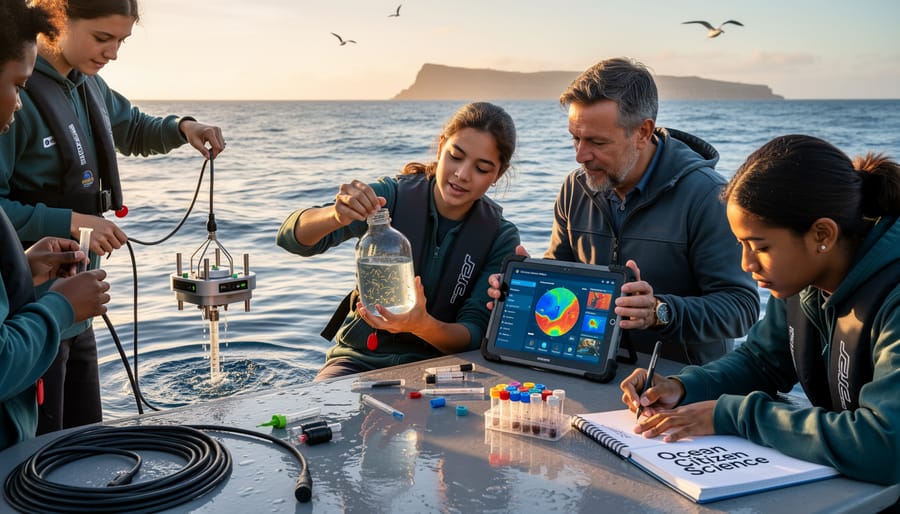
Citizen science programs offer accessible entry points into marine biotechnology research. Organizations worldwide welcome volunteers to help collect water samples, document marine species, and monitor coastal ecosystems. These contributions provide researchers with valuable data while deepening your understanding of marine biodiversity. Marine conservation groups frequently run volunteer programs that combine hands-on fieldwork with education about biotechnology applications in conservation.
Supporting research institutions financially or through advocacy makes a tangible difference. Many marine research centers offer membership programs, educational workshops, and public lectures that keep you informed about cutting-edge discoveries. Your participation helps fund essential equipment, student research grants, and community outreach initiatives.
Dr. Maria Santos, a marine biotechnologist studying bioremediation, shares her perspective: “When community members join our beach cleanup and sampling events, they’re not just collecting trash—they’re helping us identify pollution-eating bacteria that could revolutionize environmental restoration. Their enthusiasm fuels our research forward.”
Making informed consumer choices amplifies your impact. Choose sustainably sourced seafood, support companies developing biodegradable marine-safe products, and reduce plastic consumption. These decisions create market demand for biotechnology innovations in sustainable materials and aquaculture.
Stay connected through the center’s e-network to receive updates on research breakthroughs, upcoming volunteer opportunities, and educational resources. Subscribe to newsletters from marine conservation organizations to learn about emerging biotechnology applications and how they’re protecting ocean ecosystems.
Your engagement—whether through direct participation, financial support, or conscious consumption—contributes to a collective movement harnessing marine biotechnology for environmental restoration and sustainable ocean stewardship.
The journey through marine biotechnology reveals an inspiring truth: the same ocean ecosystems we work to protect hold remarkable solutions to challenges facing humanity. From coral reef restoration using selective breeding techniques to enzyme discovery that drives medical breakthroughs, marine biotechnology demonstrates that conservation and innovation are not opposing forces but powerful allies. When scientists approach biotechnology with conservation principles at the forefront, the results benefit both marine biodiversity and human communities worldwide.
This synergy offers genuine hope. We’ve seen how bioprospecting, conducted responsibly, can assign economic value to preserving marine habitats rather than exploiting them. We’ve explored how genetic tools help restore damaged ecosystems and protect endangered species. These aren’t distant possibilities but active projects producing measurable results today.
The most exciting aspect? You can be part of this movement. Whether you’re a student considering marine science, an educator seeking to inspire the next generation, or simply someone who cares about ocean health, opportunities abound to contribute. Our center offers volunteer programs where you can work alongside marine biologists conducting field research, educational workshops that deepen your understanding of marine ecosystems, and citizen science initiatives that gather crucial conservation data.
Every person who learns about these technologies, shares knowledge with their community, or participates in conservation efforts strengthens the collective impact. The ocean’s future depends on informed, engaged individuals who understand that protecting marine biodiversity isn’t just an environmental imperative but an investment in solutions that benefit all life on Earth. Explore our programs today and discover how you can make a difference.

jessica
Ava Singh is an environmental writer and marine sustainability advocate with a deep commitment to protecting the world's oceans and coastal communities. With a background in environmental policy and a passion for storytelling, Ava brings complex topics to life through clear, engaging content that educates and empowers readers. At the Marine Biodiversity & Sustainability Learning Center, Ava focuses on sharing impactful stories about community engagement, policy innovations, and conservation strategies. Her writing bridges the gap between science and the public, encouraging people to take part in preserving marine biodiversity. When she’s not writing, Ava collaborates with local initiatives to promote eco-conscious living and sustainable development, ensuring her work makes a difference both on the page and in the real world.