Marine Biodiversity Science Center

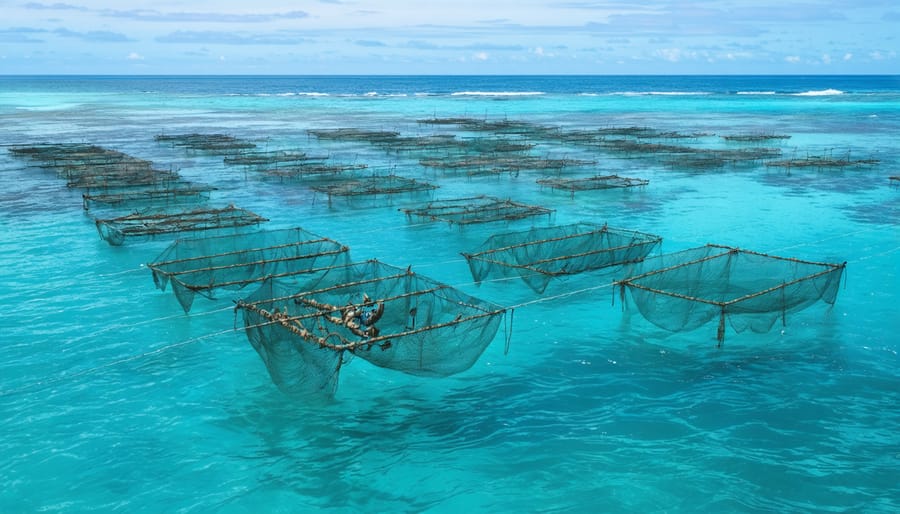
Beneath the surface of our oceans lies a delicate balance between human sustenance and ecological preservation. For millennia, coastal communities have relied on marine harvesting – from traditional fishing methods to modern aquaculture – as a vital source of food and economic stability. Yet today, as our oceans face unprecedented challenges from climate change, overfishing, and habitat destruction, the need to reimagine marine harvesting practices has never been more crucial.
Traditional marine harvesting techniques, developed over generations by indigenous communities worldwide, offer valuable insights into sustainable resource management. These time-tested methods, when combined with modern scientific understanding and conservation strategies, present a promising pathway forward. From the selective hand-harvesting techniques of Pacific Northwest tribes to the sophisticated rotating harvest systems of South Pacific islanders, these practices demonstrate how human needs can be met while preserving marine ecosystems for future generations.
As we navigate the complexities of feeding a growing global population while protecting our ocean’s biodiversity, the intersection of traditional wisdom and contemporary science offers hope. Through careful study and implementation of balanced harvesting approaches, we can ensure both the sustainability of marine resources and the preservation of cultural heritage that has shaped coastal communities for centuries.
Traditional Marine Harvesting Practices Around the World
Indigenous Fishing Techniques
Indigenous communities worldwide have developed sophisticated traditional maritime practices that demonstrate remarkable ecological understanding. These time-tested methods often emphasize sustainability and respect for marine ecosystems.
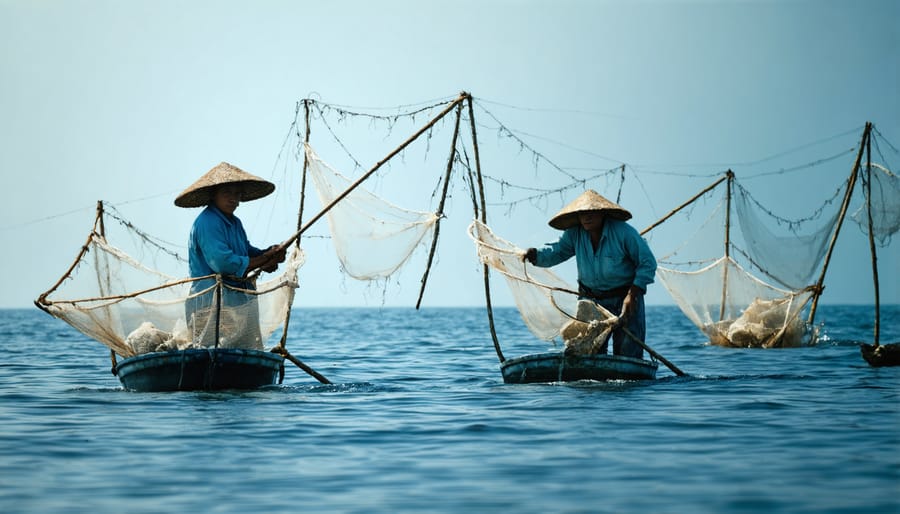
In the Pacific Islands, communities practice fish trapping using stone walls called loko i’a, which work with tidal patterns to capture fish while allowing younger ones to escape through carefully sized gaps. The Torres Strait Islanders employ elaborate dugong hunting techniques that involve reading water patterns and tracking seagrass meadows, ensuring they never deplete local populations.
Native American tribes along North America’s Pacific coast developed selective fishing methods using specialized wooden weirs and reef nets. These structures allow for precise species selection and help maintain healthy fish populations. In Arctic regions, Inuit communities practice sustainable seal hunting using traditional knowledge of ice formations and animal behavior patterns.
Many of these indigenous techniques are now being studied by marine scientists for their conservation value. The methods often reveal sophisticated understanding of species migration patterns, breeding cycles, and ecosystem relationships. Modern conservation efforts increasingly recognize that incorporating these ancestral practices into current management strategies can lead to more effective and culturally sensitive approaches to marine resource protection.
Cultural Significance and Knowledge Systems
Marine harvesting has played a pivotal role in shaping coastal community identity across generations, fostering deep connections between people and the ocean. Indigenous communities, in particular, have developed sophisticated knowledge systems around marine harvesting, passed down through oral traditions and hands-on practice.
These traditional ecological knowledge systems encompass understanding of species migration patterns, sustainable harvesting cycles, and the intricate relationships between marine organisms. Many coastal communities maintain detailed mental maps of underwater topography, seasonal changes, and optimal harvesting locations, information that has proven valuable for modern marine conservation efforts.
The cultural significance extends beyond mere sustenance, incorporating spiritual practices, community gatherings, and ceremonial events centered around marine harvesting. These traditions often include specific protocols for respecting marine life, ensuring minimal waste, and maintaining ecosystem balance.
Today, many communities are working to preserve these traditional practices while adapting to contemporary conservation needs. This integration of ancestral wisdom with modern scientific understanding has led to more effective marine resource management strategies, demonstrating how cultural heritage and environmental stewardship can successfully coexist and reinforce each other.
Conservation Challenges in Modern Times
Overfishing and Resource Depletion
Industrial fishing practices have dramatically transformed traditional harvesting grounds over the past century, leading to severe depletion of marine resources and disrupting local fishing communities. Large-scale commercial operations, equipped with advanced technology and massive vessels, can harvest fish at rates far exceeding natural replenishment cycles.
The impact is particularly evident in coastal regions where traditional fishing communities have sustained themselves for generations. These communities, which typically practiced selective harvesting and respected seasonal cycles, now face dwindling catches and must venture further out to sea, increasing both risks and costs.
Studies show that nearly 33% of global fish stocks are being exploited at unsustainable levels. In some regions, industrial fishing has reduced fish populations by more than 90% compared to pre-industrial levels. This decline affects not only target species but entire marine ecosystems, as industrial methods like bottom trawling damage seafloor habitats and capture significant amounts of bycatch.
Traditional fishing communities in Southeast Asia and the Pacific Islands have reported dramatic decreases in their catches, with some ancestral fishing grounds now completely depleted. These changes have forced many to abandon their traditional practices or adopt more aggressive fishing methods to compete with industrial operations.
Conservation efforts are now focusing on establishing protected marine areas and implementing stricter fishing quotas. Some regions have successfully integrated traditional knowledge with modern management approaches, demonstrating that sustainable harvesting is possible when local communities are empowered to manage their resources.
Climate Change Effects
Climate change is dramatically altering traditional marine harvesting practices worldwide through various interconnected effects on ocean ecosystems. Rising sea temperatures are causing significant shifts in fish migration patterns and breeding cycles, disrupting traditional harvesting seasons that coastal communities have relied upon for generations.
Ocean acidification, caused by increased absorption of carbon dioxide, is particularly threatening to shellfish populations. Many indigenous communities that have sustainably harvested clams, mussels, and oysters for centuries are now finding their traditional gathering grounds increasingly depleted. The changing pH levels make it difficult for these creatures to form and maintain their shells, affecting both their survival rates and overall population density.
Extreme weather events, which are becoming more frequent and intense, pose additional challenges to traditional harvesting methods. Storm surges and unusual weather patterns make it harder to predict safe fishing conditions, while coral reef degradation from warming waters reduces essential fish habitats. Some Pacific Island communities report that their traditional fishing calendars, based on generations of environmental observations, are becoming less reliable.
Rising sea levels are also impacting coastal harvesting areas, particularly in low-lying regions. Traditional seaweed gathering zones and tidal fishing spots are disappearing under higher water levels, forcing communities to adapt their ancestral practices or seek alternative harvesting locations.
These changes necessitate a delicate balance between preserving traditional knowledge and adapting to new environmental realities, often through combining indigenous wisdom with modern conservation techniques.

Sustainable Solutions and Success Stories
Community-Led Conservation Initiatives
Across the globe, communities are taking the lead in sustainable marine resource management through innovative marine conservation initiatives. The LMMA (Locally-Managed Marine Areas) Network in the Pacific Islands stands as a shining example of successful community-based conservation. In Fiji, traditional fishing communities have established protected areas where harvesting is regulated by local councils, resulting in a 35% increase in fish populations over the past decade.
In the Philippines, the Apo Island marine sanctuary demonstrates how local fishers can become effective marine stewards. The community-managed reserve has not only restored fish populations but also created sustainable tourism opportunities, providing alternative income for residents who previously relied solely on fishing.
The Mediterranean’s Cabo de Gata-Níjar Marine Reserve in Spain showcases how traditional artisanal fishing can coexist with conservation goals. Local fishers work alongside marine biologists to monitor fish populations and adjust harvesting practices accordingly. Their collaborative approach has led to a 40% increase in commercial fish stocks while maintaining cultural fishing traditions.
Chile’s Management and Exploitation Areas for Benthic Resources (MEABRs) program empowers local fishing communities to manage their coastal waters. By giving exclusive harvesting rights to organized fisher groups, the program has successfully reduced illegal harvesting while improving the sustainability of valuable species like abalone and sea urchins.
These success stories demonstrate how combining traditional knowledge with scientific monitoring can create effective, locally-adapted conservation solutions that benefit both marine ecosystems and coastal communities.
Modern Technology Meeting Tradition
In coastal communities worldwide, the integration of modern technology with traditional marine harvesting practices has created a unique blend of old and new. Fishermen who once relied solely on weather patterns and celestial navigation now complement their ancestral knowledge with GPS systems and sonar equipment, enhancing their ability to locate fish while maintaining sustainable practices.
Communities in the Pacific Islands exemplify this harmonious fusion, where traditional fishing methods like hand-line fishing and net casting are now supported by modern fish-finding technology. This combination allows for more precise targeting of specific species while avoiding overfishing of vulnerable populations.
In Norway, traditional cod fisheries have embraced automated sorting systems that work alongside time-honored drying techniques. These innovations help maintain quality control while preserving the cultural significance of stockfish production. Similarly, Japanese ama divers, who have harvested seafood for generations, now use modern wetsuits and safety equipment while continuing their free-diving traditions.
Digital monitoring systems help track fish populations and maintain sustainable quotas, while mobile apps enable fishermen to share real-time information about fishing conditions and market prices. This technology empowers communities to make informed decisions about when and where to fish, reducing fuel consumption and minimizing environmental impact.
The key to successful integration lies in viewing technology as a complement to, rather than a replacement for, traditional knowledge. Many communities have established training programs where elders work alongside younger generations, ensuring that technological advances enhance rather than erode cultural practices.
Supporting Traditional Harvesters
Policy Frameworks and Rights
Marine harvesting regulations have evolved significantly to balance conservation needs with traditional fishing practices. International frameworks like the United Nations Convention on the Law of the Sea (UNCLOS) establish baseline protections for marine resources while protecting fishing rights of indigenous and local communities.
Many coastal nations have implemented specific legislation recognizing traditional fishing methods and cultural practices. For example, New Zealand’s Maori Fisheries Act ensures indigenous fishing rights while incorporating sustainable management principles. Similar frameworks exist in Canada, where First Nations’ traditional harvesting rights are protected through constitutional recognition and modern treaties.
Conservation measures often work in tandem with these rights through co-management arrangements. These partnerships between government agencies and local communities have proven successful in regions like the Pacific Islands, where traditional ecological knowledge informs marine protected area design and catch limits.
Recent policy developments have focused on creating adaptive management frameworks that respond to changing environmental conditions while preserving cultural practices. These include seasonal restrictions, gear modifications, and quota systems that consider both conservation goals and community needs. The success of these frameworks depends heavily on stakeholder engagement and regular assessment of their effectiveness in maintaining both marine biodiversity and cultural heritage.
Education and Knowledge Transfer
The preservation of traditional marine harvesting knowledge represents a crucial bridge between past and future generations. Through dedicated educational programs, coastal communities are ensuring that time-tested sustainable practices continue to inform modern conservation efforts. These initiatives often pair experienced harvesters with young learners, creating meaningful mentorship opportunities that extend beyond mere technique.
Many coastal regions have established formal apprenticeship programs where elders share their intimate understanding of marine ecosystems, seasonal patterns, and sustainable harvesting methods. These programs typically combine hands-on experience with classroom learning, allowing students to understand both the practical and theoretical aspects of traditional marine resource management.
Indigenous communities, in particular, have developed innovative ways to document and share their ancestral knowledge. Digital storytelling projects, mobile apps, and interactive websites now complement traditional oral history methods, making this valuable information more accessible to younger generations. Several communities have created marine education centers where traditional practices are demonstrated alongside modern conservation techniques.
Universities and research institutions are increasingly recognizing the value of traditional ecological knowledge, incorporating it into their marine science curricula. This integration helps students understand how traditional practices can inform current conservation strategies and sustainable resource management.
The success of these educational initiatives often relies on community engagement and participation. Regular workshops, cultural festivals, and hands-on harvesting demonstrations provide opportunities for broader community involvement while ensuring that traditional knowledge remains relevant and actively practiced in contemporary contexts.
Marine harvesting stands at a crucial crossroads where traditional practices meet modern conservation needs. Throughout this exploration, we’ve seen how sustainable harvesting methods can protect marine ecosystems while supporting coastal communities and economies. The evidence is clear: when properly managed, marine resources can provide for current needs without compromising future generations.
The success stories we’ve examined, from community-managed fisheries to innovative aquaculture practices, demonstrate that sustainable marine harvesting is not just an ideal but an achievable reality. These examples show how traditional knowledge can complement scientific research to create effective conservation strategies.
However, the path forward requires active participation from all stakeholders. Whether you’re a consumer, industry professional, or concerned citizen, there are numerous ways to support sustainable marine harvesting:
– Choose seafood certified by recognized sustainability programs
– Support local fisheries that practice responsible harvesting
– Participate in coastal cleanup initiatives
– Share knowledge about sustainable practices with your community
– Volunteer with marine conservation organizations
The future of our oceans depends on the choices we make today. By embracing sustainable harvesting practices, supporting scientific research, and engaging in conservation efforts, we can ensure the long-term health of marine ecosystems while preserving vital food sources and cultural traditions.
Let’s commit to being responsible stewards of our marine resources. Every action, no matter how small, contributes to the larger goal of maintaining healthy, productive oceans for generations to come.

jessica
Ava Singh is an environmental writer and marine sustainability advocate with a deep commitment to protecting the world's oceans and coastal communities. With a background in environmental policy and a passion for storytelling, Ava brings complex topics to life through clear, engaging content that educates and empowers readers. At the Marine Biodiversity & Sustainability Learning Center, Ava focuses on sharing impactful stories about community engagement, policy innovations, and conservation strategies. Her writing bridges the gap between science and the public, encouraging people to take part in preserving marine biodiversity. When she’s not writing, Ava collaborates with local initiatives to promote eco-conscious living and sustainable development, ensuring her work makes a difference both on the page and in the real world.