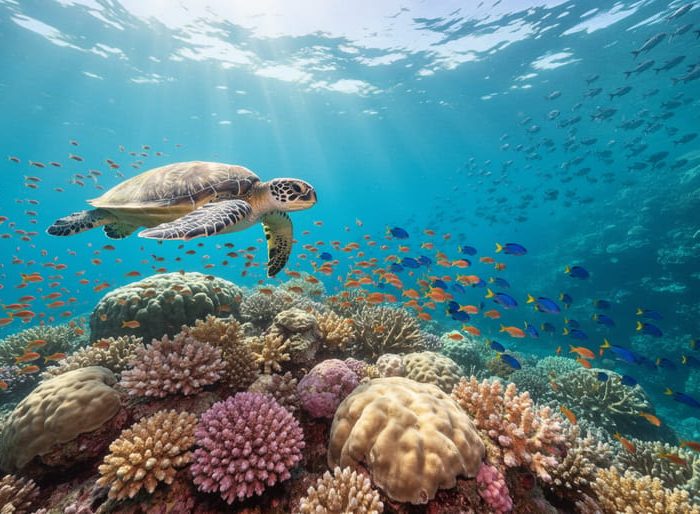
Why Coral Reefs Hold 25% of Ocean Life on Just 1% of Seafloor
Beneath the ocean’s surface lies an explosion of life so concentrated that coral reef ecosystems rival tropical rainforests in their species density,...
Learn MoreMarine Biodiversity Science Center

Topics focused on specific marine species, their habitats, and ecosystem characteristics
Beneath the ocean’s surface lies an explosion of life so concentrated that coral reef ecosystems rival tropical rainforests in their species density,...
Learn More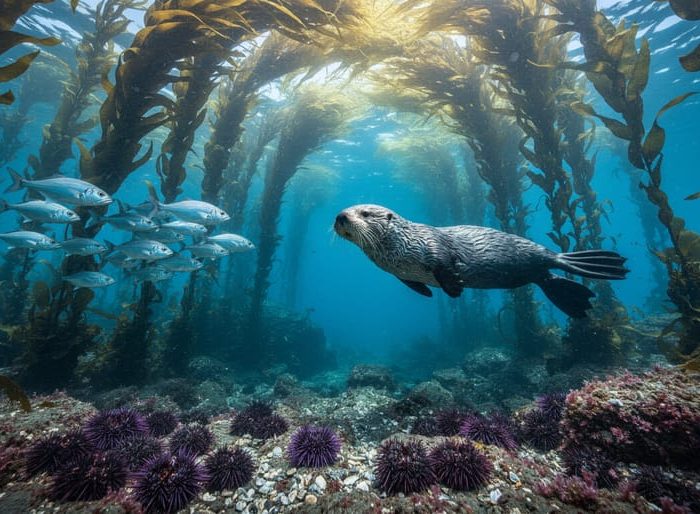
Yes, kelp is widely recognized as a keystone species—an organism whose impact on its ecosystem is disproportionately large relative to its abundance....
Learn More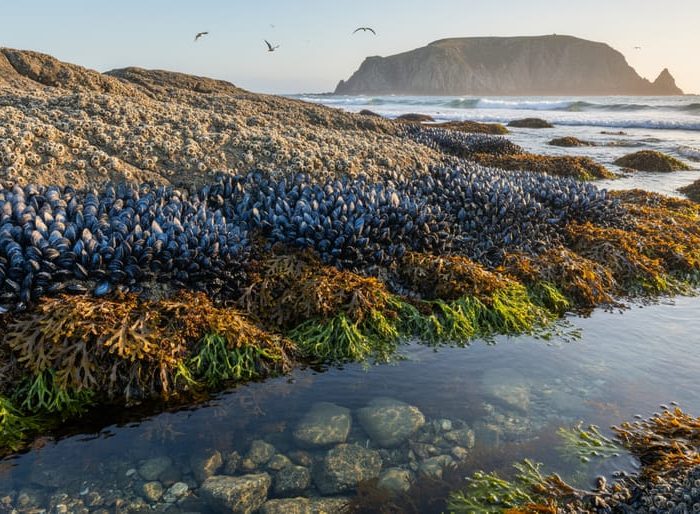
Walk along any rocky shoreline at low tide and you’ll witness one of nature’s most striking patterns: distinct horizontal bands of life...
Learn More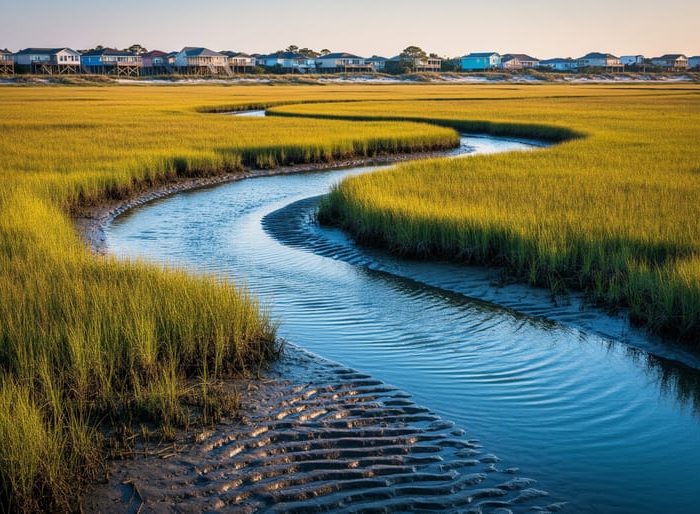
Where land meets sea, coastal salt marshes stand as nature’s unsung guardians—ribbons of cordgrass and sedge that shimmer gold in autumn light,...
Learn More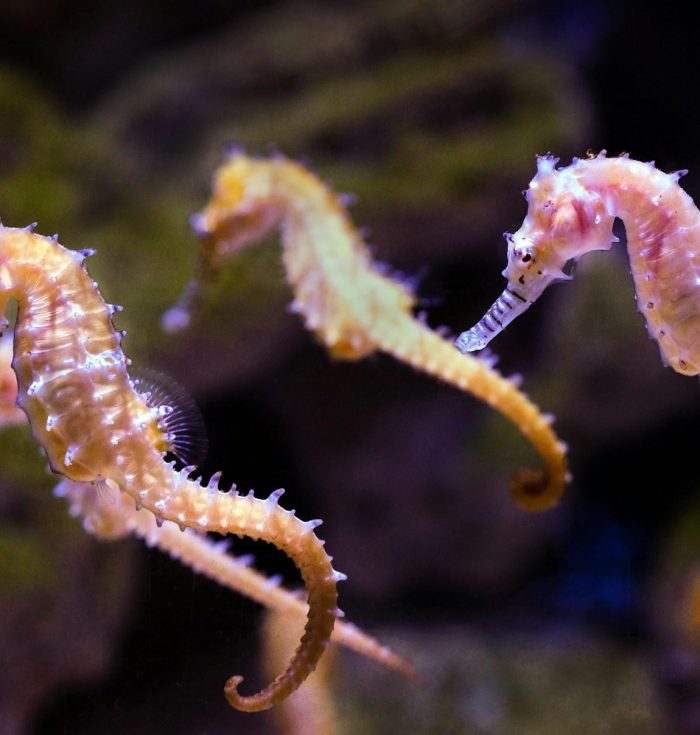
Seahorses are among the most captivating creatures in the ocean, instantly recognizable by their horse-like heads, upright posture, and slow, deliberate movements....
Learn More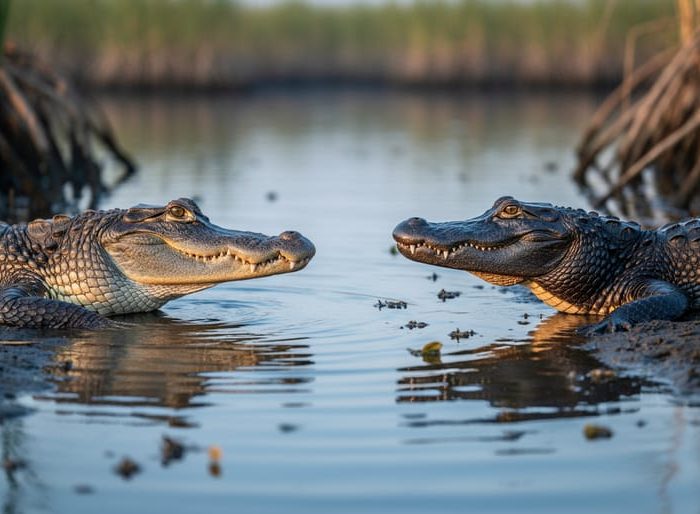
The age-old question of whether an alligator can beat a crocodile captivates our imagination, but the answer isn’t straightforward. In a hypothetical...
Learn More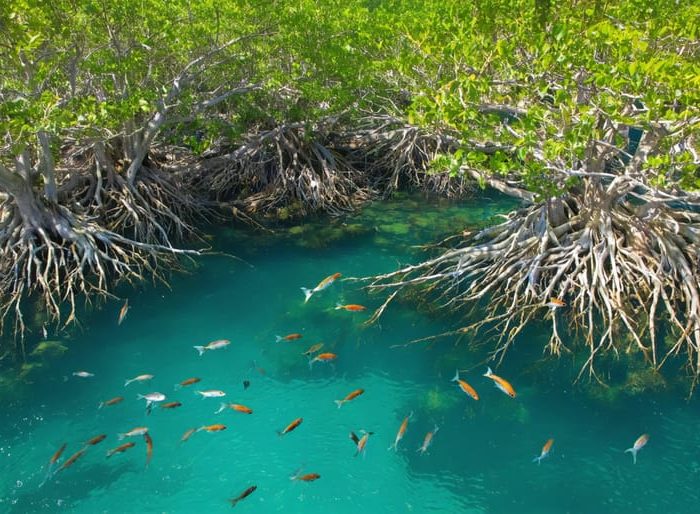
Standing as nature’s remarkable engineers between land and sea, mangrove forests represent one of Earth’s most critical yet underappreciated ecosystems. These extraordinary...
Learn More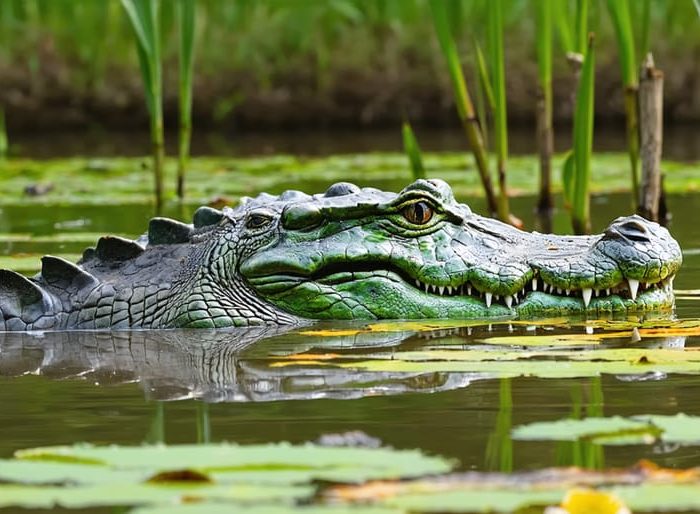
Deep in the heart of America’s wetlands, the American alligator stands as nature’s master architect and ecosystem engineer. As a keystone species,...
Learn More
Deep within coral reef ecosystems, a remarkable partnership unfolds between corals and microscopic algae called zooxanthellae, representing one of nature’s most vital...
Learn More
In the ancient battle of reptilian supremacy, the saltwater crocodile emerges as Earth’s most dangerous large reptile, responsible for hundreds of human...
Learn More