Marine Biodiversity Science Center


Deep in the heart of America’s wetlands, the American alligator stands as nature’s master architect and ecosystem engineer. As a keystone species, these remarkable reptiles shape and sustain entire ecosystems through their daily activities, creating a complex web of life that depends on their presence. From excavating deep water holes that provide refuge for countless aquatic species during droughts to maintaining vital population balances through predation, alligators’ influence extends far beyond their intimidating appearance. Their nesting habits create elevated areas in marshlands that become critical habitat for diverse plant species and nesting birds, while their feeding patterns help control populations of both prey species and vegetation. Understanding their role as a keystone species isn’t just about appreciating these ancient creatures – it’s about recognizing how the health of entire wetland ecosystems hinges on their continued presence and protection.
The Architect of Wetland Habitats
Alligator Holes: Nature’s Lifeline
One of the most remarkable survival adaptations of American alligators is their ability to create and maintain water-filled depressions known as alligator holes. These excavated pools, which can span up to 20 feet in diameter and several feet deep, serve as critical refuges during periods of drought in wetland ecosystems.
During the dry season, these holes retain water when surrounding areas become parched, creating essential microhabitats that support a diverse array of wildlife. Fish, amphibians, and aquatic invertebrates seek shelter in these pools, while wading birds, turtles, and various mammals depend on them as reliable water sources. The concentration of prey species in these holes also provides alligators with convenient hunting grounds.
Beyond their immediate value as water sources, alligator holes help maintain wetland biodiversity by preventing the complete drying of habitats during drought conditions. These depressions can persist for decades, becoming permanent features of the landscape that enhance ecosystem resilience. By engineering these aquatic sanctuaries, alligators demonstrate their vital role in shaping and sustaining wetland ecosystems, particularly in regions like the Florida Everglades.

Nesting Habits that Shape Landscapes
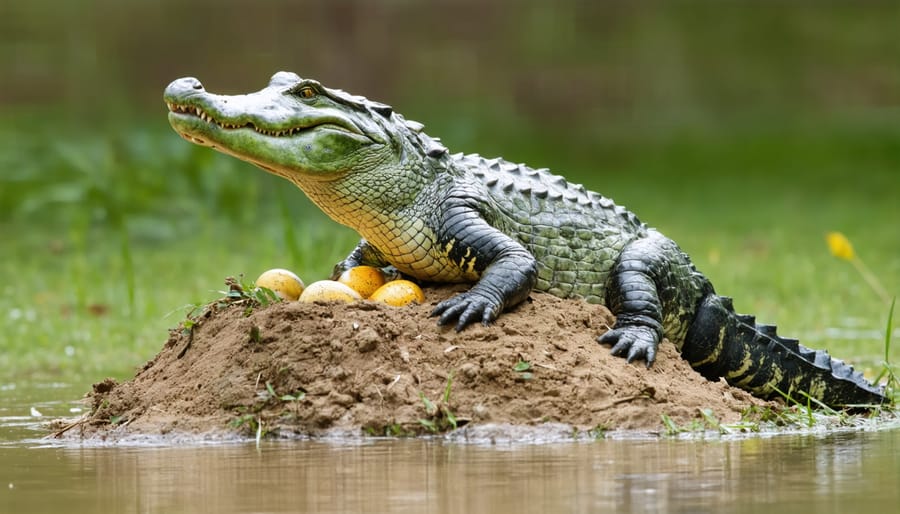
American alligators significantly modify their environment through their distinctive nesting habits. Female alligators construct large mound nests using vegetation, mud, and other organic materials, creating elevated areas that can rise up to three feet above the surrounding wetland. These nests serve multiple purposes beyond their primary function as incubation chambers for alligator eggs.
When alligators abandon their nests, these elevated mounds persist as “alligator hills” or “gator gardens.” These raised areas become crucial dry ground habitats in otherwise waterlogged environments, providing essential refuge for numerous plant and animal species. Various plants take root in these nutrient-rich mounds, creating small but diverse plant communities that wouldn’t typically exist in marsh environments.
These elevated areas also serve as nesting sites for turtles, snakes, and ground-dwelling birds. During flooding events, these mounds become temporary islands where small mammals and other terrestrial creatures can find safety. The decomposing vegetation from old nests enriches the soil, creating fertile patches that support distinctive plant communities, further enhancing local biodiversity. Through this nest-building behavior, alligators actively engineer their ecosystem, creating microhabitats that benefit countless other species.
Population Control Master
Predator-Prey Balance
American alligators play a crucial role in maintaining the delicate balance of their ecosystem through predator-prey relationships. As apex predators, they regulate populations of numerous species across different trophic levels. In freshwater environments, alligators control fish populations, preventing any single species from becoming too abundant and potentially disrupting the aquatic ecosystem.
Their hunting activities help maintain healthy populations of turtles, snakes, and various waterfowl, ensuring these species don’t overconsume vegetation or smaller prey species. When alligators prey on nutria and other invasive rodents, they help protect native vegetation from overgrazing and prevent bank erosion. This regulation extends to mammals like raccoons and opossums, whose populations might otherwise grow unchecked and threaten ground-nesting birds and their eggs.
During drought periods, alligator holes become essential refuges where prey species concentrate, creating complex interaction networks that sustain biodiversity. The predatory pressure exerted by alligators helps maintain species diversity by preventing any single prey species from dominating the ecosystem. This balance is particularly important in wetland environments, where the removal of alligators could trigger a cascade of ecological changes affecting multiple species and habitat structures.
Indirect Effects on Vegetation
American alligators’ role in population control creates a fascinating cascade effect on vegetation patterns within their ecosystems. By regulating herbivorous prey species like deer, rabbits, and various rodents, alligators indirectly protect plant communities from overgrazing. This control mechanism allows native vegetation to maintain healthy growth cycles and natural succession patterns.
In wetland environments, the relationship between alligators and plant life becomes even more intricate. Their predation on species that would otherwise consume young saplings and groundcover vegetation helps preserve the diversity of plant species. This protection is particularly crucial for maintaining cypress stands, water lilies, and other aquatic plants that provide essential habitat for numerous other species.
Furthermore, the nutrient cycling enhanced by alligator activity benefits plant growth. When alligators feed and process prey, they contribute to nutrient redistribution throughout the ecosystem. Their movement between aquatic and terrestrial environments transfers these nutrients, creating enriched soil conditions that support more vigorous plant growth and diversity. This nutrient transport is especially vital in nutrient-poor wetland systems, where every contribution to the soil’s fertility makes a significant difference in vegetation health and distribution.
Ecosystem Engineering Effects
Water Quality Enhancement
American alligators play a crucial role in maintaining water quality through their unique behaviors and habitat modification activities. As they swim and move through wetlands, these reptiles create and maintain “alligator holes,” which are deep depressions in the marsh that hold water even during dry seasons. These holes serve as natural filtration systems, trapping sediments and reducing turbidity in the surrounding waters.
During their daily activities, alligators contribute to nutrient cycling in aquatic ecosystems. Their movement stirs up sediments and organic matter, preventing stagnation and promoting the circulation of nutrients throughout the water column. This process helps maintain healthy oxygen levels and supports the growth of beneficial aquatic plants and microorganisms.
The alligator holes also act as natural water treatment systems. During periods of heavy rainfall, these depressions slow water flow, allowing sediments and pollutants to settle rather than spreading throughout the ecosystem. The vegetation that grows around these holes further helps filter water by absorbing excess nutrients and contaminants.
Additionally, alligator feces contribute to the nutrient balance of wetland ecosystems. Their waste products provide essential nutrients that support the growth of aquatic plants and algae, which in turn help purify the water. This natural fertilization process maintains the delicate balance of wetland ecosystems without causing harmful nutrient overload.
The presence of healthy alligator populations thus indicates well-functioning wetland systems with proper water quality maintenance mechanisms in place.
Biodiversity Support
American alligators create and maintain vital habitats that support an incredible diversity of species in wetland ecosystems. Their nesting activities and burrows, known as “gator holes,” provide crucial shelter and resources for numerous plants and animals, particularly during dry seasons.
During nest construction, female alligators pile vegetation into mounds that serve as natural incubators for their eggs. These nests later decompose into nutrient-rich soil that supports the growth of various plant species, creating microhabitats for smaller organisms. The elevated areas around nests become important sites for turtle and snake egg-laying, while wading birds often nest in trees near alligator territories, benefiting from the protection against predators that alligators inadvertently provide.
Gator holes retain water during drought periods, becoming oases for fish, amphibians, and aquatic invertebrates. These pools support species like mosquitofish, salamanders, and various frog species that might otherwise perish in dry conditions. Wading birds such as herons, egrets, and ibises frequent these holes to feed on concentrated prey, while mammals like deer and raccoons rely on them as water sources.
The presence of alligators also maintains healthy populations of snakes, turtles, and fish through predation, preventing any single species from becoming overly dominant. This balance helps sustain the complex food web that characterizes southeastern wetland ecosystems, demonstrating how alligators’ presence ripples through the entire biological community.
Conservation Implications
The conservation of American alligators extends far beyond protecting a single species – it’s about preserving entire wetland ecosystems. As keystone species within their natural habitat range, alligators play a crucial role in maintaining biodiversity and ecosystem health.
When alligator populations decline, the effects ripple throughout the ecosystem. Their signature alligator holes, which provide vital water sources during dry seasons, become scarce. This affects countless species that depend on these aquatic refuges, from fish and amphibians to wading birds and mammals. The loss of alligators also leads to unchecked prey populations, potentially destabilizing food webs.
Conservation efforts have already demonstrated remarkable success. After facing near-extinction in the 1960s, protective measures helped American alligator populations recover significantly. This recovery has contributed to the restoration of wetland ecosystems across the southeastern United States.
Moving forward, protecting alligators requires a multi-faceted approach: maintaining water quality in wetlands, preserving critical habitat, reducing human-wildlife conflicts, and supporting research initiatives. Education plays a vital role, helping communities understand that protecting alligators means safeguarding the health of entire ecosystems that benefit both wildlife and humans through flood control, water filtration, and biodiversity maintenance.
By continuing to protect these remarkable reptiles, we ensure the preservation of the complex wetland ecosystems they help maintain for future generations.
The American alligator’s role as a keystone species cannot be overstated in maintaining the delicate balance of wetland ecosystems throughout the southeastern United States. Through their diverse ecological functions – from creating alligator holes that provide crucial habitat for countless species during dry seasons to controlling prey populations that could otherwise destabilize the food web – these remarkable reptiles demonstrate how a single species can shape entire ecosystems. Their presence has far-reaching effects that cascade through the food chain and influence the physical landscape itself, making them invaluable engineers of wetland environments.
As we face increasing challenges from climate change and habitat loss, protecting American alligators becomes even more critical for preserving the biodiversity and ecological health of our wetlands. Their conservation not only ensures their own survival but safeguards the complex web of life that depends on their ecosystem-engineering activities. By understanding and protecting these keystone predators, we protect entire ecosystems and the countless species that call these wetlands home. The American alligator stands as a powerful symbol of nature’s interconnectedness and reminds us that preserving even a single species can have profound implications for maintaining the health and resilience of our natural world.

jessica
Ava Singh is an environmental writer and marine sustainability advocate with a deep commitment to protecting the world's oceans and coastal communities. With a background in environmental policy and a passion for storytelling, Ava brings complex topics to life through clear, engaging content that educates and empowers readers. At the Marine Biodiversity & Sustainability Learning Center, Ava focuses on sharing impactful stories about community engagement, policy innovations, and conservation strategies. Her writing bridges the gap between science and the public, encouraging people to take part in preserving marine biodiversity. When she’s not writing, Ava collaborates with local initiatives to promote eco-conscious living and sustainable development, ensuring her work makes a difference both on the page and in the real world.