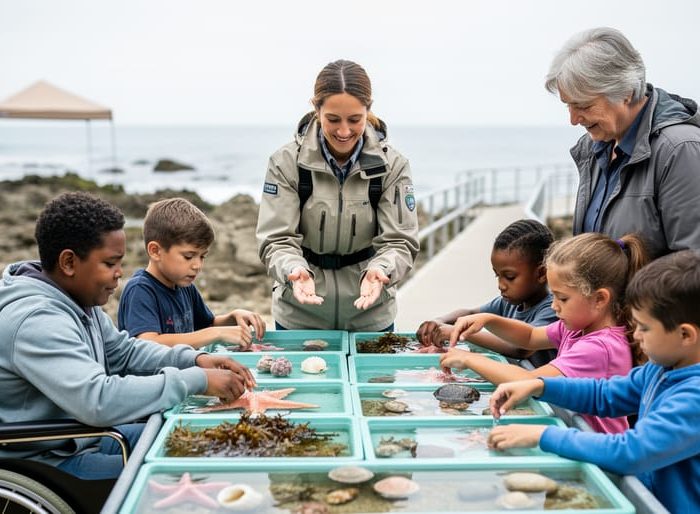
Why Ocean Learning Still Leaves People Behind (And How We Fix It)
Audit your current marine education program by examining who participates and who doesn’t. Survey local demographics, review registration data from the past...
Learn MoreMarine Biodiversity Science Center

Audit your current marine education program by examining who participates and who doesn’t. Survey local demographics, review registration data from the past...
Learn More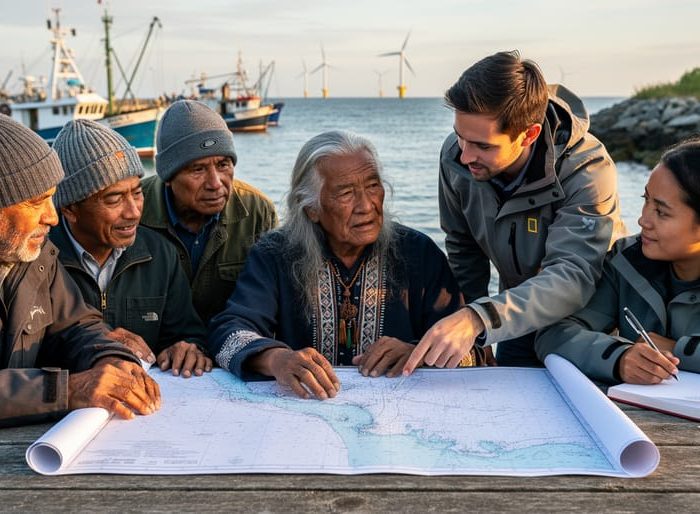
Marine spatial planning represents one of the most promising yet complex tools for balancing ocean use with conservation, but its success hinges...
Learn More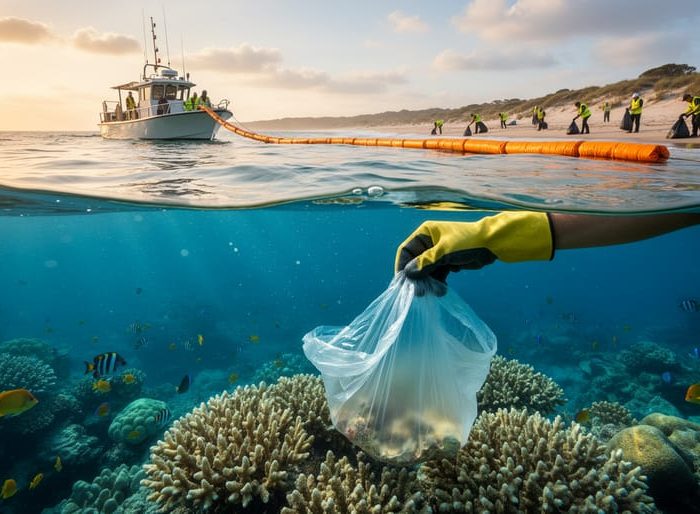
Every minute, the equivalent of one garbage truck of plastic enters our oceans. This staggering reality affects not just distant marine ecosystems,...
Learn More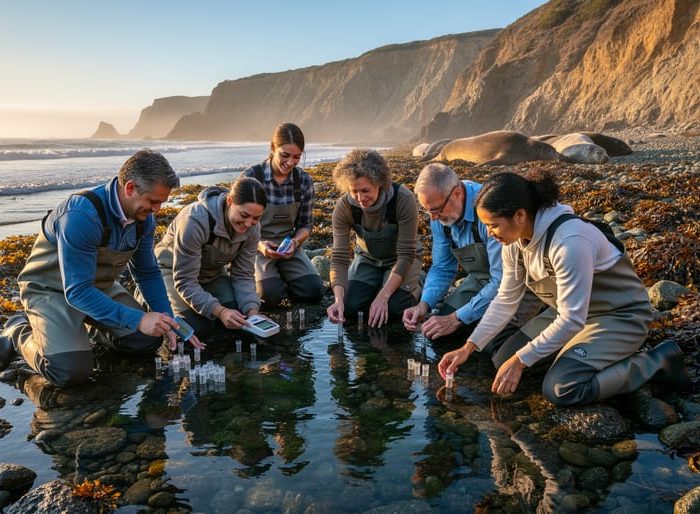
Along the rugged coastline of West Marin, where elephant seals haul out on protected beaches and tidepools teem with ochre stars and...
Learn More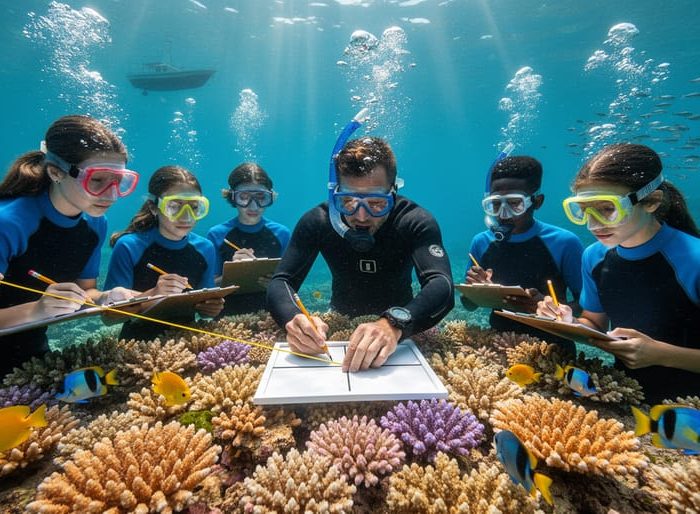
Every summer, thousands of young people trade their screens for snorkel masks, transforming from curious students into emerging marine scientists who will...
Learn More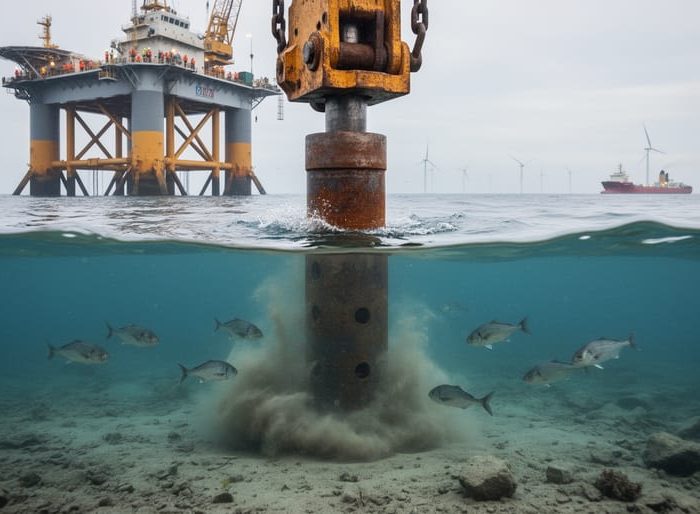
Massive steel monopiles weighing up to 1,500 tons pierce the seafloor with hydraulic hammers generating underwater noise levels exceeding 200 decibels—loud enough...
Learn More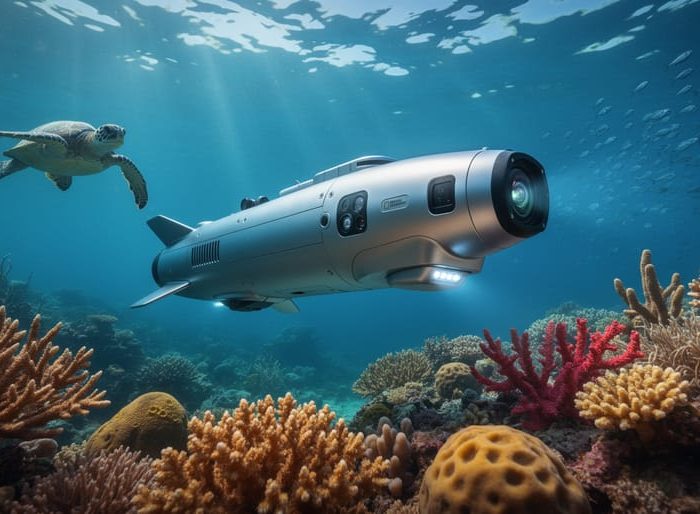
Beneath the ocean’s surface, a quiet revolution is underway. Artificial intelligence now analyzes thousands of underwater images in minutes—a task that once...
Learn More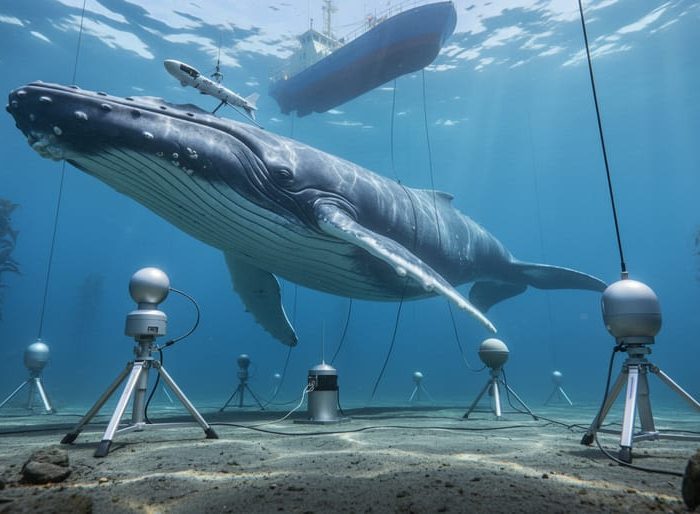
Beneath the ocean’s surface, where GPS signals cannot penetrate, scientists track everything from migrating whales to autonomous underwater vehicles using sound waves...
Learn More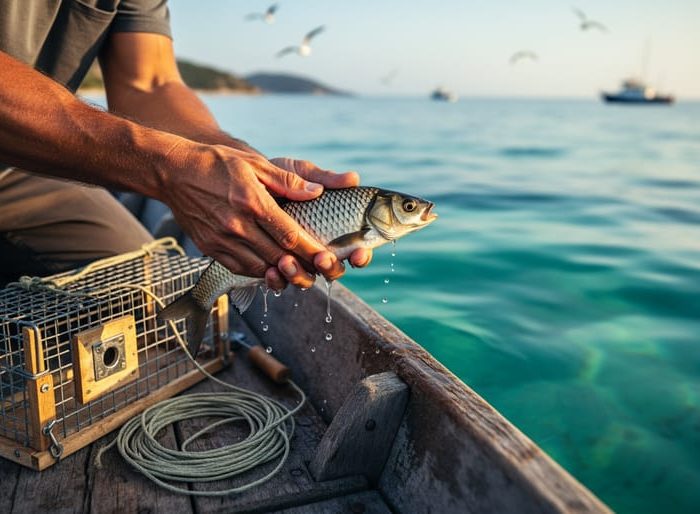
Our oceans stand at a crossroads. Industrial fishing practices have pushed marine ecosystems to their breaking point, with nearly 90% of global...
Learn More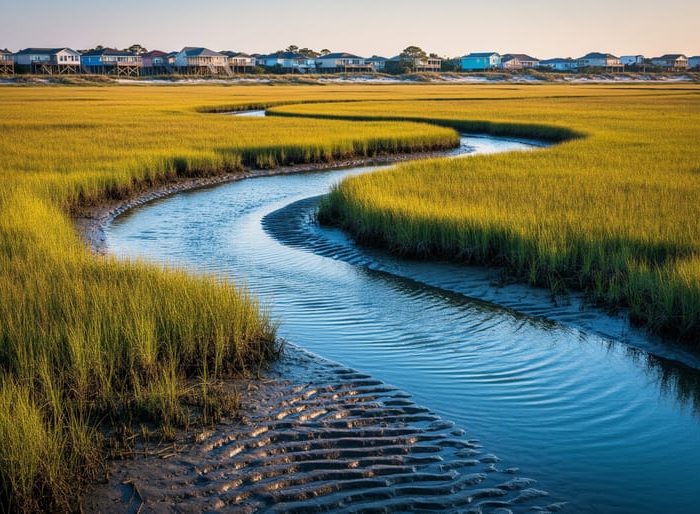
Where land meets sea, coastal salt marshes stand as nature’s unsung guardians—ribbons of cordgrass and sedge that shimmer gold in autumn light,...
Learn More