Marine Biodiversity Science Center


When storms rage across open waters, an anchor becomes more than just a piece of maritime equipment – it transforms into a lifeline between vessel and survival. This ancient technology, dating back thousands of years, continues to serve as one of the most critical safety devices in modern seafaring. While its primary purpose remains steadfast – securing vessels against the relentless forces of wind and waves – today’s anchoring systems must balance this crucial safety role with growing environmental concerns about seafloor protection.
Like a hand grasping firmly into the seabed, an anchor provides the stability needed when nature unleashes its full fury. During storms, this connection to the ocean floor prevents vessels from drifting into dangerous situations, reduces the risk of collision with other boats or obstacles, and allows crews to maintain position while waiting for conditions to improve. However, this vital function comes with responsibility – modern mariners must understand not only how to deploy anchors effectively during emergencies but also how to minimize their impact on delicate marine ecosystems.
Through centuries of maritime experience and recent technological advances, we’ve learned that an anchor’s true purpose extends beyond mere holding power. It represents humanity’s ongoing challenge to navigate the delicate balance between safety at sea and environmental stewardship.
The Dual Nature of Ship Anchoring
Safety First: Why Ships Need Anchors
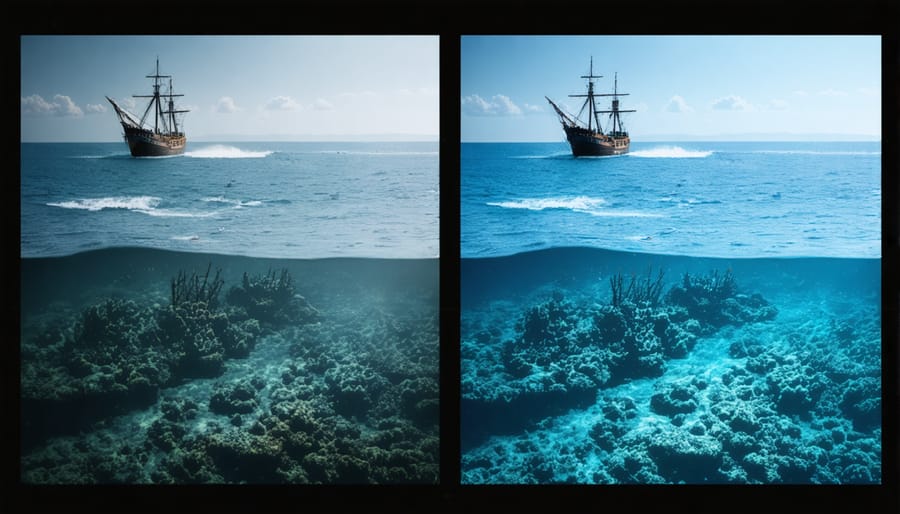
During severe storms, a ship’s anchor serves as a crucial safety device that can mean the difference between survival and disaster. When faced with challenging weather conditions, dropping anchor allows vessels to maintain a relatively stable position and resist being pushed toward dangerous shorelines or shallow waters. The anchor works by digging into the seabed, creating a strong hold that helps prevent the ship from drifting with storm surges and powerful winds.
Marine experts emphasize that proper anchoring technique during storms is essential. Ships typically deploy more anchor chain than usual in stormy conditions, often using a scope ratio of 7:1 or greater (the ratio between the length of chain deployed and the water depth). This additional chain length helps absorb shock loads from waves and provides better holding power.
However, anchoring isn’t always the safest option. In some cases, especially in deep water or when there’s insufficient time to secure proper holding, vessels may choose to weather the storm by slowly steaming into the waves. This decision requires careful assessment of weather conditions, vessel capabilities, and crew safety considerations. Experienced captains maintain that having multiple contingency plans, including both anchoring strategies and alternative navigation options, is crucial for maritime safety during severe weather.
The Hidden Cost: Impact on Marine Life
While anchors provide crucial safety during storms, their deployment comes with significant environmental consequences. Studies have shown that damage from anchor drops can devastate delicate marine ecosystems, particularly coral reefs and seagrass meadows that take decades to recover.
When an anchor impacts the seafloor, it can crush or uproot vital habitats that serve as nurseries for countless marine species. Coral colonies, some centuries old, can be destroyed in moments, while seagrass beds – essential for dugongs, sea turtles, and juvenile fish – can be torn apart by chain drag.
Marine biologist Dr. Sarah Chen notes that a single anchoring event can damage up to 50 square meters of seafloor habitat. “We’ve observed areas where repeated anchoring has created underwater deserts,” she explains, “devastating local biodiversity and disrupting essential ecosystem services.”
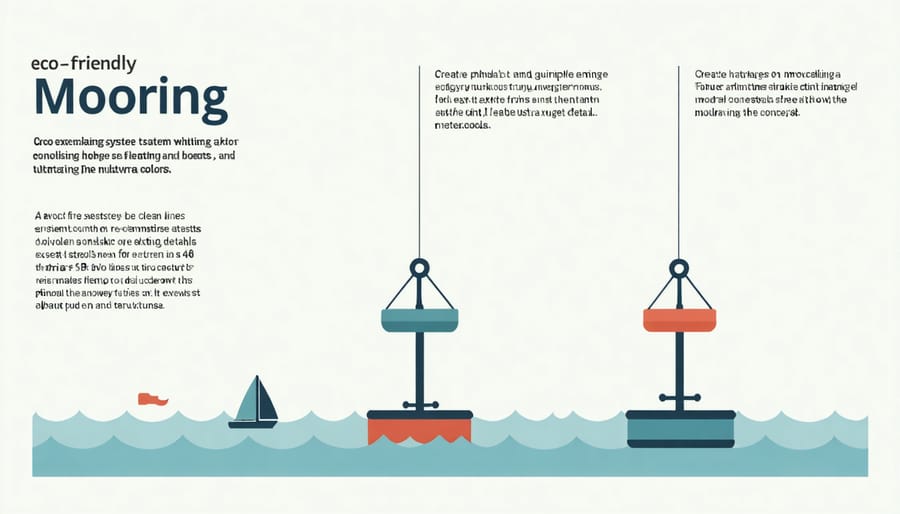
The good news is that innovative solutions are emerging. Modern vessels increasingly use dynamic positioning systems or eco-friendly mooring buoys in sensitive areas. These alternatives demonstrate that we can balance maritime safety with marine conservation, protecting both vessels and valuable underwater ecosystems.
Mapping the Damage
Physical Destruction of Coral Reefs
The impact of anchors on coral reef systems represents one of the most direct forms of physical damage to these vital coastal ecosystems. When ships drop anchors in reef areas, the heavy metal structures and their chains can create devastating paths of destruction, crushing centuries of coral growth in mere moments. A single anchor drop can destroy several square meters of reef structure, while dragging chains can cause even more extensive damage as they sweep across the seafloor.
Studies conducted by marine biologists have documented that popular anchoring sites often show up to 30% more coral damage compared to adjacent areas. The destruction isn’t limited to the initial impact; broken coral fragments become vulnerable to disease and algal overgrowth, leading to cascading effects throughout the reef ecosystem.
The physical damage is particularly concerning because coral reefs grow extremely slowly, with many species adding just a few centimeters per year. This means that areas damaged by anchors may take decades or even centuries to recover fully, if they recover at all. The destruction often affects not just the coral itself but also the countless species that depend on these structures for shelter, feeding, and breeding grounds.
Marine scientists have observed that repeated anchoring in the same location can eventually transform thriving reef systems into barren underwater landscapes, dramatically reducing biodiversity and ecosystem resilience.
Seagrass Bed Disruption
When ships anchor during storms, their impact on seagrass beds can be particularly devastating. These underwater meadows, which provide crucial habitat for numerous marine species and act as natural carbon sinks, are especially vulnerable to the scouring and uprooting caused by dragging anchors and chains. A single anchoring event can destroy decades of seagrass growth, creating bare patches that may take years to recover.
Marine biologists have documented how anchor damage disrupts entire ecosystems. Seagrass beds serve as nurseries for juvenile fish, feeding grounds for dugongs and sea turtles, and shelter for countless invertebrates. When these beds are damaged, the effects ripple throughout the marine food web. Studies show that damaged areas experience up to an 80% reduction in marine biodiversity compared to intact seagrass meadows.
The problem is compounded during storms when ships may drag their anchors across larger areas, creating extensive “anchor scars” in seagrass communities. These scars not only destroy the immediate vegetation but also destabilize the seafloor, making it difficult for seagrass to recolonize the area.
Fortunately, innovative solutions are emerging. Some ports now designate specific anchoring zones away from sensitive seagrass areas, while others install environmentally friendly mooring systems. Marine protected areas increasingly include regulations for anchor placement, helping preserve these vital underwater gardens for future generations.

Sustainable Solutions
Eco-Friendly Anchoring Systems
Recent innovations in anchoring technology have revolutionized how vessels can maintain safety during storms while protecting delicate marine ecosystems. Modern eco-friendly anchoring systems incorporate biodegradable materials and smart designs that minimize impact on seafloor habitats.
One significant advancement is the development of helical screw anchors, which create a smaller footprint compared to traditional anchors. These systems work by drilling into the seabed rather than dragging across it, reducing damage to coral reefs and seagrass beds. Marine biologist Dr. Sarah Chen notes, “We’ve observed up to 80% less destruction of benthic communities where helical anchors are used.”
Floating anchor systems represent another innovative solution. These systems use a combination of buoys and elastic lines to absorb wave energy while keeping the anchor suspended above sensitive marine habitats. This technology has proven particularly effective in areas with abundant coral growth.
The maritime industry has also embraced electronic anchoring systems that use GPS and dynamic positioning to maintain a vessel’s location without physical anchoring. While these systems require more energy, they eliminate direct contact with the seafloor entirely.
Conservation-minded boaters are increasingly adopting temporary moorings with biodegradable components. These systems include anchor bags filled with sand that naturally disperse over time and eco-friendly anchor lines made from hemp or other sustainable materials.
Implementation of these technologies has shown promising results. A 2022 study in the Great Barrier Reef demonstrated that areas utilizing eco-friendly anchoring systems showed 65% better preservation of marine biodiversity compared to zones with traditional anchoring methods.
By choosing these environmentally conscious options, vessel operators can ensure both their safety during storms and the protection of vital marine ecosystems for future generations.
Designated Anchoring Zones
The establishment of designated anchoring zones represents a crucial balance between maritime safety and marine ecosystem protection. These carefully selected areas are chosen through comprehensive environmental assessments and adaptive management strategies that consider both vessel requirements and ecological sensitivity.
Protected anchoring zones typically feature sandy or muddy bottoms where anchor damage is minimized, avoiding critical habitats such as coral reefs, seagrass beds, and other sensitive marine environments. These zones are marked by clear navigational buoys and are included in maritime charts, making them easily accessible to vessels seeking shelter during storms.
Marine biologists and conservation teams regularly monitor these areas to assess their environmental impact and resilience. Dr. Sarah Martinez, a leading marine ecologist, notes that well-planned anchoring zones have shown remarkable success in reducing habitat destruction while providing safe harbor for vessels during adverse weather conditions.
Key features of designated anchoring zones include:
– Adequate depth for various vessel sizes
– Protection from prevailing storm directions
– Bottom composition suitable for secure anchoring
– Buffer zones to prevent chain drag damage
– Regular environmental monitoring protocols
Many coastal regions have implemented rotating zone systems, allowing certain areas to recover while others remain active. This approach has proven particularly effective in high-traffic regions where multiple vessels may need to anchor simultaneously during storm events.
Local maritime authorities work closely with environmental agencies to maintain these zones, ensuring they remain both safe for vessels and environmentally sustainable. Regular updates to zone designations reflect changing weather patterns and evolving understanding of marine ecosystem dynamics.
Marine Conservation Initiatives
Recent years have seen a significant expansion of marine conservation efforts aimed at protecting sensitive underwater ecosystems from anchor damage. The establishment of Marine Protected Areas (MPAs) has been instrumental in safeguarding coral reefs, seagrass beds, and other vital marine habitats. These designated zones often implement strict anchoring regulations, including the installation of permanent mooring buoys that eliminate the need for vessels to drop anchor.
The Eco-Mooring System Initiative, launched in 2018, has successfully installed over 500 environmentally friendly moorings across popular diving and fishing sites. These systems use innovative helical anchors that minimize seabed disruption while providing secure holding power for vessels up to 100 feet in length.
Several coastal nations have implemented “No Anchor Zones” in particularly vulnerable areas, supported by educational programs that teach boaters about alternative mooring methods. The Blue Flag Marina program has been particularly successful, certifying facilities that maintain high environmental standards and provide adequate mooring facilities.
Volunteer-led initiatives, such as the Anchor Watch program, engage local communities in monitoring and reporting anchor damage. Marine biologists working with these programs have documented significant recovery in protected areas, with some sites showing up to 60% improvement in coral cover within just three years of implementing protective measures.
These conservation strategies demonstrate how technological innovation and community engagement can effectively balance maritime safety with environmental protection.
As we reflect on the dual nature of anchors in marine environments, it becomes clear that balancing maritime safety with ecosystem protection is not just possible but essential. The traditional role of anchors as life-saving devices during storms remains undisputed, yet our growing understanding of marine ecosystems demands innovative solutions that protect both human life and ocean biodiversity.
The future of responsible anchoring lies in the integration of new technologies, such as eco-friendly anchor designs and digital mapping systems that help vessels avoid sensitive marine areas. These advancements, combined with increased awareness and education among maritime professionals and recreational boaters, demonstrate that safety and conservation can coexist harmoniously.
Community-driven initiatives, including volunteer reef monitoring programs and citizen science projects, have shown remarkable success in identifying and protecting vulnerable marine habitats while maintaining safe anchoring zones. Marine biologists report encouraging signs of ecosystem recovery in areas where these balanced approaches have been implemented.
Looking ahead, the continued collaboration between maritime experts, environmental scientists, and local communities will be crucial in developing and implementing sustainable anchoring practices. By embracing this holistic approach, we can ensure the safety of vessels during storms while preserving the delicate balance of marine ecosystems for future generations.
The story of anchors in storms reminds us that human safety and environmental protection need not be competing interests but can instead be complementary goals achieved through innovation, education, and shared responsibility.

jessica
Ava Singh is an environmental writer and marine sustainability advocate with a deep commitment to protecting the world's oceans and coastal communities. With a background in environmental policy and a passion for storytelling, Ava brings complex topics to life through clear, engaging content that educates and empowers readers. At the Marine Biodiversity & Sustainability Learning Center, Ava focuses on sharing impactful stories about community engagement, policy innovations, and conservation strategies. Her writing bridges the gap between science and the public, encouraging people to take part in preserving marine biodiversity. When she’s not writing, Ava collaborates with local initiatives to promote eco-conscious living and sustainable development, ensuring her work makes a difference both on the page and in the real world.