Marine Biodiversity Science Center

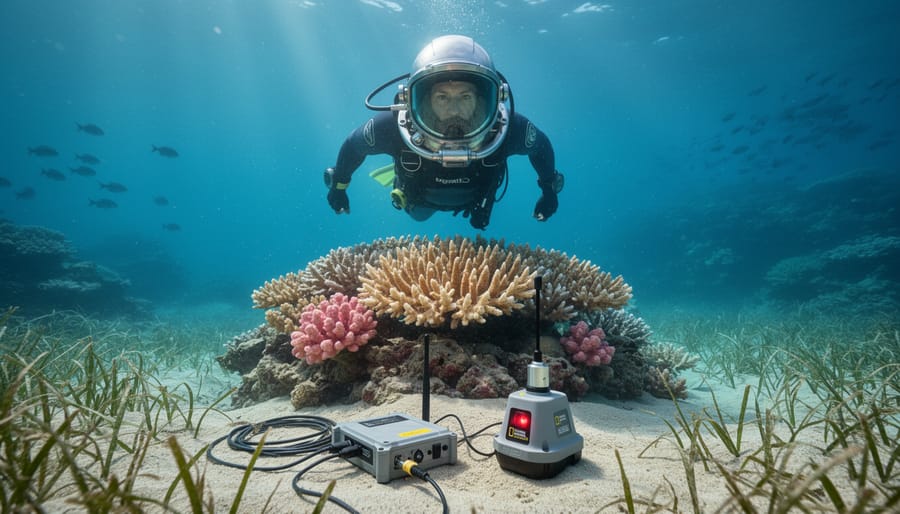
The most urgent fix for declining marine ecosystems is stopping nutrient pollution and overfishing at the source, but effective protection starts with knowing what’s breaking down and where. Satellite monitoring, underwater sensors, and acoustic tracking now give conservationists a real-time diagnostic toolkit to pinpoint habitat destruction, detect illegal fishing, and measure pollution spikes before entire food webs collapse.
Marine ecosystems generate half the oxygen we breathe, absorb a quarter of our carbon emissions, and feed more than three billion people. When coral reefs bleach, seagrass beds vanish, or fish populations crash, the consequences ripple far beyond coastal communities. Ocean acidification, rising temperatures, and plastic contamination are accelerating damage faster than natural recovery can keep pace. Without intervention, we risk losing biodiversity hotspots that took millennia to build and mere decades to destroy.
This troubleshooting guide walks you through the warning signs of ecosystem decline, the root causes driving degradation, and the step-by-step conservation strategies that technology and community action make possible in 2026. You’ll learn how marine biologists diagnose problems in the field, which monitoring tools deliver the clearest picture of ocean health, and how everyday citizens can contribute through volunteer programs that collect data and restore habitats. Protection isn’t abstract policy work. It’s measurable, science-backed problem-solving that anyone can join, and the window to act is narrowing with each passing year.
Recognizing the Warning Signs: How We Know Marine Ecosystems Are in Trouble
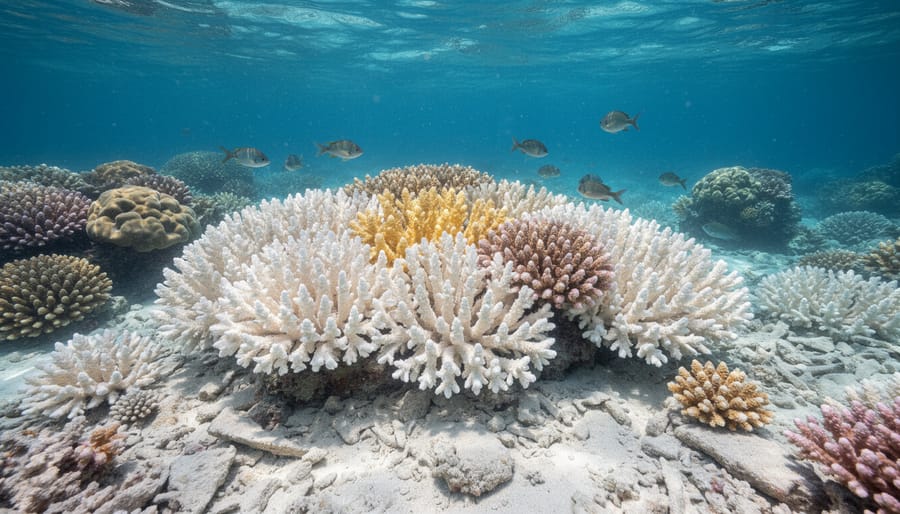
Marine ecosystems don’t collapse overnight. They send distress signals long before catastrophic failure, and learning to recognize these warnings is the first step toward effective protection. Just as a physician triages symptoms to diagnose illness, marine scientists use monitoring technologies to detect early indicators of ecosystem decline, often before damage becomes irreversible.
The most visible symptom is coral bleaching. When ocean temperatures rise even slightly above normal seasonal highs, corals bleach with heat expelling the symbiotic algae that give them color and energy. Satellite sea surface temperature monitoring now allows scientists to predict bleaching events weeks in advance, triggering rapid assessment dives to document severity and identify resilient reef patches worth protecting.
Population crashes offer another critical warning. When monitoring data shows sudden declines in keystone species, sea otters, parrotfish, sea urchins, it signals that the ecosystem’s balance has shifted. Acoustic sensors deployed across the seafloor can detect changes in fish abundance through sound patterns, while environmental DNA sampling from water samples reveals which species are present and at what abundance, catching population declines that visual surveys might miss.
Physical habitat loss is equally telling. Seagrass meadows shrinking in area, mangrove forests retreating, kelp forests thinning, these changes show up clearly in repeated drone surveys and satellite imagery comparisons over time. Autonomous underwater vehicles equipped with imaging systems can map benthic habitats at scales impossible for human divers, creating before-and-after records that document degradation.
Additional warning signs monitored through technology include:
- Rising ocean acidity levels detected by pH sensor networks, indicating carbonate chemistry changes that weaken shells and skeletons
- Shifts in species composition, with opportunistic species replacing specialized ones, tracked through visual surveys and genetic monitoring
- Declining water clarity from algal blooms or sediment runoff, measured by optical sensors and satellite ocean color data
- Changes in seasonal timing of migrations, spawning events, and plankton blooms captured by long-term observation programs
- Presence of marine debris and microplastics quantified through trawl surveys and beach monitoring protocols
These symptoms rarely appear in isolation. Monitoring networks reveal how they compound: acidification stresses corals already weakened by heat, making them vulnerable to disease outbreaks detected through visual health surveys. Understanding these warning signs transforms abstract concern into concrete diagnosis, making protection strategies possible.
Why Marine Ecosystems Fail: Understanding the Root Causes
Marine ecosystems don’t collapse from a single blow, they unravel under layers of compounding stress, each threat tightening the spiral until resilience breaks. Climate change acts as the underlying accelerant, warming waters that bleach coral reefs, shifting fish distributions poleward, and intensifying storms that physically damage habitats. Ocean acidification, driven by absorbed atmospheric carbon dioxide, weakens the shells of mollusks and the skeletal structures of corals, undermining entire food webs from the foundation. Rising sea temperatures alone can trigger mass mortality events, but when combined with other pressures, they push systems past critical thresholds from which recovery becomes nearly impossible.
Overfishing strips ecosystems of their structural integrity. Removing apex predators like sharks disrupts trophic cascades, allowing prey populations to explode and overgraze lower levels. Bottom trawling for shrimp and groundfish physically destroys seafloor habitats that took centuries to develop, leaving barren scars where complex communities once thrived. Industrial fishing fleets equipped with sonar and GPS can now target previously inaccessible populations, collapsing stocks faster than scientists can assess them. The scale has outpaced natural replenishment rates by orders of magnitude.
- Pollution (Chemical and Plastic)
- Runoff from agriculture introduces excess nutrients that trigger algal blooms, creating oxygen-depleted dead zones where marine life suffocates. Microplastics accumulate in tissues across the food chain, causing physical harm and introducing toxic compounds that impair reproduction and immune function.
- Habitat Destruction
- Coastal development eliminates mangroves, seagrass beds, and salt marshes that serve as nurseries for juvenile fish and buffers against storms. Dredging and land reclamation physically remove habitat while increasing sediment loads that smother benthic communities.
- Invasive Species
- Non-native organisms introduced through ballast water or aquarium releases outcompete native species, alter predator-prey dynamics, and can restructure entire ecosystems. Lionfish in the Caribbean and European green crabs along North American coasts demonstrate how invaders exploit ecosystems already weakened by other stresses.
The threats amplify each other in ways that make prediction difficult. Warming waters stressed by pollution become more susceptible to disease outbreaks. Overfished reefs lose herbivores that would otherwise control algae smothering heat-bleached coral. Monitoring technologies become essential because climate interacts with threats in region-specific patterns, acoustic sensors detect the absence of snapping shrimp (indicating reef degradation), satellite imagery tracks harmful algal blooms spreading from agricultural zones, and eDNA sampling reveals which invasive species have established before they’re visibly dominant. By identifying which stressors dominate in a given area, we can prioritize interventions where they’ll have the greatest protective effect.
The Critical Role of Marine Ecosystems: What We Stand to Lose
Marine ecosystems are the planet’s life support system, and their value extends far beyond what we can see from shore. The oceans generate more than half of the oxygen we breathe through photosynthesis by phytoplankton, microscopic organisms that form the foundation of marine food webs. Without healthy populations of these primary producers, atmospheric oxygen levels would plummet.
These underwater landscapes also regulate Earth’s climate by absorbing roughly 30% of human-generated carbon dioxide and storing vast quantities of carbon in marine sediments and vegetation. Coastal habitats like mangroves, seagrasses, and salt marshes are particularly efficient carbon sinks, sequestering carbon at rates up to 40 times faster than terrestrial forests. When we destroy these ecosystems, we don’t just lose their storage capacity, we release centuries of stored carbon back into the atmosphere.
Food security depends directly on ocean health. Over three billion people rely on seafood as their primary protein source, and marine fisheries support the livelihoods of more than 200 million people worldwide. Healthy reefs, kelp forests, and estuaries serve as nurseries for commercially important fish species, while also protecting coastlines from storm surge and erosion, a service valued at billions annually in prevented damage.
The economic value of marine ecosystems extends to tourism, recreation, and pharmaceutical discoveries derived from marine organisms. When we frame the question as “what can we afford to lose,” the answer becomes clear: nothing. These are not optional luxuries but fundamental requirements for a functioning planet.
How Monitoring Technologies Enable Protection: A Step-by-Step Approach
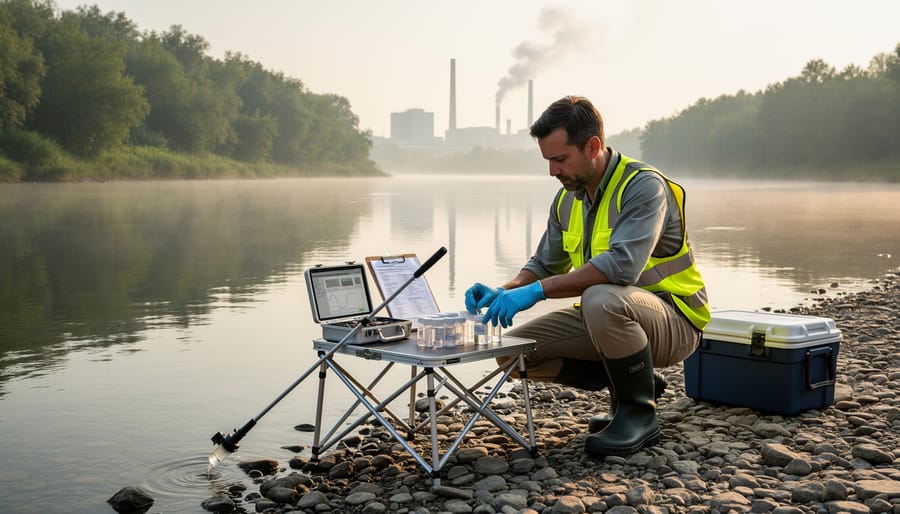
Step 1: Detection and Assessment
Detection begins with establishing what healthy looks like. Technologies such as satellite sensors, underwater cameras, and acoustic recorders gather baseline data on species populations, habitat extent, water quality, and ecosystem structure before problems emerge. These marine monitoring systems create reference points against which future changes are measured, revealing when conditions shift from normal to concerning. Automated image recognition identifies species in photos captured by submersibles, while DNA analysis of water samples detects presence of rare or invasive organisms. Sensor arrays track temperature, salinity, pH, and dissolved oxygen continuously, flagging anomalies that signal stress. This initial assessment phase transforms vast oceans into observable systems where threats become visible rather than hidden, giving conservationists the information needed to prioritize action.
Step 2: Real-Time Monitoring and Early Warning
Once hazards are detected, continuous monitoring systems shift into active surveillance mode. Networks of tiny ocean sensors transmit real-time data on temperature spikes, oxygen depletion, pollution events, and pH changes. When readings cross critical thresholds, automated alert systems notify conservation teams within minutes. Satellite systems can detect harmful algal blooms as they develop, while acoustic arrays track marine mammal distress signals or sudden shifts in migration patterns. Underwater drones patrol protected areas, immediately flagging illegal fishing activity or vessel strikes. This constant vigilance creates a protective net around vulnerable ecosystems, compressing response time from weeks to hours and enabling interventions before damage becomes irreversible.
Step 3: Data-Driven Conservation Planning
The power of monitoring technologies lies not in data collection alone, but in translating observations into targeted conservation strategies. When acoustic sensors reveal that specific underwater canyons serve as critical nursery grounds for endangered fish species, managers can designate those areas as no-take zones during breeding seasons. Satellite tracking showing sea turtle migration corridors allows placement of marine protected areas where they’ll do the most good, rather than guessing at boundaries based on historical assumptions.
Advanced analytics now identify patterns invisible to individual observers, for instance, machine learning algorithms processing years of survey data can pinpoint which reef restoration sites have the highest probability of success based on current and temperature trends. Conservation budgets are finite; data-driven prioritization ensures limited resources flow to interventions with measurable impact. Field teams use real-time dashboards to adjust patrols, enforcement follows illegal fishing hotspots identified through vessel tracking systems, and habitat restoration projects select locations where monitoring indicates natural recovery capacity remains strong enough to support replanting efforts.
Step 4: Measuring Success and Adaptive Management
The real test of any conservation strategy is whether the ecosystem actually recovers, and monitoring technologies provide the evidence we need to answer that question honestly.
Satellite imagery tracks the expansion of restored seagrass meadows month by month, revealing whether transplantation efforts are taking hold or failing. Acoustic sensors document returning fish populations in newly established marine protected areas, with increasing bio-acoustic diversity signaling ecosystem recovery. eDNA sampling confirms the reappearance of indicator species that had vanished from degraded habitats.
When recovery stalls or unexpected patterns emerge, adaptive management kicks in. If coral restoration shows poor survival rates in certain zones, thermal sensors may reveal microclimates unsuitable for the chosen species, prompting strategists to adjust transplant locations or select more heat-tolerant varieties. When fish populations don’t rebound as predicted, acoustic and video monitoring might expose previously undetected illegal fishing or reveal that larvae aren’t settling due to continued habitat degradation nearby.
This feedback loop, measure, evaluate, adjust, measure again, transforms conservation from hopeful intervention into evidence-based science. Every monitoring cycle refines our understanding and improves outcomes, building toward genuinely resilient marine ecosystems.
Monitoring Technologies Transforming Marine Conservation
The arsenal of monitoring technologies deployed across the world’s oceans has evolved dramatically, transforming how we understand and protect marine ecosystems. From surface sensors to deep-sea instruments, these tools provide the continuous, large-scale data that traditional methods could never achieve.
Satellite remote sensing leads this technological revolution, tracking ocean temperature, chlorophyll concentrations, sea level changes, and even oil spills from space. These systems monitor entire ocean basins simultaneously, identifying patterns invisible to ground-based observers. The European Space Agency’s Sentinel satellites, for example, detected unprecedented coral bleaching events across the Pacific in 2024, triggering emergency protection measures that saved several reef systems from total collapse.
| Technology Type | Primary Detection Capability | Monitoring Scale | Key Conservation Application |
|---|---|---|---|
| Satellite Remote Sensing | Temperature, chlorophyll, sea level, surface conditions | Global, daily to weekly updates | Early warning for bleaching events, illegal fishing detection |
| Autonomous Underwater Vehicles (AUVs) | Habitat mapping, water chemistry, species counts | Localized, continuous multi-day missions | Deep-sea ecosystem assessment, MPA monitoring |
| Environmental DNA (eDNA) Sampling | Species presence, biodiversity composition, population genetics | Site-specific, snapshot assessments | Invasive species detection, rare species monitoring |
| Acoustic Monitoring Arrays | Marine mammal vocalizations, fish spawning, vessel traffic | Regional networks, real-time | Migration tracking, shipping lane management, noise pollution assessment |
| Fixed Sensor Networks | pH, dissolved oxygen, nutrients, temperature | Continuous site monitoring | Acidification tracking, dead zone detection, pollution source identification |
Beyond satellites, underwater robots now conduct surveys that would take human divers months to complete. These autonomous vehicles navigate complex terrain, collecting high-resolution imagery and water samples while documenting species previously unknown to science. Dr. Elena Martinez, who operates AUV missions off British Columbia, describes the impact: “We discovered three new sponge species and mapped critical rockfish habitat in areas too deep and dangerous for traditional surveys. That data directly informed new MPA boundaries that protect twice the area we originally proposed.”
Environmental DNA technology has proven particularly transformative for monitoring elusive or endangered species. A single water sample can reveal which fish, mammals, and invertebrates recently passed through an area, detecting populations long before visual surveys would spot them. Conservation teams in the Mediterranean used eDNA to confirm that monk seals had returned to formerly abandoned coastal caves, enabling targeted protection before the animals were disturbed.
Acoustic monitoring arrays track everything from whale migration routes to the sounds of healthy coral reefs. These underwater microphones operate continuously, building massive datasets that reveal seasonal patterns, document ship strikes before they happen, and even measure ecosystem recovery through the return of biological sounds to once-silent areas.
Prevention Strategies: Building Long-Term Ecosystem Resilience
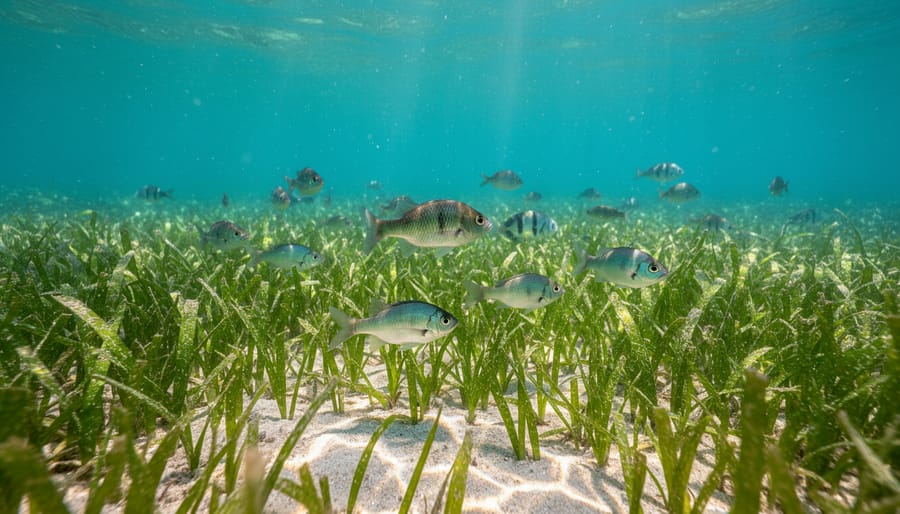
Long-term protection of marine ecosystems requires shifting from reactive crisis management to proactive prevention strategies grounded in continuous monitoring data. The most effective approach combines spatial protection, sustainable resource use, pollution control, and climate adaptation, all informed by the real-time insights monitoring technologies provide.
Marine Protected Areas (MPAs) remain our most powerful prevention tool when designed and managed with monitoring data. Satellite tracking, acoustic sensors, and underwater surveys help identify critical habitats, migration corridors, and biodiversity hotspots that warrant protection. Rather than arbitrary boundaries, modern MPAs are strategically placed where monitoring shows they’ll deliver maximum conservation benefit, protecting spawning grounds, nursery areas, and climate refugia where species can withstand warming waters.
Sustainable fishing practices prevent ecosystem collapse before it begins. Ecosystem-based fisheries management uses monitoring data to set catch limits that account for entire food webs, not just target species. Vessel tracking systems, electronic monitoring on boats, and eDNA sampling reveal fishing pressure in real time, allowing managers to close areas temporarily when data shows populations stressed. This data-driven approach prevents overfishing before stocks crash.
Pollution prevention strategies now target sources before contaminants reach the ocean. Sensor networks in rivers and coastal zones detect nutrient runoff, plastics, and chemical pollutants, triggering upstream interventions. Monitoring plastic accumulation zones helps policymakers understand which waste management improvements deliver the greatest marine protection.
Climate adaptation strategies rely on monitoring to identify which ecosystems show natural resilience. Data on coral heat tolerance, seagrass carbon storage capacity, and mangrove storm protection informs decisions about where to invest in conservation corridors and assisted migration programs. Prevention isn’t stopping climate change overnight, it’s using monitoring insights to protect ecosystems most likely to survive and serve as sources for recovery elsewhere.
How You Can Help: Volunteer Opportunities and Citizen Science
The Marine Biodiversity Science Center offers multiple pathways for you to contribute directly to marine ecosystem protection, regardless of your scientific background. Our citizen science programs transform volunteers into valuable data collectors whose observations feed into the same monitoring networks that inform regional conservation policies.
Beach monitoring programs are our most accessible entry point. Volunteers conduct monthly surveys documenting species presence, tracking plastic pollution, and recording water quality parameters using simple field kits. These ground-level observations complement satellite data and help scientists detect changes satellite imagery might miss, especially in nearshore habitats where most biodiversity thrives.
For those comfortable in water, our snorkeling survey teams document reef health, fish populations, and invertebrate communities. We provide training on standardized protocols ensuring your data meets research standards. Last summer, volunteer divers in our Pacific Northwest program identified a previously unrecorded kelp die-off three weeks before autonomous sensors detected the temperature anomaly causing it.
Remote participants contribute through photo identification projects, helping researchers track individual whales, dolphins, and sea turtles from images captured worldwide. Our eDNA sample collection program trains volunteers to gather water samples during recreational activities, the DNA extracted reveals which species inhabit an area without requiring direct observation.
All volunteer data integrates into our central monitoring database, becoming part of long-term datasets scientists use to track ecosystem trends and evaluate protection strategies. You’re not just helping, you’re becoming part of the solution.
Common Questions About Marine Ecosystem Protection
Marine ecosystem protection raises important questions for anyone concerned about ocean health. Here are answers to the most common queries we receive.
How quickly do marine ecosystems recover once protection measures are in place?
Recovery timelines vary dramatically by ecosystem type and damage severity. Coral reefs may take decades to recover from bleaching events, while fish populations in well-enforced marine protected areas often show measurable improvement within 5-10 years. Monitoring technologies allow us to track these recovery trajectories and adjust management strategies when progress stalls.
Can monitoring technologies really make a difference at the scale of ocean problems?
Yes, because they multiply our surveillance capacity exponentially. A single autonomous underwater vehicle can survey areas that would take research vessels months to cover, while satellite systems monitor entire ocean basins simultaneously. This scale allows us to detect problems early and target interventions where they’ll have the greatest impact.
What can one person realistically do to help protect marine ecosystems?
Individual actions create collective impact. Participating in citizen science programs contributes valuable monitoring data, reducing single-use plastics decreases ocean pollution, and supporting sustainable seafood choices reduces pressure on wild populations. Every data point submitted through volunteer monitoring programs strengthens the scientific foundation for conservation decisions.
Are current marine protection efforts actually working?
Evidence shows mixed results, but technology-supported initiatives demonstrate clear success. Marine protected areas with robust monitoring and enforcement have shown species recovery and ecosystem resilience gains. The challenge isn’t whether protection works, it’s scaling proven approaches faster and ensuring adequate resources for long-term monitoring that validates conservation investments.
These questions reflect genuine concerns about ocean conservation effectiveness. The integration of monitoring technologies with traditional protection measures has fundamentally changed our ability to demonstrate results and refine approaches. When communities see data showing fish populations rebounding or water quality improving, support for continued protection strengthens. This feedback loop between monitoring and public engagement creates momentum for expanding successful programs.
The ocean’s future isn’t predetermined. While the symptoms of ecosystem decline we’ve examined are real and urgent, we now possess unprecedented tools to understand, respond to, and reverse these trends. Monitoring technologies have fundamentally changed the equation, transforming marine conservation from reactive damage control into proactive, data-driven ecosystem stewardship.
Every satellite image revealing coral stress, every acoustic sensor tracking whale populations, every eDNA sample cataloging biodiversity gives us the knowledge we need to act effectively. These technologies don’t just document problems, they illuminate solutions, measure progress, and prove that targeted conservation efforts work. Protected areas recover. Fish populations rebound. Degraded habitats regenerate when we give them the chance.
The critical services marine ecosystems provide, oxygen production, climate regulation, food security, coastal protection, aren’t luxuries we can defer protecting until more convenient circumstances arise. They’re foundational to human survival and prosperity right now. But protection at the scale required can’t rest on government action alone. It demands participation from researchers, communities, industries, and individuals working in concert.
Your involvement matters. Whether contributing to citizen science monitoring, supporting marine protected areas, or making informed seafood choices, individual actions aggregate into systemic change. The technologies exist. The science is clear. What remains is collective will, and there’s never been a more hopeful moment to channel that will into lasting ocean health.

jessica
Ava Singh is an environmental writer and marine sustainability advocate with a deep commitment to protecting the world's oceans and coastal communities. With a background in environmental policy and a passion for storytelling, Ava brings complex topics to life through clear, engaging content that educates and empowers readers. At the Marine Biodiversity & Sustainability Learning Center, Ava focuses on sharing impactful stories about community engagement, policy innovations, and conservation strategies. Her writing bridges the gap between science and the public, encouraging people to take part in preserving marine biodiversity. When she’s not writing, Ava collaborates with local initiatives to promote eco-conscious living and sustainable development, ensuring her work makes a difference both on the page and in the real world.