Marine Biodiversity Science Center

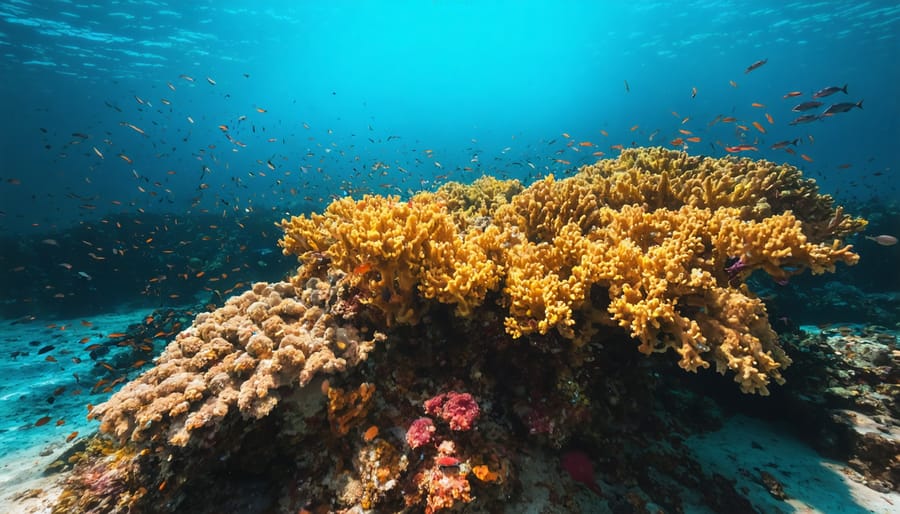
Beneath the surface of our oceans lies a devastating transformation that threatens one of Earth’s most vital ecosystems. Once vibrant coral reefs, teeming with marine life and bursting with color, are now succumbing to a lethal combination of plastic pollution, rising ocean temperatures, and human interference. These underwater rainforests, which support roughly 25% of all marine species, are showing alarming signs of distress – from widespread bleaching to toxic accumulation of microplastics in their skeletal structures.
Recent studies indicate that over 50% of the world’s coral reefs are already severely degraded, with plastic waste emerging as a particularly insidious threat. When healthy corals encounter plastic debris, their risk of disease skyrockets from 4% to a staggering 89%, according to research published in the journal Science. This crisis extends far beyond aesthetic damage, threatening global food security, coastal protection, and the livelihoods of over half a billion people who depend on reef ecosystems.
Yet, amid this sobering reality, marine scientists and conservationists are racing against time to understand, document, and combat these threats. Their work reveals not just the scope of the challenge we face, but also the remarkable resilience of coral ecosystems when given the chance to recover – offering a glimmer of hope for these endangered underwater cities.
How Plastic Waste Devastates Coral Reef Systems
Physical Damage and Entanglement
Physical damage from plastic debris poses a severe threat to coral reef structures through multiple mechanisms. When plastic items become entangled in coral formations, they can scratch, break, and tear the delicate coral tissue, leaving the organisms vulnerable to infection and disease. Large pieces of plastic debris, particularly fishing nets and lines, can wrap around coral colonies, effectively strangling them and preventing proper growth and feeding.
During storms and strong currents, floating plastic debris acts like battering rams against reef structures, causing devastating mechanical damage. Even smaller plastic fragments can become wedged between coral branches, creating abrasion points that gradually wear away at the coral’s protective outer layer. This physical damage is particularly concerning because injured corals require significant energy to heal, energy that could otherwise be used for growth and reproduction.
Marine biologist Dr. Sarah Chen, who has studied reef damage for over a decade, reports seeing entire coral colonies smothered by plastic sheets and bags. “The plastic prevents zooxanthellae from photosynthesizing and blocks polyps from capturing food,” she explains. “It’s like wrapping a plant in plastic and expecting it to thrive.”
Research shows that corals with physical damage from plastic entanglement are 20 times more likely to develop disease, creating a devastating cascade effect throughout the reef ecosystem. The combination of direct physical trauma and increased disease susceptibility makes plastic debris particularly lethal to coral reef health.
Disease Transmission and Chemical Leaching
Plastic debris on coral reefs creates a perfect storm for disease transmission and chemical contamination. Research shows that when plastic waste comes into contact with coral tissues, it increases the likelihood of disease outbreaks by up to 20 times. This occurs because plastics can physically damage the coral’s protective surface layer, creating entry points for pathogens.
As microplastics are destroying marine life, they also release harmful chemicals into the marine environment. These plastics act like sponges, absorbing and concentrating toxic substances such as PCBs, flame retardants, and pesticides from the surrounding water. When corals encounter these contaminated particles, they can absorb these chemicals, leading to disrupted growth patterns and compromised immune systems.
Studies have identified that even small amounts of plastic waste can trigger a cascade of negative effects. The chemicals leached from plastics can interfere with coral reproduction, alter their feeding behaviors, and disrupt the delicate symbiotic relationship between corals and their zooxanthellae algae. This disruption often leads to coral bleaching and increased susceptibility to diseases like black band disease and skeletal eroding band disease.
Marine biologists have observed that reefs near areas with high plastic pollution show significantly higher rates of disease prevalence compared to more pristine locations, highlighting the urgent need for improved waste management and plastic reduction initiatives.
Signs of an Unhealthy Coral Reef
Visual Indicators of Coral Stress
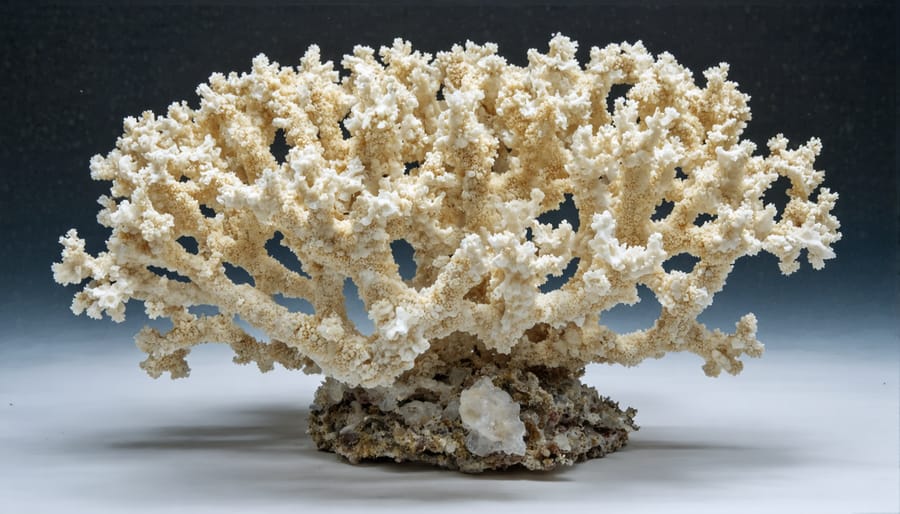
Coral reefs exhibit distinct visual cues when experiencing stress or decline, serving as early warning signals for reef health assessment. The most immediate and noticeable indicator is coral bleaching, where corals expel their symbiotic algae and turn stark white. While bleached corals aren’t necessarily dead, they are highly vulnerable to marine diseases and mortality if stress conditions persist.
Physical damage manifests through fragmentation, where coral branches appear broken or crushed. Healthy corals typically display vibrant colors and intricate structures, while stressed colonies may show signs of tissue recession, revealing bare white skeleton underneath. Dark spots or bands on coral surfaces often indicate disease progression or tissue death.
Another crucial indicator is the presence of algal overgrowth. When corals weaken, opportunistic algae can quickly colonize their surface, creating a fuzzy or slimy appearance. This phase shift from coral to algal dominance significantly impacts reef ecosystem health.
Changes in coral texture can also signal distress. Healthy corals feel firm and smooth, while stressed specimens might become soft or mushy to the touch. Some species may produce excessive mucus as a stress response, appearing covered in a transparent, slimy film.
Living coral polyps typically extend during feeding times, particularly at night. If polyps remain retracted during normal feeding periods, this could indicate environmental stress or poor water quality. Additionally, the presence of sediment accumulation on coral surfaces suggests reduced ability to clear debris, another sign of compromised health.
Ecosystem Disruption Signals
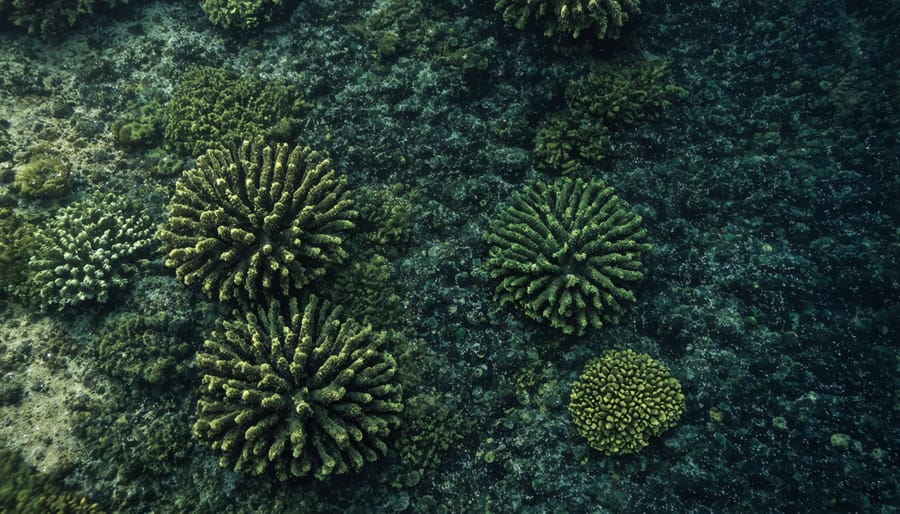
A healthy coral reef ecosystem maintains a delicate balance among thousands of species, from tiny zooplankton to large predatory fish. When this balance is disrupted, several key indicators emerge that signal reef decline. One of the most visible signs is the sudden decrease in fish populations, particularly herbivorous species like parrotfish and surgeonfish that help control algae growth.
Marine biologists have observed dramatic shifts in species composition, where opportunistic organisms like crown-of-thorns starfish become overly abundant. These organisms can quickly overwhelm weakened coral colonies, leading to cascading effects throughout the ecosystem. Dr. Sarah Chen, a coral reef ecologist, notes, “When we see unusual aggregations of certain species while others disappear, it’s like watching the reef’s immune system breaking down.”
Changes in coral-associated organisms provide early warning signs of reef stress. The absence of cleaner shrimp stations, where fish regularly gather to have parasites removed, indicates disruption in symbiotic relationships. Similarly, the disappearance of sea urchins can lead to unchecked algal growth that smothers coral polyps.
The reef’s soundscape also changes dramatically. Healthy reefs produce a complex symphony of sounds from snapping shrimp, fish calls, and other marine life. When these sounds diminish, it signals a reduction in biodiversity and ecosystem function. Recent studies using underwater acoustic monitoring have shown that degraded reefs are notably quieter than their healthy counterparts.
These disruptions create a domino effect that can transform a vibrant reef into an algae-dominated ecosystem within months. However, early detection of these signals allows for rapid intervention and increased chances of reef recovery through conservation efforts.
Real-World Impact: Case Studies from Marine Scientists
Dr. Sarah Chen, a marine biologist with 15 years of experience studying the Great Barrier Reef, shares her firsthand observations of the devastating impact on coral reefs. “In just one decade, we’ve witnessed entire reef sections become smothered by plastic waste,” she reports. “What’s particularly alarming is how quickly healthy coral colonies deteriorate when exposed to plastic contamination.”
Her research team’s 2022 study documented a 47% decline in coral health in areas with high plastic concentration compared to relatively clean zones. The most affected species included branching corals like Acropora and Pocillopora, which showed signs of tissue necrosis and bleaching within months of sustained plastic exposure.
Dr. Marcus Rodriguez, working in the Caribbean, presents equally concerning findings. His team’s three-year monitoring program revealed that reefs near plastic-polluted areas experienced a 35% reduction in fish diversity and a 60% decrease in coral recruitment rates. “We’re seeing fewer juvenile corals successfully establishing themselves,” Rodriguez explains. “The plastic particles create an inhospitable environment for coral larvae to settle and grow.”
In the Philippines, marine scientist Dr. Mai Nguyen has documented how local communities are directly impacted by unhealthy reefs. “When plastic waste compromises reef health, it triggers a devastating chain reaction,” she notes. “Fish populations decline, affecting both marine biodiversity and local fisheries that depend on healthy reef ecosystems.”
Her case study of Apo Island demonstrated how community-led cleanup initiatives could help reef recovery. After removing over 2,000 kg of plastic debris and implementing strict waste management protocols, the local reef showed signs of regeneration within 18 months. Coral coverage increased by 23%, and fish populations began to rebound.
These scientific observations underscore the urgent need for action. The researchers emphasize that while the situation is serious, there’s still hope if we act quickly. Their work shows that when plastic pollution is reduced and proper conservation measures are implemented, coral reefs demonstrate remarkable resilience and recovery potential.
Taking Action: Solutions and Conservation Efforts
Community-Led Conservation Programs
Across the globe, communities are taking the lead in protecting their local coral reefs through innovative marine conservation programs. In the Philippines, the Apo Island initiative stands as a shining example of successful community-based reef management. Local fishermen, who once practiced destructive fishing methods, now serve as reef guardians, monitoring coral health and enforcing protection zones.
In Hawaii, the Malama na Honu program combines traditional ecological knowledge with modern conservation techniques. Community volunteers, known as “honu guardians,” protect sea turtle nesting sites while educating visitors about reef ecosystem preservation. This program has successfully reduced reef damage from tourist activities by 60% since its inception.
The Coral Guardian project in Indonesia demonstrates how local communities can restore damaged reefs through coral nurseries. Village members maintain underwater nurseries where coral fragments are grown and later transplanted to degraded areas. This initiative has restored over 15,000 square meters of reef habitat while providing sustainable income opportunities for local families.
These success stories share common elements: strong community engagement, educational components, and sustainable economic alternatives for local populations. They prove that when communities take ownership of their marine resources, coral reefs can recover and thrive. Many of these programs also incorporate citizen science initiatives, allowing residents to contribute meaningful data while developing a deeper connection to their marine environment.

Individual Action Steps
Every individual can play a vital role in protecting coral reefs through simple yet effective actions. Start by minimizing single-use plastics in your daily life – switch to reusable water bottles, shopping bags, and food containers. When shopping, choose products with minimal packaging and avoid microbeads in personal care items, as these tiny plastics often end up in our oceans.
Participate in local beach and waterway cleanups to prevent plastic waste from reaching coral reefs. If you live near the coast, join organized reef monitoring programs where you can assist scientists in documenting reef health. For those who enjoy diving or snorkeling, practice responsible tourism by maintaining proper distance from corals and using reef-safe sunscreen.
Support marine conservation organizations through donations or volunteer work. Many organizations offer citizen science programs where you can contribute to research efforts from home. When traveling, choose eco-certified tour operators and accommodations that demonstrate commitment to reef protection.
Reduce your carbon footprint by using energy-efficient appliances, walking or cycling when possible, and choosing renewable energy options. Share your knowledge about coral reef conservation with friends and family, and use social media to raise awareness about the impact of plastic pollution on marine ecosystems.
Remember, small changes in daily habits can collectively make a significant difference in preserving these vital marine ecosystems for future generations.
The fate of our coral reefs hangs in the balance, but there is still time to act. Through coordinated efforts in reducing plastic pollution, implementing sustainable fishing practices, and supporting marine protected areas, we can help these vital ecosystems recover. Success stories from regions like Bonaire and Palau demonstrate that degraded reefs can bounce back when given proper protection and care. Every individual action counts, from choosing reef-safe sunscreen to participating in beach cleanups. Local communities, scientists, and conservation groups are working tirelessly to restore damaged reefs, and their dedication is showing promising results. By combining scientific knowledge with community engagement and policy changes, we can ensure that future generations will witness the breathtaking beauty and biodiversity of healthy coral reefs. The time to act is now – join the growing movement to protect these underwater treasures and secure their future for decades to come.

jessica
Ava Singh is an environmental writer and marine sustainability advocate with a deep commitment to protecting the world's oceans and coastal communities. With a background in environmental policy and a passion for storytelling, Ava brings complex topics to life through clear, engaging content that educates and empowers readers. At the Marine Biodiversity & Sustainability Learning Center, Ava focuses on sharing impactful stories about community engagement, policy innovations, and conservation strategies. Her writing bridges the gap between science and the public, encouraging people to take part in preserving marine biodiversity. When she’s not writing, Ava collaborates with local initiatives to promote eco-conscious living and sustainable development, ensuring her work makes a difference both on the page and in the real world.