Marine Biodiversity Science Center

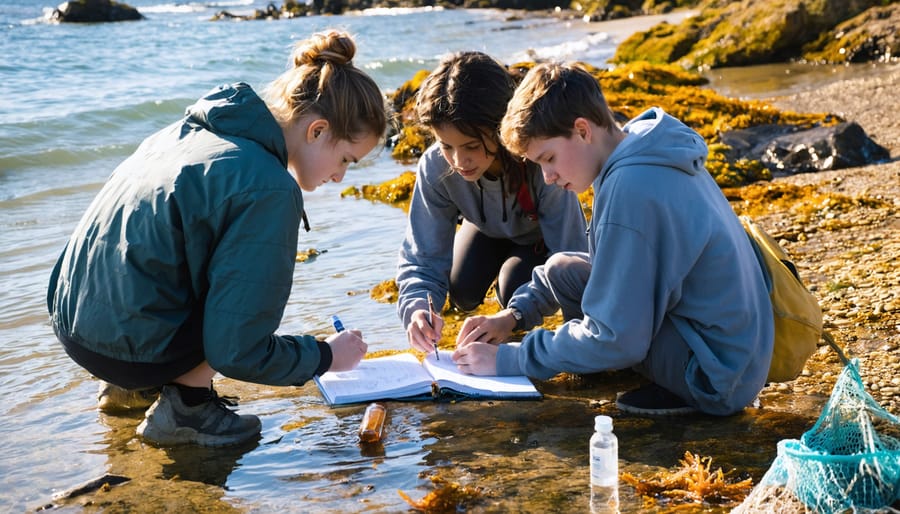
**Empower young people to become ocean stewards by integrating marine science into literacy education.** Reading and writing skills flourish when connected to real-world environmental challenges, transforming abstract concepts into tangible missions that matter. Youth literacy programs focused on marine conservation create a powerful double impact: they build fundamental communication skills while cultivating the next generation of ocean advocates.
Marine literacy extends beyond understanding ecosystems—it encompasses the ability to communicate marine science effectively, think critically about conservation challenges, and take informed action. When young people read about coral reef restoration, write letters advocating for marine protected areas, or document coastal cleanups through storytelling, they’re simultaneously developing literacy competencies and environmental consciousness. This integration proves especially crucial as our oceans face unprecedented threats from climate change, pollution, and overfishing.
Successful programs nationwide demonstrate this approach works. From elementary students monitoring local watersheds and publishing their findings, to high schoolers creating digital conservation campaigns, youth-centered initiatives merge reading comprehension, writing proficiency, and scientific inquiry. These programs don’t just teach children to read about the ocean—they inspire them to read *for* the ocean, developing both the skills and passion necessary to drive meaningful change.
The opportunity is clear: educators, parents, and conservation professionals can transform literacy education into a catalyst for marine stewardship, creating a generation equipped to protect our blue planet.
What Marine Literacy Really Means for Today’s Youth
Marine literacy extends far beyond simply knowing that oceans cover 71% of our planet or memorizing the names of sea creatures. For today’s youth, true marine literacy means understanding the fundamental principles that connect human wellbeing to ocean health—recognizing that our daily choices, from the products we buy to the energy we consume, directly impact marine ecosystems thousands of miles away.
The Ocean Literacy Framework identifies seven essential principles that form the foundation of this understanding. These principles help young people grasp that the ocean regulates climate, provides oxygen, sustains biodiversity, and drives weather patterns. More importantly, they reveal how human activities—plastic consumption, carbon emissions, overfishing—create ripples that alter entire marine food webs and ecosystem functions.
What makes marine literacy truly transformative is its power to shift youth from passive observers to active participants in ocean conservation. When young people understand concepts like ocean acidification or marine habitat connectivity, they develop the critical thinking skills needed to evaluate environmental claims, question unsustainable practices, and advocate for science-based policies. This knowledge foundation becomes the springboard for meaningful action, whether that’s organizing beach cleanups, reducing single-use plastics, or pursuing careers in marine science.
Marine literacy also cultivates a sense of connection and responsibility. Today’s generation faces unprecedented marine challenges—coral bleaching, biodiversity loss, and rising sea levels—but they’re also equipped with unprecedented access to information and tools for change. When marine education transforms lives, it creates informed citizens who understand that protecting our oceans isn’t just an environmental issue—it’s about safeguarding the planet’s life support system and securing a sustainable future for all species, including our own.
Why Traditional Education Falls Short on Ocean Awareness
Despite living on a planet where oceans cover 71% of the Earth’s surface, most young people graduate from school with minimal understanding of marine ecosystems. Recent studies reveal that fewer than 35% of students in North America can accurately describe the ocean’s role in climate regulation, while less than 40% understand basic concepts like ocean acidification or coral bleaching.
The gaps in traditional curricula are striking. Marine science typically receives just 2-3 weeks of attention in most K-12 science programs, if addressed at all. This limited exposure leaves students unprepared to understand critical environmental challenges facing our generation. The situation becomes even more pronounced when examining the divide between coastal and inland communities—students living more than 100 miles from coastlines show significantly lower ocean literacy rates, often viewing marine conservation as irrelevant to their daily lives.
This educational disconnect has real consequences. Without foundational knowledge, young people struggle to make informed decisions about sustainable seafood, plastic consumption, or climate action. They miss opportunities to recognize how ocean health directly impacts their communities, regardless of geography—from weather patterns to food security.
The good news? Specialized youth literacy programs are emerging to bridge these gaps, with educators leading change by developing innovative curricula. Dr. Sarah Chen, a marine biologist who works with school programs, shares: “When we give students hands-on experiences with marine science, their engagement transforms completely. Suddenly, ocean conservation becomes personal and urgent.”
The Core Components of Effective Youth Marine Literacy Programs
Hands-On Field Experiences That Stick
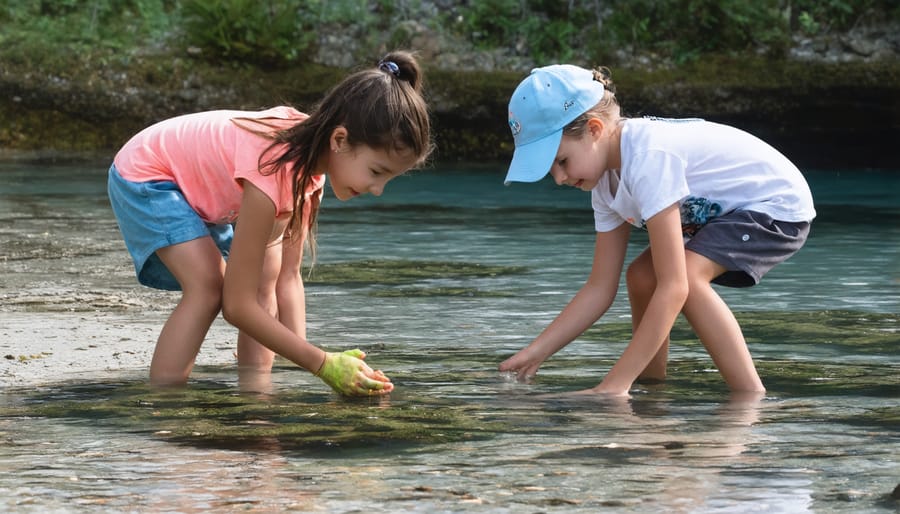
Direct interaction with marine environments transforms abstract concepts into lasting knowledge that shapes future ocean advocates. When young people wade into tide pools, they don’t just learn about intertidal ecosystems—they experience the cool water, observe anemones responding to touch, and witness the interconnected web of life firsthand. This sensory engagement creates neural pathways that classroom learning alone cannot achieve.
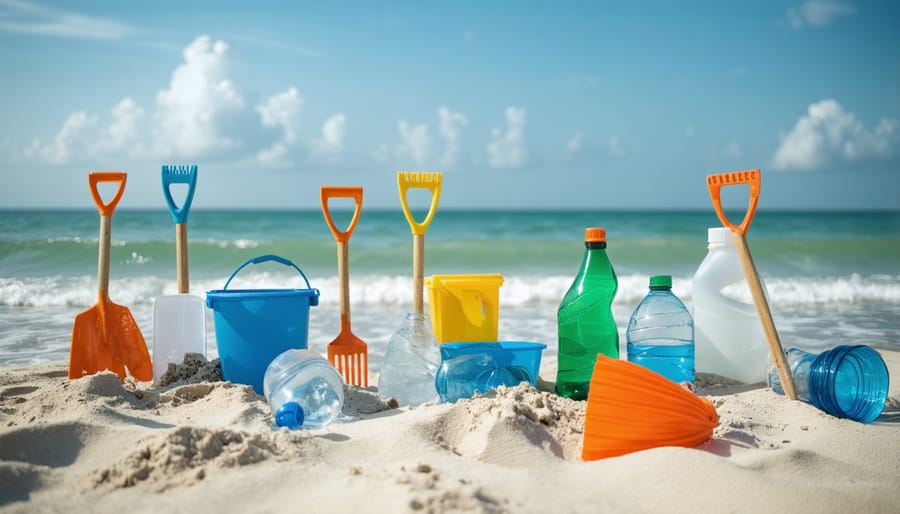
Beach cleanup programs demonstrate immediate impact while building environmental stewardship. Students collecting plastic debris develop a visceral understanding of pollution’s scope, often becoming passionate advocates who influence their families and communities. Marine biologist Dr. Elena Martinez recalls her first cleanup at age twelve: “Filling three bags with bottle caps changed everything. I realized the ocean needed people who understood and cared.”
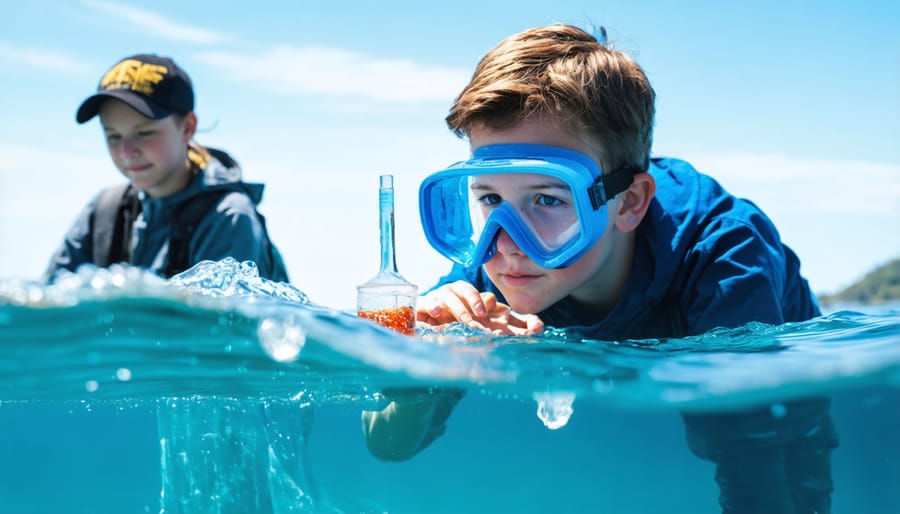
Snorkeling programs offer transformative windows into underwater worlds. Floating above a kelp forest or coral reef, youth witness biodiversity’s beauty and fragility simultaneously. These experiences consistently prove most memorable years later, with participants citing them as career-influencing moments. The combination of wonder and hands-on learning cultivates not just knowledge retention, but genuine passion that drives lifelong conservation commitment and inspires others to protect our blue planet.
Citizen Science Projects That Matter
When young people transition from passive learners to active contributors in marine research, something remarkable happens—they develop a genuine sense of ownership over ocean conservation. Citizen science projects transform students into data collectors whose work directly supports real scientific studies.
Programs like Beach COMBERS (Coastal Ocean Mammal/Bird Education and Research Surveys) train youth to conduct systematic shoreline surveys, documenting marine debris, beached organisms, and wildlife presence. Their observations feed into national databases that inform policy decisions and conservation strategies. Similarly, initiatives tracking jellyfish populations or monitoring water quality give students tangible responsibilities with measurable impacts.
Marine biologist Dr. Elena Rodriguez recalls mentoring a high school group that discovered an unexpected aggregation of seahorses in their local estuary. “Their meticulous data collection led to the area receiving protected status,” she shares. “Watching those students present their findings to the state conservation board was unforgettable—they understood their work truly mattered.”
These authentic research experiences build critical thinking skills while teaching proper scientific methodology. Students learn to ask meaningful questions, collect accurate data, and communicate findings effectively—literacy skills that extend far beyond marine science into lifelong learning capabilities.
Mentorship from Marine Professionals
One of the most powerful elements of youth marine literacy programs is the direct connection between young learners and working marine professionals. When students interact with marine biologists, ocean advocates, and conservation scientists, abstract concepts transform into tangible career pathways and personal missions.
Dr. Maria Chen, a coral reef ecologist, recalls her first visit to a coastal high school: “I showed them photographs from my research dives and explained how climate change affects coral bleaching. Within minutes, these teenagers were asking sophisticated questions about pH levels and symbiotic relationships. One student later told me that conversation changed her college major to marine science.” These mentorship moments create ripples that extend far beyond a single classroom visit.
Effective mentorship programs pair students with professionals through virtual meetings, field experiences, and collaborative research projects. Programs like the Ocean Guardians Initiative connect middle schoolers with conservation practitioners working on real-world challenges—from plastic pollution monitoring to sea turtle rehabilitation. Students don’t just learn about marine science; they witness the human faces behind the research.
Retired naval officer turned marine educator James Rodriguez emphasizes the importance of diverse role models: “Young people need to see that marine careers aren’t limited to PhDs in biology. Ocean advocates include policy makers, educators, filmmakers, and community organizers. When students meet someone whose background mirrors their own, suddenly the ocean field feels accessible.”
These personal connections inspire young people to see themselves as future ocean stewards, transforming passive learning into active conservation commitment.
Real Programs Making Waves in Youth Marine Education
Around the globe, innovative youth marine literacy programs are transforming how young people connect with our oceans, delivering measurable results that extend far beyond the classroom.
The Ocean School, a partnership between the National Film Board of Canada and Dalhousie University, has reached over 500,000 students across Canada since 2017. This digital platform combines stunning underwater cinematography with curriculum-aligned resources, helping students explore everything from kelp forest ecosystems to ocean acidification. Teachers report a 78% increase in student engagement with marine topics, while pre- and post-program assessments show significant improvements in ocean literacy scores.
In California, the Ocean Guardians program has trained over 15,000 youth ambassadors since its inception. Students participate in hands-on beach cleanups, water quality monitoring, and community education initiatives. Marine biologist Dr. Sarah Chen, who coordinates the program, shares: “We’ve seen students who started as shy sixth-graders become confident high school advocates, testifying at city council meetings about plastic pollution ordinances.” The program’s alumni have collectively removed over 40,000 pounds of debris from coastal areas and influenced policy changes in twelve municipalities.
Australia’s Reef Guardian Schools program demonstrates the power of sustained engagement. With 440 participating schools, this initiative connects students directly with Great Barrier Reef conservation efforts. Schools commit to multi-year action plans, implementing projects like mangrove restoration and sustainable seafood campaigns. Follow-up studies reveal that 65% of participants maintain ocean-friendly behaviors five years after graduation—a testament to lasting impact.
The Marine Mammal Center in California offers youth volunteer positions where teenagers work alongside researchers, contributing to real conservation outcomes. Seventeen-year-old volunteer Marcus describes his experience: “Helping rehabilitate a stranded sea lion completely changed how I see my responsibility to the ocean. Now I’m planning to study marine biology in college.”
These effective marine education programs share common elements: hands-on learning experiences, connections to real-world conservation challenges, and opportunities for youth leadership. Their success proves that when young people are empowered with knowledge and agency, they become powerful advocates for ocean health—creating ripple effects that extend throughout their communities and inspire collective action for marine conservation.
How Marine Literacy Programs Address Critical Ocean Threats
Teaching Climate Change Through Ocean Science
Youth literacy programs are transforming abstract climate science into tangible learning experiences through hands-on ocean studies. By examining ocean acidification—often called “climate change’s evil twin”—young students learn how increased CO2 absorption makes seawater more acidic, threatening shellfish and coral reefs. Programs incorporate pH testing kits and water sampling, allowing participants to become citizen scientists tracking real-time changes in their local waters.
Rising ocean temperatures provide another powerful teaching tool. Students monitor temperature shifts and observe how warming waters force marine species to migrate toward cooler regions, disrupting entire ecosystems. Through virtual reality experiences and aquarium partnerships, youth witness coral bleaching firsthand—understanding how heat-stressed corals expel their colorful algae partners, turning ghostly white.
These programs successfully connect climate change impacts to students’ own communities. Marine biologist Dr. Sarah Chen shares: “When teenagers collect their own water samples and analyze the data, climate change becomes personal rather than distant.” This experiential approach builds both scientific literacy and environmental stewardship, empowering youth to become informed ocean advocates.
Plastic Pollution as a Gateway to Action
Plastic pollution serves as a powerful entry point for engaging young people in marine conservation while simultaneously building their literacy skills. The visibility of beach litter and ocean debris creates immediate connections between reading about environmental issues and taking tangible action. When youth participate in beach cleanups, they’re not just removing harmful materials—they’re learning to identify different plastics, document findings through data collection, and understand how human behavior impacts marine ecosystems.
This hands-on approach transforms abstract concepts into concrete experiences. Students who might struggle with traditional classroom learning often thrive when analyzing real debris, reading identification guides, and communicating their findings to peers and communities. Marine biologist Dr. Sarah Chen shares how one reluctant reader became passionate about ocean health after discovering a sea turtle entangled in fishing line during a program cleanup. “He started devouring everything he could find about marine wildlife,” she recalls. “Reading became purposeful.”
These programs demonstrate that literacy extends beyond books—it encompasses understanding our relationship with the ocean and our capacity to protect it through informed action.
Endangered Species as Conservation Ambassadors
Charismatic marine species like sea turtles, dolphins, and whale sharks serve as powerful gateways for engaging young people in ocean conservation. These “ambassador species” capture children’s imagination and curiosity, creating emotional connections that extend beyond individual animals to encompass entire marine ecosystems. When youth learn about a sea turtle’s journey across thousands of ocean miles, they simultaneously discover the importance of healthy seagrass beds, coral reefs, and open ocean habitats that support these migrations.
Marine biologist Dr. Sarah Chen shares how working with students changed her approach: “I watched a shy eight-year-old light up when holding a sea star. That single encounter sparked questions about tide pools, food webs, and pollution—suddenly, she wanted to understand everything connected to that moment.”
Conservation programs leveraging these flagship species report remarkable success in building comprehensive ocean literacy. Students who begin their journey fascinated by a single charismatic animal often become passionate advocates for less visible but equally critical species like phytoplankton and coral polyps, understanding that protecting marine biodiversity means safeguarding entire interconnected systems.
Getting Young People Involved: Pathways to Participation
Getting involved in marine literacy programs has never been more accessible for young people, regardless of location or experience level. Local aquariums, marine centers, and coastal conservation organizations offer entry points through summer camps, weekend workshops, and after-school programs designed specifically for youth engagement. Many institutions provide scholarship opportunities to ensure accessibility, so families shouldn’t hesitate to inquire about financial assistance when exploring program options.
For students in landlocked areas, virtual marine literacy programs have expanded dramatically, offering live-streamed underwater explorations, online courses led by marine biologists, and interactive citizen science projects where young people can contribute to real research from their computers. Platforms like iNaturalist and Zooniverse connect youth directly with ocean monitoring initiatives, allowing them to identify species and track marine biodiversity alongside professional scientists.
Volunteer opportunities provide meaningful pathways for deeper involvement. Beach cleanup initiatives, led by organizations like Ocean Conservancy, welcome young participants and teach valuable lessons about marine pollution. Many coastal communities also offer youth docent programs where teenagers guide visitors through tide pools or marine exhibits, developing communication skills while sharing ocean knowledge.
Educators can integrate marine literacy into existing curricula through free resources from NOAA’s Ocean Literacy Initiative and the Bridge program, which connects classrooms with working oceanographers. Schools without direct ocean access can establish partnerships with marine centers for virtual field trips or adopt-a-beach programs.
Starting involvement requires simply reaching out to local environmental organizations or searching “marine conservation volunteer opportunities” with your city name. Many marine biologists began their careers through such grassroots participation, discovering their passion for ocean protection through hands-on experiences that transformed curiosity into lifelong commitment. The ocean needs passionate young advocates—your journey can begin today.
The Ripple Effect: Long-Term Impact on Youth and Communities
The true measure of marine literacy programs extends far beyond classroom participation—it creates waves of change that reshape entire communities for generations. Research from the Ocean Literacy Network reveals that youth who participate in hands-on marine education programs are four times more likely to pursue environmental science careers and demonstrate sustained conservation behaviors into adulthood.
Dr. Sarah Chen, now a marine biologist specializing in coral reef restoration, credits her transformation to a week-long youth marine camp at age fourteen. “Before that program, I’d never considered that studying the ocean could be a career,” she recalls. “Collecting water samples, identifying marine species, and hearing from working scientists showed me a path I didn’t know existed.” Today, Sarah mentors the next generation of young ocean advocates through the same program that inspired her journey.
These ripple effects extend beyond individual career choices into broader community transformation. Communities hosting youth marine literacy programs report measurable increases in beach cleanup participation, sustainable seafood consumption, and support for marine protected areas. Parents frequently note that their children become household advocates for ocean conservation, influencing family decisions about plastic use, travel destinations, and charitable giving.
Former program participant Marcus Williams, now a commercial fisherman, demonstrates how marine literacy translates across professions. “Understanding fish populations and ecosystem health from those youth programs made me a better fisherman,” he explains. “I advocate for sustainable practices in my industry because I understand we’re all connected to ocean health.”
The evidence is clear: investing in youth marine literacy creates informed citizens, passionate professionals, and communities committed to protecting our ocean heritage for future generations.
The future of our oceans rests in the hands of today’s youth, making marine literacy programs not just beneficial but essential for coastal and global communities alike. As we’ve explored throughout this article, these initiatives transform young people from passive observers into informed ocean advocates, equipped with both scientific knowledge and a deep personal connection to marine ecosystems. The evidence is clear: when youth understand the complexities of marine biodiversity, witness the impacts of conservation efforts firsthand, and participate in hands-on research, they become powerful catalysts for environmental change that extends far beyond their immediate communities.
The optimistic reality is that opportunities to engage in marine education are expanding rapidly, from classroom-based programs to volunteer fieldwork experiences. Whether you’re an educator looking to integrate ocean science into your curriculum, a parent seeking meaningful environmental activities for your children, or a student passionate about marine conservation, numerous pathways exist to get involved. Start by connecting with local aquariums, marine research centers, or coastal conservation organizations that offer youth programs. Consider volunteering as a mentor, participating in beach clean-ups that incorporate citizen science, or supporting established marine literacy initiatives through donations or advocacy.
Every action counts. The young marine biologists, conservationists, and ocean stewards we cultivate today will shape the policies, research breakthroughs, and cultural shifts needed to protect our blue planet tomorrow. Take that first step—engage, participate, and help build a generation of ocean champions.

jessica
Ava Singh is an environmental writer and marine sustainability advocate with a deep commitment to protecting the world's oceans and coastal communities. With a background in environmental policy and a passion for storytelling, Ava brings complex topics to life through clear, engaging content that educates and empowers readers. At the Marine Biodiversity & Sustainability Learning Center, Ava focuses on sharing impactful stories about community engagement, policy innovations, and conservation strategies. Her writing bridges the gap between science and the public, encouraging people to take part in preserving marine biodiversity. When she’s not writing, Ava collaborates with local initiatives to promote eco-conscious living and sustainable development, ensuring her work makes a difference both on the page and in the real world.