Marine Biodiversity Science Center

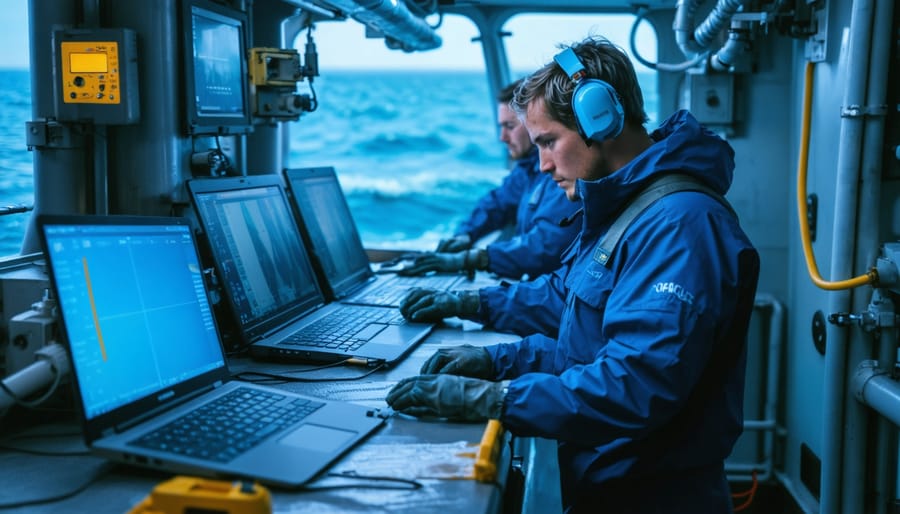
In the vast ocean of scientific research, data interoperability stands as a crucial bridge connecting disparate islands of marine knowledge. As oceans face unprecedented challenges, from climate change to biodiversity loss, the ability to seamlessly share, integrate, and analyze data across different platforms and institutions has become more critical than ever.
Marine researchers worldwide collect millions of data points daily – from water temperature readings and species populations to migration patterns and coral reef health assessments. However, this wealth of information often remains trapped in isolated databases, speaking different digital languages and following varied protocols. Data interoperability transforms these scattered pieces into a coherent puzzle, enabling scientists to paint a more complete picture of marine ecosystems and their changes over time.
By establishing common standards and protocols for data sharing, we’re not just connecting numbers and datasets – we’re fostering global collaboration that accelerates scientific discovery and strengthens marine conservation efforts. Whether tracking endangered species across international waters or monitoring the health of coral reefs across different regions, interoperable data systems ensure that crucial environmental insights don’t get lost in translation.
As we navigate the challenges of protecting our oceans, data interoperability emerges as a powerful tool that turns isolated observations into actionable knowledge, empowering researchers and conservationists to make more informed decisions about marine ecosystem management and protection.
Understanding Data Interoperability in Marine Science
Key Components of Marine Data Integration
Marine data integration relies on several interconnected components that work together to create a seamless flow of information across research platforms. At its core are standardized data formats that ensure consistency in how information is recorded and shared. These formats include common protocols for measuring parameters like water temperature, salinity, and species abundance.
Metadata management systems serve as the backbone of integration efforts, providing crucial context about when, where, and how data was collected. This includes details about sampling methods, equipment specifications, and quality control measures implemented during collection.
Application Programming Interfaces (APIs) act as bridges between different databases and platforms, allowing researchers to access and combine data from multiple sources. These interfaces support real-time data sharing and automated updates, making it easier for scientists to work with current information.
Quality control mechanisms ensure data reliability through automated validation checks and peer review processes. This includes systems for flagging anomalies, tracking data provenance, and maintaining version control.
Finally, user authentication and access control systems protect sensitive information while facilitating appropriate data sharing among authorized users, striking a balance between openness and security in marine research collaboration.

Standards and Protocols in Marine Data Exchange
In the marine research community, standardized protocols play a vital role in ensuring seamless data exchange between institutions worldwide. The Darwin Core Standard (DwC) has emerged as a fundamental framework, providing a common language for sharing biodiversity information. This standard enables researchers to format their data consistently, making it readily accessible through global marine databases and research platforms.
The Environmental Data Initiative (EDI) and Marine Environmental Data Section (MEDS) protocols have established guidelines for quality control, metadata documentation, and data formatting. These protocols ensure that oceanographic measurements, species observations, and habitat data can be effectively shared and understood across different research teams.
The Ocean Biodiversity Information System (OBIS) schema and the World Register of Marine Species (WoRMS) taxonomic standards have further streamlined data exchange by providing unified frameworks for species identification and classification. These protocols not only facilitate collaboration but also enhance the reliability and reproducibility of marine research, ultimately supporting more effective conservation efforts and policy decisions.
Real-World Applications in Marine Conservation
Global Species Tracking and Monitoring
The integration of marine species monitoring systems has revolutionized our ability to track and protect marine life across the globe. A prime example is the successful monitoring of humpback whale migrations along the Pacific coast, where researchers from multiple countries share standardized data through interconnected platforms.
The Great Barrier Reef’s Crown-of-Thorns Starfish Control Program demonstrates how integrated monitoring systems enable rapid response to threats. By combining data from citizen scientists, research vessels, and automated monitoring stations, authorities can quickly identify and address starfish outbreaks before they cause significant damage to coral communities.
In the Mediterranean, the success story of monk seal conservation showcases the power of collaborative data sharing. Through standardized protocols and shared databases, researchers tracked the species’ recovery from fewer than 400 individuals to over 800 in just two decades. Local diving communities contribute valuable observations through user-friendly mobile apps, which feed directly into scientific databases.
These achievements wouldn’t be possible without careful attention to data standardization. Marine biologist Dr. Sarah Chen notes, “When everyone speaks the same data language, we can piece together the complex puzzle of marine ecosystem health.” The system allows volunteers to contribute meaningful data while ensuring scientific rigor through automated quality checks and expert verification processes.
Ecosystem Health Assessment
Shared data systems have revolutionized how scientists monitor and protect marine ecosystems, enabling comprehensive health assessments across vast ocean regions. By combining data from multiple sources, researchers can track crucial ecosystem health indicators such as species distribution, water quality parameters, and habitat conditions in real-time.
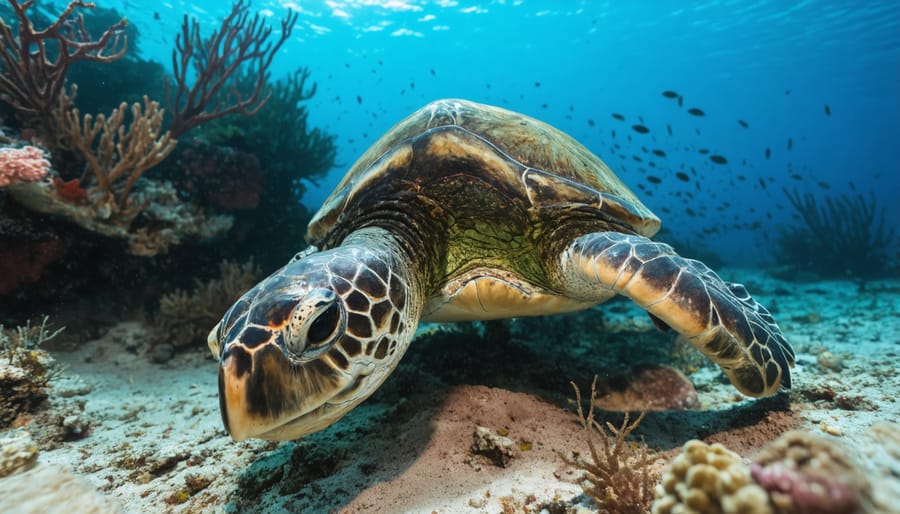
Consider how marine biologists studying coral reefs benefit from interoperable data: temperature sensors, underwater cameras, and citizen science observations come together to create a complete picture of reef health. When this data is standardized and shared, scientists can quickly identify concerning trends, like unusual bleaching events or changes in fish populations, and respond with targeted conservation measures.
The power of shared data becomes particularly evident in tracking marine species migration. By combining data from tagged animals, shipping vessel reports, and satellite imagery, researchers can map migration corridors and identify critical habitats that require protection. This collaborative approach has already helped establish more effective marine protected areas and shipping lane adjustments to protect whale populations.
Local conservation groups also benefit from access to this shared data. They can make informed decisions about beach cleanups, habitat restoration projects, and community education programs. For example, when citizen scientists upload their beach survey data in standardized formats, it becomes part of a larger dataset that helps track marine debris patterns and guide cleanup efforts across entire coastlines.
Challenges and Solutions
Technical Barriers
Implementing data interoperability in marine research faces several significant technical challenges. One of the primary barriers is the diverse nature of data formats used across different organizations and research institutions. Marine scientists often collect data using various instruments and methodologies, resulting in datasets that don’t naturally “speak the same language.”
Legacy systems pose another substantial challenge. Many research institutions maintain older database systems that weren’t designed with modern sharing capabilities in mind. Updating these systems can be costly and time-consuming, often requiring extensive data migration and staff training.
Standardization of data collection methods and metadata presents ongoing difficulties. While initiatives exist to create universal standards, achieving widespread adoption remains challenging. Different regions and institutions may have varying protocols for data collection, making it difficult to ensure data quality and consistency across platforms.
Network infrastructure limitations can also impede data sharing, particularly in remote coastal areas or developing regions where internet connectivity might be unreliable. Large oceanographic datasets, including high-resolution imagery and continuous monitoring data, require substantial bandwidth and storage capabilities.
Security concerns present another technical hurdle. Sharing sensitive data about endangered species locations or valuable marine resources requires robust encryption and access control systems. Balancing open access with data protection needs careful technical consideration.
These challenges, while significant, are not insurmountable. Ongoing technological advances and collaborative efforts within the marine science community continue to develop innovative solutions to these technical barriers.
Collaborative Solutions
The marine research community has made significant strides in developing collaborative solutions to address data interoperability challenges. Organizations worldwide are joining forces to create standardized protocols and shared platforms that facilitate seamless data exchange and integration.
One notable example is the Ocean Biodiversity Information System (OBIS), which brings together marine biodiversity data from thousands of institutions globally. This collaborative effort has established common data formats and quality control measures, enabling researchers to combine and analyze datasets from different sources effectively.
The Marine Data Interoperability Working Group, comprising scientists from multiple countries, has developed open-source tools and frameworks that help bridge gaps between different data systems. Their work includes creating automated conversion tools that transform data from various formats into standardized structures, making it easier for researchers to share and access information.
Regional partnerships have also emerged, such as the European Marine Observation and Data Network (EMODnet), which coordinates data sharing among European maritime nations. Similar initiatives in the Pacific region have connected research institutions across multiple countries, fostering unprecedented collaboration in marine research.
These collaborative efforts extend beyond technical solutions. Training programs and workshops help researchers learn best practices for data management and sharing. Community-driven projects encourage citizen scientists to contribute standardized observations, creating a more comprehensive understanding of marine ecosystems while ensuring data quality and compatibility.
Future of Marine Data Integration
The future of marine data integration is rapidly evolving, driven by technological advancements and an increasing need for collaborative conservation efforts. As we move forward, the integration of AI-powered marine research with standardized data protocols is creating unprecedented opportunities for understanding our oceans.
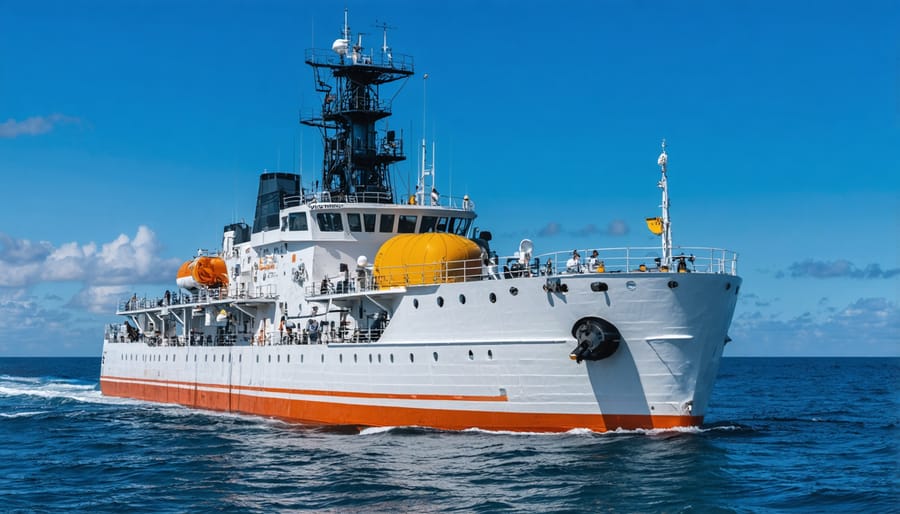
One of the most promising developments is the emergence of real-time data sharing platforms that connect research vessels, autonomous underwater vehicles, and coastal monitoring stations. These systems will enable scientists to access and analyze marine data instantly, regardless of their location, leading to faster response times for environmental challenges and more effective conservation strategies.
Blockchain technology is set to revolutionize data verification and tracking, ensuring the authenticity and transparency of marine research data. This innovation will help build trust among international partners and facilitate more meaningful collaboration across borders.
The integration of citizen science data is expected to grow significantly, with new mobile applications and user-friendly platforms enabling anyone with a smartphone to contribute valuable observations. This democratization of data collection will create a more comprehensive picture of marine ecosystems while fostering public engagement in ocean conservation.
Looking ahead, we can expect to see:
– Enhanced 3D visualization tools that make complex marine data more accessible and understandable
– Improved integration between satellite data and in-situ measurements
– Standardized metadata protocols that streamline data sharing across different platforms
– Advanced predictive modeling capabilities for marine ecosystem changes
– Better integration of traditional ecological knowledge with scientific data
These developments will not only improve our understanding of marine ecosystems but also enable more effective conservation strategies. The key to success lies in maintaining open communication channels between stakeholders and ensuring that technological advances serve the needs of both researchers and conservation practitioners.
As these systems evolve, they will create new opportunities for volunteer participation and citizen engagement in marine research, making ocean conservation more accessible and inclusive than ever before.
As we look to the future of marine conservation and research, the continued development of data interoperability systems stands as a crucial cornerstone for our success. The challenges facing our oceans are complex and interconnected, demanding solutions that bridge geographical, institutional, and technological boundaries. By supporting and advancing data interoperability initiatives, we create a more unified and effective approach to understanding and protecting marine ecosystems.
The impact of standardized, accessible data extends far beyond individual research projects. It empowers citizen scientists, enables rapid response to environmental threats, and facilitates evidence-based policy decisions. Every shared dataset, every standardized protocol, and every collaborative platform contributes to a growing network of knowledge that strengthens our collective ability to protect marine biodiversity.
You can make a difference by supporting these initiatives in various ways. Consider participating in citizen science projects that contribute to standardized databases, advocating for open data policies at your institution, or supporting organizations working to develop and maintain data sharing infrastructure. For students and early-career scientists, familiarizing yourself with data standards and interoperability practices will be invaluable as these systems become increasingly central to marine research.
The future of marine conservation depends on our ability to share, understand, and act upon data effectively. By working together to build and maintain robust data interoperability systems, we create a stronger foundation for protecting our oceans for generations to come. The time to act is now – join the movement toward more open, accessible, and interconnected marine science.

jessica
Ava Singh is an environmental writer and marine sustainability advocate with a deep commitment to protecting the world's oceans and coastal communities. With a background in environmental policy and a passion for storytelling, Ava brings complex topics to life through clear, engaging content that educates and empowers readers. At the Marine Biodiversity & Sustainability Learning Center, Ava focuses on sharing impactful stories about community engagement, policy innovations, and conservation strategies. Her writing bridges the gap between science and the public, encouraging people to take part in preserving marine biodiversity. When she’s not writing, Ava collaborates with local initiatives to promote eco-conscious living and sustainable development, ensuring her work makes a difference both on the page and in the real world.