Marine Biodiversity Science Center

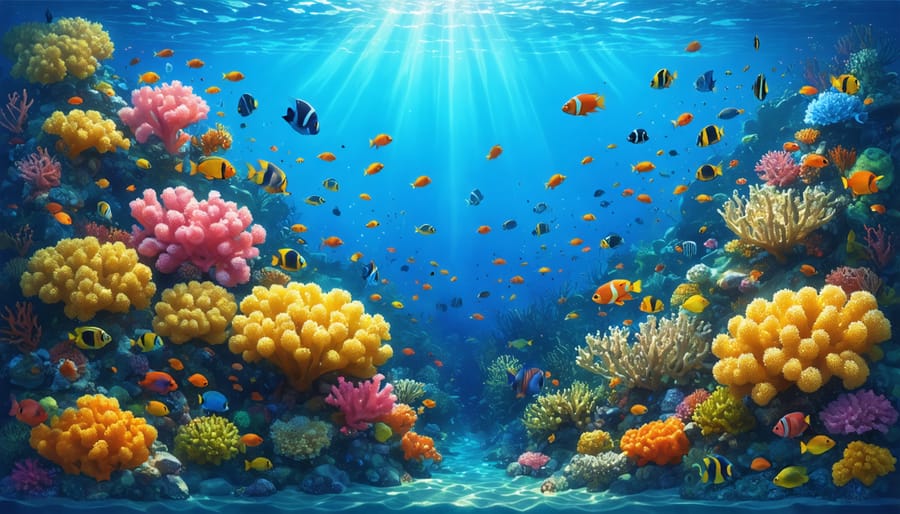
Biodiversity serves as the foundation of life-sustaining ecosystem services, weaving an intricate web of relationships that powers everything from food production to climate regulation. When we examine marine biodiversity and terrestrial ecosystems, we discover that species richness directly influences the stability, productivity, and resilience of natural systems. Each organism, from microscopic soil bacteria to apex predators, plays a crucial role in maintaining essential services like pollination, water purification, and carbon sequestration. Recent research reveals that ecosystems with higher biodiversity consistently deliver more efficient and reliable services, providing up to 1.4 times more economic value than less diverse systems. As climate change and human activities continue to threaten global biodiversity, understanding this relationship becomes increasingly critical for developing effective conservation strategies and ensuring the sustainable delivery of ecosystem services that billions of people depend on daily. This dynamic interplay between biodiversity and ecosystem services not only highlights the importance of species conservation but also demonstrates how protecting natural diversity safeguards humanity’s future well-being.
The Foundation of Ocean Ecosystem Services

Primary Production and Food Web Stability
Species diversity plays a crucial role in maintaining stable and productive food webs within marine ecosystems. When multiple species occupy similar ecological niches, the system becomes more resilient to environmental changes and disturbances. For instance, in coral reef ecosystems, the presence of various herbivorous fish species ensures that algae remain controlled even if one species declines.
This redundancy in species roles acts as a natural insurance policy for ecosystem functioning. Research has shown that more diverse marine food webs are better equipped to maintain their productivity levels, even when faced with environmental stressors like temperature changes or pollution. A prime example is found in seagrass meadows, where different species of grazing organisms help maintain plant health through complementary feeding patterns.
Moreover, diverse food webs provide multiple pathways for energy transfer, ensuring that the collapse of one species doesn’t lead to a cascade of extinctions. This interconnectedness supports consistent primary production levels, which in turn maintains the ecosystem’s capacity to provide essential services like carbon sequestration and food provision for human communities.
The stability offered by diverse food webs also helps ecosystems recover more quickly from disturbances, making them more resilient to both natural and anthropogenic changes.
Carbon Storage and Climate Regulation
Marine ecosystems play a crucial role in regulating our global climate through their remarkable capacity to store carbon dioxide. Diverse marine habitats, particularly those rich in plant and animal species, are significantly more effective at capturing and storing carbon than less diverse systems. This process, known as blue carbon storage, is especially prominent in mangrove forests, seagrass meadows, and salt marshes.
When these ecosystems maintain high biodiversity levels, they create complex networks that enhance carbon sequestration. For example, seagrass beds with diverse species compositions can store up to twice as much carbon as monoculture areas. The presence of various marine organisms, from tiny phytoplankton to large whale species, contributes to this carbon cycling process through different mechanisms.
Marine scientist Dr. Sarah Chen explains, “It’s like having a well-orchestrated team – each species plays its unique role in the carbon storage process. When we lose biodiversity, we’re essentially removing key players from this team, making the entire system less efficient.”
Recent studies indicate that protecting marine biodiversity could help mitigate up to 21% of annual carbon emissions needed to limit global temperature rise to 1.5°C. This highlights the vital connection between maintaining healthy, diverse marine ecosystems and addressing climate change challenges.
Biodiversity’s Role in Coastal Protection
Coral Reef Barriers
Coral reef ecosystems serve as natural barriers that protect coastlines from the destructive forces of waves, storms, and erosion. These diverse marine communities create complex underwater structures that dissipate wave energy, reducing the impact of storm surges and protecting coastal communities. Research indicates that healthy coral reefs can reduce wave energy by up to 97%, making them crucial for coastal protection and climate resilience.
The effectiveness of this barrier function directly correlates with reef biodiversity. A diverse reef system, with various coral species, creates more intricate and robust structures that provide superior coastal protection. For instance, branching corals help break up wave energy, while massive coral formations provide solid foundations that strengthen the reef’s protective capabilities.
Marine scientists have documented that areas with higher coral diversity show greater resistance to storm damage and recover more quickly from disturbances. This resilience is particularly important for island nations and coastal communities that rely on reefs for protection. Additionally, the presence of diverse fish populations and other marine organisms contributes to reef health by maintaining ecological balance and promoting coral growth, further enhancing the reef’s protective services.
Mangrove and Seagrass Communities
Mangrove forests and seagrass meadows exemplify how biodiversity directly enhances coastal ecosystem protection. These complex communities form living barriers that shield coastlines from destructive wave action and storm surges. Mangrove roots create an intricate network that traps sediment and stabilizes shorelines, while their above-ground structure dampens wave energy and reduces flood impacts.
Seagrass meadows work similarly, forming dense underwater forests that slow water movement and prevent coastal erosion. These ecosystems support thousands of species, from juvenile fish to sea turtles, creating a biodiversity web that strengthens their protective functions. The more diverse these communities are, the more resilient they become to environmental changes and the better they perform their protective services.
Research shows that areas with intact mangrove and seagrass ecosystems experience significantly less damage during tropical storms compared to degraded or deforested coastlines. For example, regions with healthy mangrove forests reported 65% less shore erosion during major storm events, demonstrating how biodiversity directly contributes to coastal community safety and infrastructure protection.

Water Quality and Nutrient Cycling
Filter Feeders and Water Purification
Filter feeders play a crucial role in maintaining water quality across marine and freshwater ecosystems. Species like oysters, mussels, and clams act as natural water purification systems, filtering out particles, excess nutrients, and even harmful bacteria from the water column. A single oyster can filter up to 50 gallons of water per day, while large mussel beds collectively clean millions of gallons in coastal areas.
These organisms don’t work alone – they form part of a complex filtration network alongside sponges, barnacles, and various species of small fish. The combined effect of these different species working together significantly improves water clarity, which in turn supports seagrass growth and provides better habitat conditions for other marine life.
The decline in filter feeder populations has led to noticeable decreases in water quality in many coastal areas. For example, the Chesapeake Bay’s oyster population has dropped to just 1% of historic levels, significantly reducing the bay’s natural filtering capacity. This highlights the critical importance of maintaining diverse filter-feeding communities for ecosystem health and the services they provide to both marine life and human communities that depend on clean water resources.
Nutrient Recycling Networks
Nutrient recycling in ecosystems operates like a well-orchestrated symphony, where different species play crucial roles in maintaining the flow of essential elements. Decomposers, such as bacteria and fungi, break down organic matter, releasing nutrients back into the system. Plants and algae then capture these nutrients, converting them into forms that other organisms can use.
In marine environments, filter feeders like mussels and oysters process vast quantities of water, extracting nutrients and making them available to other species. Larger animals, through their feeding activities and waste production, transport nutrients between different parts of the ecosystem. For example, whales feeding in deep waters bring nutrients to surface layers when they release waste, supporting plankton growth.
The efficiency of nutrient recycling directly correlates with biodiversity levels. When multiple species perform similar but slightly different roles in nutrient processing, the system becomes more resilient and efficient. If one species declines, others can compensate, ensuring continuous nutrient flow. This redundancy in nutrient cycling functions acts as a natural insurance policy for ecosystem stability.
Studies have shown that ecosystems with greater biodiversity typically demonstrate more efficient nutrient use and recycling, leading to increased productivity and ecosystem health.
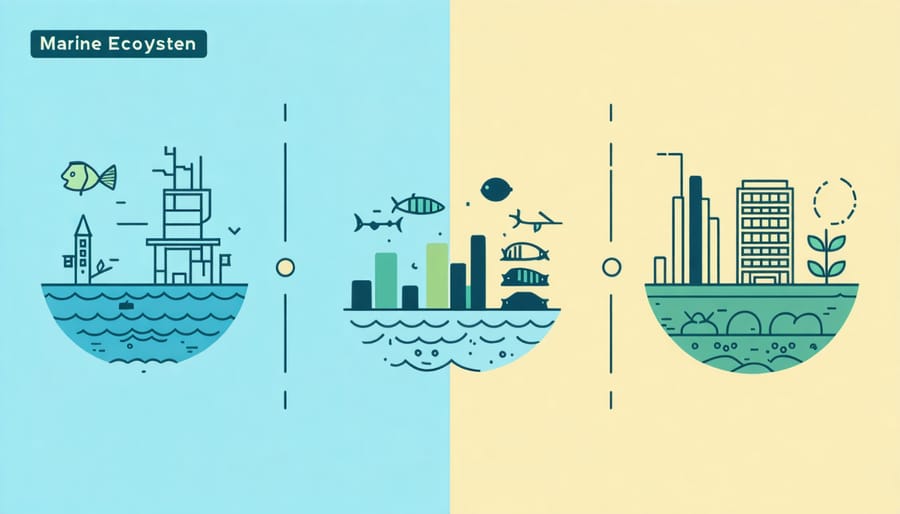
Economic Value of Marine Biodiversity
Fisheries and Food Security
Marine biodiversity plays a crucial role in maintaining productive and sustainable fisheries, which directly impacts global food security. Healthy marine ecosystems with diverse species populations create resilient food webs that support commercial fish stocks and contribute to the economic impact of fisheries. When biodiversity declines, these complex relationships break down, leading to decreased fish populations and reduced catch yields.
Research shows that areas with higher marine biodiversity typically produce more stable and abundant fish populations. This is because diverse ecosystems provide multiple feeding opportunities, spawning grounds, and nursery habitats for commercially important species. For example, healthy coral reefs support numerous fish species by offering shelter and feeding grounds, while seagrass beds serve as crucial nursery areas for juvenile fish.
Moreover, biodiversity ensures the genetic variability necessary for fish populations to adapt to changing environmental conditions, including climate change and ocean acidification. This genetic diversity helps maintain the long-term viability of fish stocks and supports food security for the billions of people who rely on seafood as their primary source of protein.
Tourism and Recreation
Marine biodiversity plays a crucial role in supporting a thriving tourism industry worth billions of dollars annually. Coral reefs alone generate an estimated $36 billion per year through tourism activities, with the Great Barrier Reef contributing over $5.7 billion to Australia’s economy. Diverse marine ecosystems attract millions of visitors worldwide who participate in activities like snorkeling, scuba diving, whale watching, and recreational fishing.
The aesthetic value of species-rich environments creates unique experiences that drive tourism demand. Coral reefs with high biodiversity support colorful fish populations and intricate underwater landscapes that divers travel across the globe to witness. Whale watching tours in biodiversity hotspots offer opportunities to observe multiple marine mammal species in their natural habitat, while healthy mangrove forests provide kayaking and bird-watching experiences.
Local communities particularly benefit from this biodiversity-dependent tourism through job creation and business opportunities. For instance, in the Maldives, marine tourism accounts for approximately 70% of the national GDP, demonstrating how ecosystem health directly impacts economic prosperity. This economic value of marine biodiversity creates a powerful incentive for conservation efforts and sustainable tourism practices.
Threats and Conservation Solutions
Current Challenges
Marine ecosystems face unprecedented challenges that threaten their biodiversity and, consequently, the vital services they provide. Climate change stands as a primary concern, causing ocean acidification and rising temperatures that disrupt coral reef ecosystems and alter species distribution patterns. The increasing frequency of marine heatwaves has led to mass coral bleaching events, devastating these underwater communities that support countless species.
Ocean pollution, particularly plastic waste and chemical runoff, presents another significant challenge. These threats to marine biodiversity affect everything from microscopic plankton to large marine mammals, disrupting food webs and compromising ecosystem stability.
Overfishing continues to deplete fish populations worldwide, with some species facing potential extinction. This not only affects target species but creates ripple effects throughout marine food webs, potentially leading to trophic cascades that can fundamentally alter ecosystem functioning.
Coastal development and habitat destruction further compound these challenges, destroying crucial nursery areas for marine species and degrading water quality. The loss of mangroves and seagrass beds, in particular, threatens both biodiversity and critical ecosystem services like carbon sequestration and coastal protection.
Conservation Strategies
Conservation efforts worldwide have demonstrated remarkable success in protecting marine biodiversity and ecosystem services. Marine Protected Areas (MPAs) serve as crucial safe havens, allowing marine life to thrive and ecosystems to recover. When properly managed, these areas have shown increases in both species diversity and population sizes, often spilling over into surrounding waters.
Community-based conservation programs have proven particularly effective, especially in coastal regions where local communities depend directly on marine resources. These initiatives combine traditional ecological knowledge with modern scientific approaches, creating sustainable management practices that benefit both wildlife and people.
Innovative technologies are also advancing conservation efforts. Satellite monitoring systems help track illegal fishing activities, while DNA barcoding assists in identifying and protecting endangered species. Sustainable fishing practices, including seasonal restrictions and gear modifications, help maintain fish populations while supporting local economies.
Restoration projects, such as coral reef rehabilitation and mangrove replanting, actively rebuild damaged ecosystems. These efforts not only restore biodiversity but also enhance coastal protection and carbon sequestration. Educational programs and citizen science initiatives engage the public, creating a broader understanding of marine conservation needs and encouraging active participation in protection efforts.
The intricate web of marine biodiversity and ecosystem services demonstrates nature’s remarkable capacity for maintaining Earth’s life-support systems. From coastal protection and carbon sequestration to food security and economic opportunities, healthy marine ecosystems provide invaluable services that depend on diverse species interactions. As we face unprecedented environmental challenges, protecting marine biodiversity becomes not just an ecological imperative but a survival necessity. Each of us can contribute to marine conservation through simple actions: reducing plastic consumption, choosing sustainable seafood, supporting marine protected areas, and participating in coastal cleanup initiatives. By understanding and preserving marine biodiversity, we safeguard these essential ecosystem services for future generations. The time to act is now – join local conservation groups, educate others, and advocate for marine protection policies. Together, we can ensure our oceans continue to thrive and provide the services upon which all life depends.

jessica
Ava Singh is an environmental writer and marine sustainability advocate with a deep commitment to protecting the world's oceans and coastal communities. With a background in environmental policy and a passion for storytelling, Ava brings complex topics to life through clear, engaging content that educates and empowers readers. At the Marine Biodiversity & Sustainability Learning Center, Ava focuses on sharing impactful stories about community engagement, policy innovations, and conservation strategies. Her writing bridges the gap between science and the public, encouraging people to take part in preserving marine biodiversity. When she’s not writing, Ava collaborates with local initiatives to promote eco-conscious living and sustainable development, ensuring her work makes a difference both on the page and in the real world.