Marine Biodiversity Science Center

Building Sustainable Luxury: How Marine-Inspired Design Elevates High-End Homes
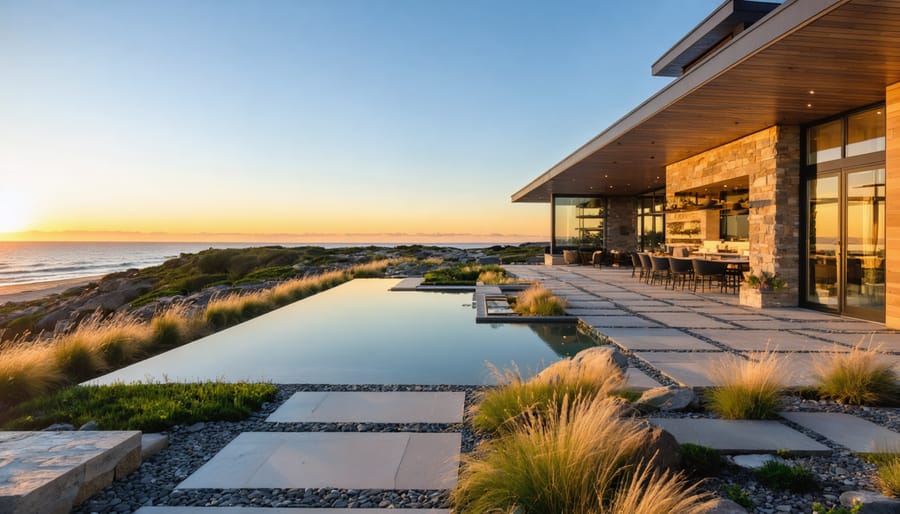
Luxury home design and marine biodiversity may at first glance seem worlds apart, one rooted in architectural craftsmanship, the other in ecological science. Yet as homeowners and designers increasingly embrace sustainable living, the principles that protect our oceans are informing the way we build homes on land. From material selection to water-sensitive landscaping, the best custom homes are taking inspiration from nature’s blueprint. In this article we explore how marine-inspired design can enhance luxury home projects, and why builders who integrate ecological thinking deliver homes that are both beautiful and responsible.
1. Learning from the Sea: Principles for Sustainable Home Design
Marine ecosystems thrive on balance, resilience and fluid integration of systems. Coral reefs, kelp forests and marine lagoons succeed because they combine structure, flexibility and connectivity. Translating those principles to a luxury home:
- Structure: Durable materials, well-sealed envelopes and long-term performance.
- Flexibility: Spaces that adapt over time, systems that are modular and ready for upgrade.
- Connectivity: Indoor-outdoor flow, integration of building and landscape, and technologies that speak to each other.
For example, the concept of a reef’s layered ecosystem inspires layered landscaping in luxury homes, where native plantings, rain gardens and permeable paving work together to manage stormwater. A custom home that mirrors these ecological patterns benefits from reduced runoff, higher biodiversity and a richer natural context.
2. Water Management & Drainage: What Homes Can Learn from Marine Ecology
Healthy marine zones manage water, rain, tidal flows and groundwater, efficiently. Luxury homes near lakes, rivers or even urban settings with heavy rain benefit from adopting similar strategies. Consider:
- Permeable surfaces and rain-gardens to reduce stormwater load.
- Native plant species to stabilize soil and support local pollinators.
- Grey-water reuse or rain-harvest systems for irrigation and landscaping.
These systems not only protect the immediate property, but also minimise impact on local ecosystems and infrastructure. A custom builder engaging such methods will design homes that stand the test of time while respecting their location.
3. Material Selection: From Marine Conservation to Luxury Builds
In ocean conservation, choosing the right materials means avoiding plastics, preserving reef structure and minimising toxic runoff. In luxury home construction the equivalent is using responsibly sourced material, reclaimed wood, low-VOC finishes, recycled glass and responsibly mined stone. These choices align with the same mindset found in sound marine stewardship: reduce waste, reuse resources, protect habitat.
A builder who emphasises these materials signals to homeowners and to future buyers that the home was crafted with care, durability and ecological intelligence in mind.
4. Indoor-Outdoor Integration Inspired by Coastal Living
Many coastal homes, and many high-end luxury residences, embrace the view: large windows, sliding walls, patios that blur boundaries between indoors and outdoors. This design approach echoes how marine environments don’t draw strict lines between land and sea, they transition.
For luxury home design, this means:
- Floor-to-ceiling glazing that captures views while using triple-pane glass to reduce energy loss.
- Terraced or stepped gardens that flow directly from living areas into green space.
- Smart drainage and landscaping that handle Calgary’s freeze/thaw cycles or lake-shore lots without damage.
This not only creates stunning homes, but also ensures they sit lightly in their environment rather than dominating it.
5. Collaboration: Builders, Designers and Conservation Thinking
Just as marine scientists work with community stakeholders, custom home builders with an ecological mindset engage landscape architects, hydrologists and native-species consultants. The result: homes that feel luxurious, integrated and forward-looking. If your builder incorporates ecological design language, you’re getting more than a structure, you’re getting a home that respects climate, site and sustainability.
6. Why It Matters for the Luxury Market
Luxury homeowners increasingly care not only about finishes and amenities, but about stewardship, legacy and long-term value. A home that includes sustainable water management, high-end materials, adaptive systems and site-integrated landscape holds value, both in dollars and in desirability. Buyers often favour homes that are responsibly built and uniquely placed.
When a builder offers that level of design, they stand out. One example is how a Calgary-based custom builder uses high-performance envelopes, native landscaping and integrated building systems to craft homes that feel both opulent and ecologically grounded.
7. Next Steps for Homeowners
If you’re considering designing a luxury home that aligns with marine-inspired sustainability principles:
- Ask your builder about site-specific drainage, native landscaping and low-impact materials.
- Review materials: Are recycled glass, reclaimed wood, or locally quarried stone being used?
- Examine the glazing, insulation and HVAC systems, luxury means performance.
- Think about outdoor transition spaces: patios, decks, terraces that integrate with landscape rather than separating from it.
If you’re looking into advanced custom renovations or builds, consider the model of “custom home renovations and designs” where sustainable principles are baked into every level of design.
Conclusion
The future of luxury homes isn’t just in high ceilings and marble floors, it’s in the way they connect with their site, manage resources and adapt to future needs. Borrowing from marine biodiversity and ecosystem thinking, these homes become more than significant dwellings; they become landmarks of responsiveness, stewardship and high-end living. When architecture, landscape and ecological design converge, the outcome is more than luxury, it’s legacy.

jessica
Ava Singh is an environmental writer and marine sustainability advocate with a deep commitment to protecting the world's oceans and coastal communities. With a background in environmental policy and a passion for storytelling, Ava brings complex topics to life through clear, engaging content that educates and empowers readers. At the Marine Biodiversity & Sustainability Learning Center, Ava focuses on sharing impactful stories about community engagement, policy innovations, and conservation strategies. Her writing bridges the gap between science and the public, encouraging people to take part in preserving marine biodiversity. When she’s not writing, Ava collaborates with local initiatives to promote eco-conscious living and sustainable development, ensuring her work makes a difference both on the page and in the real world.