Marine Biodiversity Science Center
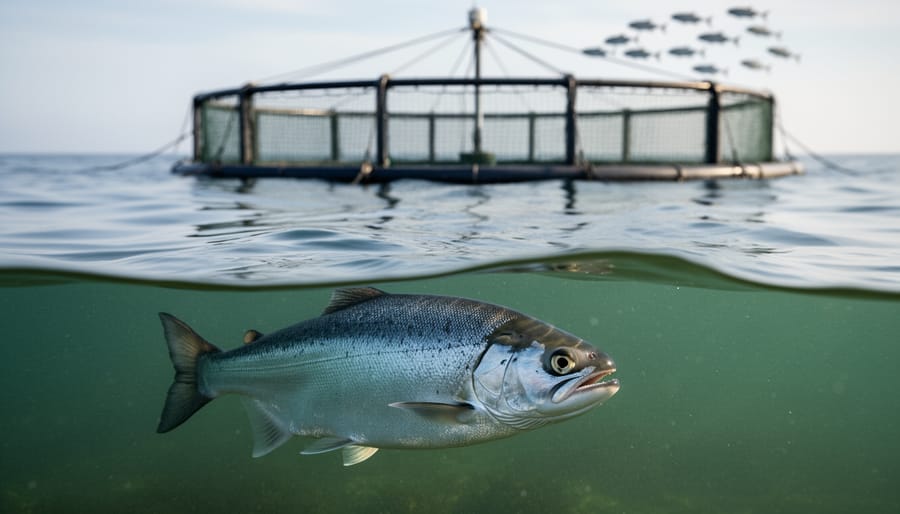
Fish diseases are illnesses caused by pathogens such as viruses, bacteria, parasites, and fungi, or by environmental stressors like poor water quality, that harm the health, growth, and survival of fish. They affect wild populations, backyard aquariums, and commercial farms alike, and they follow the same basic logic: a susceptible fish, a harmful agent, and conditions that tip the balance toward illness.
This matters well beyond the tank or the net pen. Fish supply a major share of the animal protein people eat worldwide, and aquaculture is now one of the fastest-growing ways we produce food. When disease moves through a farm, it can threaten livelihoods and food supplies. When it spreads to wild fish, it can ripple through entire ecosystems.
The encouraging part is how much we’ve learned. Fish health researchers, farmers, veterinarians, and conservation groups are building better ways to detect, prevent, and manage disease, often by working across disciplines.
In this guide, you’ll find a plain-language look at how fish disease develops and spreads, the main types you’ll encounter, and what it means for blue food systems and marine biodiversity. You’ll also see how everyday people can help, including through volunteer programs that support healthier waters and healthier fish.
What Fish Diseases Mean in Wild Waters and Farmed Seas
Disease is a normal part of life in any ecosystem. Wild fish carry viruses, bacteria and parasites throughout their lives, and most of the time they cope just fine. Illness becomes a real concern when the balance tips, and that balance has three parts that scientists often call the disease triangle: the host (the fish), the pathogen (the germ or parasite), and the environment (the water and conditions around them). A healthy fish in clean, well-oxygenated water usually holds its own against a pathogen. Change any one corner, say by warming the water, crowding the fish or introducing a new pathogen, and the odds shift.
Here are a few core terms that will come up throughout this article:
- Pathogen
- Any organism that can cause disease, such as a virus, bacterium, fungus or parasite.
- Host
- The animal that a pathogen lives in or on. In this article, the host is a fish.
- Outbreak
- A sudden rise in illness or deaths in a group of fish, well beyond what is normal for that population.
- Biosecurity
- The set of practices that keep pathogens out of a fish population and stop them from spreading, such as disinfecting equipment and quarantining new stock.
- Zoonotic
- Describes a disease that can pass between animals and people. Most fish diseases are not zoonotic.
- Stress response
- The body’s reaction to difficult conditions, like crowding or low oxygen, which can weaken a fish’s defenses against infection.
These ideas matter well beyond the open ocean. As wild fisheries reach their limits, aquaculture, the farming of fish and shellfish, supplies a growing share of the seafood on our plates. That makes the health of farmed fish a food-security issue, especially for coastal communities that depend on seafood for protein and income. It also means farmed and wild fish share the same waters, so what happens in one setting can influence the other.
No single field can manage that alone. Marine biologists understand how wild populations behave, veterinarians diagnose and treat illness, and farmers see problems first. Conservationists look out for vulnerable species, and policymakers set the rules that tie it all together. Keeping fish healthy is a team effort, and the next sections show how it works in practice.
How Disease Takes Hold: The Pathways Behind an Outbreak
The Disease Triangle: Fish, Pathogen and Environment
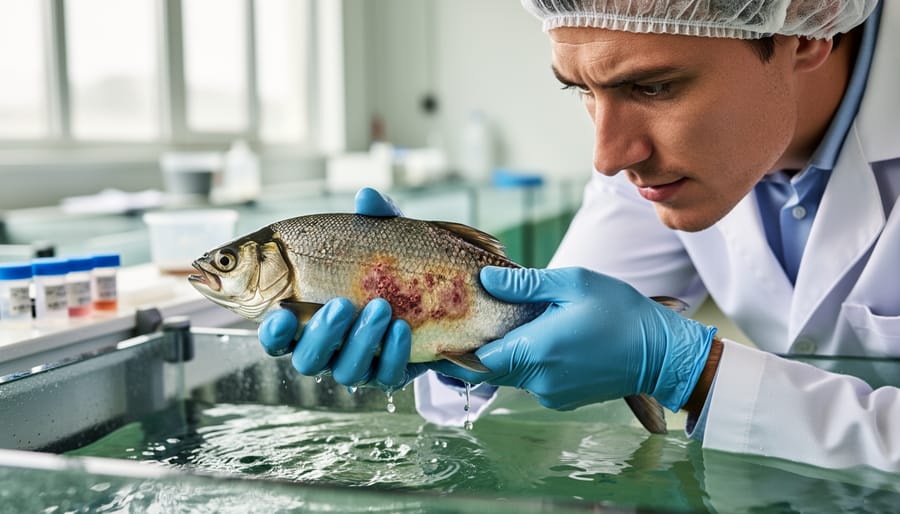
Think of the disease triangle as a three-legged stool. A fish gets sick only when all three legs are in place: a susceptible host, a pathogen capable of causing harm, and an environment that lets the two meet on favorable terms. Remove one leg and the stool tips over.
Start with the host. A young, stressed or genetically vulnerable fish has fewer defenses than a mature, well-fed one. Some species are naturally more resistant to a given microbe, which is why a parasite that sweeps through one population may barely touch a neighboring one.
Next comes the pathogen. Its presence alone isn’t enough. Many bacteria and parasites live quietly in the water, and a fish can carry them for months without trouble. Illness depends on how many of them there are, and how virulent they are.
The environment ties it together. Warmer water often speeds up a pathogen’s life cycle while slowing a fish’s immune response. Cleaner, well-oxygenated water does the opposite.
This is encouraging news. Because three factors must align, a fish health specialist has three ways to intervene: strengthen the fish, limit the pathogen, or improve the surroundings. Often a small shift in just one is enough to prevent an outbreak.
Stress, Water Quality and Changing Seas
Fish live in the conditions around them, so when those conditions shift, their bodies feel it first. Stress is the quiet link between water and disease. A stressed fish releases hormones that, over time, dampen its immune response, leaving it less able to fend off pathogens it would normally shrug off.
Several everyday factors can tip that balance. Water that is too warm speeds up metabolism and often helps some pathogens multiply faster. Low dissolved oxygen leaves fish gasping and weak. Harmful algal blooms can clog gills or release toxins, and crowding raises both stress and the odds that infection passes from one fish to the next.
Farmers and scientists watch these signals closely, and many problems are manageable with good monitoring and thoughtful site choices. Still, changing seas are nudging temperatures, oxygen levels and bloom patterns in new directions. That doesn’t mean outbreaks are inevitable. It means that tracking water quality, and acting early, matters more than ever.
Common Types of Fish Diseases and the Pathogens Behind Them
Fish diseases are usually grouped by what causes them. Sorting them this way helps farmers, veterinarians and ecologists choose the right response, because a parasite calls for a very different plan than a virus does.
- Viral diseases: tiny infectious agents that hijack a fish’s own cells, such as infectious salmon anemia in Atlantic salmon.
- Bacterial infections: single-celled microbes that multiply in tissue or blood, such as vibriosis, which affects many marine species.
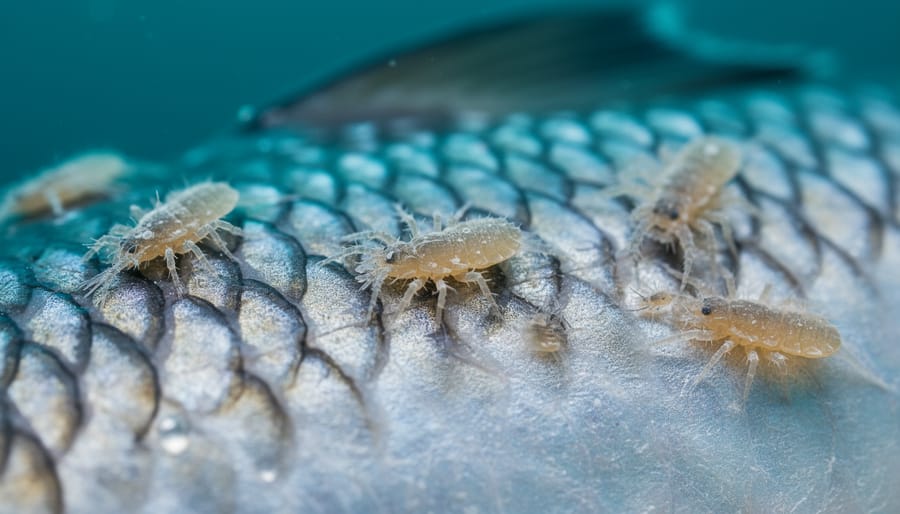
- Parasitic diseases: organisms that live on or inside a fish, such as sea lice on salmon and trout.
- Fungal infections: thread-like organisms that colonize damaged skin or gills, such as Saprolegnia, often called water mold.
- Non-infectious or environmental conditions: illness from poor water quality, low oxygen or nutrition rather than a germ, such as gas bubble disease.
Each category looks a little different in the water. Viral diseases like infectious salmon anemia can leave fish pale and sluggish, with damaged gills and a loss of appetite. Because there is no simple cure for most viruses, prevention and early detection matter most.
Bacterial infections such as vibriosis often show up as skin sores, red patches at the fins, or swollen eyes. They tend to flare when fish are already stressed by crowding or warm water, which is a good reminder that a pathogen is only part of the story.
Parasites are among the best-known concerns in marine farming. Sea lice are small crustaceans that feed on a fish’s skin and mucus. Light infestations cause little harm, while heavy ones can leave open wounds. Other parasites live inside the gut or gills and may only be spotted under a microscope.
Fungal infections are less common in healthy fish. They typically appear as cotton-like patches on skin or eggs, and they take hold mostly when a fish has been injured or weakened.
Tracking these groups is also a coastal question. Water quality, nutrient runoff and shared waterways shape which diseases appear and how they move, which is one reason approaches such as integrated coastal management matter for fish health as well as community wellbeing.
Knowing the category is the first step toward a good response. Once a team can tell a viral outbreak from a parasite problem or a water-quality issue, it can act quickly and with the right tools.
How Fish Diseases Affect Blue Food Systems and Marine Biodiversity
When fish get sick in large numbers, the effects reach well beyond the water. For people who farm fish, disease is one of the most direct threats to a harvest. A single outbreak can slow growth, raise mortality, and force farmers to spend more on treatment, feed and monitoring. For small and mid-sized operations, especially in coastal regions where aquaculture supports whole communities, a bad season can mean lost income for families, hatchery workers, processors and local markets alike.
Food security is part of the same picture. Seafood is a key source of protein, healthy fats and micronutrients for many coastal communities, and farmed fish now supplies a large share of what reaches the table. When disease cuts production, supply tightens and prices can rise, which is felt most by households that depend on fish as an affordable daily staple. Healthy stocks, in short, help keep blue food reliable.
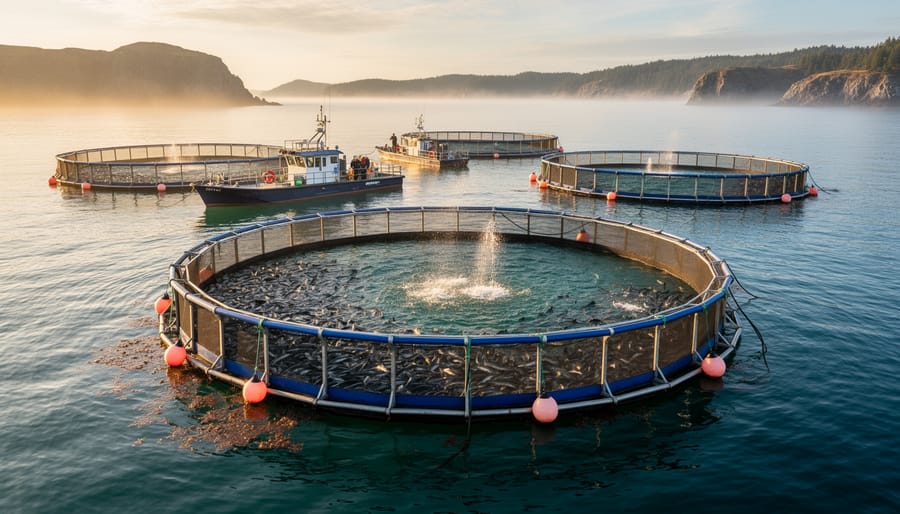
The stakes also extend to wild marine life. Farmed and wild fish often share the same coastal waters, so pathogens can sometimes move between them, a process called spillover. Parasites such as sea lice, for example, can build up around crowded pens and may affect nearby wild juvenile fish, which are small and especially vulnerable on their first migrations. Populations that are already under pressure from overfishing, habitat loss or warming seas have less room to absorb an extra burden.
None of this means the outlook is bleak. These risks are well understood, and they respond to good management. Careful farm siting, regular health monitoring, strong biosecurity and coordinated fallowing, where farms rest between production cycles, all lower the chance of outbreaks and limit contact with wild fish. When prevention is built into how blue food is grown, farms can remain productive while the ecosystems around them stay resilient.
How Scientists and Farmers Work Together to Keep Fish Healthy
Keeping fish healthy is rarely the work of one profession. A single farm might rely on a veterinarian to read a sick fish, an ecologist to understand the surrounding waters, an engineer to design better pens, and a regulator to make sure what works is applied fairly.
Prevention starts with watching closely. Routine health checks, water sampling and early-warning surveillance help teams spot trouble while it is still small. Increasingly, marine data science helps by turning temperature, oxygen and mortality records into patterns that flag risk days or weeks ahead.
Biosecurity is the next layer. That means cleaning equipment between sites, controlling the movement of fish and staff, and giving each farm a chance to rest between production cycles. Vaccination adds another shield, and it has reduced the need for treatments in many farmed species. Selective breeding builds on this, and advances in marine genomics let breeders identify natural disease resistance without guesswork. Tools from marine biotechnology are also sharpening diagnostics and vaccine design.
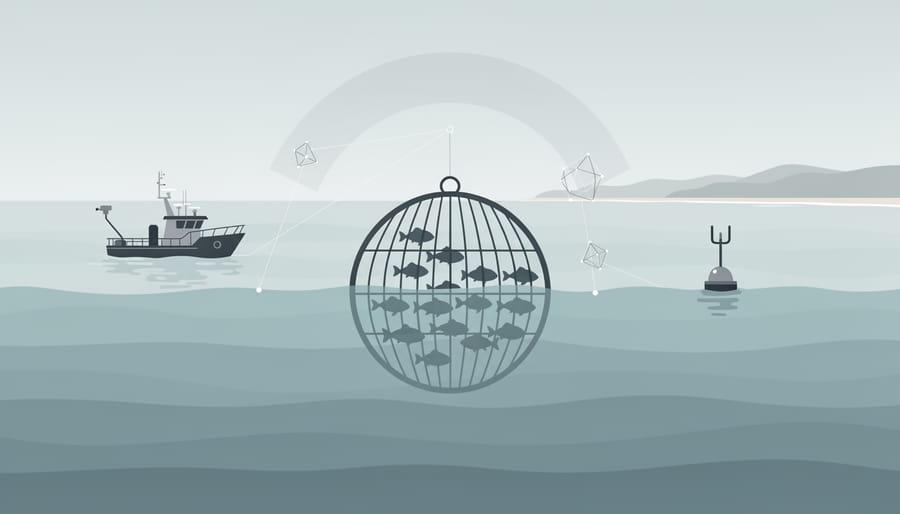
Place and design matter too. Siting farms where currents are strong and water is well mixed lowers stress, while sturdier pens and sensible stocking densities give fish room to stay strong. Nature-based approaches are gaining ground as well, such as cleaner fish like lumpfish and wrasse that eat sea lice off salmon. When treatment is needed, veterinarians prescribe it carefully, using the right dose for the right reason, and regulators set the rules and monitor the results.
Fish health specialists often describe the quiet satisfaction of this work. As one might put it in a profile:
“The best day in my job is when nothing happens. A season passes, the fish grow well, the vet logs are boring, and you realize the plan worked because everyone did their part.”
Many conservation groups, including ours, welcome volunteers who help with shoreline monitoring and citizen science, which is one more way everyday people strengthen this team effort.
Common Questions About Fish Diseases
Readers often arrive at this topic with a few practical worries, so here are clear, evidence-minded answers to the questions we hear most.
Are fish diseases dangerous to people?
Most fish diseases only affect fish and pose no direct risk to human health. A small number of bacteria and parasites can affect people, usually through raw or undercooked fish or through handling fish and aquarium water without washing your hands afterward.
Is farmed fish safe to eat?
Yes, when it is handled, stored and cooked properly. Farmed fish are produced under food safety rules in most countries, and good hygiene and thorough cooking make the same difference for farmed and wild fish alike.
Can diseases spread between farms and wild fish?
It is possible, since farmed and wild fish can share the same water. That is why careful farm siting, health monitoring and biosecurity matter, and why scientists and farmers study these interactions together.
Does a changing climate influence fish disease?
It can. Warmer water and lower oxygen levels may stress fish and, for some pathogens, make outbreaks more likely, though the effect varies by species and location.
Wild fish do get sick too, just as any living population does. In a balanced ecosystem, disease is a natural part of how populations stay in check, and it becomes a concern mainly when stress or sudden change tips that balance.
So what can everyday people do? You can choose seafood from sources that follow responsible farming and fishing practices, never release aquarium fish or water into local waterways, and support organizations that monitor ocean health. If you’d like to go a step further, volunteer programs offer a hands-on way to join the people working to keep fish and the ecosystems they depend on healthy.
Healthy fish are the quiet foundation of both sustainable blue food and thriving marine ecosystems. When we understand how hosts, pathogens and environments interact, we can prevent many outbreaks before they begin, protecting livelihoods, coastal communities and the wild populations that share our waters.
No single field can do this alone. Veterinarians, ecologists, engineers, data scientists, farmers and policymakers each hold a piece of the puzzle, and the progress we’ve seen comes from putting those pieces together. Better surveillance, smarter farm design and nature-based solutions are all signs that the work is moving in the right direction.
You have a place in this effort, too. The Marine Biodiversity Science Center offers volunteer programs where you can contribute to hands-on conservation, plus articles that explain the science in plain language and an online e-network where students, educators and ocean advocates share ideas. Join us, ask questions, and help build a future where healthy fish and healthy seas go hand in hand.

jessica
Ava Singh is an environmental writer and marine sustainability advocate with a deep commitment to protecting the world's oceans and coastal communities. With a background in environmental policy and a passion for storytelling, Ava brings complex topics to life through clear, engaging content that educates and empowers readers. At the Marine Biodiversity & Sustainability Learning Center, Ava focuses on sharing impactful stories about community engagement, policy innovations, and conservation strategies. Her writing bridges the gap between science and the public, encouraging people to take part in preserving marine biodiversity. When she’s not writing, Ava collaborates with local initiatives to promote eco-conscious living and sustainable development, ensuring her work makes a difference both on the page and in the real world.