Marine Biodiversity Science Center

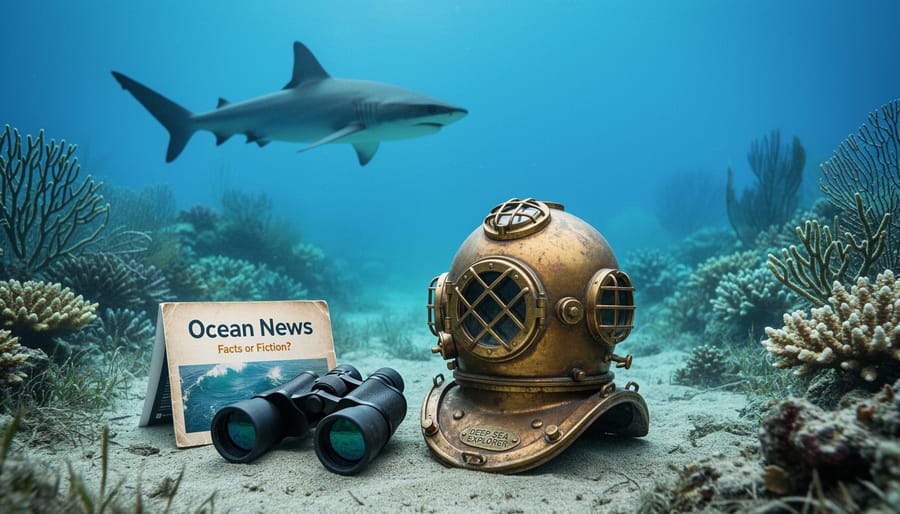
Marine misinformation is false or misleading information about the ocean and its wildlife, shared widely enough to shape what people believe and do. A shark photo with a made-up backstory. A “miracle” reef cure that skips the science. A claim that a protected species is thriving when surveys say otherwise. Some of it is honest error. Some is deliberate. Either way, it spreads fast, and it can steer donations, policy support, and even how people behave on the water.
Media literacy is the counter. It’s the skill of asking who made a claim, what evidence backs it, and what’s missing before you believe it or pass it on. It works like a habit, not a hurdle, and anyone can build it with practice.
This article breaks down how misleading ocean stories travel, the main types you’re likely to meet, and the quick checks that stop them. You’ll also see how teachers and conservation groups put these skills to work, from classroom lessons to volunteer programs that need people who can tell strong evidence from a viral hunch.
Marine science is complicated, and that’s exactly why clear, careful thinking matters. The more of us who can spot a shaky claim, the stronger the case we can make for the ocean.
What Marine Misinformation Means in Plain Language
Most of us will never dive to a coral reef or watch a whale breach from a boat. That distance is exactly why the ocean is so easy to get wrong. When a place feels remote, we lean on photos, videos and secondhand stories to fill the gap, and those can mislead without anyone meaning them to.
A few terms help here:
- Misinformation
- False or inaccurate information shared without any intent to harm. Most people who pass along a wrong ocean fact simply believe it.
- Disinformation
- False information created or spread on purpose to deceive. The key difference is intent.
- Misleading framing
- True facts or real images presented in a way that suggests something untrue, such as a real photo paired with a made-up caption.
- Media literacy
- The skill of questioning what you see and read: who made it, why, and whether it holds up.
- Source verification
- Tracing a claim back to its original creator or to published research before trusting or sharing it.
Why does this matter for the ocean in particular? Because most people’s picture of marine life is built from images, and a striking image rarely arrives with its context attached. A photo from one place gets labeled as another. A single odd sighting becomes “proof” of something much bigger.
The effects reach well beyond online arguments. Public support for marine protected areas depends on people understanding what is actually happening at sea. If false claims make a threat look invented or already solved, the motivation to protect habitats can fade. False advice also changes behavior on the shore and in the water. People who believe a stranded animal should be pushed back out, or that a wild animal is happy to be touched, may harm the very creatures they want to help.
Understanding these terms is the first step. Next, let’s look at how false claims travel.
How Marine Misinformation Spreads and Why It Sticks
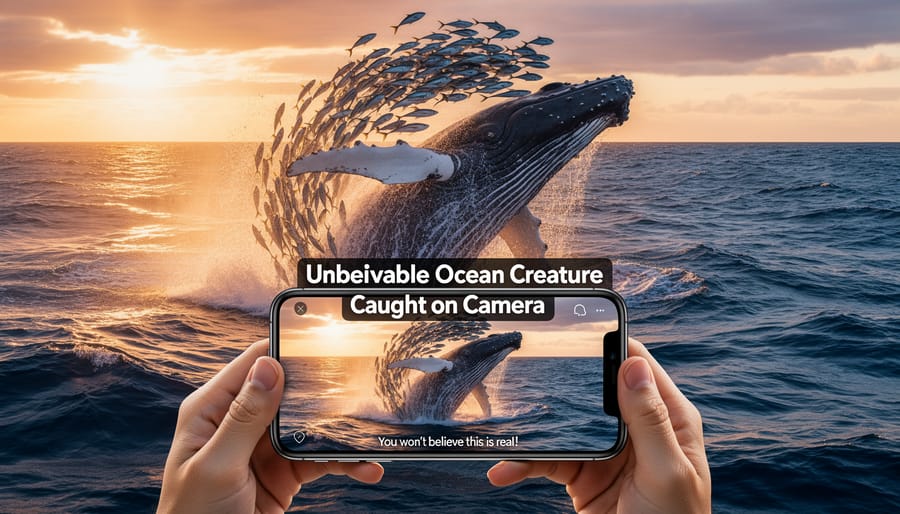
The Life Cycle of a Viral Ocean Claim
A viral ocean claim usually starts small. Someone photographs a stranded animal, an unusual shape in the water, or a strange-looking fish. The image is real, but the caption is an honest guess: “Mysterious sea monster washes ashore!” Without a date, a place, or a named source, the guess is already floating free of its facts.
Next comes the first wave of sharing. Friends and followers pass it along on social media often adding their own words, such as “Scientists are baffled.” Each retelling adds drama and strips away context. Cropped versions replace the original, and the photographer’s name disappears.
Then the claim spreads past its first audience. Platforms favor posts that spark strong reactions, so surprising content climbs quickly. Within days, the same image appears on news-style pages, sometimes attached to a different location entirely.
By now, the claim feels familiar, and familiarity feels like truth. Many people have seen it, so it seems like someone must have checked it. Correction, if it arrives, travels far more slowly than the original.
Why Good Intentions Can Spread Bad Information
Caring about the ocean is exactly why many false stories travel so far. Someone sees a post about a stranded dolphin and a “secret” trick to save it, and they share it within seconds because they want to help. The urge is generous. The result can be harmful.
Consider a few common patterns. An unverified rescue story urges people to push a beached animal back into the water, when a stressed or injured animal may need trained responders instead. A “miracle cure” claim suggests a home remedy for a sick sea turtle, which can delay proper veterinary care. An alarming claim about a mass die-off, shared without a source, can send volunteers rushing to the wrong place or drain attention from a real emergency.
Well-meaning sharing also adds noise that crowds out verified calls for help, such as the hotline numbers responders actually need people to use.
The fix isn’t to care less. It’s to pair that care with a quick pause: check who posted it, look for an official source, and then share. Concern for marine life works best when it’s backed by accurate information.
Common Forms of Marine Misinformation
Marine misinformation takes several recognizable shapes, and once you know them, they get much easier to spot. Most of them travel under the same cover: a sensational headline built to make you gasp, click, and share before you stop to think.
Here are the forms you’re most likely to run into:
- Mislabeled or altered images: a real photo paired with the wrong place or event, such as a dramatic shot of a whale presented as a sighting from your local beach.
- Exaggerated or oversimplified science: a careful finding stretched into a claim the researchers never made, like “scientists say the ocean will be empty by next year.”
- Fabricated sightings and hoaxes: invented creatures or stories, often with edited video, that spread because they feel thrilling.
- Misleading statistics: real numbers stripped of context, such as a huge-sounding figure with no mention of the time period or area it covers.
- Unsafe wildlife advice: confident tips on touching, feeding, or “rescuing” animals that can hurt both people and marine life.
Mislabeled images are among the most common, partly because they require no skill to make. Someone simply attaches a new caption to an old photo, and a picture taken years ago in another part of the world suddenly looks like breaking news.
Oversimplified science is trickier because it often starts with something true. Real research is full of caveats, ranges, and “we need more data,” and those details are the first to disappear when a finding is boiled down to a headline.
Hoaxes and unsafe advice deserve special attention because they can cause real-world harm. A well-meaning person who believes a post about “helping” a stranded animal may crowd it, move it, or feed it, making things worse. Stories like these usually come from caring people who simply didn’t have a reliable source to check.
Notice what all five share: an emotional hook at the front. Whether it’s awe, outrage, or heartbreak, a headline designed to provoke a strong reaction is a signal to slow down. That pause is where media literacy begins.
How Media Literacy Works as a Defense
Practical Checks Anyone Can Do
You don’t need special training to check an ocean claim. A few quick habits catch most false posts before they spread.
Start with the image. Run a reverse image search (Google Images and TinEye both work) to see where else the photo has appeared. If it shows up years earlier, or in a different country, the caption attached to it is probably wrong. Next, check the date and location. Does the post say when and where the photo was taken? A “fresh” sighting that traces back to an older video is a common trick.
Then look for names. A trustworthy claim usually points to a named expert, a research institution, or a published study you can actually find. If the only source is “scientists say” or a screenshot with no link, treat it with caution. Try searching the claim alongside the words “fact check” or the name of a reputable marine science organization.
These same skills are taught in many marine literacy programs where students practice verifying real posts together.
Finally, if you can’t confirm something, don’t share it. A short pause is often the most helpful thing you can do for marine life.
Reading Between the Lines of Ocean Headlines
Headlines are built to grab attention, so start by noticing how a story makes you feel. A line like “Ocean Creature Suffers in Silence” is designed to trigger sympathy or outrage before you’ve read a single fact. That feeling isn’t wrong, but it’s a cue to slow down and look closer.
Next, ask what’s missing. Does the story say where and when something happened? Does it name the scientists or the study behind the claim? A dramatic number with no baseline, such as “50% more sightings” without saying more than what, tells you very little. Cherry-picked data works the same way: one striking measurement can hide a longer trend that looks quite different.
None of this means distrusting everything you read. Most ocean reporting is honest and useful. The goal is to stay curious rather than cynical, and to reward sources that show their work. Communities already practice this through local marine education where people learn to question claims kindly and check them together. The same habit shows up in marine citizen science where careful, honest records matter more than a dramatic story.
How Media Literacy Education Is Used in Conservation and Classrooms
In the Classroom and Youth Programs
Teachers don’t need a special curriculum to start. A single viral ocean post can anchor a whole lesson. Have students trace where an image first appeared, check whether the caption matches the location and date, and note which emotions the post is built to trigger. Then pair the claim with a peer-reviewed study or a statement from a research institution, and ask what the evidence actually supports.
Older students can run mini fact-checks and present their findings to the class, while younger learners can sort real and mislabeled wildlife photos into groups. Programs that carry learning from classroom to conservation show how these habits grow into lasting confidence in handling ocean information.
In Conservation Outreach and Citizen Science
Conservation outreach works best when people trust what they hear. Every time an organization shares a claim, it either builds that trust or spends it. Clear sourcing, honest uncertainty, and plain explanations of how we know what we know give communities something solid to stand on, and they make it easier to spot a false claim when one comes along.
Citizen science depends on the same habits. When volunteers log a sighting, they note the date, location, and conditions, and they flag what they couldn’t confirm. Those small acts of care keep community-collected data useful to researchers. A volunteer who has learned to check a source before posting is also a volunteer who records what they actually saw. Media literacy and good data practice grow side by side.
Ways to Get Involved as a Volunteer
You don’t need a science degree to help protect the ocean from false claims. The Marine Biodiversity Science Center welcomes volunteers who care about accurate, well-sourced ocean information, and there are several ways to jump in.
Start by joining the Center’s online e-network. It’s a friendly community where members share verified marine science, compare notes on questionable posts they’ve come across, and learn quick checking habits from one another. It’s also the easiest way to hear about upcoming volunteer needs.
If you’d rather work face to face, consider supporting the Center’s education programs. Volunteers help run public education events, assist with classroom and youth activities, and support fact-based outreach that gives people reliable answers about marine life. Even a few hours can help a student learn to pause before sharing a dramatic ocean photo.
Not sure where you fit? Reach out and tell the Center what you enjoy, whether that’s teaching, writing, organizing, or simply asking good questions. Every informed volunteer helps make the ocean’s story more accurate.
Common Questions About Marine Misinformation and Media Literacy
Readers often ask the same handful of things when they start paying closer attention to what they see online about the ocean. Here are short, practical answers to the most common ones.
How can I tell if an ocean photo is real?
Run a reverse image search to find the earliest version, then check whether the caption’s location, date and species match what the original source says. If you can’t trace the image to a named photographer, researcher or institution, treat the claim with caution.
Is every dramatic ocean story false?
No. Real events like mass strandings, bleaching and large migrations can look dramatic and still be accurate. The goal isn’t cynicism, it’s asking who documented the event and whether a reputable scientific source confirms it.
What should I do if I already shared something inaccurate?
Delete or correct the post, and add a brief note with the accurate information so friends who saw it get the update. It happens to careful people too, and a quick, honest correction helps rebuild trust.
Where can I find reliable marine science?
Start with university marine programs, government ocean agencies, aquariums and research institutions that publish named experts and cite their methods. Peer-reviewed studies are the strongest foundation, and many institutions share plain-language summaries of them.
Teachers often ask how to begin without overhauling a whole curriculum. A good first step is a ten-minute warm-up: show students one viral ocean post and have them work through the same checks you’d use yourself, who made it, where it came from, and what a scientific source says about the claim. Repeating that small routine builds the habit faster than a single big lesson.
If you have a question that isn’t covered here, bring it to a volunteer event or the Center’s online e-network. Chances are another curious community member is wondering the same thing.
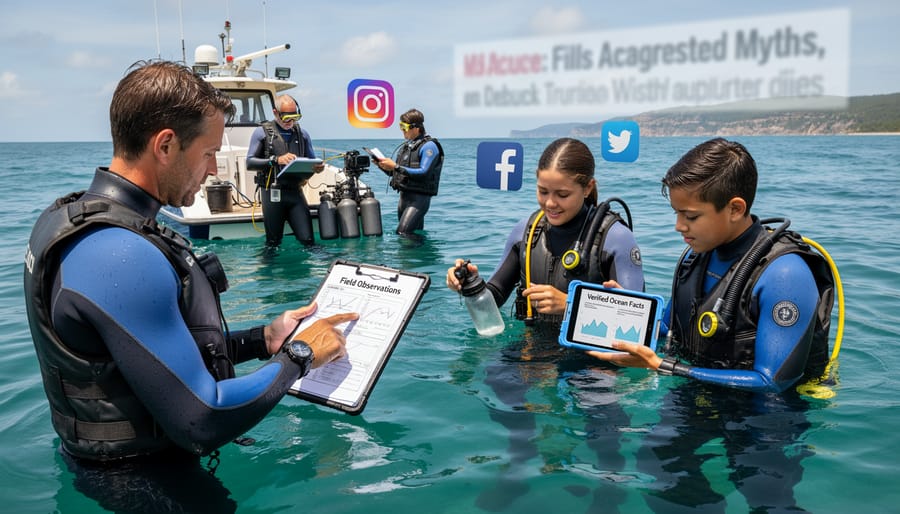
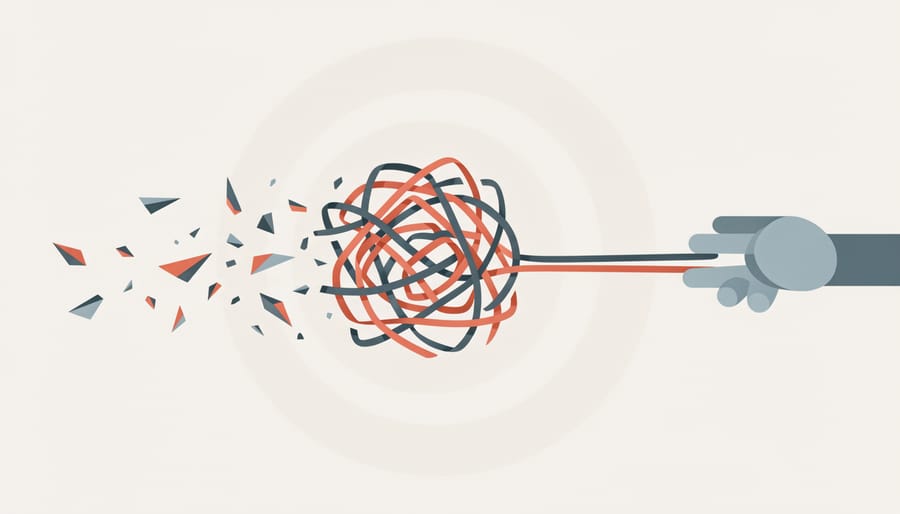
Marine misinformation can feel overwhelming, but it is a problem we can actually solve. False ocean claims spread because they are emotional, visual, and easy to share. That also means the fix is within reach of almost everyone. Pausing before you share, tracing a photo to its source, and checking a claim against trusted marine science takes a minute or two. Those small habits, repeated across thousands of people, change what a community believes and what it does for the ocean.
Media literacy is not a talent some people are born with. It’s a skill you build the same way you learn to identify a species or read a tide chart: by practicing, asking questions, and staying curious. Students can learn it in a classroom. Volunteers can use it when they report what they see on the shore. Families can try it together the next time a dramatic ocean post lands in their feed.
Informed, curious communities make better choices for marine life. They back protected areas for the right reasons, treat wildlife with care, and put their energy into efforts that help. That is the real payoff of this work, and it grows stronger with every person who joins in.
If you want to be part of it, we’d love to have you. Volunteer with the Marine Biodiversity Science Center, help bring fact-based education to your community, and join our online e-network to stay connected with people who care about the ocean as much as you do. Share accurate science, invite a friend along, and help keep the conversation about our seas honest and hopeful.

jessica
Ava Singh is an environmental writer and marine sustainability advocate with a deep commitment to protecting the world's oceans and coastal communities. With a background in environmental policy and a passion for storytelling, Ava brings complex topics to life through clear, engaging content that educates and empowers readers. At the Marine Biodiversity & Sustainability Learning Center, Ava focuses on sharing impactful stories about community engagement, policy innovations, and conservation strategies. Her writing bridges the gap between science and the public, encouraging people to take part in preserving marine biodiversity. When she’s not writing, Ava collaborates with local initiatives to promote eco-conscious living and sustainable development, ensuring her work makes a difference both on the page and in the real world.