Marine Biodiversity Science Center

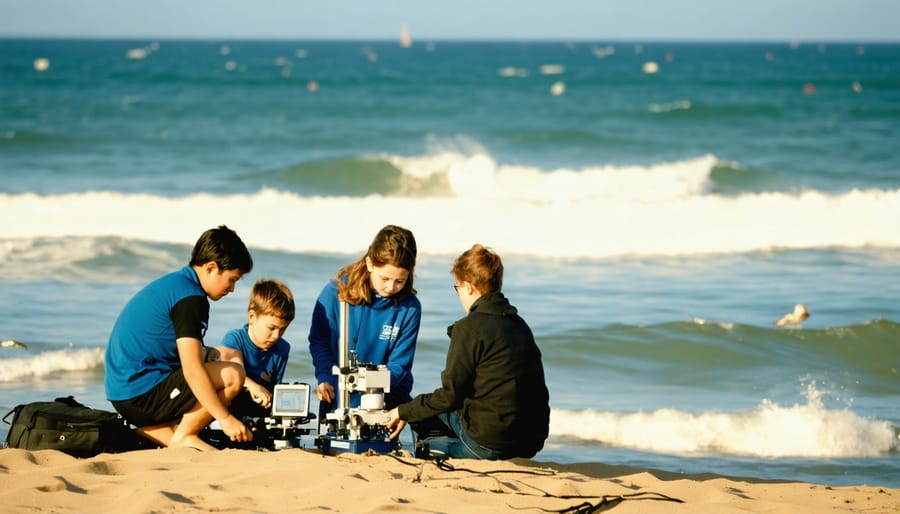
Revolutionize oceanography education by designing effective marine education programs that combine hands-on field experience with cutting-edge marine science. Modern oceanography curriculum demands a dynamic approach that bridges theoretical knowledge with real-world conservation challenges. From mapping ocean currents to studying marine ecosystems, students need comprehensive exposure to both laboratory techniques and field research methodologies.
The growing complexity of marine challenges – from climate change to ocean acidification – requires educational frameworks that prepare the next generation of marine scientists for multifaceted problem-solving. By integrating traditional oceanographic principles with emerging technologies like satellite tracking and deep-sea robotics, educators can create immersive learning experiences that inspire lasting engagement with marine sciences.
This practical guide explores proven curriculum structures that balance academic rigor with experiential learning, ensuring students develop both theoretical understanding and practical skills essential for marine science careers. Whether you’re developing a new program or enhancing existing coursework, these evidence-based approaches will help create transformative educational experiences in oceanography.
Core Components of Modern Oceanography Education
Physical Oceanography Fundamentals
Physical oceanography forms the cornerstone of understanding how our oceans function as a dynamic system. Students explore the fundamental principles of ocean currents, from surface currents driven by wind patterns to deep-water thermohaline circulation. This includes studying the Gulf Stream, Kuroshio Current, and other major ocean highways that influence global climate patterns.
Wave mechanics and behavior constitute another crucial component, where students learn about wave formation, energy transfer, and the impact of waves on coastal environments. From gentle ripples to powerful tsunami waves, understanding these phenomena is essential for coastal management and maritime safety.
Tidal patterns and their relationship with lunar and solar gravitational forces are examined in detail. Students analyze spring and neap tides, learning to predict tidal movements and their effects on marine ecosystems and human activities.
The curriculum emphasizes the ocean’s role in climate regulation, exploring heat distribution, carbon absorption, and the interaction between oceanic and atmospheric processes. This knowledge is particularly relevant as we face global climate challenges, helping students understand the ocean’s critical role in Earth’s climate system.
Marine Biology and Ecosystem Studies
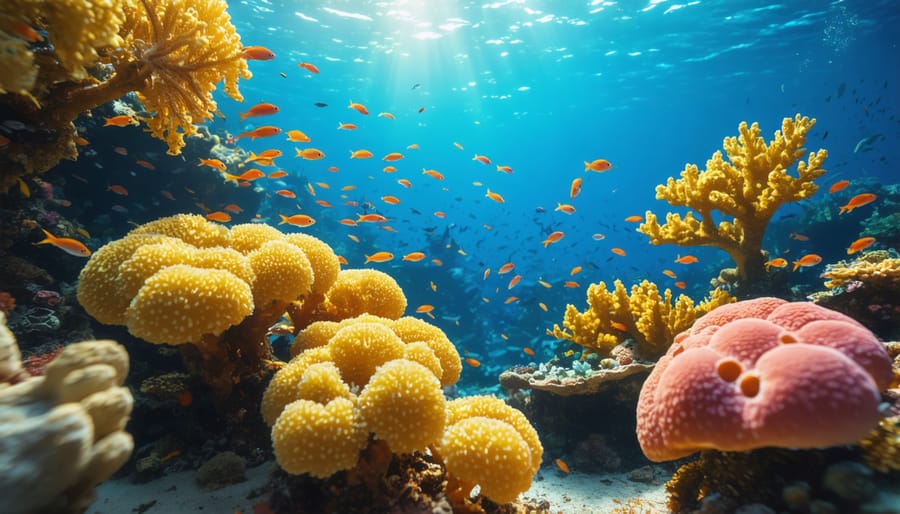
The study of marine life and ecosystems forms a crucial cornerstone of any comprehensive oceanography curriculum. Students engage in detailed marine ecosystem studies that explore the intricate relationships between organisms and their environment. This component introduces learners to marine food webs, from microscopic phytoplankton to apex predators, emphasizing the delicate balance that sustains ocean life.
Practical fieldwork allows students to observe and document marine species in their natural habitats, while laboratory sessions focus on understanding adaptation mechanisms and behavioral patterns. The curriculum covers critical topics such as biodiversity hotspots, migration patterns, and the impact of environmental changes on marine communities.
Students learn to assess ecosystem health through population surveys, water quality analysis, and habitat mapping. Special attention is given to threatened species and habitats, preparing future marine scientists to address conservation challenges. Through case studies of successful marine conservation projects, students gain insights into practical applications of ecosystem management strategies and develop skills essential for marine resource protection.
Hands-on Learning Components
Field Research Techniques
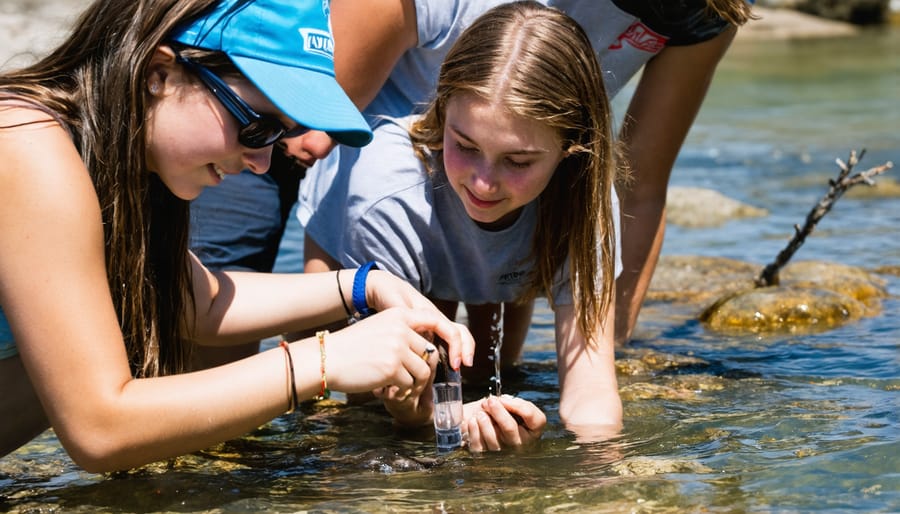
Field research techniques form the backbone of practical oceanography education, combining hands-on experience with scientific methodology. Students begin with basic shoreline surveys, learning to document coastal features and collect sediment samples using standardized quadrat sampling methods. Water quality analysis includes measuring temperature, salinity, pH levels, and dissolved oxygen content using both traditional and digital instruments.
Coastal studies involve regular monitoring of tide patterns, wave action, and beach profiles. Students learn to use tide charts and current meters while documenting erosion patterns and sediment transport. For water sampling, they master the use of Niskin bottles and plankton nets, followed by laboratory analysis of collected specimens.
Marine biodiversity surveys are conducted through systematic observation and documentation. Students practice identification techniques for local species while learning proper data recording methods. They use various sampling techniques, including transect lines for intertidal zones and underwater photography for subtidal areas.
Water quality assessment involves chemical testing protocols, including nutrient analysis and turbidity measurements. Students learn to calibrate instruments, maintain proper chain of custody for samples, and interpret results within environmental standards. Field safety protocols, including weather monitoring and proper equipment handling, are emphasized throughout all practical exercises.
These hands-on experiences are complemented by data analysis workshops where students learn to interpret their findings and understand their significance in the broader context of marine ecosystem health.
Laboratory Exercises
Laboratory exercises form the cornerstone of hands-on oceanographic education, providing students with practical experience in marine science methodologies. Core experiments include water quality testing, where students analyze parameters such as salinity, dissolved oxygen, and pH levels using professional-grade equipment. Plankton sampling and identification exercises allow students to collect microscopic marine life and develop taxonomic skills.
Sediment analysis activities teach students about marine geology through grain size assessment and composition studies. Students learn to use sieves, microscopes, and chemical tests to understand seafloor formations and depositional environments. Wave tank demonstrations help visualize coastal processes and understand beach erosion patterns.
Students also engage in marine chemistry experiments, measuring nutrients like phosphates and nitrates to understand ocean productivity. Computer-based exercises introduce them to oceanographic data analysis, including satellite imagery interpretation and weather pattern tracking.
Field sampling techniques are practiced in controlled laboratory settings before application in natural environments. This includes proper use of various nets, corers, and water samplers. Students learn to process and preserve marine specimens while maintaining detailed laboratory notebooks and following scientific protocols.
Safety protocols and proper laboratory procedures are emphasized throughout all exercises, ensuring students develop professional habits while conducting experiments. Each laboratory session concludes with data analysis and report writing, helping students develop essential scientific communication skills.
Technology Integration
Digital Learning Tools
Modern oceanography education is enhanced by a variety of digital tools that make learning more interactive and engaging. Virtual ocean simulators like NOAA’s Data in the Classroom allow students to explore ocean processes and marine ecosystems from anywhere. Interactive mapping tools such as Google Earth’s Ocean Layer and Marine Traffic help visualize ocean currents, shipping routes, and marine biodiversity hotspots.
Mobile apps have revolutionized field studies, with tools like iNaturalist enabling students to identify and document marine species during coastal surveys. The Seafloor Explorer app lets learners virtually navigate deep-ocean environments and understand bathymetry. For data analysis, tools like Ocean Data View help students visualize and interpret oceanographic measurements.
Online learning platforms including Coursera and edX offer specialized oceanography courses from leading marine institutions. Video resources from National Geographic Education and NASA’s Ocean Color provide high-quality visual content for understanding complex ocean processes. Citizen science platforms such as Zooniverse’s Penguin Watch and Seafloor Explorer engage students in real marine research while developing their analytical skills.
Remote Sensing and Data Analysis
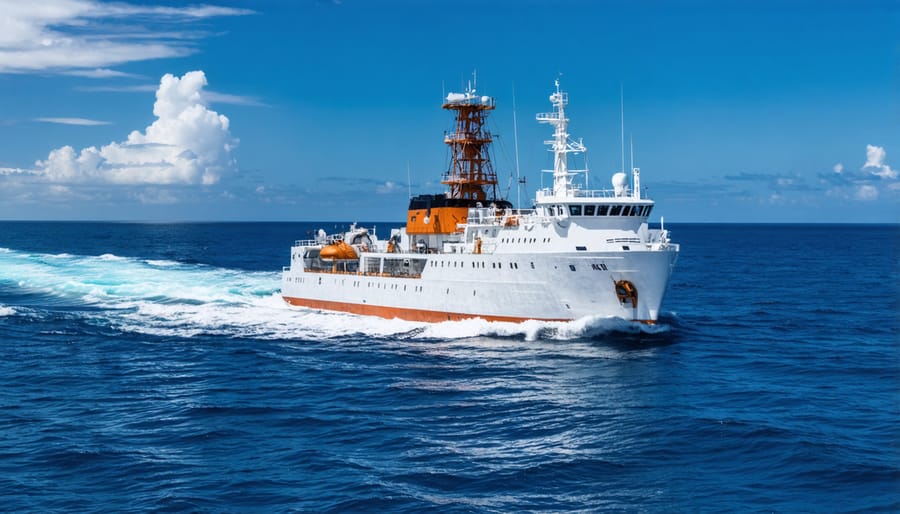
Remote sensing technology has revolutionized how we study and understand our oceans. Students learn to analyze satellite imagery, which provides crucial data about sea surface temperatures, chlorophyll concentrations, and ocean currents. Through hands-on experience with research instruments like CTD (Conductivity, Temperature, Depth) sensors and acoustic doppler current profilers, students gain practical skills in data collection and interpretation.
The curriculum incorporates real-time data from ocean observing systems and teaches students to use specialized software for processing and visualizing oceanographic information. Students learn to interpret sea surface height measurements from satellite altimeters, track marine mammal migrations using telemetry data, and monitor coral reef health through remote imaging techniques.
Practical exercises include creating temperature-depth profiles, analyzing ocean color data to study phytoplankton distributions, and using marine weather buoy data to understand wave patterns and storm systems. Students also gain experience with Geographic Information Systems (GIS) to map ocean features and marine ecosystems, preparing them for real-world research applications in marine science.
This technology-driven approach ensures students develop the analytical skills necessary for modern oceanographic research while understanding the importance of long-term environmental monitoring.
Assessment and Evaluation Strategies
Assessment in oceanography curriculum combines traditional evaluation methods with hands-on practical demonstrations to ensure comprehensive understanding of marine sciences. Regular quizzes and tests evaluate theoretical knowledge, while laboratory reports assess students’ ability to conduct and document scientific experiments.
Field journals play a crucial role, allowing students to demonstrate their observational skills and understanding of marine ecosystems through detailed documentation of field trips and practical exercises. These journals should include sketches, data collection, and analytical observations of marine life and environmental conditions.
Project-based assessments encourage students to dive deeper into specific topics, such as creating detailed reports on marine conservation initiatives or developing solutions for local marine environmental challenges. Group presentations enable collaborative learning and help develop communication skills essential for future marine scientists.
Practical skills assessment includes evaluation of laboratory techniques, proper use of oceanographic equipment, and data collection methodologies. Students should demonstrate proficiency in using various instruments, from simple water testing kits to more sophisticated monitoring devices.
Progress tracking incorporates both quantitative and qualitative measures. Regular feedback sessions help identify areas needing improvement while celebrating achievements. Digital portfolios allow students to showcase their work, including photographs of field activities, research projects, and scientific writings.
Performance rubrics ensure consistent evaluation across different aspects of the curriculum, considering factors such as scientific accuracy, analytical thinking, practical skills, and environmental awareness. These assessment strategies not only measure academic progress but also prepare students for real-world marine science careers.
Conservation and Sustainability Integration
The integration of marine conservation education into oceanography curriculum has become increasingly vital as our oceans face unprecedented challenges. Modern curricula must go beyond traditional marine science concepts to instill a deep understanding of conservation principles and sustainable practices.
Students engage with real-world conservation challenges through case studies of marine protected areas, endangered species recovery programs, and habitat restoration projects. These practical examples help learners understand the complex relationships between human activities and marine ecosystem health. Curriculum designers incorporate hands-on activities such as beach cleanups, citizen science projects, and coral reef monitoring to provide experiential learning opportunities.
Sustainability concepts are woven throughout the curriculum, emphasizing the importance of responsible resource management and the impact of individual choices on ocean health. Students learn about sustainable fishing practices, plastic pollution reduction strategies, and climate change mitigation efforts. They explore innovative solutions like marine renewable energy, sustainable aquaculture, and ecosystem-based management approaches.
The curriculum encourages critical thinking about conservation challenges through group discussions, debate sessions, and problem-solving activities. Students develop projects that address local marine conservation issues, fostering a sense of environmental stewardship and community engagement. Guest lectures from marine biologists and conservation practitioners provide real-world perspectives and inspire future environmental leaders.
Assessment methods include conservation action plans, ecosystem health monitoring reports, and community outreach projects, ensuring students can apply their knowledge to practical conservation efforts. This integrated approach helps create a new generation of ocean stewards who understand both the scientific principles and the urgent need for marine conservation.
A well-designed oceanography curriculum serves as a gateway to understanding our ocean ecosystems and inspiring the next generation of marine scientists and conservationists. Through the integration of theoretical knowledge, hands-on experiences, and modern educational approaches, students can develop a deep appreciation for marine science while gaining practical skills.
The key to successful implementation lies in maintaining a balance between academic rigor and engaging, experiential learning opportunities. Educators should focus on creating interactive lessons that combine classroom instruction with field experiences, laboratory work, and real-world research projects. Regular assessment and adaptation of the curriculum ensure it remains relevant and effective.
To begin implementing this curriculum, start by establishing clear learning objectives and gathering necessary resources. Connect with local marine research institutions and conservation organizations for potential partnerships. Consider incorporating citizen science projects and conservation initiatives to provide students with meaningful ways to contribute to ocean research and protection.
Remember that successful marine education extends beyond the classroom – it creates lasting environmental stewards who understand and actively work to protect our oceans for future generations.

jessica
Ava Singh is an environmental writer and marine sustainability advocate with a deep commitment to protecting the world's oceans and coastal communities. With a background in environmental policy and a passion for storytelling, Ava brings complex topics to life through clear, engaging content that educates and empowers readers. At the Marine Biodiversity & Sustainability Learning Center, Ava focuses on sharing impactful stories about community engagement, policy innovations, and conservation strategies. Her writing bridges the gap between science and the public, encouraging people to take part in preserving marine biodiversity. When she’s not writing, Ava collaborates with local initiatives to promote eco-conscious living and sustainable development, ensuring her work makes a difference both on the page and in the real world.