Marine Biodiversity Science Center

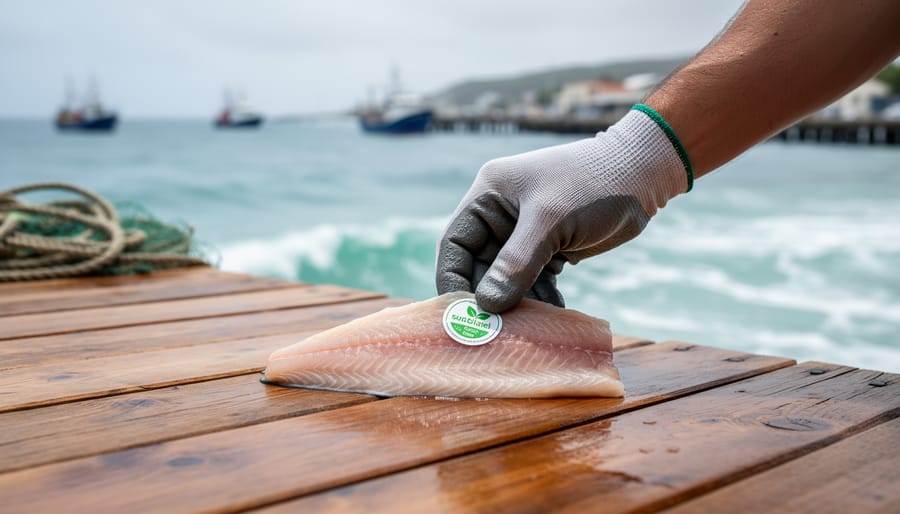
Consumer choice is the power you hold every time you decide what to buy, use, or support, and in a world grappling with climate change and biodiversity loss, those decisions ripple far beyond your shopping cart. Each purchase signals demand to manufacturers, retailers, and entire industries. When you choose sustainably sourced seafood over a cheaper option caught using destructive methods, you’re not simply buying dinner. You’re casting a vote for fishing practices that protect marine ecosystems and the communities that depend on them.
The concept sits at the intersection of economics and environmental stewardship. Traditional economic theory frames consumer choice as rational decision-making driven by price, quality, and preference. But the sustainable lens adds layers of complexity: provenance, ecological footprint, labor practices, and long-term planetary health. Understanding how your choices influence markets gives you genuine leverage to drive conservation outcomes, particularly in marine environments where overfishing, plastic pollution, and habitat destruction continue at alarming rates.
This article breaks down what consumer choice really means in practice. You’ll learn the mechanisms through which individual decisions scale into market shifts, explore the different types of choices available to you, and discover practical tools to align your values with your wallet. We’ll examine real stories from marine biologists who’ve witnessed the impact of consumer-driven change and address the doubts many people carry about whether one person’s actions truly matter. The short answer: they do, and understanding how empowers you to make that impact count.
What Consumer Choice Means in Today’s Marketplace
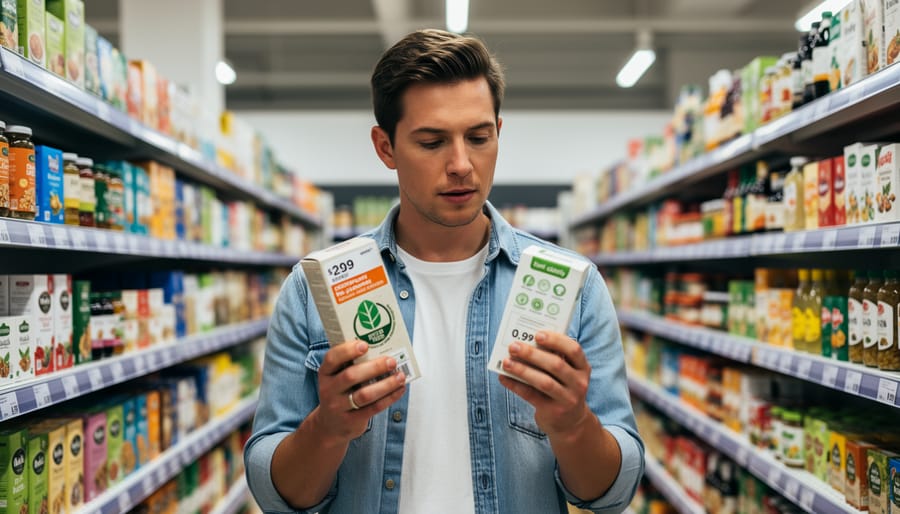
Consumer choice represents the freedom to select from available options in the marketplace based on your preferences, needs, and resources. At its core, this economic concept describes how individuals decide which products to buy, which services to use, and which brands to support. Every purchase you make sends a signal about what matters to you, whether that’s price, performance, ethics, or environmental impact.
Several interconnected factors shape these decisions. Price remains fundamental, most of us work within budgets that limit what we can afford. Quality matters too; a cheaper product that breaks quickly often costs more in the long run. But increasingly, personal values influence purchasing behavior. Growing numbers of consumers factor in sustainability, animal welfare, and corporate responsibility alongside traditional considerations.
Information availability has transformed modern consumer choice. You can now research a product’s environmental footprint, verify sustainability claims, and compare alternatives before buying. This access empowers more deliberate decisions, though it also creates new challenges around misinformation and greenwashing.
- Consumer Choice
- The ability and freedom of individuals to select among competing products, services, and brands based on their preferences, values, and available information.
- Purchasing Power
- The financial capacity to buy goods and services, which both enables and constrains the range of choices available to any individual consumer.
- Market Demand
- The collective signal that consumer purchases send to producers and retailers about which products, features, and practices the market values and will support financially.
- Informed Decision-Making
- The process of gathering and evaluating relevant information about products, including their origins, impacts, and alternatives, before making a purchase choice.
Understanding consumer choice matters profoundly for marine conservation because your purchases directly affect ocean health. When you choose sustainably sourced seafood, you reduce pressure on overfished populations. When you avoid single-use plastics, you help prevent marine pollution. These individual decisions accumulate into market forces that can shift entire industries toward or away from practices that harm marine ecosystems. Recognizing this connection transforms shopping from a mundane task into an opportunity to protect the biodiversity that sustains our oceans.
How Consumer Choice Drives Environmental Impact

Every product you buy sends a signal through the global economy, and when thousands of consumers send the same signal, corporations listen. Your decision to choose MSC-certified tuna over conventional options isn’t just a personal preference, it’s market data that retailers, distributors, and fishing companies track meticulously. When sales of sustainable seafood consistently outperform alternatives, supermarkets expand their certified offerings and fishing operations invest in more selective gear to meet that demand.
This aggregation effect transforms individual actions into economic pressure. Consider how the seafood industry has responded to consumer preferences over the past decade. As shoppers increasingly asked questions about bycatch and overfishing, major retailers like Whole Foods and Tesco established seafood sustainability policies. These policies, in turn, required their suppliers to adopt verifiable practices or lose shelf space. The result? Measurable reductions in destructive fishing methods and increased protection for species like bluefin tuna that were once headed toward commercial extinction.
The mechanism works similarly with plastic consumption. Each time you select products with minimal packaging or refuse single-use plastics, you contribute to a demand shift that manufacturers cannot ignore. When enough consumers reject excessive packaging, companies reformulate their products to stay competitive. Unilever’s decision to eliminate microplastics from personal care products came directly from sustained consumer pressure and the recognition that plastic-conscious shoppers were choosing competitors.
The cause-and-effect chain connecting your purchases to marine health is direct. Plastic packaging you buy today can become ocean debris within months, where it fragments into microplastics that infiltrate marine food webs from plankton to whales. But the reverse is also true: sustained consumer preference for alternatives drives innovation in biodegradable materials and closed-loop packaging systems that keep plastics out of waterways.
“Voting with your wallet” means exactly this, using purchasing power as a democratic tool to shape corporate behavior. Unlike political voting, which happens periodically, consumer voting occurs with every transaction. Your consistent choices for ocean-friendly products, seafood from well-managed fisheries, and reef-safe sunscreens accumulate into market trends that redirect investment, influence product development, and ultimately determine which fishing practices and manufacturing methods survive in the marketplace.
Categories of Consumer Choices That Affect Marine Life
Seafood and Marine Product Decisions
Your seafood choices ripple through marine ecosystems in ways both direct and profound. When you select certified sustainable options, look for Marine Stewardship Council (MSC) or Aquaculture Stewardship Council (ASC) labels, you’re supporting fisheries that maintain healthy fish populations and minimize habitat destruction. These certifications verify catch limits, gear types that reduce bycatch, and practices that protect spawning grounds.
Species selection matters enormously. Choosing abundant fish like Pacific sardines or farmed mussels over overfished bluefin tuna or Chilean sea bass helps threatened populations recover. The wild-caught versus farmed decision isn’t straightforward: responsibly managed aquaculture can relieve pressure on wild stocks, but poorly sited farms may pollute coastal waters, spread disease, or worsen ocean acidification through nutrient runoff.
Your purchases send clear signals. Rising consumer demand for traceable, sustainable seafood has pushed retailers to drop unsustainable suppliers and incentivized fisheries to pursue certification. Each decision either rewards destructive practices or funds the recovery of marine habitats and the species that depend on them.
Plastic, Packaging, and Waste Choices
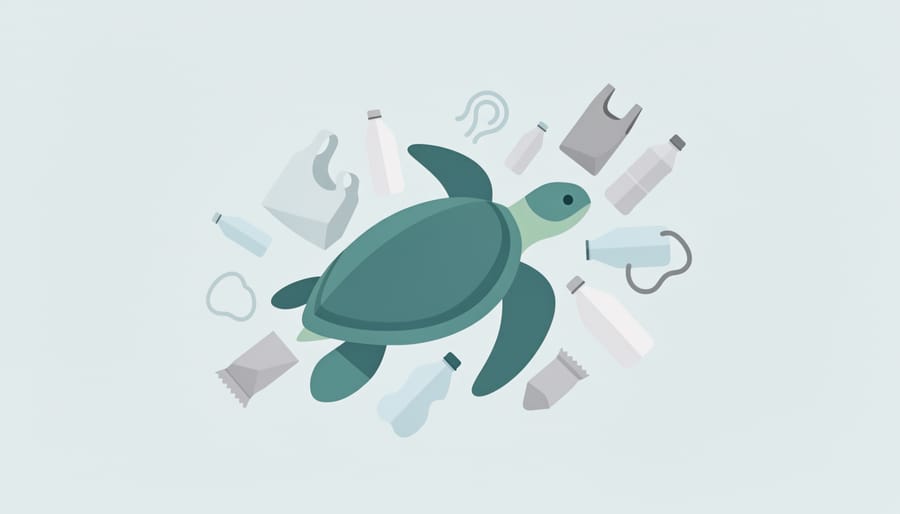
Every piece of plastic ever made still exists somewhere on Earth, and at least eight million tons enter our oceans each year. The packaging decisions you make at the grocery store, pharmacy, and online checkout directly feed this crisis.
Single-use plastics, water bottles, shopping bags, takeout containers, straws, break down into microplastics that marine animals mistake for food. Sea turtles consume plastic bags thinking they’re jellyfish. Filter feeders ingest microplastic particles that accumulate in their tissues and move up the food chain to the fish we eat.
Your choices extend beyond the obvious culprits. Many facial scrubs, toothpastes, and detergents contain microbeads, tiny plastic particles designed to wash down the drain and straight into waterways. Clothing made from synthetic fibers sheds microplastic fragments with each wash.
When you choose products with minimal packaging, opt for glass or aluminum over plastic, select natural-fiber clothing, and avoid personal care products with polyethylene or polypropylene listed in ingredients, you reduce the plastic load entering marine environments. Reusable alternatives matter: switching from disposable to reusable water bottles alone prevents hundreds of plastic bottles from entering the waste stream annually.
Tourism and Coastal Recreation Selections
Your tourism and coastal recreation choices create ripples through marine ecosystems long after you’ve left the beach. When you select a snorkeling tour operator, book a coastal hotel, or pack your beach bag, you’re casting votes that either support ocean health or contribute to its decline.
Eco-tourism certifications like Green Fins or Blue Flag indicate operators committed to minimal environmental impact, but scrutinize their practices directly. Does the whale-watching company maintain legal distances? Do they limit boat numbers to prevent harassment? Responsible operators educate passengers about marine life rather than chasing animals for photo opportunities.
Your sunscreen choice matters more than you might expect. Traditional formulas containing oxybenzone and octinoxate damage coral DNA and disrupt marine reproduction even at concentrations as low as one drop in six Olympic swimming pools. Mineral-based alternatives with zinc oxide or titanium dioxide protect both your skin and reef ecosystems.
Beach destination selections influence local conservation funding. Communities that depend on marine tourism revenue often invest in habitat protection and sustainable fishing regulations. Choosing destinations with active marine protected areas and supporting local conservation initiatives through entrance fees or donations strengthens these efforts while demonstrating that healthy oceans generate economic value worth protecting.
Making Informed Choices: Tools and Resources
Turning consumer awareness into action requires reliable information at your fingertips. The good news: a growing ecosystem of tools now makes it straightforward to verify whether your seafood dinner supports healthy oceans or contributes to overfishing and habitat destruction.
Certification labels offer the fastest shortcut to sustainable choices at the counter or menu. The Marine Stewardship Council (MSC) blue fish label identifies wild-caught seafood from fisheries that maintain healthy populations and minimize environmental impact. The Aquaculture Stewardship Council (ASC) certifies responsibly farmed fish and shellfish, addressing concerns about pollution, disease, and feed sustainability. Ocean Wise, developed by Vancouver Aquarium, provides regional recommendations tailored to North American waters. These aren’t perfect systems, critics point to occasional gaps in enforcement, but they represent significant improvements over unverified claims.
Several practical resources can guide your purchasing decisions:
– Mobile apps like Seafood Watch (Monterey Bay Aquarium) provide instant ratings on fish species and brands while you shop
– The Marine Biodiversity Science Center’s research database translates peer-reviewed studies into accessible summaries about threatened species and ecosystem impacts
– Good Fish Guide (Marine Conservation Society) offers region-specific advice for UK and European consumers
– FishChoice connects seafood buyers with verified sustainability information and traceability data
– Conservation organization scorecards rate supermarket chains and restaurant groups on their ocean policies
Beyond seafood, look for certifications addressing plastic pollution: Plastic Negative, rePurpose Global, and Ocean Bound Plastic labels identify products that remove more plastic from marine environments than they generate. The Coral Reef Safe certification helps tourists and beachgoers avoid sunscreens containing oxybenzone and octinoxate, chemicals that damage coral polyps even in minute concentrations.
The Marine Biodiversity Science Center maintains updated guides connecting these tools to specific conservation outcomes, showing exactly how your choices translate into protected habitats and recovering populations.
When Consumer Choice Falls Short: The Limits of Individual Action
While consumer choice wields real influence, it isn’t a silver bullet for ocean conservation. Significant barriers limit what individual purchasing power can achieve alone.
Cost remains the most obvious hurdle. Certified sustainable seafood often carries a 20-40% price premium over conventional options. For families on tight budgets, choosing between feeding their household and protecting marine ecosystems isn’t a fair dilemma. Geographic availability compounds this challenge, many inland communities lack access to diverse sustainable seafood options, while coastal areas may offer only what local fisheries provide, regardless of sustainability.
Misinformation and greenwashing further muddy the waters. Companies slap ocean-friendly imagery on products with minimal environmental credentials, making it nearly impossible for shoppers to distinguish genuine efforts from marketing spin. Even well-intentioned consumers spend mental energy decoding labels rather than simply making informed purchases.
Most critically, individual daily choices cannot address systemic problems. No amount of personal purchasing will stop illegal fishing fleets, regulate industrial pollution, or establish marine protected areas. These require government policy, international cooperation, and industry-wide standards that only collective political action can secure.
This doesn’t diminish the value of thoughtful consumption. Rather, it clarifies that consumer choice works best as part of a broader strategy. Your purchasing decisions signal market demand while advocacy efforts push for the structural changes that make sustainable options accessible, affordable, and universal.
From Purchase to Impact: A Marine Biologist’s Perspective
Dr. Elena Martinez still remembers the first time she saw a sea turtle with a belly full of plastic bags during a research dive off the coast of Costa Rica in 2018. That image haunted her for months. But what gives her hope today isn’t just scientific innovation, it’s watching consumer demand reshape entire industries.
“Over the past eight years, I’ve documented a remarkable shift in longline fishing operations throughout the Pacific,” Martinez explains. “When major retailers began requiring bycatch reduction as a condition for purchasing tuna, fisheries responded. We’ve measured a 60% decrease in sea turtle interactions in monitored fisheries that adopted circle hooks and modified their practices to meet buyer specifications.”
The mechanism is straightforward but powerful. When consumers consistently choose MSC-certified seafood or refuse products with excessive plastic packaging, retailers notice. They adjust purchasing contracts. Suppliers modify operations to meet new requirements. Martinez has tracked this chain reaction from grocery aisles to fishing grounds, witnessing protected shark populations rebound and dolphin-safe practices become industry standard rather than exception.
Her research team recently completed a five-year study showing that consumer pressure on a single major seafood distributor led to gear modifications across 47 fishing vessels, preventing an estimated 2,300 sea turtle deaths annually. “Individual purchases feel small,” she notes, “but aggregated demand creates the economic incentive that regulation alone often can’t achieve quickly enough.”
Common Questions About Consumer Choice and Ocean Conservation
Do individual choices really matter for ocean health?
Yes, but through collective impact rather than solo heroism. When thousands of consumers shift their seafood preferences or reject plastic packaging, retailers and suppliers respond by changing sourcing practices and product offerings. Your individual choice becomes meaningful when it joins a broader movement of sustainable consumer behavior.
How can I verify sustainability claims aren’t just greenwashing?
Look for third-party certifications like Marine Stewardship Council (MSC) or Aquaculture Stewardship Council (ASC) rather than vague marketing language. Check the certifier’s website to confirm the product is actually listed in their database, and be skeptical of self-created labels that sound impressive but lack independent verification.
What if sustainable options cost more than I can afford?
Start with high-impact, low-cost changes like refusing single-use plastics or choosing abundant fish species over threatened ones. Sustainable choices don’t always mean premium prices, and buying less seafood more thoughtfully often balances out the cost difference while reducing overall environmental impact.
Can consumer choice alone save endangered marine species?
No, and it shouldn’t have to. Consumer action works best alongside policy advocacy, protected marine areas, and enforcement of fishing regulations. Think of your purchasing decisions as one tool in a larger conservation toolkit, not a magic solution that excuses inaction elsewhere.
The intersection of consumer power and marine conservation raises legitimate questions about efficacy and practicality. Many people want to help but feel overwhelmed by conflicting information or discouraged by the scale of ocean threats. Understanding both the potential and the limits of consumer choice helps you direct your energy where it matters most without falling into either cynicism or magical thinking about shopping your way to ocean recovery.
Consumer choice represents more than an abstract economic concept. It’s a daily practice that connects your wallet to the world’s oceans. Every purchasing decision you make sends signals through supply chains, influencing how companies source seafood, design packaging, and measure their environmental footprint.
Your informed choices matter, especially when combined with those of thousands of others who share your values. Markets respond to collective demand. When enough consumers refuse unsustainable products and support responsible alternatives, companies adapt or lose ground to competitors who do.
Yet consumer choice alone cannot solve the systemic challenges facing marine ecosystems. It works best alongside policy advocacy, habitat restoration, scientific research, and community engagement. Think of your purchasing power as one tool in a larger conservation toolkit.
Ready to expand your impact beyond the checkout line? The Marine Biodiversity Science Center offers volunteer opportunities where you can contribute directly to ocean research and conservation projects. Join our e-network to receive science-based guidance on sustainable choices, learn about emerging threats to marine life, and connect with a community committed to protecting our oceans for future generations.

jessica
Ava Singh is an environmental writer and marine sustainability advocate with a deep commitment to protecting the world's oceans and coastal communities. With a background in environmental policy and a passion for storytelling, Ava brings complex topics to life through clear, engaging content that educates and empowers readers. At the Marine Biodiversity & Sustainability Learning Center, Ava focuses on sharing impactful stories about community engagement, policy innovations, and conservation strategies. Her writing bridges the gap between science and the public, encouraging people to take part in preserving marine biodiversity. When she’s not writing, Ava collaborates with local initiatives to promote eco-conscious living and sustainable development, ensuring her work makes a difference both on the page and in the real world.