Marine Biodiversity Science Center

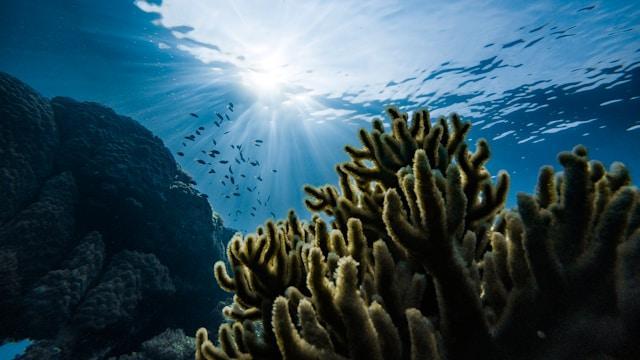
Coastal communities sit at a point of direct contact with the marine ecosystems that most people only ever see from a distance. That proximity creates both a responsibility and an opportunity.
The residents of these communities – whether they fish commercially, run tourism businesses, or simply live near the water – have a stake in the health of local marine environments that policy alone can’t fully address.
The good news is that practical, community-level action has a measurable effect. It doesn’t replace the need for broader regulatory frameworks, but it does add something those frameworks can’t provide on their own.
Documenting What’s Actually There
You can’t protect what you don’t know exists, and many coastal areas are surprisingly poorly documented at the species level. Citizen science programs that train community members to identify and record local marine life have produced useful baseline data in areas where formal scientific surveys are infrequent or expensive to run.
A waterproof camera has become a practical tool in this kind of documentation – divers, snorkelers, and kayakers can capture species observations in their local waters and contribute them to platforms like iNaturalist, which aggregates community data into records that researchers and managers can actually use.
The documentation doesn’t need to be expert-level to be useful. Consistent observation over time, even by non-specialists, builds a picture of what’s present and how conditions are changing.
Reducing Land-Based Pollution at the Source
A significant proportion of the damage done to coastal marine ecosystems originates on land. Stormwater runoff carries fertilizers, pesticides, pet waste, and motor oil directly into near-shore waters.
In many coastal areas, this kind of diffuse pollution is harder to address than point-source pollution from industrial outflows, but it’s also something that communities have direct influence over.
Practical measures include reducing pesticide and fertilizer use in residential gardens, maintaining or restoring vegetated buffers between developed land and the shoreline, and supporting local stormwater management improvements.
None of these require significant infrastructure investment, and collectively they reduce the nutrient loading that drives algal blooms and hypoxic zones in coastal waters.
Protecting Seagrass and Kelp Beds
Seagrass meadows and kelp forests are among the most productive and ecologically important marine habitats in coastal zones, and both are highly vulnerable to human pressure. Boat propeller damage, anchor dragging, and sediment disturbance from poorly managed coastal development can destroy these habitats faster than they can recover.
Community-level protection often starts with education – making sure local boaters and recreational users know where sensitive habitats are and how to avoid damaging them.
Some communities have implemented voluntary no-anchor zones over seagrass beds, and the simple act of marking these areas and explaining why they matter has reduced incidental damage significantly.
Supporting Sustainable Local Fishing Practices
In communities where fishing is part of the local economy and culture, the relationship between fishing pressure and ecosystem health is immediate and personal. Fishers who depend on healthy stocks have an obvious long-term interest in maintaining them, but short-term economic pressures can push in the other direction.
Community-supported fishery models, local catch limits, and the avoidance of destructive gear types in sensitive habitats are all measures that fishing communities have implemented successfully in various parts of the world.
When these decisions come from within the community rather than being imposed from outside, compliance and buy-in tend to be substantially higher.
Building Local Knowledge Into Management Decisions
Formal marine management decisions are often made at a distance from the communities most affected by them. One of the most effective things coastal communities can do is ensure that local ecological knowledge – the accumulated observation of people who have worked the water for decades – gets incorporated into those processes.
This means showing up to public consultations, documenting local observations in forms that researchers and managers can access, and building relationships with the academic and government bodies that make decisions about nearby marine areas.
Local knowledge doesn’t replace scientific data, but it complements it in ways that often improve the quality of management outcomes.
Starting Where You Are
Marine conservation can feel like a problem that operates at scales too large for individuals or communities to influence. That feeling is understandable but not entirely accurate. The condition of the marine environment closest to any given coastline is significantly shaped by what happens on that coastline.
Communities that take their local marine environment seriously – documenting it, reducing their impact on it, and advocating for its protection – tend to end up with healthier near-shore ecosystems than communities that treat it as someone else’s problem.
That’s not a guarantee, but it’s a consistent enough pattern to be worth acting on.

jessica
Ava Singh is an environmental writer and marine sustainability advocate with a deep commitment to protecting the world's oceans and coastal communities. With a background in environmental policy and a passion for storytelling, Ava brings complex topics to life through clear, engaging content that educates and empowers readers. At the Marine Biodiversity & Sustainability Learning Center, Ava focuses on sharing impactful stories about community engagement, policy innovations, and conservation strategies. Her writing bridges the gap between science and the public, encouraging people to take part in preserving marine biodiversity. When she’s not writing, Ava collaborates with local initiatives to promote eco-conscious living and sustainable development, ensuring her work makes a difference both on the page and in the real world.