Marine Biodiversity Science Center

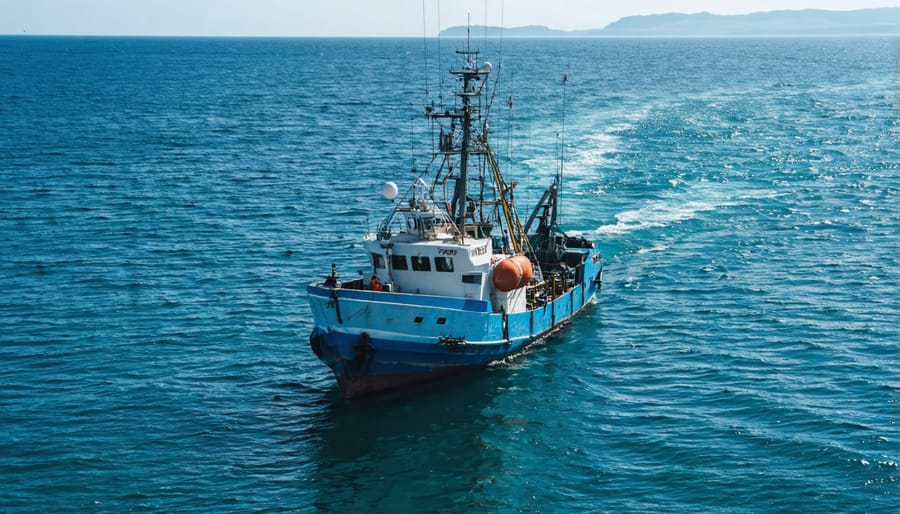
Sustainable fishing practices represent the delicate balance between meeting global seafood demands and preserving marine ecosystem biodiversity for future generations. At its core, sustainable fishing encompasses scientifically-determined catch limits, selective gear technologies, and ecosystem-based management approaches that ensure fish populations can naturally replenish. Modern sustainable practices have evolved beyond simple quotas to include real-time monitoring systems, protected marine zones, and innovative fishing methods that minimize bycatch and habitat destruction. These practices not only safeguard marine species but also support coastal communities that depend on fishing for their livelihoods. Understanding and implementing sustainable fishing practices has become increasingly crucial as global fish consumption continues to rise, making it essential for both environmental preservation and food security. The challenge lies in balancing immediate economic needs with long-term ecological stability, requiring collaboration between scientists, fishers, and policymakers to develop and maintain effective sustainability measures.
Core Principles of Sustainable Fishing
Population Monitoring and Quota Management
Effective population monitoring and quota management form the backbone of sustainable fishing practices. Marine scientists conduct regular stock assessments using advanced sonar technology, catch data analysis, and underwater surveys to determine fish population health and abundance. These assessments help establish science-based catch limits that ensure fish populations can naturally replenish.
Quota systems, implemented by fishery management organizations, allocate specific catch amounts to different fishing entities based on these scientific assessments. Modern quota management often employs Individual Transferable Quotas (ITQs), where fishers receive rights to harvest a certain percentage of the total allowable catch. This approach has proven successful in preventing overfishing while maintaining economic viability for fishing communities.
Real-time monitoring through vessel tracking systems and electronic logbooks helps ensure compliance with quotas. Many regions now require independent observers on fishing vessels or electronic monitoring systems to verify catch amounts and species composition. This data-driven approach allows for adaptive management, where quotas can be adjusted based on changing environmental conditions or population trends, ensuring long-term sustainability of fish stocks.
Selective Fishing Methods
Selective fishing methods represent a crucial component of sustainable fishing practices, focusing on techniques that minimize unintended catch while maximizing the harvest of target species. These methods employ specialized gear and approaches designed to reduce bycatch – the accidental capture of non-target species – and protect juvenile fish populations essential for future stock sustainability.
One prominent example is the use of turtle excluder devices (TEDs) in trawl nets, which allow sea turtles and other large marine animals to escape while retaining the intended catch. Similarly, circle hooks have proven effective in reducing the accidental capture of sea turtles and sharks in longline fisheries while maintaining catch rates of target species.
Size-selective mesh nets are another vital tool, designed with specific mesh sizes that allow juvenile fish to escape while capturing only adult specimens that have had the chance to reproduce. Some fisheries also employ acoustic devices and light-based technologies to attract target species while deterring others, further reducing unnecessary catch.
Time and area restrictions complement these technical solutions, with fishing activities scheduled around breeding seasons and migration patterns to protect vulnerable populations during critical life stages.
Technology and Innovation in Sustainable Fishing
Smart Gear and Equipment
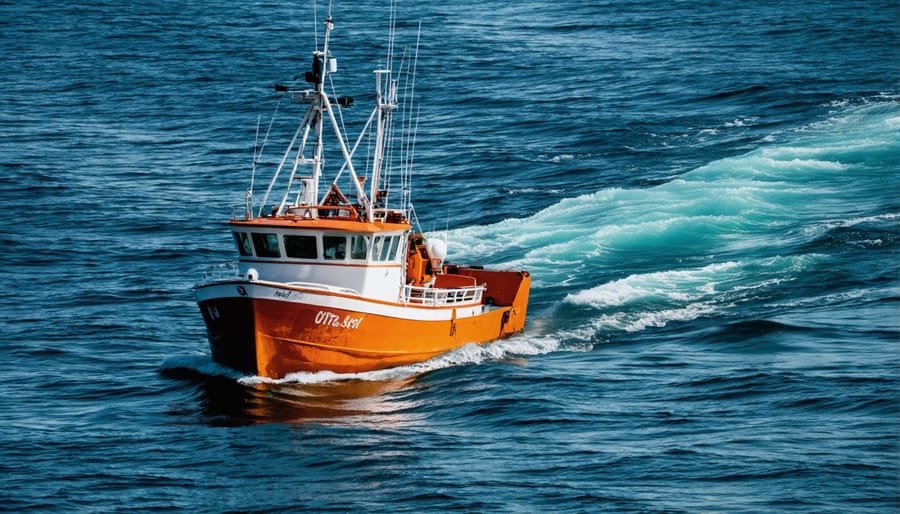
Modern sustainable fishing practices heavily rely on innovative gear and equipment designed to minimize environmental impact while maximizing efficiency. Smart nets equipped with escape panels and turtle excluder devices (TEDs) allow non-target species to swim free while retaining intended catch. Advanced sonar technology helps fishers locate specific fish populations without disturbing other marine life, reducing unnecessary trawling and habitat damage.
Selective fishing gear, such as modified hooks and lines, targets specific species and size ranges, dramatically reducing bycatch rates. GPS mapping systems integrated with real-time ocean data help fishers avoid sensitive marine areas and endangered species hotspots. Some vessels now employ automated monitoring systems that track catch quantities and species composition, ensuring compliance with quotas and regulations.
LED lights attached to fishing nets have shown promising results in deterring non-target species while attracting target fish, improving catch selectivity. Additionally, biodegradable fishing gear materials are becoming increasingly common, addressing the ghost fishing problem caused by lost or abandoned equipment. These technological advances demonstrate how innovation can support both productive fishing operations and marine conservation goals.
Monitoring and Tracking Systems
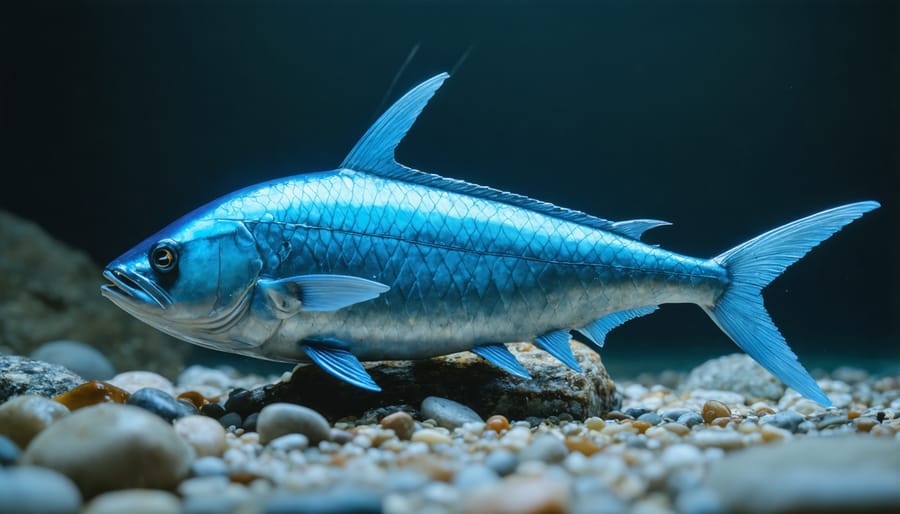
Modern sustainable fishing practices rely heavily on advanced monitoring and tracking systems that ensure transparency and accountability throughout the fishing process. Vessel Monitoring Systems (VMS) use satellite technology to track fishing vessel locations, speeds, and activities in real-time, helping authorities prevent illegal fishing in protected areas.
Electronic catch documentation systems have revolutionized how fishing data is recorded and shared. These digital platforms allow fishers to log their catches instantly, providing valuable information about species, quantities, and locations. This data helps scientists assess fish populations and adjust quotas accordingly, while also enabling consumers to trace their seafood back to its source.
Observer programs have also gone digital, with video monitoring systems and AI-powered cameras now complementing human observers on vessels. These technologies can identify species, measure fish sizes, and monitor fishing methods 24/7, ensuring compliance with regulations and sustainable practices.
Blockchain technology is emerging as a powerful tool for tracking seafood from ocean to plate, making it harder for illegally caught fish to enter the supply chain and helping consumers make informed choices about their seafood purchases.
Regulatory Framework and Certification
The sustainable fishing industry operates within a complex framework of international laws, national regulations, and voluntary certification programs designed to protect marine ecosystems. The United Nations Convention on the Law of the Sea (UNCLOS) provides the fundamental legal framework for marine resource management, while regional fisheries management organizations (RFMOs) oversee specific geographic areas and species.
Key certification programs have emerged as powerful tools for promoting sustainable practices. The Marine Stewardship Council (MSC) certification is widely recognized as the gold standard, requiring fisheries to demonstrate healthy fish populations, minimal ecosystem impact, and effective management systems. Similarly, the Aquaculture Stewardship Council (ASC) certifies responsible fish farming operations.
National governments implement these international guidelines through specific legislation. For example, in the United States, the Magnuson-Stevens Fishery Conservation and Management Act establishes science-based catch limits and requires rebuilding plans for overfished species. The European Union’s Common Fisheries Policy focuses on quota systems and gear restrictions to maintain fish populations at sustainable levels.
Third-party verification systems play a crucial role in ensuring compliance. Independent observers monitor fishing vessels, while technological solutions like vessel monitoring systems (VMS) and electronic logbooks provide real-time data on fishing activities. These mechanisms help combat illegal, unreported, and unregulated (IUU) fishing, which threatens sustainable practices.
Local fishing communities often participate in co-management schemes, working with authorities to develop and enforce regulations that protect both marine resources and traditional fishing rights. This collaborative approach has proven successful in many regions, demonstrating that effective regulation requires both top-down policies and bottom-up engagement.
Economic and Social Benefits
Sustainable fishing practices create a ripple effect of positive impacts that extend far beyond marine ecosystems. When properly implemented, these practices ensure the long-term viability of fishing as both an industry and a way of life. Local fishing communities thrive when fish populations remain stable, providing consistent income and job security across generations.
The economic benefits are substantial and far-reaching. Sustainable fishing helps maintain higher fish populations, which leads to better catch rates and higher-quality products. This translates into premium prices in the market and increased profitability for fishers. Additionally, sustainable practices often reduce operational costs through more efficient gear usage and reduced fuel consumption.
From a social perspective, sustainable fishing preserves traditional fishing cultures and knowledge while fostering community resilience. It creates stable employment opportunities not just in fishing, but also in related industries such as processing, distribution, and tourism. Communities that embrace sustainable practices often experience improved food security and better access to nutritious seafood.
The long-term economic stability provided by sustainable fishing also encourages investment in infrastructure and education, creating a positive cycle of development. When fishing communities prosper, they’re better positioned to invest in conservation efforts and modern sustainable technologies, ensuring the continued health of marine resources for future generations.
Future Challenges and Solutions
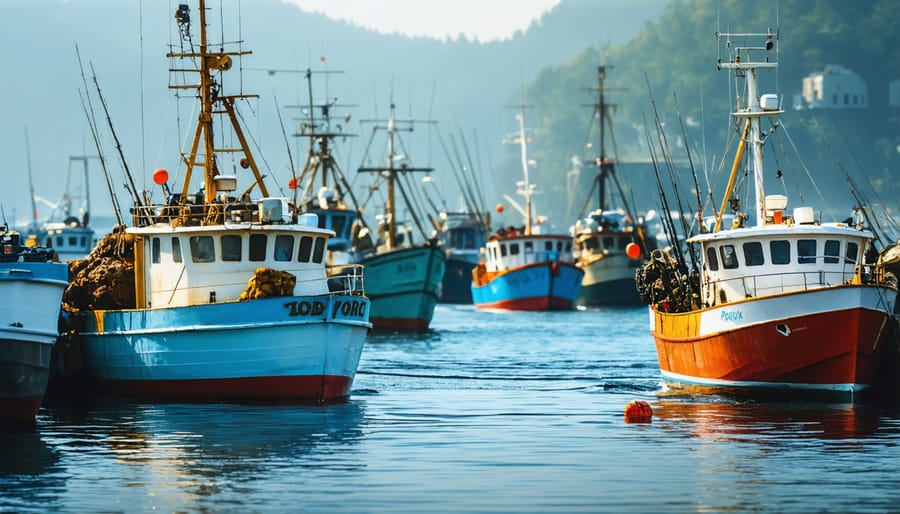
As we look toward the future of sustainable fishing, several emerging challenges in ocean conservation require innovative solutions. Climate change continues to alter marine ecosystems, affecting fish migration patterns and breeding grounds. This shifts traditional fishing grounds and requires adaptive management strategies to maintain sustainable practices.
Technological advancement offers promising solutions, including AI-powered monitoring systems that can track fish populations in real-time and smart nets that reduce bycatch. Blockchain technology is being implemented to enhance supply chain transparency, allowing consumers to trace their seafood from ocean to plate.
The growing global population presents another significant challenge, increasing demand for seafood while stocks are already under pressure. To address this, aquaculture innovations are focusing on sustainable feed alternatives and integrated multi-trophic systems that minimize environmental impact.
Community-based management programs are gaining traction, combining traditional fishing knowledge with modern conservation techniques. These initiatives empower local communities while ensuring sustainable resource management.
Looking ahead, success will depend on international cooperation, continued technological innovation, and strengthened enforcement of fishing regulations. Investment in research and development of alternative protein sources, including plant-based seafood and cellular agriculture, may help reduce pressure on wild fish stocks while meeting global protein demands.
Sustainable fishing practices represent a critical balance between meeting our current needs and preserving marine ecosystems for future generations. Through careful implementation of science-based quotas, selective gear usage, and habitat protection measures, we can ensure the long-term viability of our ocean’s resources. The success of these practices depends on the collective commitment of fisheries, governments, consumers, and conservation organizations working together.
By supporting sustainable fishing practices through informed purchasing decisions, advocating for stronger marine protection policies, and spreading awareness about responsible seafood consumption, each of us can contribute to ocean conservation. Whether you’re a seafood consumer, industry professional, or conservation advocate, your choices matter. Together, we can create a future where healthy marine ecosystems thrive alongside prosperous fishing communities, ensuring that future generations can continue to benefit from the ocean’s bounty while preserving its remarkable biodiversity.

jessica
Ava Singh is an environmental writer and marine sustainability advocate with a deep commitment to protecting the world's oceans and coastal communities. With a background in environmental policy and a passion for storytelling, Ava brings complex topics to life through clear, engaging content that educates and empowers readers. At the Marine Biodiversity & Sustainability Learning Center, Ava focuses on sharing impactful stories about community engagement, policy innovations, and conservation strategies. Her writing bridges the gap between science and the public, encouraging people to take part in preserving marine biodiversity. When she’s not writing, Ava collaborates with local initiatives to promote eco-conscious living and sustainable development, ensuring her work makes a difference both on the page and in the real world.