Marine Biodiversity Science Center

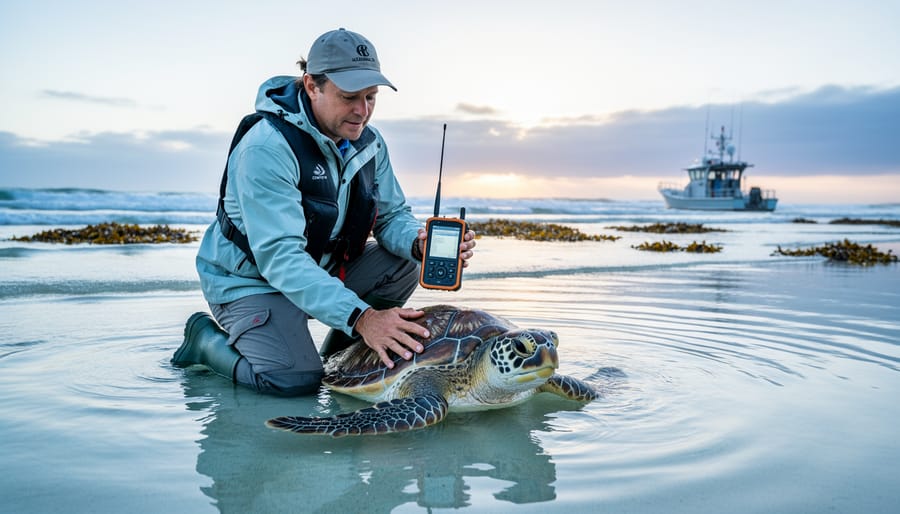
Monitoring animals after release into their natural habitat involves tracking movement patterns, survival rates, and behavioral adaptations using a combination of acoustic telemetry, satellite tags, photo identification, and direct observation to ensure rehabilitation success and inform future conservation strategies. This post-release surveillance typically spans weeks to years depending on species and research objectives, requiring both field expertise and specialized equipment to collect meaningful data that validates whether released animals successfully reintegrate into wild populations.
The difference between releasing an animal and truly conserving it lies in what happens next. Without systematic monitoring, rehabilitators and conservationists operate blind, unable to determine whether their intervention genuinely improved survival odds or simply relocated a problem. Field data from tracked sea turtles, for instance, has revealed that nearly 30% of rehabilitated individuals initially struggle to locate feeding grounds, a discovery that prompted changes in pre-release conditioning protocols across multiple facilities.
For marine species particularly, the transition from controlled rehabilitation environments to open ocean presents unique challenges. Water currents, predator encounters, temperature shifts, and resource competition all test an animal’s readiness in ways no tank can replicate. Monitoring bridges this gap, transforming release from a hopeful endpoint into an evidence-based process where each tracked animal contributes knowledge that strengthens outcomes for future rescues.
Whether you’re a research coordinator designing your first tracking study, a field technician learning tag deployment, or a conservation program manager evaluating monitoring options, understanding the practical mechanics of animal surveillance proves essential. The methods vary widely by species, budget, and research questions, but the core principle remains constant: observation transforms guesswork into science, and science drives better conservation decisions.
Essential Tools and Equipment for Marine Animal Monitoring
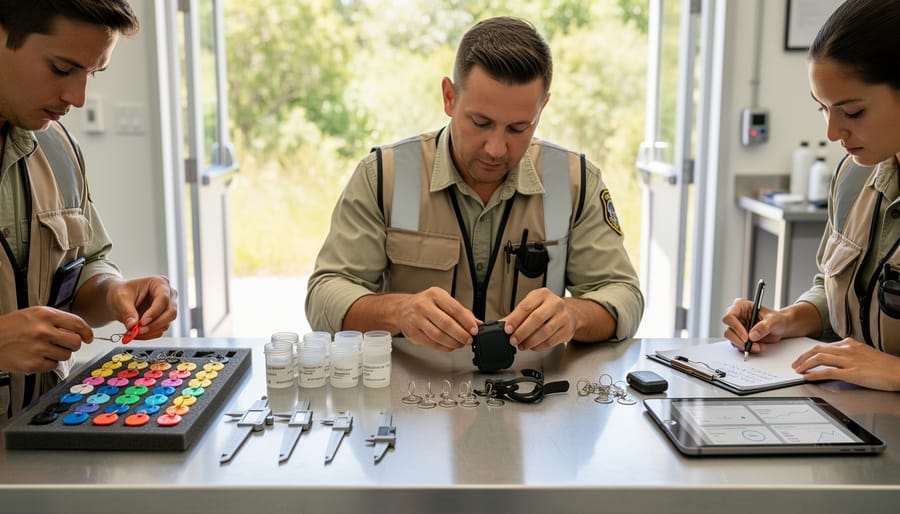
Tagging Technologies and Tracking Devices
Satellite tags remain the gold standard for tracking wide-ranging pelagic species like sea turtles and large sharks. These devices transmit location data whenever the animal surfaces, providing real-time updates on migration routes and ocean basin movements. They’re particularly valuable for species that cross international waters, though their size limits use to larger animals and battery life typically ranges from several months to two years.
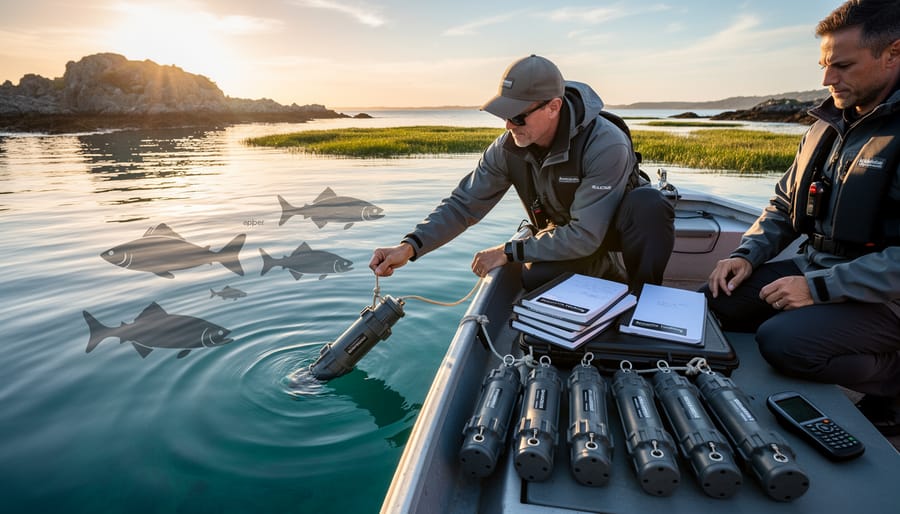
Acoustic transmitters offer a cost-effective alternative for coastal and reef-associated species. These small tags emit unique ultrasonic signals detected by underwater receivers positioned along coastlines or on the seafloor. The technology excels at monitoring habitat use and residency patterns within defined study areas. Marine biologists often deploy receiver arrays to track multiple animals simultaneously, making acoustic and GPS tagging complementary approaches for comprehensive monitoring programs.
Archival tags record depth, temperature, and light levels throughout an animal’s journey without transmitting data. Researchers must physically recapture the animal or recover a pop-off version that detaches on a preset schedule and floats to the surface. While recovery rates can be low, these tags provide incredibly detailed environmental profiles and are small enough for mid-sized fish and juvenile sea turtles.
GPS trackers deliver the most precise location data but require regular surfacing and work best for air-breathing species like seals, sea lions, and some seabirds. Modern versions integrate accelerometers to capture fine-scale behavioral data, revealing feeding attempts, resting periods, and social interactions that inform habitat protection strategies.
Data Collection and Recording Equipment
Beyond tagging devices themselves, successful monitoring relies on robust systems for collecting, storing, and interpreting the data those tags generate. Acoustic receivers form the backbone of many coastal monitoring programs, these underwater listening stations detect signals from acoustic tags when animals swim within range, typically 300-800 meters depending on conditions. Deploy receivers in arrays at strategic locations like feeding grounds, migration corridors, or release sites to build comprehensive movement maps. Data loggers attached to receivers store detection records that you’ll download during periodic retrieval dives, so plan maintenance schedules around battery life and biofouling rates in your waters.
Underwater cameras and remotely operated vehicles (ROVs) provide visual verification that tags remain attached and animals exhibit natural behaviors. For surface species like sea turtles or dolphins, drones equipped with high-resolution cameras offer non-invasive observation over large areas, capturing group dynamics and habitat use without boat disturbance. Integration with AI smart tech now allows automated species identification and behavior classification from video footage, dramatically reducing analysis time.
Software platforms tie everything together. Specialized programs process raw tag data into movement trajectories, depth profiles, and temperature logs. Cloud-based systems enable real-time data sharing among research teams and support collaborative analysis. Budget for reliable waterproof housings, spare batteries, and backup storage, equipment failures in marine environments are inevitable, and redundancy ensures no critical monitoring windows are lost.
Safety Protocols and Ethical Considerations
Animal Welfare Standards
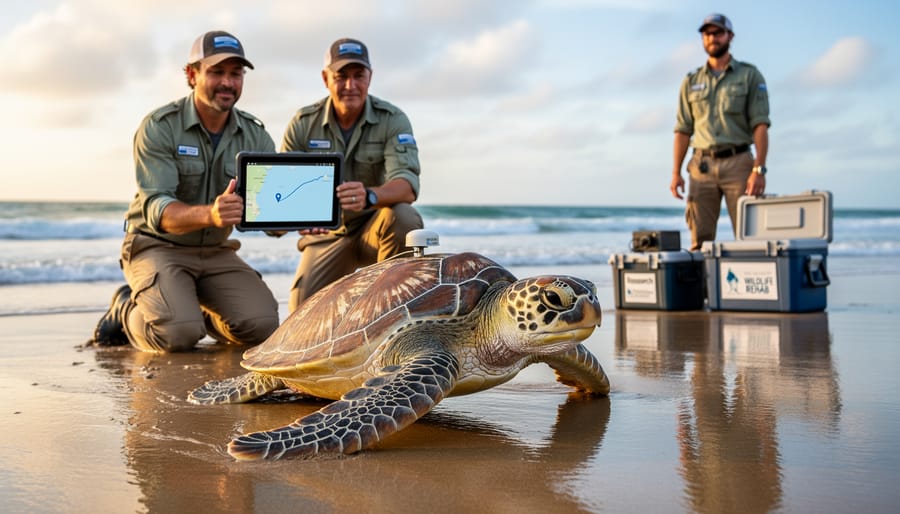
Animal welfare must be the paramount concern throughout every monitoring activity. Before attaching any tracking device, ensure the animal has fully recovered from rehabilitation, including any behavioral therapy needed to prepare it for wild survival. Choose the smallest, lightest tag appropriate for the species, devices should never exceed 3-5% of the animal’s body weight to avoid altering swimming dynamics or energy expenditure.
Tag attachment requires trained personnel who can work quickly and minimize handling time, ideally keeping restraint under five minutes for most species. Monitor vital signs during the procedure and have emergency protocols ready if the animal shows signs of severe stress, such as labored breathing, elevated heart rate, or erratic behavior. Attachment sites must be carefully selected to avoid sensitive areas, major blood vessels, or locations that could impede movement or feeding.
Suspend monitoring immediately if tagged animals display prolonged abnormal behavior, failure to feed, social isolation from conspecifics, or visible injuries related to the device. Regular welfare checks during the first 48 hours post-release are critical for catching early problems before they become life-threatening.
Team Safety and Regulatory Compliance
Field teams conducting marine monitoring work in inherently hazardous environments where conditions can change rapidly. All personnel must complete marine safety training, including boat operation certification, emergency response procedures, and first aid specific to marine injuries. Teams should never work alone, maintain a minimum two-person rule, with at least one member trained in water rescue. Establish clear communication protocols, carry emergency equipment including VHF radios and GPS locators, and monitor weather forecasts continuously. File float plans before each monitoring session detailing your route, expected return time, and emergency contacts.
Before beginning any monitoring program, secure all necessary permits from relevant authorities. In the United States, this typically includes Marine Mammal Protection Act permits for marine mammals, Endangered Species Act permits for threatened species, and state-specific wildlife research permits. Coastal nations worldwide maintain similar regulatory frameworks, budget three to twelve months for permit approval processes. Many jurisdictions require institutional animal care and use committee (IACUC) approval demonstrating that monitoring protocols minimize animal stress. Maintain copies of all permits on vessels during fieldwork, as enforcement officers may request verification. Failure to obtain proper authorization can result in significant fines, equipment confiscation, and criminal charges that jeopardize your entire conservation program.
Step-by-Step Process for Implementing Post-Release Monitoring
Step 1: Define Monitoring Objectives and Timeline
Before you release a single marine animal back into the wild, you need to answer one fundamental question: What are you trying to learn? Without clear objectives, you’ll waste resources collecting data that doesn’t actually inform conservation decisions.
Start by defining specific, measurable goals. Are you assessing whether rehabilitated sea turtles can resume natural foraging behaviors? Determining if translocated dolphins establish territories in their new habitat? Tracking how quickly released fish integrate with existing populations? Your objectives should directly tie to conservation outcomes, survival rates, reproduction success, habitat utilization, or behavioral adaptation.
Next, identify the metrics that will actually measure these goals. For survival assessment, you might track daily movement patterns and dive profiles. For behavioral recovery, document feeding frequency and social interactions with wild conspecifics.
Timeline matters critically. A green sea turtle recovering from injury might need 12 months of monitoring to confirm it can complete a full nesting cycle, while a rehabilitated seabird might only require 60 days to demonstrate flight capability and successful foraging. Consider your species’ life history, the purpose of release, and available funding when setting duration.
Step 2: Select and Attach Appropriate Monitoring Technology
Choosing the right monitoring technology begins during recovery preparation when you assess the animal’s size, behavior, and expected habitat use. For sea turtles, satellite tags typically attach to the carapace using marine epoxy or fiberglass resin, positioned to minimize drag and avoid interference with natural movement. Marine mammals often require suction-cup tags for temporary monitoring or glued tags that shed naturally during molting. Fish may receive internal acoustic tags inserted surgically or external tags attached near the dorsal fin. Before release, test each device in controlled conditions, submerge satellite tags to verify signal transmission, check acoustic tag detection range with receivers, and confirm GPS units acquire satellite fixes. Conduct a final health check after tag attachment, ensuring the animal shows no signs of stress or impaired swimming ability. Document tag identification numbers, attachment locations, and battery life expectations to inform your tracking schedule and data interpretation throughout the monitoring period.
Step 3: Establish Baseline Data at Release
The moment before release is your only opportunity to document a comprehensive baseline that all future data will be measured against. Begin with a thorough health assessment: record body weight, length measurements, visible injuries or scars, and body condition scores. For sea turtles, photograph shell patterns and measure carapace dimensions. Marine mammals require detailed dental examinations and blubber thickness assessments. Document blood work results if available, as these provide critical metabolic benchmarks.
Environmental conditions at the release site must be meticulously recorded. Note water temperature, salinity, current strength, wave height, and weather patterns. GPS coordinates should be precise to within one meter, and photograph the surrounding habitat from multiple angles. Time of day matters, dawn releases for sea turtles avoid predator activity peaks, while tide cycles affect marine mammal orientation.
Capture initial behavioral observations during the first thirty minutes post-release. Does the animal dive immediately or hesitate at the surface? Record swimming patterns, directional choices, and any interactions with wild populations. If the animal was rehabilitated, note how its behavior compares to its animal nutrition and activity levels during recovery. Video documentation provides invaluable reference material for later comparisons.
Step 4: Conduct Regular Data Collection
Consistent data collection transforms raw monitoring capability into meaningful conservation insights. Establish a fixed schedule aligned with your species’ behavior patterns, daily GPS downloads for highly mobile animals, weekly acoustic detections for resident species, or monthly visual surveys for long-term population tracking.
Download tag data at predetermined intervals using manufacturer-specific software. Satellite tags typically transmit automatically, while archival tags require physical retrieval or proximity downloads via underwater receivers. Always verify successful downloads immediately and troubleshoot connectivity issues before leaving the field site.
Visual surveys complement electronic tracking by capturing behavioral nuances technology might miss. Train observers to use standardized data sheets recording location, activity state, group composition, and environmental conditions. Photograph individual animals when possible to confirm visual IDs against tagged specimens.
Maintain detailed field logs documenting weather conditions, equipment performance, observer effort, and any deviations from protocol. This metadata proves essential when analyzing gaps in tag transmissions or unexpected movement patterns. Store all data redundantly, both on secure cloud platforms and offline backups, within 24 hours of collection to prevent catastrophic loss.
Step 5: Analyze Movement, Survival, and Behavior Patterns
Once you’ve collected tracking data over weeks or months, systematic analysis reveals whether released animals are adapting successfully. Start by mapping movement coordinates to identify habitat preferences, are animals staying in protected areas or venturing into high-risk zones? Calculate survival rates by comparing the number of active tags against expected signal losses, accounting for natural tag battery depletion. Behavioral analysis requires comparing your observations against established norms for wild populations: dive depths, travel distances, and feeding locations should gradually align with typical patterns. Migration routes that match historical pathways signal healthy navigation instincts. Software like GIS mapping tools and statistical programs help visualize these patterns, but look beyond numbers, sudden changes in movement or prolonged periods in one location may indicate injury, disorientation, or environmental barriers requiring intervention.
Verification Methods and Success Indicators
Confirming Data Quality and Accuracy
Data quality directly determines whether your monitoring program yields actionable insights or misleading conclusions. Start by establishing validation protocols before deployment, test each tag in controlled conditions and document expected signal patterns, transmission intervals, and battery life benchmarks.
Cross-reference tracking data against independent observations whenever possible. If satellite tags show a sea turtle foraging in shallow coastal waters, visual surveys or drone footage from those coordinates should confirm the animal’s presence. Acoustic receiver detections should align with environmental conditions that make those habitats suitable at that time of year.
Watch for anomalous patterns that signal equipment failure: sudden location jumps exceeding normal travel speeds, abrupt cessation of regular transmissions before battery depletion, or depth readings inconsistent with species behavior. A dolphin tag reporting continuous 500-meter depths, for instance, likely indicates sensor malfunction rather than actual dive behavior.
Maintain detailed metadata for every data point, water temperature, weather conditions, tide cycles, to contextualize readings and identify environmental interference. Regular calibration checks against known benchmarks help catch drift in sensor accuracy before it compromises your dataset.
When gaps appear, document them immediately. Some data loss is inevitable, but unexplained absences exceeding normal transmission schedules warrant equipment retrieval and inspection if feasible.
Measuring Conservation Success
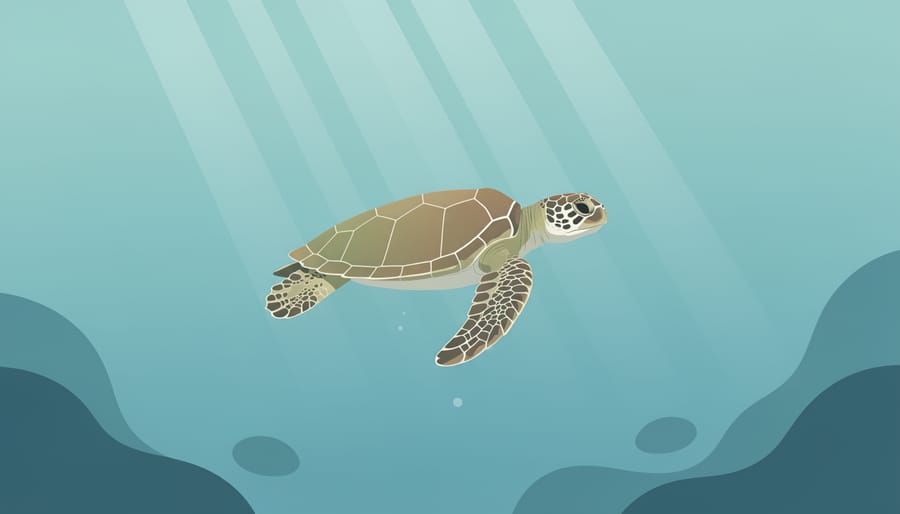
Conservation success hinges on three measurable indicators that tell you whether a released animal is truly thriving. First, survival thresholds: most programs define success as 70 to 80 percent survival at six months post-release, though this varies by species and context. Track mortality causes through recovered carcasses, necropsy reports, and tag transmission cessation to distinguish natural losses from human-induced threats. Second, reproductive success proves that released individuals can contribute to population recovery. Document breeding attempts, nest counts for sea turtles, pup births for marine mammals, or spawning behaviour in fish. Even unsuccessful breeding attempts indicate that animals have reached maturity and integrated socially, which matters for long-term viability. Third, behavioral normalization shows adaptation to wild conditions: released animals should exhibit foraging independence, appropriate predator avoidance, normal dive patterns, and seasonal migration consistent with their wild counterparts. Smart monitoring technologies now enable real-time tracking of these indicators, letting teams intervene quickly when animals struggle. Compare your data against published benchmarks for your target species, but remember that every release site presents unique challenges. A released sea turtle that survives twelve months, migrates to historic feeding grounds, and avoids boat strikes has likely succeeded, even without confirmed nesting.
Adapting Techniques for Different Marine Species
Monitoring Challenges Across Species Groups
Sea turtles present distinct monitoring constraints tied to their diving behavior and migration patterns. Satellite tags must withstand depths of 200 meters or more for species like leatherbacks, while transmission windows narrow to brief surface intervals when turtles breathe. Tagging juvenile turtles proves particularly challenging, their rapid growth can dislodge attachments, and smaller carapace sizes limit device options. Monitor nesting females on beaches when possible, as this provides stable attachment opportunities and baseline reproductive data. Track post-hatchling dispersal through passive integrated transponder (PIT) tags combined with visual surveys, though ocean currents complicate recovery rates.
Marine mammals require acoustic and visual methods because their behavior varies dramatically by species. Cetaceans diving to extreme depths render satellite tags ineffective for prolonged periods, forcing reliance on timed-release pop-up tags or suction-cup mounted devices that detach after days rather than months. Seals and sea lions tolerate longer-duration tags glued to fur, but annual molting cycles mean devices eventually shed. Acoustic monitoring works well in coastal waters but struggles in open ocean where receiver arrays can’t provide continuous coverage. Expect gaps in cetacean movement data lasting weeks as individuals traverse unmonitored regions between listening stations.
Pelagic fish pose the greatest tracking difficulties due to their expansive ranges and deep-water habitats. Archival tags record depth, temperature, and light levels but require physical recapture to retrieve data, realistic only for commercially valuable species like tuna where fishing fleets aid recovery. Acoustic tags offer real-time tracking but battery life rarely exceeds two years, insufficient for long-lived species. Tagging stress impacts smaller fish disproportionately; wound healing and tag drag can reduce swimming efficiency by 15-20 percent in species under five kilograms.
Seabirds demand lightweight GPS devices that won’t impair flight, typically under three percent of body mass. Saltwater exposure corrodes electronics quickly, necessitating waterproof housings that add weight and bulk. Track foraging trips through geolocators, accepting reduced spatial accuracy in exchange for year-long deployment periods.
Common Challenges and Troubleshooting Solutions
Field teams conducting post-release monitoring inevitably encounter technical, environmental, and logistical obstacles that can compromise data collection. Understanding these challenges beforehand and having troubleshooting strategies ready ensures monitoring programs remain effective even when conditions are less than ideal.
Tag Loss and Equipment Failure
Tags can detach prematurely due to improper attachment, animal behavior, or physical wear from saltwater exposure. Maintain redundancy by deploying multiple tag types when feasible, combining satellite tags with visual identification markers like photo-ID scars or flipper tags creates backup tracking methods. Conduct regular equipment checks before deployment, and establish relationships with tag manufacturers for rapid replacement when failures occur.
Signal Interference and Data Gaps
Environmental factors like deep dives, dense kelp forests, or ice cover can block satellite transmissions, creating frustrating data blackouts. Cross-reference acoustic receiver arrays with satellite data to fill gaps, and anticipate natural disruptions based on species behavior patterns. If an animal consistently dives below tag transmission depth, adjust your expectations and focus on surfacing intervals rather than continuous tracking.
Addressing Common Monitoring Obstacles
- Budget constraints limiting tag quantity: Prioritize tagging animals with the highest conservation value and supplement with cost-effective visual surveys
- Harsh weather preventing field access: Schedule monitoring windows during optimal seasons and build weather delays into project timelines
- Low battery life in tags: Select devices with power-saving modes or plan for tag lifespan to match critical monitoring periods
- Data storage overload: Implement cloud-based systems and establish data management protocols from day one
- Lack of trained personnel: Partner with universities and engage citizen scientists who can assist with observation efforts
When signal loss exceeds 72 hours, activate contingency protocols: alert partner organizations, expand search grids, and review historical movement data to predict likely locations. Many apparent failures resolve themselves when animals resurface in expected habitats.
Frequently Asked Questions About Post-Release Monitoring
Conservationists launching their first monitoring programs often face similar questions about logistics, resources, and best practices. These practical concerns are understandable, given the complexity and long-term commitment that effective post-release monitoring requires.
How long should we monitor animals after release?
Monitoring duration depends on species lifespan and conservation goals, but most programs track animals for at least one year to capture seasonal patterns. Sea turtles and marine mammals often require multi-year monitoring to assess reproductive success, while some fish species may need only 6-12 months to confirm habitat integration.
What does a typical monitoring program cost?
Costs vary dramatically based on technology and scale, ranging from a few thousand dollars for basic visual surveys to over $100,000 for satellite tagging programs tracking multiple animals. Budget for tag hardware, receivers or satellite time, boat operations, staff salaries, and data analysis software.
Can volunteers participate in monitoring efforts?
Absolutely, volunteers play vital roles in visual surveys, photo identification projects, beach patrols for tagged turtles, and citizen science data collection. Training requirements vary, but many programs welcome enthusiastic participants willing to commit to consistent observation schedules.
How should we share monitoring data with the scientific community?
Upload datasets to established repositories like OBIS-SEAMAP for marine animals or Movebank for movement data, publish findings in peer-reviewed journals, and present at conservation conferences. Open data sharing accelerates learning across programs and strengthens collective conservation impact.
Funding remains one of the biggest hurdles for sustained monitoring. Consider partnerships with universities that need field research opportunities, apply for conservation grants specifically supporting post-release studies, and explore crowdfunding for community-supported projects. Many successful programs blend funding sources rather than relying on a single grant.
Data management questions also arise frequently. Establish clear protocols from day one for data storage, backup systems, and who has access to raw versus processed information. Cloud-based platforms allow team members to access real-time data while maintaining security, and standardized data formats make future collaboration and meta-analyses possible.
Post-release monitoring transforms conservation from a hopeful gesture into a science-backed strategy. Every data point you collect, whether it’s a satellite ping confirming a sea turtle’s migration route or an acoustic signal revealing a dolphin’s habitat preference, adds to our understanding of what works and what doesn’t. This feedback loop is irreplaceable. It tells us if rehabilitation protocols need adjustment, if release sites support long-term survival, and whether entire populations can recover.
The beauty of monitoring work is that it welcomes participants at every skill level. You don’t need a marine biology degree to make a difference. Volunteers at the Marine Biodiversity Science Center contribute to real monitoring projects, helping deploy tags, logging visual observations from research vessels, processing camera trap footage, and organizing data that scientists rely on. These hands-on experiences connect you directly to conservation outcomes while building skills that matter.
Marine species face relentless pressures, from habitat loss to climate shifts. But rigorous monitoring gives us the power to adapt our approaches in real time, to celebrate successes, and to learn from setbacks. When communities, researchers, and volunteers work together with shared data and common purpose, we create resilient ecosystems where released animals don’t just survive, they thrive and reproduce, strengthening wild populations for generations.
Your involvement matters. Whether you track animals in the field or support monitoring initiatives from shore, you’re part of a global effort proving that conservation, grounded in science and driven by collective action, works.

jessica
Ava Singh is an environmental writer and marine sustainability advocate with a deep commitment to protecting the world's oceans and coastal communities. With a background in environmental policy and a passion for storytelling, Ava brings complex topics to life through clear, engaging content that educates and empowers readers. At the Marine Biodiversity & Sustainability Learning Center, Ava focuses on sharing impactful stories about community engagement, policy innovations, and conservation strategies. Her writing bridges the gap between science and the public, encouraging people to take part in preserving marine biodiversity. When she’s not writing, Ava collaborates with local initiatives to promote eco-conscious living and sustainable development, ensuring her work makes a difference both on the page and in the real world.