Marine Biodiversity Science Center

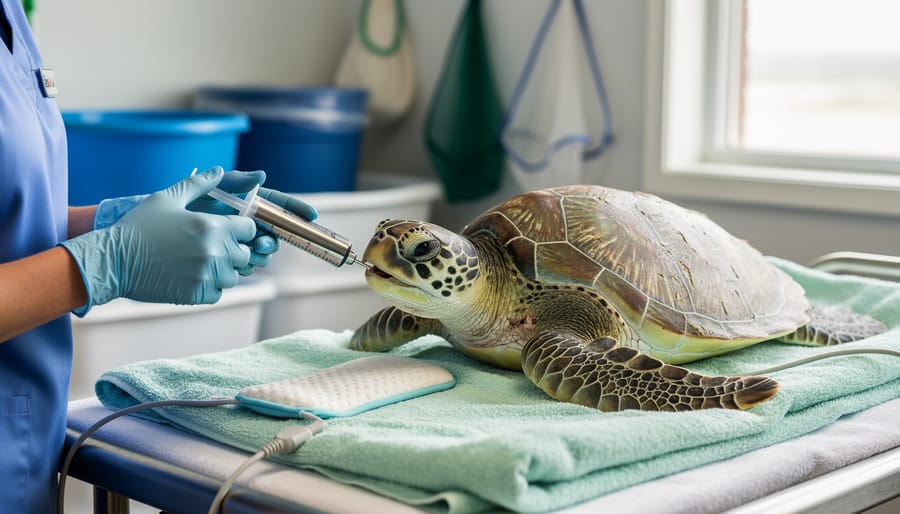
Assessing and meeting the nutritional requirements of recovering marine animals begins with evaluating body condition, species-specific metabolic needs, and the animal’s current health status, then designing a feeding protocol that progresses from easily digestible, nutrient-dense foods to species-appropriate diets at gradually increasing volumes. For rehabilitation professionals working with stranded sea turtles, seals, or seabirds, this process typically takes 24 to 72 hours to establish baseline needs and three to six weeks to restore proper body weight and function, depending on the severity of initial malnutrition.
Getting nutrition right can mean the difference between successful release and prolonged recovery. Marine animals arrive at rehabilitation facilities with compromised digestive systems, depleted energy reserves, and often underlying infections or injuries that alter their metabolic demands. A green sea turtle weakened by cold stunning, for instance, requires a carefully calibrated refeeding schedule to avoid overwhelming its slowed digestive tract, while a young harbor seal pup may need frequent small meals to match its naturally high metabolism.
This guide walks you through the assessment tools used to determine individual nutritional needs, the safety protocols that prevent refeeding complications, the step-by-step process for implementing feeding plans, and the verification methods that confirm your approach is working. Whether you’re a student beginning your first rehabilitation rotation or a seasoned professional refining protocols, understanding how to translate species biology into practical feeding strategies equips you to give each animal the best chance at returning to the ocean healthy and strong.
Understanding Core Nutritional Needs Across Marine Species
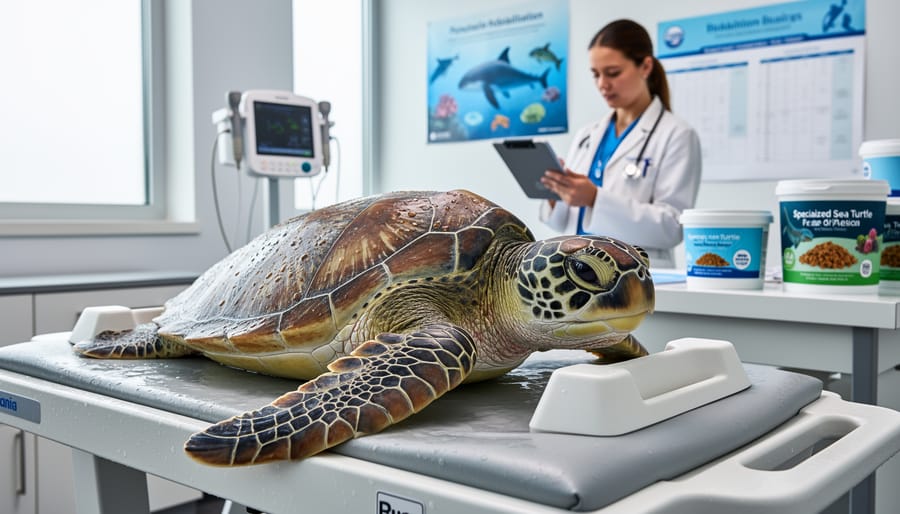
Marine animals recovering from injury, illness, or stranding face dramatically different nutritional challenges than their healthy counterparts. While a healthy California sea lion might thrive on a diet of herring and squid caught in the wild, a recovering individual may need carefully calculated protein levels, specific fatty acid profiles, and supplemental vitamins to rebuild muscle mass and support immune function. Understanding these fundamental differences is the foundation of effective rehabilitation nutrition.
Marine mammals, including seals, sea lions, dolphins, and whales, require diets exceptionally high in fat and protein. In normal health, their macronutrient intake might consist of 30-50% fat and 15-25% protein, with minimal carbohydrates. These proportions fuel their thermoregulation in cold water and support their active metabolism. During recovery, however, compromised animals often present with depleted fat stores and muscle wasting. Their energy requirements may drop initially due to reduced activity, yet their need for high-quality protein increases to repair tissue damage. Micronutrients become equally critical: vitamin E and selenium support immune recovery, while B vitamins aid metabolic function that may be impaired by stress or infection.
Sea turtles present a contrasting nutritional profile. Species like green sea turtles transition from carnivorous juveniles to herbivorous adults, requiring diets rich in fiber and specific carotenoids for healthy shell and tissue growth. Recovering turtles, particularly those with boat strike injuries or fibropapillomatosis, often show vitamin A deficiencies and require targeted supplementation. Their protein needs remain moderate (around 35-40% for juveniles, 15-25% for herbivorous adults), but calcium and phosphorus ratios become vital for shell repair. Hydration status is frequently compromised in stranded turtles, as dehydration concentrates blood urea nitrogen and disrupts electrolyte balance.
Seabirds such as pelicans, cormorants, and gulls depend on fish-based diets that deliver 12-18% protein and moderate fat levels. These birds have rapid metabolic rates and high energy demands even at rest. A recovering seabird, especially one suffering from oil exposure or starvation, may initially require tube-feeding with easily digestible formulas before transitioning to whole fish. Their thiamine (vitamin B1) levels often plummet during recovery, as stress depletes reserves and certain fish species contain thiaminase enzymes that destroy this essential vitamin.
Fish species in rehabilitation face unique challenges. Carnivorous fish require high protein (40-55%) and specific amino acid profiles, while their digestive systems are sensitive to dietary imbalances. Recovery often involves addressing parasitic infections that compete for nutrients and managing water quality factors that affect nutrient absorption through the gills and intestinal lining.
Across all these groups, the shift from normal health to recovery fundamentally alters how nutrients are absorbed, metabolized, and utilized. A healthy animal’s digestive system efficiently processes food, but stress, injury, and illness compromise gut function, alter hormonal regulation of metabolism, and increase oxidative stress that demands antioxidant support. Recognizing these shifts allows rehabilitation professionals to design feeding protocols that support healing rather than overwhelm already-taxed physiological systems.
Essential Tools and Resources for Nutritional Assessment
Successfully assessing the nutritional status of recovering marine animals requires a thoughtful combination of physical tools, diagnostic technologies, and reliable reference materials. Rehabilitation centers must equip their teams with resources that enable both immediate evaluation and ongoing monitoring throughout the recovery process.
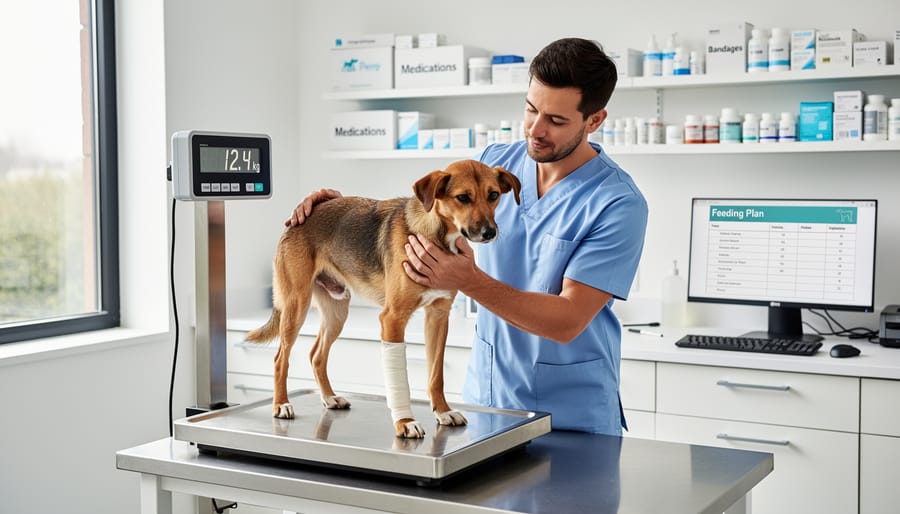
The foundation of nutritional assessment begins with accurate physical measurements. Precision scales capable of handling the weight range of your species, from delicate seabird chicks to thousand-pound sea turtles, are essential for tracking recovery progress. Digital scales with waterproof platforms work best in marine rehabilitation settings. Body condition scoring guides provide standardized frameworks for evaluating muscle mass, fat reserves, and overall health. These visual and tactile assessment tools help rehabilitators identify animals suffering from emaciation or nutritional deficits that aren’t immediately obvious from weight alone.
Diagnostic equipment takes assessment deeper than external observation. Blood chemistry analyzers reveal critical information about protein levels, electrolyte balance, liver and kidney function, and specific nutrient deficiencies like vitamin E or selenium. Portable analyzers have made these capabilities accessible even in smaller facilities. Hydration assessment tools, including refractometers for measuring specific gravity of urine or plasma, help identify dehydration that compounds nutritional challenges.
Your assessment toolkit should include:
- Calibrated scales with species-appropriate weight capacity and waterproof platforms
- Body condition scoring charts specific to marine mammals, sea turtles, and seabirds
- Blood collection supplies and chemistry analyzer or veterinary lab partnership
- Refractometer for hydration assessment
- Feeding tubes, syringes, and species-specific feeding equipment
- Food preparation tools including blenders, knives, and storage containers
- Species-specific nutritional databases and prey composition references
- Documentation templates for tracking intake, weight, and clinical observations
Beyond physical tools, access to reliable nutritional databases makes the difference between guessing and precision. Resources like the USDA FoodData Central, published prey composition studies, and species-specific nutritional requirements documents from marine mammal and sea turtle consortia provide the data needed to design balanced feeding protocols. Many rehabilitation networks maintain shared databases documenting successful recovery diets for specific species and injury types.
Establish relationships with veterinary diagnostic laboratories before emergencies arise, ensuring rapid turnaround on blood work when animals arrive in critical condition. This preparation transforms assessment from reactive guesswork into proactive, evidence-based nutritional support.
Critical Safety Considerations and Warning Signs

Nutritional support during marine animal recovery carries significant risks that rehabilitation professionals must recognize and actively monitor. Even well-intentioned feeding protocols can trigger life-threatening complications if warning signs are missed or safety protocols aren’t followed.
Refeeding syndrome represents one of the most dangerous risks when resuming nutrition in severely malnourished marine animals. This metabolic emergency occurs when electrolyte shifts, particularly drops in phosphorus, potassium, and magnesium, accompany the reintroduction of food after prolonged starvation. Sea turtles and marine mammals that have been stranded for extended periods are especially vulnerable. Early signs include muscle weakness, cardiac arrhythmias, respiratory distress, and neurological symptoms like seizures or altered consciousness. If you observe tremors, labored breathing, or sudden behavioral changes within 72 hours of starting feeding, stop the protocol immediately and check electrolyte levels.
Aspiration pneumonia poses another critical threat, particularly when tube-feeding debilitated animals or those with compromised swallowing reflexes. Marine mammals recovering from toxin exposure or head trauma may have reduced gag reflexes, making them prone to inhaling food material into their lungs. Watch for coughing during or after feeding, nasal discharge, increased respiratory rate, or crackling sounds when listening to the chest.
Species-specific sensitivities can turn appropriate nutrition for one animal into a toxic exposure for another. Sea otters cannot tolerate the high vitamin A levels safe for pinnipeds, while some fish species develop thiamine deficiency from diets containing certain raw fish that other marine animals consume safely. Seabirds recovering from oil spills require careful management of fat levels to avoid overwhelming compromised digestive systems.
Nutritional imbalances develop when well-meaning caregivers focus on caloric intake while neglecting micronutrient ratios or calcium-to-phosphorus balance. Monitor for soft shell development in sea turtles, bone demineralization in marine mammals, and feather quality issues in seabirds, all indicators that your formulation needs adjustment before more serious damage occurs.
Step-by-Step Process for Developing a Nutritional Support Plan

Step 1: Conduct Initial Health and Nutritional Assessment
When a marine animal arrives at a rehabilitation facility, the first step is conducting a systematic assessment that reveals its nutritional starting point. Begin by evaluating body condition using a hands-on approach: palpate the animal’s ribs, spine, and hip bones to determine fat and muscle mass. For marine mammals, assess blubber thickness at standardized sites. A thin animal with prominent bones requires a different protocol than one with adequate reserves.
Check hydration status by examining skin elasticity, mucous membrane moisture, and eye position. Sunken eyes and tacky gums signal dehydration, which affects how the body processes nutrients. Draw blood samples for a complete chemistry panel focusing on albumin, glucose, electrolytes, and kidney function markers. Low albumin suggests chronic malnutrition, while electrolyte imbalances indicate how aggressively you can begin feeding.
Weigh the animal precisely and photograph body condition from multiple angles. These baseline measurements become your reference points for tracking recovery. Document all findings immediately, dehydration severity, visible injuries affecting feeding ability, and any species-specific concerns like sea turtle plastron deformities that might indicate long-term nutritional deficits.
Step 2: Calculate Baseline Energy Requirements
Calculating baseline energy requirements forms the foundation of an effective feeding plan. Start with the animal’s current body weight in kilograms, then apply the appropriate resting energy requirement (RER) formula. For most marine mammals and sea turtles, use RER = 70 × (body weight in kg)^0.75. Seabirds typically require RER = 78 × (body weight in kg)^0.75 due to higher metabolic rates.
Once you’ve established RER, apply species-specific multipliers to account for recovery demands. Mildly stressed or recovering animals need 1.2-1.5 times RER. Those with severe injuries, infections, or malnutrition require 1.5-2.0 times RER. Growing juveniles need additional calories, typically 2.0-3.0 times RER depending on age and species.
Marine mammals recovering from cold-water exposure need higher energy inputs than terrestrial calculations suggest. Sea otters, for instance, can require up to 25% of their body weight in food daily due to extreme metabolic demands. Cold-stunned sea turtles initially need conservative energy levels, start at 0.5-0.75 times RER during the first 48 hours to avoid refeeding complications, then gradually increase.
Document your calculations and reassess every 3-5 days as the animal’s condition changes.
Step 3: Design Species-Appropriate Diet Formulation
Designing a diet that mirrors natural feeding patterns while correcting nutritional deficits requires balancing what the animal would eat in the wild with what its compromised system can process. Start by identifying the species’ natural prey items, herring and mackerel for seals, jellyfish and squid for sea turtles, small fish for seabirds, and source the highest quality versions available. Fresh or flash-frozen whole prey is ideal because it preserves fat-soluble vitamins and provides natural calcium through bones and shells.
Match prey size to the animal’s current condition. A weakened sea turtle cannot handle large, tough squid pieces; you’ll need to cut prey into smaller portions or offer softer-bodied options like cuttlefish initially. Similarly, juvenile marine mammals recovering from malnutrition need smaller fish they can swallow easily, even if adults of their species typically consume larger prey.
Assess nutritional density carefully. Stranded animals often arrive with depleted fat reserves and vitamin deficiencies, particularly vitamins A, E, and B-complex. Supplement whole prey with species-specific vitamin preparations, usually thiamine for fish-eating species to counteract enzyme degradation during freezing, and vitamin E for pinnipeds prone to oxidative stress. Mix powdered supplements into fish cavities or inject liquid forms directly into prey items to ensure consumption.
For animals too weak for whole prey, formulated diets become necessary. Marine mammal milk replacers, fish slurries, or tube-feeding formulas must match the protein-to-fat ratio of natural milk or prey. Confirm the formula addresses known species vulnerabilities, sea otter formulas need higher fat content than seal formulas, while sea turtle formulas require precise calcium-to-phosphorus ratios for shell health.
Step 4: Establish Feeding Schedule and Gradual Introduction
Reintroducing food after a period of starvation or illness requires careful pacing to avoid overwhelming the digestive system. Start with small, frequent meals rather than fewer large ones, this mimics natural marine foraging patterns and reduces metabolic stress. For marine mammals and sea turtles, begin with 10-15% of calculated daily energy needs, split across 4-6 feeding sessions. Seabirds typically tolerate slightly faster progression but still benefit from an initial 24-48 hour period of gradual introduction.
The decision between tube-feeding and voluntary feeding depends on the animal’s alertness, swallow reflex, and stress response. Tube-feeding becomes necessary when animals are too weak to eat independently, unconscious, or at risk of aspiration. However, transition to voluntary feeding as soon as the animal shows interest in food and can safely swallow. Forced feeding beyond medical necessity can create feeding aversions that complicate later rehabilitation stages.
- Hours 0-24: Offer diluted electrolyte solutions or easily digested fluids to rehydrate tissues and prime the gut
- Days 1-3: Introduce small portions of highly digestible foods, minced fish for mammals, softened prey items for seabirds, jellyfish or squid for sea turtles
- Days 4-7: Gradually increase portion sizes to 50-70% of target intake while monitoring stool consistency and behavior
- Days 8-14: Progress to whole prey items and reach full caloric targets, observing for any digestive upset
- Weeks 3+: Introduce diet variety and feeding enrichment to rebuild hunting behaviors and prepare for release
Document every feeding session with details on quantity offered, amount consumed, method of delivery, and the animal’s response. Weight checks every 2-3 days provide objective data on whether the progression rate is appropriate. If an animal refuses food, loses weight, or develops diarrhea, scale back to the previous stage for another 24-48 hours before attempting advancement again.
Step 5: Monitor Response and Adjust Protocol
Weigh the animal at the same time each day, ideally before the first feeding, to track trends rather than fixating on daily fluctuations. A steady gain of 1-3% body weight weekly signals effective support in most marine mammals and sea turtles, though some species recover more slowly. Record food intake precisely, note what was offered, what was consumed, and any rejected items. This log reveals patterns: a seal consistently leaving fish heads might need softer prey, while a turtle ignoring greens could indicate metabolic sluggishness requiring diet adjustment.
Watch behavior closely. Increased alertness, voluntary feeding, and normal swimming or basking patterns suggest the protocol is working. Lethargy, refusal to eat, or abnormal postures warrant immediate reassessment. Examine fecal output daily for consistency, color, and frequency; loose or discolored stool often points to malabsorption or bacterial imbalance that demands dietary modification or probiotic supplementation.
Repeat blood panels every 7-14 days during early recovery. Rising albumin and stable electrolytes confirm nutritional gains, while persistent anemia or low protein levels mean you must revise calorie density or add targeted supplements. Document everything in standardized charts, smart tech monitoring systems and AI-powered monitoring tools can automate data capture and flag concerning trends faster than manual tracking.
If progress stalls for three consecutive days or any parameter worsens, consult your veterinary team before making changes. Small tweaks, increasing feeding frequency, switching protein sources, or adjusting supplement ratios, often solve the issue without overhauling the entire plan.
Verifying Nutritional Recovery and Release Readiness
Determining when a recovering marine animal has achieved nutritional stability requires systematic evaluation across multiple indicators, no single measurement tells the full story. Start with body condition scoring, comparing current assessment against species-specific target ranges. A harbor seal ready for release should score between 3 and 4 on a 5-point scale, with visible but not prominent ribs and good muscle coverage over the shoulders and hips. Sea turtles need plastron-to-carapace depth ratios that indicate adequate fat reserves without excess weight that impairs swimming efficiency.
Blood chemistry panels provide objective metabolic evidence. Total protein levels should fall within normal reference ranges for the species, indicating restored protein synthesis. Albumin-to-globulin ratios confirm liver function and immune recovery. Electrolyte balance, particularly sodium, potassium, and calcium, must stabilize within species norms. For marine mammals, blood urea nitrogen and creatinine levels verify kidney function has normalized after potential dehydration or toxin exposure.
Behavioral markers matter as much as physical ones. Animals must demonstrate consistent voluntary feeding, species-appropriate foraging behaviors, and normal activity levels. A recovering sea turtle should show strong swimming patterns and diving duration typical for its age class. Seabirds need sustained flight capability and waterproofing of feathers. Many rehabilitation centers integrate behavioral therapy alongside nutritional support to ensure animals exhibit natural responses to stimuli.
Document weight trends over the final two weeks of care, stable or gradually increasing weight without continued intensive feeding indicates the animal can maintain itself. Combine these criteria with species-specific release protocols that account for seasonal factors, migration timing, and local prey availability before clearing an animal for return to the wild.
Common Challenges and Practical Solutions
Even with meticulous planning, marine animal rehabilitation teams encounter persistent nutritional challenges that test their expertise and resourcefulness. Food refusal stands as perhaps the most common hurdle, animals weakened by stranding or injury often lack the appetite or energy to feed voluntarily. This presents a difficult choice: continue tube-feeding, which carries aspiration risks but ensures caloric intake, or wait for appetite to return while the animal continues losing critical body reserves. The solution typically involves a hybrid approach. Start with small volumes of highly palatable, easily digestible foods offered at the animal’s preferred temperature and in a low-stress environment, while maintaining tube-feeding support until voluntary intake reaches adequate levels.
Nutrient deficiencies pose another frequent complication. Stranded marine mammals commonly arrive with thiamine deficiency from consuming frozen fish that has lost this vitamin during storage, leading to neurological symptoms that complicate recovery. Sea turtles often present with severe anemia and protein depletion. Addressing these requires targeted supplementation beyond basic diet formulation, injectable B-complex vitamins for mammals showing neurological signs, iron and protein-rich formulas for anemic turtles, and careful electrolyte balancing for dehydrated seabirds.
What should I do when an animal refuses all food?
Reduce stress by minimizing handling, offer food at different temperatures, try alternative food textures, and maintain tube-feeding support until voluntary intake improves. Some animals need several days to acclimate before accepting food.
How do I supplement nutrients when natural prey is unavailable?
Use commercially available marine mammal or seabird formulas that approximate natural prey composition, add vitamin and mineral supplements specific to the species, and consult nutritional databases to match macronutrient ratios as closely as possible.
When should I suspect thiamine deficiency?
Watch for neurological signs like loss of coordination, head tremors, or seizures in marine mammals fed frozen fish. Immediate thiamine injection often produces dramatic improvement within 24 hours.
Dr. Elena Martinez, who directs a California sea lion rehabilitation program, recalls a juvenile male that arrived severely emaciated and refused every fish species offered. “We tried herring, sardines, mackerel, nothing worked for five days. Then a volunteer suggested squid, which isn’t our usual protocol. The sea lion took it immediately. Sometimes you have to think beyond the textbook and try what the animal is telling you it wants.” Her team now keeps a wider variety of prey items on hand specifically for such situations. When preferred foods become unavailable due to supply issues or seasonal shortages, rehabilitation teams must pivot quickly, substituting similar prey species with comparable fat and protein content, fortifying less-ideal options with targeted supplements, or temporarily adjusting feeding volumes to compensate for differences in nutritional density.
Getting Involved in Marine Animal Rehabilitation
Marine animal rehabilitation centers across North America welcome volunteers with varying levels of expertise, from complete beginners to experienced wildlife professionals. Many facilities offer structured training programs that cover nutritional support techniques as part of comprehensive animal care curricula. At the Marine Biodiversity Science Center, our volunteer program includes hands-on workshops in diet preparation, body condition assessment, and feeding protocol implementation under veterinarian supervision. Participants learn to calculate energy requirements for recovering animals, prepare species-appropriate meals, and document nutritional responses during rehabilitation.
Beyond direct animal care, volunteers contribute to collaborative research initiatives that improve our understanding of nutritional needs across marine species. These projects often intersect with broader conservation technologies, including underwater robots that monitor feeding behaviors in wild populations and species-led conservation approaches that use animal behavior to guide rehabilitation protocols. Even those unable to volunteer on-site can participate through citizen science programs that document stranded animal locations and conditions, providing critical data that shapes nutritional intervention strategies. Financial supporters and equipment donors also play vital roles in maintaining the specialized diets and diagnostic tools essential for recovery success.
Successful marine animal rehabilitation hinges on getting nutrition right. Throughout this guide, we’ve explored how precise nutritional assessment, careful diet formulation, and vigilant monitoring create the foundation for recovery, transforming stranded, injured animals into healthy individuals ready to return to their ocean habitats.
The difference between survival and release often comes down to whether we meet each species’ unique nutritional demands during their most vulnerable period. A sea turtle with proper protein repletion regains muscle mass and dive capacity. A seal pup receiving adequate fat calories develops the blubber layer essential for thermoregulation. These aren’t just clinical successes; they’re conservation victories that strengthen wild populations.
But this work doesn’t happen in isolation. Rehabilitation centers need trained volunteers, continued research into species-specific requirements, and public support to maintain the expertise and resources that save lives. Whether you’re interested in hands-on animal care, contributing to nutritional research, or supporting rehabilitation facilities, your involvement matters.
Every animal we successfully nourish and release represents hope for marine biodiversity, and proof that informed, dedicated action makes a measurable difference in ocean conservation.

jessica
Ava Singh is an environmental writer and marine sustainability advocate with a deep commitment to protecting the world's oceans and coastal communities. With a background in environmental policy and a passion for storytelling, Ava brings complex topics to life through clear, engaging content that educates and empowers readers. At the Marine Biodiversity & Sustainability Learning Center, Ava focuses on sharing impactful stories about community engagement, policy innovations, and conservation strategies. Her writing bridges the gap between science and the public, encouraging people to take part in preserving marine biodiversity. When she’s not writing, Ava collaborates with local initiatives to promote eco-conscious living and sustainable development, ensuring her work makes a difference both on the page and in the real world.