Marine Biodiversity Science Center

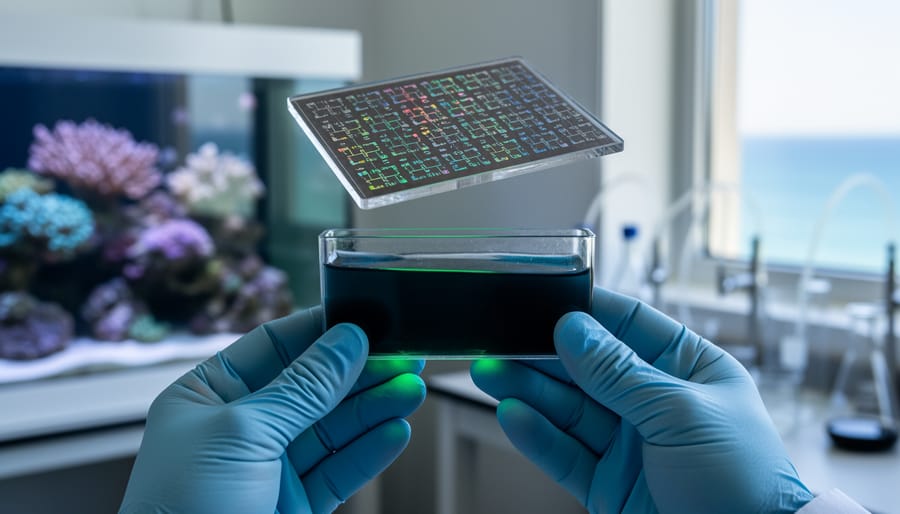
Journal of Proteome Research is a leading peer-reviewed publication from the American Chemical Society that showcases cutting-edge proteomics and metabolomics research with profound implications for marine biodiversity conservation. The journal publishes studies that reveal how proteins and metabolites function in living organisms, offering marine scientists powerful molecular tools to understand ocean health, track species adaptation, and identify conservation priorities in ways that traditional methods cannot.
For researchers dedicated to protecting marine genetic resources, this journal serves as a critical bridge between laboratory discovery and real-world conservation strategy. Proteomics (the large-scale study of proteins) and metabolomics (the study of small molecules in biological systems) provide unprecedented windows into how marine organisms respond to pollution, climate change, and habitat degradation at the molecular level. These techniques complement traditional approaches like mapping ocean life through DNA barcoding, adding layers of functional understanding that genetic sequences alone cannot provide.
Published research in Journal of Proteome Research has revealed coral stress responses before visible bleaching occurs, identified protein biomarkers that track ocean acidification impacts on shellfish, and characterized the metabolic adaptations that allow extremophiles to thrive in deep-sea vents. These discoveries matter because they give conservationists early warning systems and precise intervention points.
What makes this journal particularly valuable is its commitment to methodological rigor and innovation. Studies undergo strict peer review and often include detailed protocols that other research teams can replicate, accelerating the pace of marine conservation science globally. The journal embraces both hypothesis-driven investigations and exploratory studies that catalog the molecular diversity of understudied marine taxa.
For students entering marine biology, understanding proteomics research published here opens career pathways in molecular ecology and conservation genomics. For established scientists, it offers collaboration opportunities and methodological frameworks that can transform field observations into molecular insights. The work published in these pages ultimately empowers everyone working to safeguard our oceans with precision tools for a rapidly changing world.
Understanding J Proteome Res: Scope and Impact in Marine Science
The Journal of Proteome Research, founded in 2002, has established itself as a peer-reviewed ACS journal at the forefront of molecular science innovation. Published by the American Chemical Society, it maintains rigorous standards through a double-blind peer review process where submissions undergo evaluation by multiple experts in proteomics, metabolomics, and related fields. With an impact factor consistently above 3.5, the journal ranks among the top publications for researchers working to decode the molecular machinery of life, including the remarkable diversity of marine organisms.
The journal’s scope extends far beyond traditional laboratory studies. It publishes groundbreaking research on protein identification and quantification, post-translational modifications, metabolite profiling, bioinformatics approaches, and emerging technologies in mass spectrometry. For marine scientists, this creates an ideal platform to share discoveries about how ocean life functions at the molecular level. Studies examining coral stress responses, fish adaptation to temperature changes, and the biochemical defenses of marine invertebrates have all found a home in its pages.
What makes J Proteome Res particularly valuable for marine biodiversity research is its integration of proteomics with marine genomics and metabolomics. While genomics tells us what genes an organism possesses, proteomics reveals which proteins are actually being produced and how they change in response to environmental stressors. This distinction matters enormously when studying marine species facing climate change, pollution, or habitat loss. A whale shark’s genome might contain genes for thermal tolerance, but proteomic studies published in the journal show which proteins activate when ocean temperatures rise.
The journal has become essential for marine researchers because it accepts manuscripts that bridge multiple disciplines. A single study might combine field sampling from deep-sea vents, advanced mass spectrometry analysis, bioinformatics modeling, and conservation implications. This holistic approach mirrors the complexity of marine ecosystems themselves. Recent volumes feature research on everything from Antarctic fish antifreeze proteins to toxic peptides in cone snails, each contributing pieces to our understanding of ocean biodiversity.
For conservationists, the journal’s contribution extends beyond academic interest. Its publications provide the molecular evidence needed to identify species under stress, track ecosystem health indicators, and discover compounds that could lead to new medicines. When protection policies require scientific justification, peer-reviewed proteomics research carries significant weight with policymakers and funding agencies.
Proteomics and Metabolomics: Unlocking Marine Genetic Resources
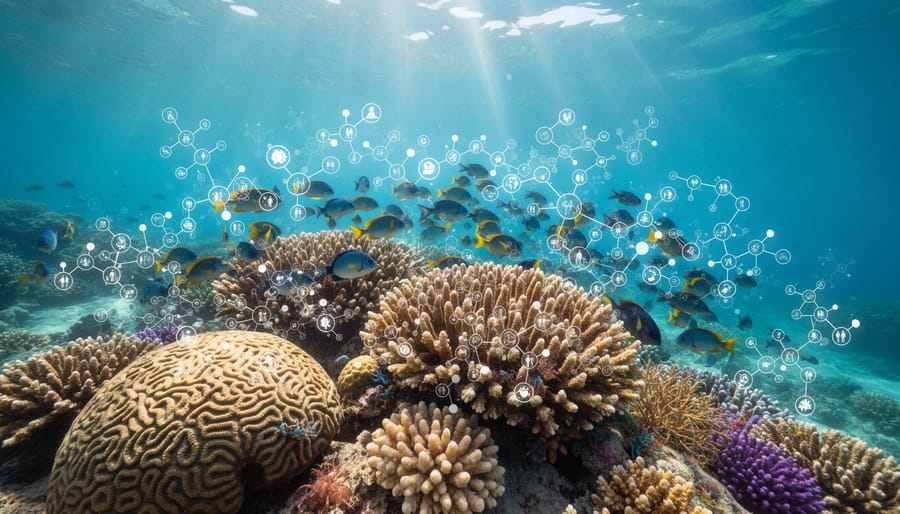
What Proteomics Reveals About Marine Life
Proteomics examines every protein a marine organism produces, creating a molecular snapshot that reveals how life thrives beneath the waves. While DNA provides the blueprint, proteins do the work, they build tissues, catalyze reactions, defend against pathogens, and enable species to survive in environments ranging from sunlit coral reefs to crushing deep-sea trenches.
- Proteome
- The complete set of proteins expressed by an organism at a specific time, varying with environmental conditions, life stage, and stress factors.
- Protein Expression
- The process by which cells produce specific proteins in response to internal signals or external stimuli like temperature shifts or pollution.
- Post-Translational Modifications
- Chemical changes to proteins after they’re made, fine-tuning their function and allowing organisms to adapt quickly without altering their DNA.
- Mass Spectrometry
- The analytical technique that identifies and quantifies thousands of proteins simultaneously, forming the backbone of modern proteomics research.
Research published in journals like J Proteome Res has revealed how coral species activate heat-shock proteins during thermal stress, offering clues about which reefs might withstand warming oceans. Scientists studying Antarctic fish discovered antifreeze proteins that prevent ice crystals from forming in their blood, a discovery with potential applications for organ preservation in human medicine. In sea sponges, proteomics uncovered enzymes producing antimicrobial compounds now being tested as antibiotics against drug-resistant bacteria.
When environmental proteomics links stress responses to specific protein changes, conservationists gain measurable biomarkers for ecosystem health. A mussel showing altered protein expression might signal pollution before visible damage occurs. These molecular early-warning systems transform our ability to protect marine biodiversity, moving beyond counting species to understanding how they function, adapt, and ultimately survive in a changing ocean.
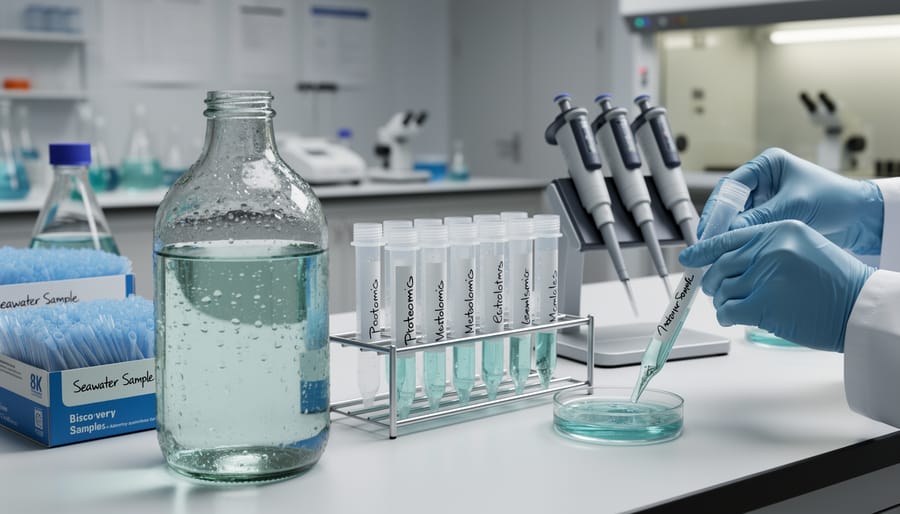
Metabolomics: Mapping the Chemical Diversity of the Ocean
Metabolomics takes molecular investigation a step further by cataloging all the small molecules, metabolites, that marine organisms produce and exchange with their environment. These compounds range from simple sugars and amino acids to complex secondary metabolites that organisms synthesize for defense, communication, or environmental adaptation. While proteomics reveals what an organism can do, metabolomics shows what it’s actually doing in real time, offering a dynamic snapshot of biochemical activity.
The ocean is the planet’s largest repository of chemical diversity, and metabolomics for marine compounds has revolutionized how scientists inventory this molecular library. A single sponge species might produce hundreds of unique metabolites, each representing a potential pharmaceutical lead, industrial enzyme, or conservation marker. These chemical blueprints emerge from specialized biosynthetic pathways that have evolved over millions of years in response to competitive pressures and environmental challenges.
Metabolomics applications in marine science span multiple domains. Drug discovery programs screen marine metabolites for anticancer, antimicrobial, and anti-inflammatory properties, compounds like bryostatin from bryozoans and ziconotide from cone snails have already reached clinical use. Conservation researchers use metabolite profiles as health indicators for coral reefs, detecting stress signatures before visible bleaching occurs. Ecosystem monitoring programs track metabolite changes to identify pollution impacts or shifts in community composition.
This approach has transformed bioprospecting from random collection to targeted investigation. By analyzing metabolite production patterns, scientists can predict which organisms harbor promising compounds and understand the ecological roles these chemicals serve, ensuring sustainable harvest practices that respect marine biodiversity.
Breakthrough Research Published in J Proteome Res
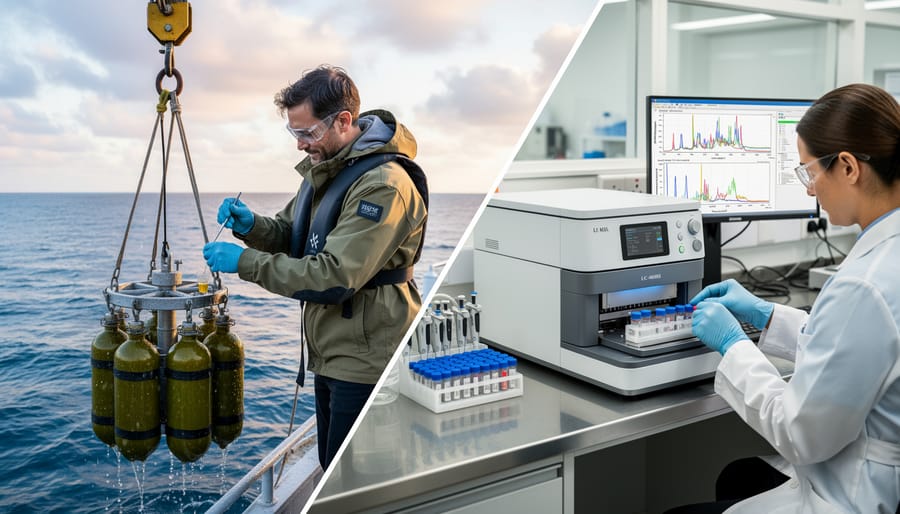
Over the past decade, J Proteome Res has published transformative studies that reveal how marine organisms survive, adapt, and produce compounds we’re only beginning to understand. These papers don’t just catalog proteins and metabolites, they unlock mechanisms that help us protect vulnerable ecosystems and discover potential medicines from the sea.
One landmark study examined the protein responses of coral symbionts during thermal stress events. Researchers used proteomics to map how the symbiotic algae within coral tissues react to warming waters, identifying specific heat-shock proteins and metabolic adjustments that determine whether coral bleaches or survives. This work revealed biomarkers that conservationists now use to identify coral colonies with natural resilience, guiding decisions about which reefs to prioritize for protection and which genotypes to propagate in restoration efforts.
Deep-sea research published in the journal has been equally revealing. Scientists profiled the complete proteome of organisms living near hydrothermal vents at crushing depths, uncovering enzymes that function under extreme pressure and temperature. These adaptations aren’t just biological curiosities, they’ve inspired industrial applications and provided insight into how life might exist in harsh environments elsewhere in our solar system. One study documented pressure-stable proteins in deep-sea snails that maintain function at depths exceeding 2,500 meters, challenging assumptions about biological limits.
The journal has also featured critical work on harmful algal blooms, which pose growing threats to coastal communities and marine life. Metabolomics studies published in J Proteome Res mapped the toxin production pathways in bloom-forming dinoflagellates, revealing that environmental stressors like nutrient pollution trigger specific metabolic cascades leading to toxin synthesis. This research helps predict when blooms will become toxic rather than merely abundant, giving shellfish farmers and public health officials earlier warning systems. Understanding these ocean health microbes at the molecular level transforms monitoring from reactive to proactive.
Bioprospecting studies represent some of the journal’s most exciting contributions. Researchers have documented novel antimicrobial peptides from marine sponges, anticancer compounds from soft corals, and anti-inflammatory molecules from sea cucumbers, all characterized through proteomics and metabolomics. One paper detailed a compound from a Mediterranean tunicate showing activity against drug-resistant bacteria, now in preclinical development. These discoveries demonstrate that marine biodiversity isn’t just worth protecting for its own sake, it’s a library of molecular solutions we’ve barely begun to read.
Each study builds a more detailed picture of how marine life works at the molecular level, providing conservation science with precision tools that complement traditional field observations.
How This Research Supports Marine Conservation
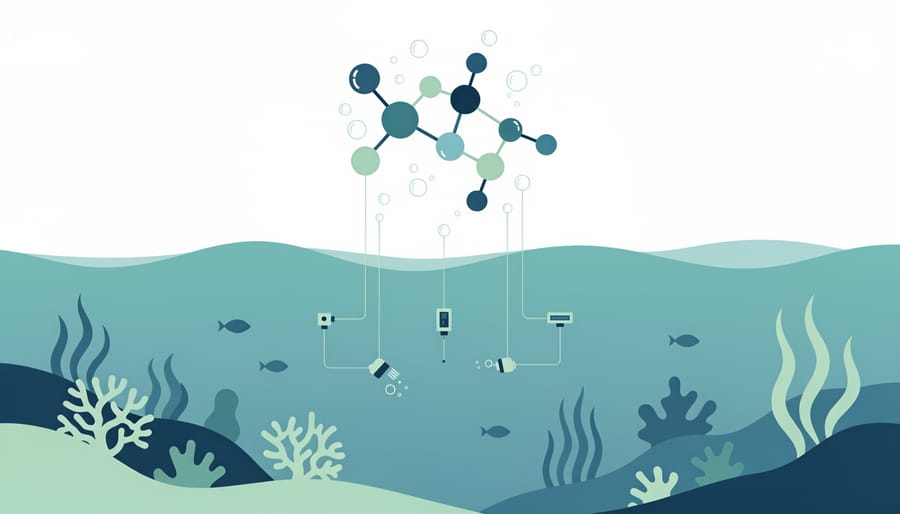
The molecular insights published in J Proteome Res translate directly into tools marine conservationists can use in the field. When researchers identify specific protein signatures in stressed corals, for example, marine managers gain an early-warning system for reef decline before visible bleaching occurs. These biomarkers allow for targeted intervention, potentially saving entire reef systems through timely action.
Proteomics data helps pinpoint which species are most vulnerable to environmental change. By analyzing how an organism’s protein expression shifts under warming waters or acidification, scientists can predict which populations face the greatest risk. This information shapes conservation priorities, directing limited resources toward the species and habitats where protection efforts will have the most impact. The research complements other monitoring approaches like eDNA fingerprints creating a comprehensive picture of ecosystem health.
Metabolomics research published in the journal has revealed how marine organisms respond to pollutants at the molecular level. When scientists detect altered metabolite patterns in fish exposed to microplastics or heavy metals, they can establish pollution thresholds and advocate for stricter regulations. These chemical signatures serve as sensitive indicators, often detecting contamination before traditional methods would flag a problem.
The discovery of unique compounds through marine proteomics and metabolomics also strengthens the economic argument for conservation. When researchers identify potential pharmaceutical compounds or industrial enzymes from marine organisms, they demonstrate the tangible value of biodiversity. A single species might harbor compounds worth millions in medical applications, making its protection not just an ethical imperative but an economic one.
Conservation policy increasingly relies on this molecular evidence. When governments designate marine protected areas or establish fishing regulations, the protein and metabolite data published in J Proteome Res provides scientific justification that withstands legal scrutiny. The research transforms abstract concerns about biodiversity into concrete, measurable impacts that policymakers and courts recognize. This evidence-based approach has proven essential in securing lasting protection for threatened marine ecosystems worldwide.
From Lab to Ocean: A Marine Biologist’s Perspective
Dr. Maya Chen still remembers the moment everything clicked. Standing on the deck of a research vessel off the Great Barrier Reef in 2024, she held a vial containing protein extracts from bleached coral samples. For months, her team had been documenting coral decline, but the visual observations told only part of the story.
“We knew the corals were stressed, but we didn’t understand why some colonies survived while their neighbors died,” she recalls. Back at the lab, Chen applied proteomic analysis techniques similar to those described in J Proteome Res publications. The results revealed something unexpected: survivor corals were producing specific heat shock proteins and antioxidants at levels three times higher than susceptible colonies.
This discovery transformed her entire approach to coral conservation. Instead of simply monitoring bleaching events after they occurred, Chen’s team could now identify resilient coral genotypes before major heat stress. They began collaborating with restoration projects to selectively propagate these hardy individuals.
“The proteomics data gave us actionable targets,” she explains. “We weren’t just watching corals die anymore. We were identifying the molecular signatures of survival.”
Her findings, published in a marine ecology journal, drew directly on methodologies documented in J Proteome Res. The research influenced reef restoration programs across three countries, with managers now incorporating protein biomarker screening into their coral nursery selection protocols.
Chen’s work demonstrates how laboratory proteomics translates to real-world conservation impact. She now mentors graduate students in marine molecular biology, always emphasizing that sophisticated analytical techniques serve a simple goal: understanding life in the ocean well enough to protect it. For her, every protein profile represents a potential conservation strategy, and every published study opens new possibilities for safeguarding marine biodiversity.
Getting Involved: Opportunities in Marine Proteomics Research
You don’t need a PhD to contribute to marine proteomics research. Opportunities exist at every level, from hands-on lab work to field-based citizen science projects that feed data into cutting-edge studies.
Many marine research facilities actively recruit volunteers for proteomics-related work. Research stations along coastlines worldwide need assistance with sample collection, specimen processing, and database management. These positions often involve diving or intertidal surveys to collect marine organisms, cataloging specimens, and preparing tissue samples for analysis. Organizations like the Smithsonian Marine Station and regional marine laboratories offer structured volunteer programs where you can work alongside scientists conducting proteomics studies.
Citizen science initiatives provide another entry point. Projects like Reef Check and CoralWatch collect field observations that complement proteomics research, helping scientists understand how environmental conditions correlate with molecular changes in marine organisms. Some programs, such as DNA and protein sample collection initiatives, train volunteers to gather standardized tissue samples from common species, expanding the geographic scope of research published in journals like J Proteome Res.
Educational workshops and online courses make proteomics concepts accessible to non-specialists. Universities with marine science programs frequently offer summer courses in molecular marine biology, while organizations like COSEE (Centers for Ocean Sciences Education Excellence) provide free webinars on proteomics applications in ocean research. These programs help you understand the science well enough to contribute meaningfully to research efforts.
Stay current with discoveries by setting up Google Scholar alerts for “marine proteomics” or following J Proteome Res through your institution’s library. Many research institutions also maintain public-facing blogs and newsletters that translate proteomics findings into accessible summaries, keeping you informed about breakthroughs that shape marine conservation strategies.
Common Questions About Marine Proteomics Research
What equipment is needed for marine proteomics research?
Proteomics research requires specialized instruments like mass spectrometers, which can cost hundreds of thousands of dollars, along with liquid chromatography systems and bioinformatics software. Most researchers access this equipment through university facilities, government labs, or partnerships with marine research institutions rather than purchasing it independently.
Can non-scientists access articles published in J Proteome Res?
While J Proteome Res operates on a subscription model, many articles become freely available after an embargo period, and researchers often share preprints or copies upon request. University libraries, public libraries with academic database access, and some conservation organizations provide routes for the public to read published studies.
How long does a typical marine proteomics study take from start to publication?
A complete study usually spans two to four years, including sample collection expeditions, laboratory analysis, data processing, peer review, and publication. Field collection can take months depending on the species and location, while the analysis and interpretation phase often requires a year or more of intensive work.
Which marine species are most commonly studied using these techniques?
Corals, sponges, mollusks, and microalgae appear frequently in proteomics research because they produce diverse bioactive compounds and serve as indicator species for ecosystem health. Deep-sea organisms and extremophiles also attract significant attention due to their unique adaptations and potential pharmaceutical applications.
These questions reflect common curiosities from people encountering marine proteomics for the first time. The technical nature of the field can seem intimidating, but understanding the practical aspects helps demystify the science.
Funding for this research typically comes from government agencies like the National Science Foundation, NOAA, and international marine research grants. Private foundations focused on ocean conservation and pharmaceutical companies interested in bioprospecting also support studies, particularly those with potential medical applications. Many researchers piece together funding from multiple sources to support long-term projects.
The timeline for proteomics research differs substantially from traditional marine biology fieldwork. While a taxonomist might identify a new species in months, proteomics researchers spend extensive time analyzing molecular data, comparing protein sequences across databases, and validating their findings through repeated experiments. This thoroughness ensures that published results meet rigorous scientific standards.
When it comes to translating findings into conservation policy, the path involves several steps. Researchers present their work at conferences, publish in journals like J Proteome Res, and collaborate with conservation organizations to interpret what the molecular data means for species protection. For example, proteomics research identifying stress markers in corals has informed reef management decisions, while metabolomics studies detecting pollution signatures have shaped water quality regulations. The Marine Biodiversity Science Center actively works to bridge this gap between laboratory discoveries and practical conservation applications, ensuring that cutting-edge research reaches the people who can act on it.
The Journal of Proteome Research stands at the forefront of a scientific revolution in how we understand and protect marine life. Through the sophisticated lens of proteomics and metabolomics, researchers are uncovering molecular blueprints that reveal how ocean organisms survive, adapt, and thrive in their environments. This journal provides the platform where groundbreaking discoveries about coral resilience, deep-sea adaptations, and marine bioactive compounds reach the global scientific community and inform conservation strategies.
We’re living in a remarkable era for marine science. The techniques published in this journal give us unprecedented precision to monitor ocean health, identify vulnerable species before traditional methods detect decline, and discover the chemical treasures hidden in marine organisms. Each published study adds another piece to our understanding of biodiversity patterns, ecosystem functions, and the innovative solutions nature has already developed over millions of years.
The next generation of marine scientists will build on this foundation, armed with molecular tools their predecessors could only imagine. But scientific progress needs support. Whether you contribute to marine research initiatives, participate in citizen science projects, or simply stay informed about new discoveries, you play a role in ocean conservation.
The Marine Biodiversity Science Center offers programs connecting people with marine research at every level. Explore our volunteer opportunities, attend workshops introducing proteomics techniques, or follow our research updates. The ocean’s secrets are being revealed one protein, one metabolite at a time, and this collective effort will shape how we protect marine ecosystems for future generations.

jessica
Ava Singh is an environmental writer and marine sustainability advocate with a deep commitment to protecting the world's oceans and coastal communities. With a background in environmental policy and a passion for storytelling, Ava brings complex topics to life through clear, engaging content that educates and empowers readers. At the Marine Biodiversity & Sustainability Learning Center, Ava focuses on sharing impactful stories about community engagement, policy innovations, and conservation strategies. Her writing bridges the gap between science and the public, encouraging people to take part in preserving marine biodiversity. When she’s not writing, Ava collaborates with local initiatives to promote eco-conscious living and sustainable development, ensuring her work makes a difference both on the page and in the real world.