Marine Biodiversity Science Center

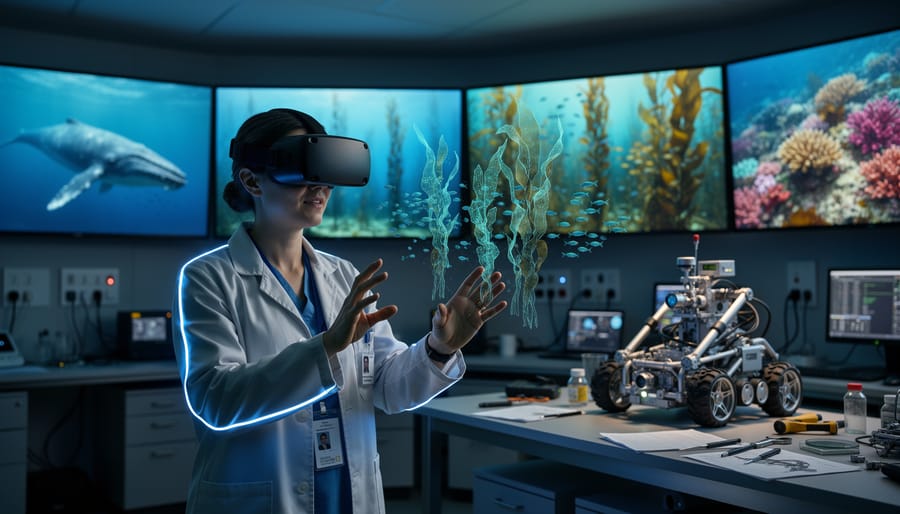
The Virginia Marine Institute stands at the forefront of an extraordinary transformation in ocean conservation, where cutting-edge digital arts and multimedia technologies amplify the urgent message of marine protection. As coral reefs face unprecedented threats and ocean biodiversity declines at alarming rates, this pioneering institution harnesses virtual reality, underwater videography, 3D modeling, and interactive digital exhibits to bridge the gap between complex marine science and public understanding.
Marine biologist Dr. Sarah Chen recalls the moment that changed her approach to conservation: “I spent years publishing research papers that few outside academia would read. Then we created an immersive VR experience showing kelp forest degradation in real-time. Suddenly, thousands of people understood what we’d been trying to communicate for decades.” This shift represents more than technological innovation; it embodies a fundamental reimagining of how we connect people to our oceans.
Through digital storytelling, the Institute transforms raw scientific data into compelling narratives that inspire action. Drone footage captures the majesty of migrating whale pods, while underwater 360-degree cameras document never-before-seen behaviors of deep-sea creatures. These tools democratize ocean exploration, allowing landlocked students and coastal communities alike to witness marine ecosystems firsthand.
The intersection of art and science creates powerful opportunities for participation. Volunteers contribute to citizen science projects through mobile applications, while digital artists collaborate with researchers to visualize climate change impacts, making abstract concepts tangible and urgent.
Where Marine Science Meets Creative Innovation
At the Virginia Marine Institute, cutting-edge marine research converges with innovative digital storytelling to create unprecedented pathways for ocean conservation. This pioneering institution recognizes that scientific data alone cannot capture the public’s imagination or drive meaningful environmental action. Instead, the institute has embraced a transformative approach that harnesses the power of visual media, interactive technology, and creative communication to bring the wonders and challenges of our oceans into sharp, accessible focus.
The institute’s mission extends beyond traditional research methodologies. While scientists continue their essential work studying marine ecosystems, biodiversity, and climate impacts, a dedicated team of digital artists, multimedia specialists, and communications experts work alongside them to translate complex findings into compelling visual narratives. This integration of marine science and art creates a powerful synergy that reaches diverse audiences, from policymakers to schoolchildren.
Dr. Sarah Martinez, a marine biologist at the institute, explains the philosophy: “We realized that stunning underwater photography, immersive virtual reality experiences, and engaging video content could communicate in minutes what might take pages of scientific papers to convey. More importantly, these tools create emotional connections that inspire people to care about ocean health.”
The institute employs advanced technologies including 3D visualization, drone videography, and interactive digital platforms to document marine life and environmental changes. These resources serve dual purposes: supporting scientific analysis while creating educational materials that resonate with public audiences. Through this approach, the Virginia Marine Institute demonstrates that effective conservation requires both rigorous science and the creative innovation needed to share those discoveries with the world.
Digital Technologies Bringing Ocean Life to Your Screen
Underwater Photography and Videography
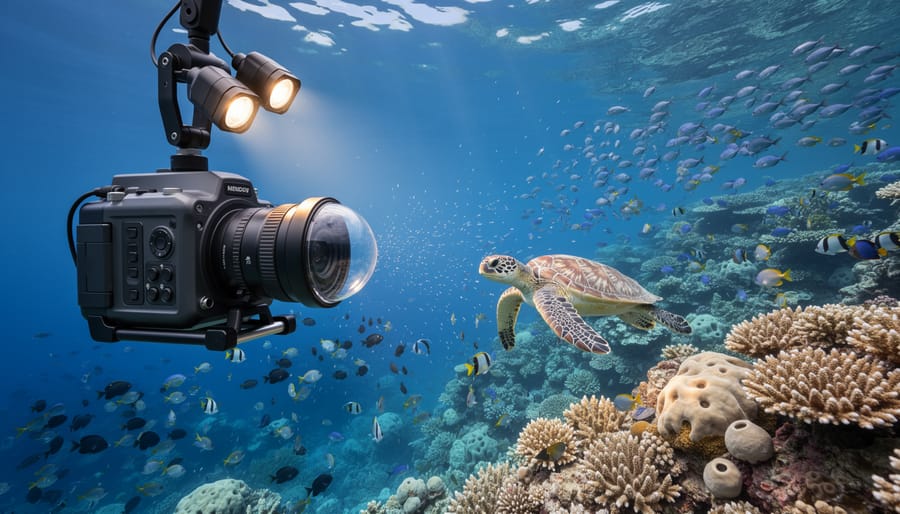
Advanced imaging technologies have revolutionized our understanding of marine ecosystems, transforming how scientists study and share underwater discoveries. At the Virginia Marine Institute, researchers employ high-definition cameras, underwater drones, and specialized lighting systems to capture stunning visuals of marine life in their natural habitats. These tools document species behavior, track population changes, and reveal ecosystems that few people will ever witness firsthand.
Dr. Sarah Chen, a marine biologist specializing in deep-sea research, describes the impact: “When we show people footage of bioluminescent creatures or coral spawning events, their perspective shifts completely. Suddenly, ocean conservation becomes personal.” The institute’s imaging archive now contains thousands of hours documenting seasonal migrations, predator-prey interactions, and the effects of environmental changes on coastal habitats.
This visual documentation serves multiple purposes beyond research. Educational programs use footage to teach students about marine biodiversity, while conservation campaigns leverage compelling imagery to advocate for protected areas. The institute regularly shares photographs and videos through public exhibitions and online platforms, making scientific discoveries accessible to everyone.
Volunteers with photography experience can join documentation expeditions, learning to operate specialized equipment while contributing to vital research databases. These opportunities blend artistic passion with scientific purpose, creating powerful ambassadors for ocean protection.
3D Modeling and Virtual Reality Experiences
The Virginia Marine Institute harnesses cutting-edge technology to bring the ocean’s wonders to audiences worldwide through innovative 3D modeling and virtual reality programs. Using high-resolution 3D scanners, researchers capture intricate details of coral reefs, shipwrecks, and underwater ecosystems, creating digital replicas that serve both scientific documentation and public education. These 3D marine education experiences allow students, educators, and ocean enthusiasts to explore marine habitats without specialized diving equipment or the environmental impact of physical visits.
Marine biologist Dr. Sarah Chen shares her enthusiasm: “Watching a child’s face light up when they virtually swim alongside a humpback whale is incredibly rewarding. We’re creating emotional connections that inspire the next generation of conservationists.” The institute’s VR experiences have proven particularly valuable for accessibility, enabling people with mobility limitations to experience underwater environments firsthand.
These digital tools also support critical research applications. Scientists can revisit 3D-scanned sites across multiple years, monitoring changes in reef health and tracking restoration progress without repeated field visits. Volunteers can participate by helping catalog digital specimens or testing new VR modules, making marine science more collaborative and inclusive than ever before.
Data Visualization and Interactive Multimedia
The Virginia Marine Institute transforms dense scientific findings into captivating visual stories that bridge the gap between researchers and the public. Through interactive dashboards, underwater photography exhibits, and animated infographics, complex data about water quality, species populations, and habitat health becomes immediately understandable. These digital tools allow visitors to explore real-time ocean conditions, track migration patterns of marine species, and visualize the impact of conservation efforts along Virginia’s coastline.
Dr. Sarah Chen, a marine biologist at the institute, shares how visualization changed her approach: “When we created an interactive map showing before-and-after restoration data, community members could see exactly how their volunteer efforts helped restore oyster populations. It turned abstract numbers into tangible hope.”
The institute’s multimedia platforms include virtual reality experiences that transport viewers beneath the waves, 360-degree video tours of underwater ecosystems, and citizen science apps where anyone can contribute observations. These innovations make marine research participatory rather than passive, inviting environmental enthusiasts and students to engage directly with ongoing studies while learning about conservation challenges facing the Chesapeake Bay and Atlantic waters.
Real Stories: Marine Biologists as Digital Artists
Dr. Maria Chen remembers the moment everything changed. As a marine biologist at the Virginia Institute of Marine Science, she had spent years publishing research papers about seahorse population decline, but public awareness remained disappointingly low. Then she partnered with a digital artist to create an immersive 360-degree video experience that allowed viewers to swim alongside these delicate creatures in their natural habitat.
“Within three months of releasing the video on social media, we saw a 400% increase in public inquiries about seahorse conservation,” Dr. Chen shares. “But more importantly, local communities began reporting seahorse sightings and participating in citizen science initiatives. The emotional connection people formed through that digital experience translated into real-world action.”
Her colleague, Dr. James Rodriguez, discovered similar success when he transformed his coral reef survey data into interactive digital installations. By projecting time-lapse visualizations of coral bleaching onto gallery walls, he made abstract temperature data tangible and heartbreaking. “People watched decades of reef degradation unfold in minutes,” he explains. “Several viewers told us they had never truly understood climate change until they saw their favorite dive sites disappear before their eyes.”
These multimedia projects have yielded measurable conservation wins. Following a virtual reality documentary about oyster restoration, volunteer applications for hands-on reef restoration projects increased by 65%. A drone photography series documenting sea turtle nesting sites led to expanded beach protection ordinances in three coastal communities.
Dr. Chen emphasizes that you don’t need advanced technical skills to start. “I learned basic video editing through free online tutorials,” she notes. “What matters is authenticity and storytelling. Show people the wonder you experience in your research, and they’ll want to protect it too.”
Both researchers now mentor graduate students in digital storytelling techniques, ensuring the next generation of marine scientists can communicate their findings through multiple mediums. Their message is clear: conservation science needs both rigorous data and compelling narratives to inspire lasting change.
How Marine-Inspired Digital Arts Drive Conservation Action
Raising Awareness for Endangered Species
Digital campaigns have become powerful tools for protecting vulnerable marine species, transforming public awareness into tangible conservation outcomes. The Virginia Marine Institute has championed several successful initiatives that demonstrate how technology and creativity intersect where art meets ocean conservation.
One notable campaign featured interactive 360-degree video experiences showcasing Atlantic sturgeon in their Chesapeake Bay habitats. Marine biologist Dr. Rachel Chen recalls, “We embedded acoustic tracking data into visual narratives, allowing viewers to follow individual fish on their migration routes. Within six months, the campaign reached 2.3 million people and contributed to expanded protected habitat zones.”
Another breakthrough came through the institute’s “Save Our Seahorses” social media initiative, which used augmented reality filters allowing users to virtually place endangered seahorses in their surroundings. This gamified approach generated 450,000 user-created posts and educated participants about seagrass restoration. The campaign’s success helped secure state funding for habitat restoration projects.
The institute also partnered with local artists to create compelling infographics and animated explainer videos about sea turtle nesting threats. These materials, shared through community networks, led to new beach lighting ordinances in three coastal counties, directly reducing hatchling disorientation incidents by 40 percent. These examples demonstrate how thoughtful digital storytelling can mobilize communities and influence policy while making complex marine science accessible to everyone.
Engaging the Next Generation of Ocean Advocates
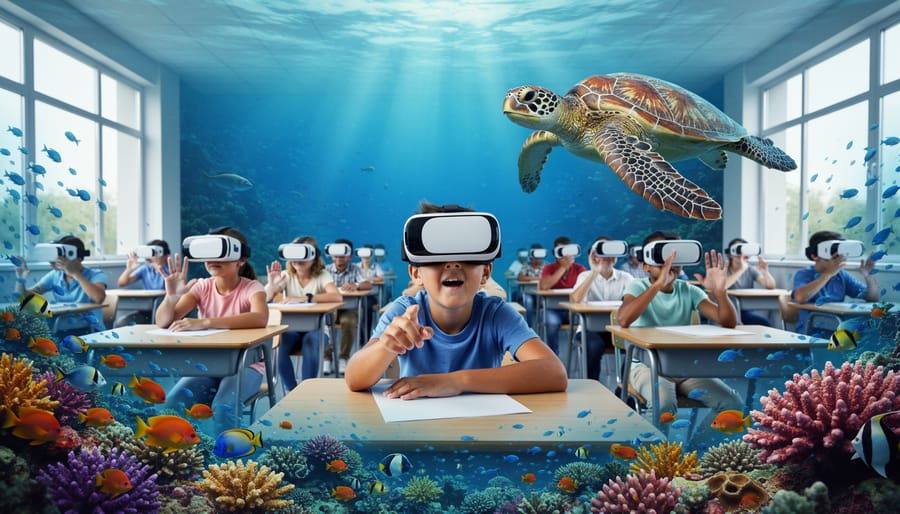
The Virginia Marine Institute has pioneered innovative approaches to digital marine education that captivate young minds and cultivate the next generation of ocean stewards. Through virtual reality tide pool explorations and interactive species identification apps, students experience marine ecosystems in ways that traditional textbooks cannot replicate.
Dr. Sarah Chen, a marine educator at the institute, shares how these digital tools transform learning: “When students virtually swim alongside a sea turtle or manipulate 3D models of coral polyps, they develop an emotional connection to marine life. That connection becomes the foundation for lifelong conservation advocacy.”
The institute’s Youth Ocean Ambassador program combines hands-on fieldwork with digital storytelling projects, enabling participants ages 12-18 to document their research and share findings through social media campaigns and student-produced documentaries. Last year, over 500 young people participated in beach cleanups they organized themselves using the institute’s online coordination platform.
Interactive citizen science initiatives allow students to contribute real data to ongoing research projects. By photographing local marine species or recording water quality measurements through mobile apps, youth become active participants in scientific discovery rather than passive observers. This engagement approach has demonstrated remarkable success, with 78 percent of participants reporting increased interest in marine science careers and environmental studies.
Getting Involved: Opportunities in Marine Digital Arts
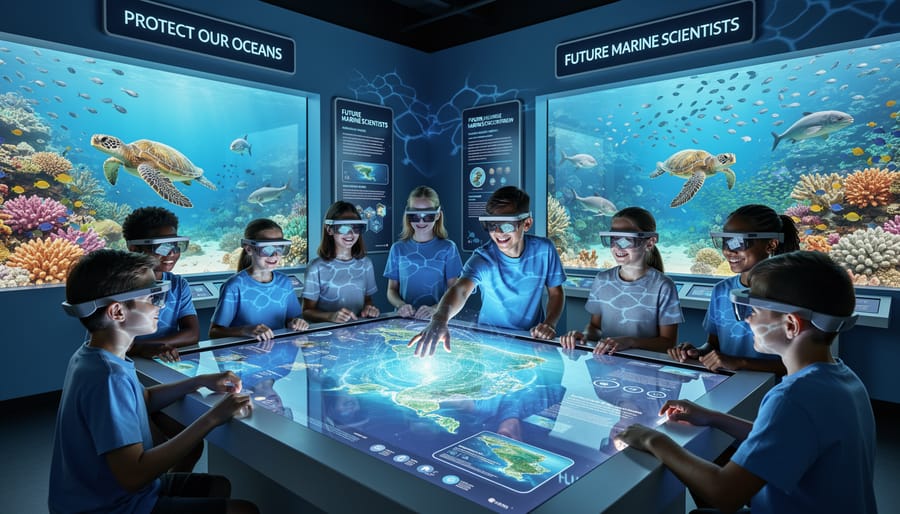
Whether you’re an aspiring marine conservationist, a digital artist seeking purpose-driven projects, or simply someone passionate about ocean health, numerous pathways exist to engage with marine-inspired digital arts and multimedia initiatives. The Virginia Marine Institute welcomes participants of all skill levels to contribute meaningfully to marine conservation through creative digital expression.
Educational programs offer structured entry points for those new to this intersection of art and science. The institute’s Digital Ocean Storytelling Workshop series teaches participants how to create compelling visual narratives using photography, video editing, and graphic design software. These monthly sessions require no prior experience and emphasize translating complex marine research into accessible digital content. Marine biologist Dr. Elena Rodriguez, who coordinates these workshops, shares, “I’ve watched teachers, students, and retirees discover they can become powerful advocates for ocean conservation by learning to communicate science visually. One participant’s underwater photography series helped secure protection for a local seagrass habitat.”
Volunteer opportunities abound for those ready to contribute immediately. The Citizen Science Photography Initiative enlists volunteers to document coastal ecosystems using smartphones and basic camera equipment. Your images become part of a growing database that researchers use to track environmental changes over time. Meanwhile, the Virtual Reef Monitoring Program trains volunteers to review underwater footage captured by remote cameras, identifying species and behaviors that inform conservation strategies.
For digitally skilled individuals, the institute actively seeks graphic designers, video editors, and social media content creators to help share ongoing research findings. These volunteer roles directly amplify the institute’s conservation message, transforming raw scientific data into engaging content that reaches broader audiences and inspires collective action for marine protection.
The convergence of marine science and digital arts represents a powerful catalyst for ocean conservation, transforming how we understand, communicate, and protect our underwater world. The Virginia Marine Institute and similar organizations have demonstrated that when cutting-edge research meets creative visualization, the impact extends far beyond traditional scientific circles. Through immersive virtual reality experiences, stunning underwater photography, interactive data visualizations, and compelling video documentaries, these institutions are making marine conservation accessible and inspiring to millions worldwide.
The stories shared by marine biologists working at the intersection of research and technology reveal a consistent truth: creative innovation amplifies conservation messages in ways that raw data alone cannot achieve. When a child explores a coral reef through virtual reality or a policymaker sees real-time ocean health data beautifully visualized, the emotional connection deepens, and the motivation to act strengthens. This is the transformative power we need to address the urgent challenges facing our oceans.
Your journey into marine conservation can begin today. Explore the growing library of marine multimedia resources available online, from educational documentaries to interactive mapping tools. Consider volunteering with local marine organizations or participating in citizen science projects that contribute to ongoing research. Share compelling ocean stories and imagery through your own social networks to expand awareness. Support marine research institutions and conservation initiatives through donations or advocacy.
Every action, no matter how small, contributes to the collective effort protecting our oceans. Together, through the combination of rigorous science and creative storytelling, we can inspire the global movement needed to preserve marine biodiversity for future generations.

jessica
Ava Singh is an environmental writer and marine sustainability advocate with a deep commitment to protecting the world's oceans and coastal communities. With a background in environmental policy and a passion for storytelling, Ava brings complex topics to life through clear, engaging content that educates and empowers readers. At the Marine Biodiversity & Sustainability Learning Center, Ava focuses on sharing impactful stories about community engagement, policy innovations, and conservation strategies. Her writing bridges the gap between science and the public, encouraging people to take part in preserving marine biodiversity. When she’s not writing, Ava collaborates with local initiatives to promote eco-conscious living and sustainable development, ensuring her work makes a difference both on the page and in the real world.