Marine Biodiversity Science Center

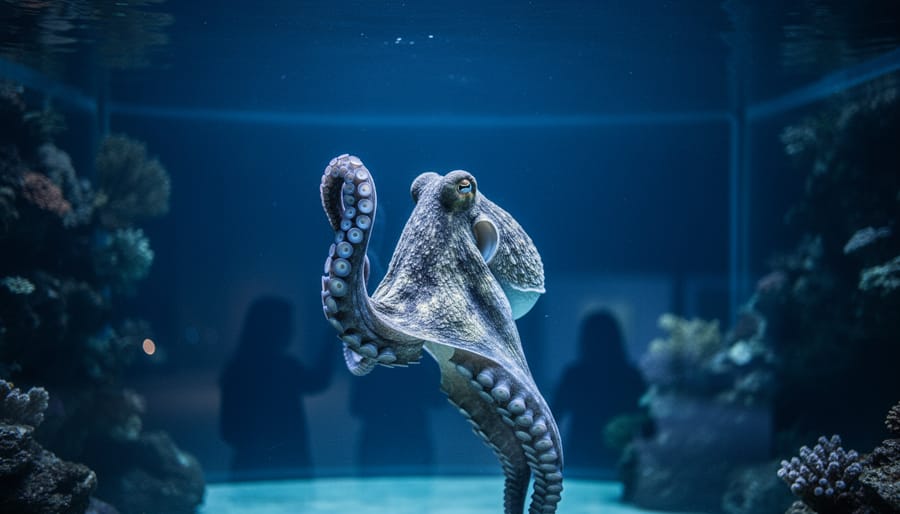
Every time you stand before a glowing aquarium tank, watching a sea turtle glide past artificial coral or a dolphin perform on command, you’re witnessing the convergence of conservation ambition and ethical controversy. The marine aquarium industry exists at a crossroads where scientific research, public education, and species preservation intersect with animal welfare concerns, wild population impacts, and questions about our right to confine sentient ocean life for human benefit.
Consider the numbers: approximately 700 million visitors pass through public aquariums worldwide annually, with institutions claiming to inspire conservation action and fund critical research. Yet behind the scenes, acquisition methods range from sustainable captive breeding programs to extractive wild collection that can devastate reef ecosystems. Some facilities have successfully bred endangered species and reintroduced them to native habitats, while others maintain animals in conditions that prompt repetitive stress behaviors and shortened lifespans. The ethical complexity mirrors broader challenges in marine ecotourism ethics, where conservation goals and commercial interests often clash.
Marine biologist Dr. Sarah Chen, who transitioned from aquarium work to field conservation, shares a transformative moment: “I watched a wild-caught octopus continuously probe the corners of its tank, searching for an exit that would never come. That intelligence, that awareness of captivity, changed how I viewed my work entirely.”
This examination explores whether modern aquariums serve as conservation arks and educational beacons, or if they perpetuate exploitation under the guise of protection. More importantly, it provides frameworks for distinguishing ethical facilities from problematic ones and empowers you to support practices that genuinely advance marine conservation without compromising animal welfare.
The Complex Relationship Between Aquariums and Marine Aquaculture
Where Do Aquarium Animals Actually Come From?
Understanding where aquarium animals originate is crucial to evaluating the ethics of marine exhibits. The supply chain for aquarium specimens follows two primary pathways: wild collection and captive breeding, each with distinct environmental and ethical implications.
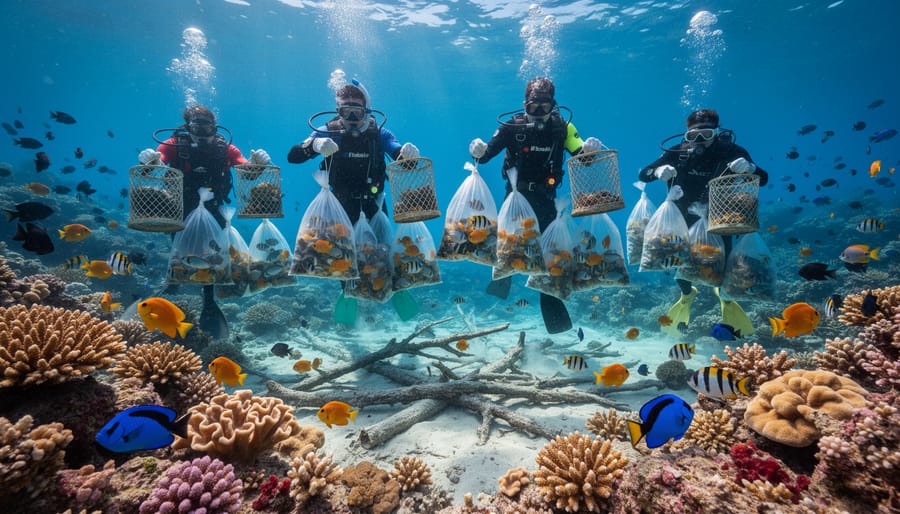
Wild collection remains surprisingly prevalent in the aquarium trade. Recent industry estimates suggest that approximately 90-95% of marine ornamental fish sold globally are captured from wild populations, primarily from coral reef ecosystems in Southeast Asia, the Caribbean, and the Pacific Islands. Collection methods vary dramatically in their sustainability. While some collectors use careful hand-netting techniques that minimize habitat damage, others still employ destructive practices like cyanide fishing, which not only harms target species but devastates entire reef communities.
In contrast, professional public aquariums increasingly prioritize captive-bred specimens when available. Marine biologist Dr. Sarah Chen, who oversees breeding programs at a major coastal facility, shares that her team has successfully bred over 30 species once considered impossible to reproduce in captivity. “Each breeding success reduces pressure on wild populations and advances our understanding of marine reproduction,” she explains. These programs now supply roughly 25% of species commonly displayed in professional aquariums, though this percentage varies widely by species.
Dedicated aquaculture facilities have emerged as a middle ground, producing clownfish, seahorses, and certain invertebrates at commercial scales. These operations reduce wild collection pressure while providing hobbyists and institutions with healthier, acclimated specimens. For conservation-minded visitors, asking aquariums about their sourcing practices and supporting institutions with robust breeding programs represents a meaningful way to encourage ethical supply chains.
The Environmental Cost of Collection
The journey from coral reef to aquarium tank carries a significant environmental toll that extends far beyond individual animals. Collection practices for marine species can devastate entire ecosystems, particularly when destructive methods are employed. Cyanide fishing, still used in parts of Southeast Asia and the Pacific, involves squirting sodium cyanide solution onto reefs to stun fish for easy capture. This practice kills corals and countless non-target species, leaving behind ecological dead zones.
Even non-destructive collection methods create ripple effects. Removing key species disrupts food webs and breeding populations, affecting ecosystem balance in ways we’re only beginning to understand. Dr. Sarah Chen, a marine biologist who volunteers with reef restoration projects, shares that “every cleaner wrasse or butterflyfish removed represents lost ecosystem services—these species perform crucial roles in maintaining reef health.”
The scale matters too. While individual hobbyist aquariums may seem insignificant, the global ornamental fish trade moves millions of specimens annually. Some regions have seen population crashes of popular species like the Banggai cardinalfish, now endangered largely due to collection pressure.
However, there’s hope. Many aquariums now prioritize captive-bred specimens and support sustainable collection certification programs, demonstrating that consumer awareness and institutional commitment can drive meaningful change toward protecting wild populations.
The Animal Welfare Dilemma: Can Captivity Ever Be Ethical?
Sentience and Suffering in Marine Species
Scientific understanding of marine animal cognition has evolved dramatically over the past two decades, revealing that fish and marine mammals possess far more complex mental lives than previously recognized. Research from marine biologists demonstrates that many fish species can recognize individual humans, use tools, and experience emotional states similar to stress and anxiety. Marine mammals like dolphins and orcas display self-awareness, sophisticated communication systems, and strong family bonds that persist throughout their lifetimes.
Studies examining captive marine animals have documented concerning patterns of stereotypic behaviors—repetitive, seemingly purposeless actions that indicate psychological distress. These include dolphins swimming in repetitive circles, sharks exhibiting head-swaying, and fish hovering listlessly in corners. Dr. Lori Marino, a neuroscientist who has studied cetacean brains, shares that “the neurological evidence shows these animals have the capacity for complex thought and emotion, which makes confinement particularly challenging for their welfare.”
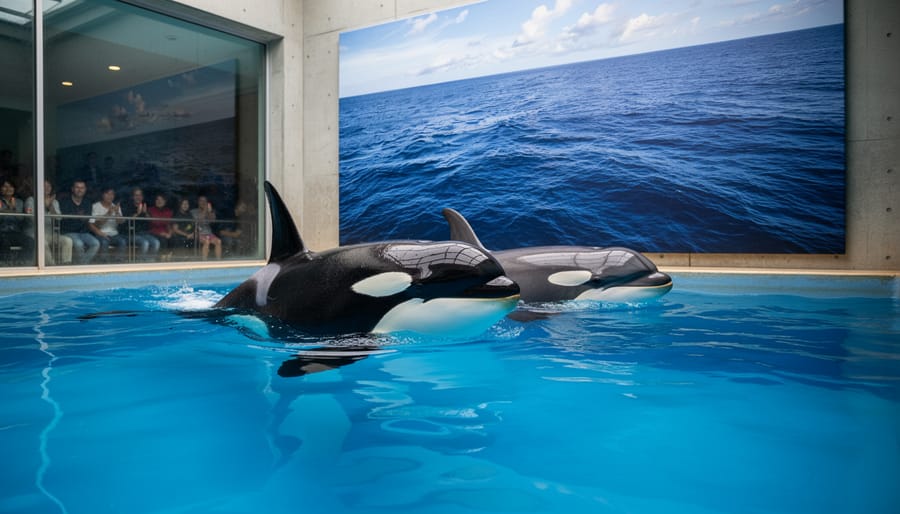
Physical health issues also emerge in captive environments. Orcas in tanks often develop collapsed dorsal fins, a condition rarely seen in wild populations. Research published in marine biology journals indicates elevated stress hormone levels in captive fish, particularly when tank sizes are insufficient or environmental enrichment is lacking. Immune system suppression, abnormal aggression, and reduced lifespan have been documented across multiple species.
These findings don’t necessarily condemn all aquariums but highlight the ethical responsibility facilities have to prioritize animal welfare. Progressive aquariums are responding by creating larger, more stimulating environments and focusing on species better suited to captivity. For those passionate about marine welfare, volunteer opportunities at rescue-focused facilities offer ways to support ethical alternatives while contributing to meaningful conservation work.
The Question of ‘Adequate’ Living Conditions
When we compare the vast, dynamic ocean environments to even the most sophisticated aquarium exhibits, fundamental differences become apparent. While modern facilities have made remarkable strides in habitat design, the question remains whether any enclosed space can truly replicate the complexity of natural marine ecosystems.
Consider the spiny lobster, which in nature may travel up to 50 kilometers during seasonal migrations. Even in a large public aquarium, this creature might inhabit a space measuring just a few meters across. Marine biologist Dr. Sarah Chen, who spent five years studying reef fish behavior before transitioning to aquarium consultation work, shares her perspective: “I’ve watched triggerfish in the wild establish territories spanning hundreds of square meters. In captivity, we’re compressing their entire world into spaces that would represent just a fraction of their natural range.”
Tank size represents only one dimension of this challenge. Social structures in the ocean are extraordinarily complex. Many species form intricate hierarchies, breeding colonies, or cooperative hunting groups that involve dozens or hundreds of individuals. Replicating these dynamics in captivity proves difficult, if not impossible. A school of sardines numbering in the thousands becomes a group of twenty. Solitary species that would naturally encounter others only during mating season must coexist continuously.
Progressive aquariums have invested heavily in behavioral enrichment, introducing puzzle feeders, varied landscapes, and rotating exhibits to stimulate natural behaviors. These innovations represent significant improvements, yet they remain approximations of the sensory richness marine animals experience in open water—the changing currents, seasonal migrations, diverse prey, and endless spatial complexity.
The central question becomes not whether we can perfectly replicate ocean conditions, because we cannot, but whether the educational and conservation benefits justify maintaining marine life in these fundamentally limited environments. This calculus requires ongoing honest assessment and continuous improvement.
Conservation Claims vs. Conservation Reality
Do Aquariums Actually Change Conservation Behavior?
The question of whether aquarium visits genuinely influence conservation behavior has sparked considerable research over the past two decades. Studies reveal a nuanced picture: while aquariums consistently succeed in raising awareness about marine issues, translating that knowledge into sustained behavioral change proves more challenging.
Research from the Association of Zoos and Aquariums found that approximately 70% of visitors report increased concern for ocean conservation immediately after their visit. However, longitudinal studies tracking visitors over six months show that only about 10-15% maintain measurable changes in their daily habits, such as reducing plastic use or supporting marine conservation organizations financially.
Dr. Maya Chen, an education coordinator at a coastal aquarium for twelve years, shares her perspective on this gap: “Early in my career, I measured success by how many people smiled at the sea otters. Now, we’ve redesigned our programs entirely. We track specific commitments—visitors can sign up for beach cleanups, pledge to stop using single-use plastics, or adopt sustainable seafood practices right at our exit stations.”
Her aquarium’s revised approach includes follow-up emails with volunteer opportunities and practical resources, creating what she calls “conservation scaffolding”—small, achievable steps that build toward lasting engagement. Their data shows a 40% increase in measurable actions when visitors receive this structured support.
The key appears to be intentional design. Aquariums that incorporate clear calls to action, provide tangible ways to participate, and maintain post-visit connections demonstrate significantly better outcomes than those relying solely on the inspiration of viewing marine life.
Breeding Programs: Preservation or Entertainment?
Aquarium breeding programs occupy complex ethical territory. While many facilities champion their captive breeding initiatives as conservation victories, the reality demands closer scrutiny. Success stories exist—the Monterey Bay Aquarium’s weedy seadragon program and various coral restoration projects demonstrate genuine conservation value. However, reintroduction rates tell a sobering story: fewer than 20% of captive-bred marine species ever return to wild habitats, with survival rates often disappointingly low.
Dr. Sarah Chen, a marine biologist working with California’s aquarium network, shares her perspective: “We’ve learned that breeding programs work best when designed with specific reintroduction goals from day one, not as afterthoughts to maintain exhibit populations.” This distinction matters enormously. Many programs focus on maintaining genetically viable captive populations without realistic pathways to wild release, essentially serving exhibition purposes rather than conservation.
The emergence of genetic engineering programs adds another layer of complexity, raising questions about genetic diversity and adaptation. Effective breeding programs require substantial resources, habitat protection, and long-term commitment. When aquariums transparently communicate their conservation metrics—including reintroduction success rates and wild population impacts—visitors can better assess whether these programs genuinely serve preservation or primarily entertainment.
Research Benefits: What We’ve Learned and What It Cost
Aquariums have undeniably contributed valuable scientific knowledge to marine conservation. Research conducted in controlled aquarium settings has advanced our understanding of marine animal behavior, reproduction, and physiology in ways that would be nearly impossible in the wild. Scientists have successfully bred endangered species like seahorses and coral, developing techniques later applied to restoration projects. Disease studies in aquarium populations have helped protect wild counterparts from outbreaks.
Dr. Sarah Chen, a marine biologist who spent five years studying jellyfish reproduction at a public aquarium, shares her perspective: “The data we gathered informed protection strategies for wild populations. However, I constantly questioned whether confining these animals was truly necessary for our research goals.”
This tension lies at the heart of the ethical debate. While aquarium research has yielded insights into animal cognition and contributed to conservation technology innovations, we must ask: do these benefits justify keeping intelligent, wide-ranging species in captivity? Increasingly, researchers are developing alternative methods, including advanced satellite tracking, underwater observation stations, and non-invasive genetic sampling that gather crucial data without confinement. These emerging approaches suggest that much aquarium-based research could transition to field-based methodologies that respect animal autonomy while still advancing scientific understanding.
Sustainable Aquaculture: A Path Forward for Ethical Aquariums
Species Selection Matters: Choosing Animals That Can Thrive
Not all marine species are suitable candidates for aquarium life, and recognizing this distinction represents a fundamental ethical responsibility. The physical and behavioral needs of each species must guide selection decisions, prioritizing animals that can genuinely thrive within captive environments.
Smaller reef fish, such as clownfish, damselfish, and gobies, typically adapt well to aquarium settings. These species naturally occupy limited territories in the wild and have been successfully bred in captivity for generations, reducing collection pressures on wild populations. Many invertebrates, including certain corals, sea anemones, and cleaner shrimp, also flourish in well-maintained tanks. Their relatively modest space requirements and observable behaviors make them excellent ambassadors for marine ecosystems.
In stark contrast, certain animals should never be displayed in aquariums. Large pelagic species like tuna, marlins, and sharks require vast open-ocean distances that no facility can replicate. Marine mammals, including dolphins and orcas, face severe welfare challenges in captivity due to their complex social structures, extensive ranges, and sophisticated cognitive needs. Even seemingly manageable species like sea turtles often require migration routes spanning thousands of miles, making permanent captivity problematic.
Ethical species selection criteria include natural habitat range, breeding success in captivity, behavioral complexity, dietary requirements, and conservation status. Marine biologist Dr. Sarah Chen, who advises several aquariums on collection practices, shares that “assessing whether we can meet an animal’s complete physical and psychological needs isn’t just good ethics—it’s the foundation of meaningful conservation education.” By choosing appropriate species, aquariums can provide enriching experiences for visitors while ensuring genuine welfare for their residents, creating a sustainable model that benefits both education and conservation goals.
Closed-Loop Aquaculture Systems and Captive Breeding
Modern closed-loop aquaculture systems represent a transformative shift in how aquariums source their animals, offering an ethical alternative to wild collection. These systems recirculate and filter water continuously, minimizing waste discharge and creating controlled environments where marine species can thrive and reproduce. By maintaining stable water quality, temperature, and nutrient levels, these facilities have achieved remarkable success in breeding species once considered impossible to reproduce in captivity.
Captive breeding programs have proven particularly successful with species like clownfish, seahorses, and certain coral varieties. The Monterey Bay Aquarium, for example, has pioneered breeding techniques for jellyfish that now supply institutions worldwide, eliminating collection pressure on wild populations. Marine biologist Dr. Sarah Chen recalls her first successful coral spawning event: “Watching thousands of tiny coral larvae drift through the tanks was magical. We knew then that we could help rebuild reefs while keeping aquarium displays sustainable.”
These innovations extend beyond fish to invertebrates and even cephalopods. Chambered nautilus, once heavily collected, are now successfully bred in captivity at several facilities. Each captive-bred generation reduces demand for wild specimens while contributing valuable data to conservation efforts.
For those inspired by these advances, volunteer opportunities exist at many aquarium breeding facilities. Tasks range from monitoring larval development to maintaining filtration systems, providing hands-on experience in sustainable aquaculture. By supporting aquariums with robust breeding programs, visitors directly contribute to reducing environmental impact while ensuring future generations can connect with marine life ethically and responsibly.
What Progressive Aquariums Are Doing Differently
Case Study: Transitioning to Conservation-First Models
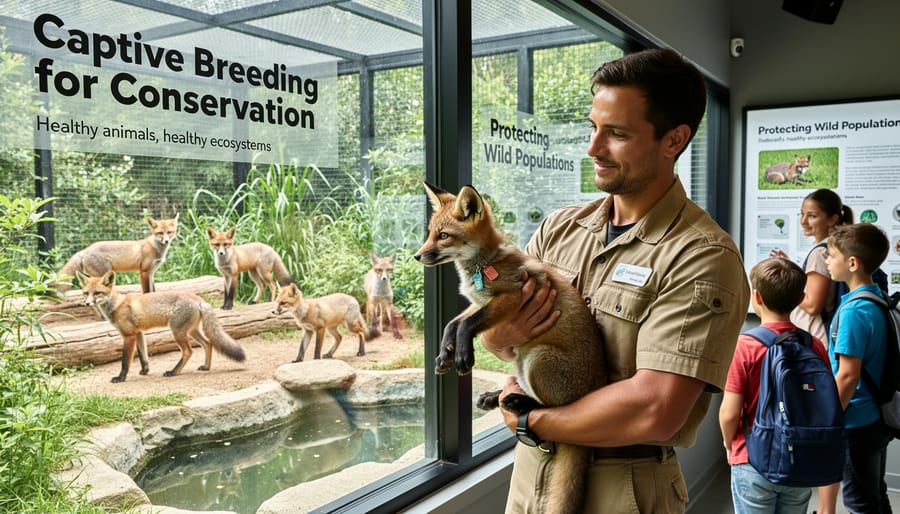
The transformation of the Monterey Bay Aquarium in California offers a powerful example of conservation-first practices in action. Once heavily reliant on wild-caught specimens, the aquarium now prioritizes captive breeding programs and works closely with sustainable aquaculture operations to minimize environmental impact. Their Seafood Watch program has influenced both public consumption habits and industry standards, demonstrating how aquariums can extend their conservation mission beyond their walls.
Dr. Elena Martinez, a marine biologist who led conservation initiatives at the New England Aquarium for over a decade, shares her experience: “When I started in 2008, we were still collecting many specimens directly from reefs. The shift wasn’t easy—it required retraining staff, investing in breeding facilities, and sometimes accepting empty exhibits while we developed sustainable alternatives. But watching our first generation of aquarium-born seahorses thrive made every challenge worthwhile.”
The Georgia Aquarium faced similar growing pains when transitioning their beluga whale program. Rather than acquiring new wild-caught individuals, they committed to providing sanctuary care for rescued animals while phasing out breeding. This decision sparked internal debate and required significant public education efforts to explain why conservation sometimes means saying no to popular exhibits.
Key challenges these institutions encountered included increased operational costs for breeding programs, longer timelines to establish exhibits, and managing public expectations when favorite species weren’t available. However, successes have been remarkable: improved animal welfare metrics, enhanced educational opportunities around conservation breeding, and stronger partnerships with field conservation projects.
For those inspired by these transformations, volunteer opportunities exist at many progressive aquariums. Roles range from assisting with husbandry and water quality monitoring to leading educational tours that emphasize conservation messaging. The Association of Zoos and Aquariums maintains a database of institutions committed to ethical practices, helping volunteers and visitors support facilities prioritizing animal welfare and environmental stewardship. These transitions prove that while change requires courage and resources, the result is institutions better equipped to fulfill their conservation and educational missions authentically.
How You Can Support Ethical Marine Conservation
Questions to Ask Before Visiting an Aquarium
Before visiting any aquarium, asking thoughtful questions helps you assess their commitment to animal welfare and conservation. Start by inquiring about sourcing transparency: Where do their animals come from? Ethical facilities prioritize captive-bred specimens or rescue animals over wild-caught individuals, reducing pressure on natural populations.
Ask about the species they keep and why. Facilities should maintain animals whose needs they can adequately meet, avoiding species requiring vast ocean ranges or complex social structures difficult to replicate. Tank sizes matter tremendously—observe whether exhibits provide adequate space, environmental enrichment, and species-appropriate habitats.
Investigate their breeding programs. Are they participating in Species Survival Plans or other collaborative conservation efforts? Dr. Maria Santos, a marine biologist working with endangered sea turtles, notes that “ethical aquariums function as genetic reservoirs for threatened species, but only when breeding programs are scientifically managed and contribute to wild population recovery.”
Finally, ask about conservation funding and research contributions. What percentage of revenue supports field conservation? Do they conduct meaningful scientific research? Reputable facilities transparently share this information and actively partner with conservation organizations. By asking these questions, you become an informed visitor who supports institutions genuinely committed to protecting marine life while holding others accountable to higher ethical standards.
Alternative Ways to Experience Marine Life
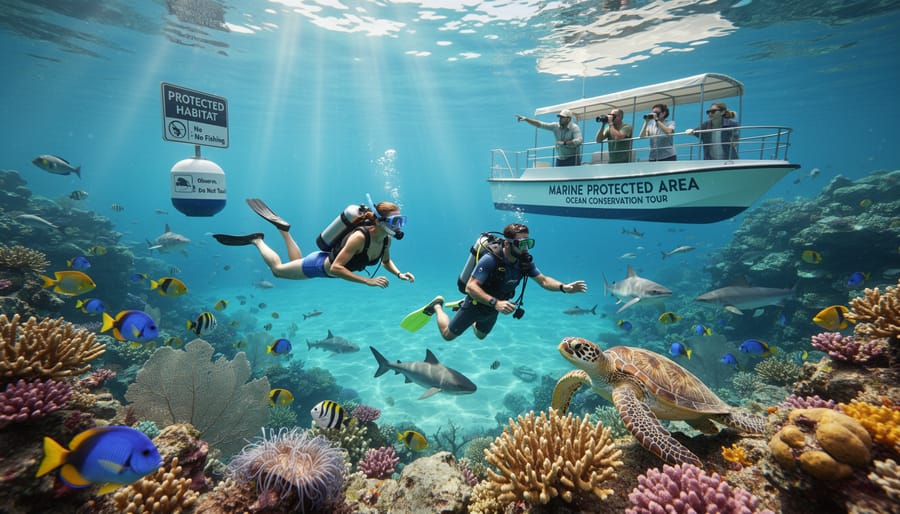
For those seeking meaningful connections with marine life without supporting potentially problematic captive environments, numerous ethical alternatives offer equally enriching experiences. Snorkeling or diving in protected marine areas provides the unparalleled thrill of observing animals in their natural habitats while supporting conservation efforts through eco-tourism fees. Following principles of responsible wildlife observation ensures these encounters benefit both visitors and marine ecosystems.
Technology now offers remarkable access to ocean environments through virtual reality experiences and live underwater camera feeds. These innovations allow people with mobility limitations or those far from coastal areas to witness marine biodiversity without environmental impact. Several organizations offer immersive 360-degree footage of coral reefs, deep-sea environments, and marine animal behavior.
Ocean sanctuaries, which rehabilitate injured marine animals for release rather than permanent display, welcome visitors and volunteers. These facilities prioritize animal welfare while educating the public about marine conservation challenges.
Citizen science projects provide hands-on involvement in marine research. Dr. Elena Martinez, a marine biologist who transitioned from aquarium work to field research, shares: “Volunteering with coastal monitoring programs gave me more authentic connections with marine life than years working in captivity. You’re contributing real data while experiencing animals as they truly are.”
The Marine Biodiversity Science Center offers volunteer opportunities in habitat restoration, species monitoring, and educational outreach. These programs allow participants to contribute meaningfully to ocean conservation while developing deeper understanding of marine ecosystems in their natural state.
The ethics of aquariums exists in a space of profound tension. These institutions genuinely contribute to marine education and conservation research, yet they simultaneously confine sentient creatures to artificial environments that can never replicate the ocean’s vastness and complexity. This isn’t a simple binary of good versus bad, but rather a challenge that demands continuous evolution and honest self-assessment from the aquarium industry.
Moving forward, aquariums must prioritize animal welfare with the same urgency they apply to conservation messaging. This means embracing radical transparency about sourcing practices, investing in larger and more enriched habitats, phasing out species unsuited to captivity, and supporting marine protected areas that preserve ecosystems in their natural state. The connection between aquariums and aquaculture also requires scrutiny, as responsible breeding programs can reduce wild collection pressures, but only when implemented with rigorous welfare standards.
Here’s the empowering truth: change happens when enough people demand it. Your choices matter. Visit facilities accredited by organizations with strong animal welfare standards. Ask questions about where animals come from and how they’re cared for. Support marine conservation projects that protect habitats rather than simply displaying their inhabitants. Volunteer with local ocean monitoring programs or beach cleanups to connect with marine biodiversity in ways that don’t require captivity.
Protecting our oceans requires us to examine all our practices with clear eyes, including those wrapped in educational missions. The future of aquariums depends on their willingness to evolve, and your voice can accelerate that transformation. Together, we can ensure that our relationship with marine life honors both our curiosity and our responsibility.

jessica
Ava Singh is an environmental writer and marine sustainability advocate with a deep commitment to protecting the world's oceans and coastal communities. With a background in environmental policy and a passion for storytelling, Ava brings complex topics to life through clear, engaging content that educates and empowers readers. At the Marine Biodiversity & Sustainability Learning Center, Ava focuses on sharing impactful stories about community engagement, policy innovations, and conservation strategies. Her writing bridges the gap between science and the public, encouraging people to take part in preserving marine biodiversity. When she’s not writing, Ava collaborates with local initiatives to promote eco-conscious living and sustainable development, ensuring her work makes a difference both on the page and in the real world.