Marine Biodiversity Science Center

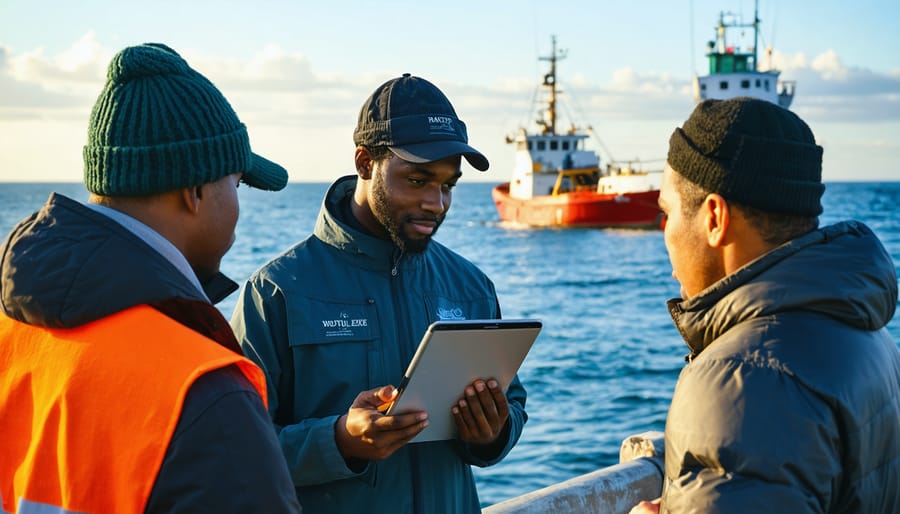
**Transform Your Passion for Ocean Conservation into Policy Action**
The world’s oceans face unprecedented challenges—overfishing, plastic pollution, habitat destruction, and climate change threaten marine ecosystems at every level. While scientific research identifies these problems, marine policy professionals create the frameworks, legislation, and international agreements that drive meaningful solutions. Graduate programs in marine policy bridge this critical gap, equipping conservationists with the advocacy tools, negotiation skills, and regulatory knowledge needed to turn scientific findings into enforceable protections.
These specialized programs aren’t simply about understanding environmental law—they’re training grounds for ocean advocates who can navigate complex political landscapes, build coalitions across sectors, and craft policies that balance ecological health with economic realities. Students learn to draft legislation, analyze fisheries management systems, engage stakeholders in coastal communities, and influence decision-makers at local, national, and international levels.
Whether you’re a marine biologist seeking to amplify your research impact, an educator wanting to shape curriculum policy, or a career-changer passionate about ocean conservation, these programs offer pathways to frontline advocacy work. Graduates emerge prepared to lead campaigns for marine protected areas, advise government agencies on sustainable fisheries, coordinate with NGOs on climate adaptation strategies, or represent conservation interests in international treaty negotiations.
The most effective marine policy professionals combine scientific literacy with political acumen—and the right graduate program develops both. Understanding which programs align with your advocacy goals is the first step toward making your mark on ocean conservation.
What Makes Marine Policy Different From Marine Science
While marine science programs train you to understand ocean ecosystems through research and data collection, marine policy programs prepare you to transform that knowledge into real-world change. Think of it this way: a marine biologist might discover that a fish population is declining, but a marine policy professional figures out how to convince governments, industries, and communities to actually protect it.
Traditional marine biology and ecology programs focus primarily on fieldwork, laboratory research, and scientific methodology. You’ll spend time identifying species, analyzing water samples, and publishing research papers. These skills are invaluable for understanding our oceans, but they don’t necessarily equip you to navigate the complex human systems that determine how marine resources are managed.
Marine policy programs take a different approach. They build bridges between marine science and the disciplines that drive decision-making: environmental law, economics, public administration, and strategic communication. You’ll still learn the science—understanding ocean acidification, fisheries dynamics, and ecosystem health remains fundamental—but you’ll also study ocean policy frameworks, cost-benefit analysis, stakeholder engagement, and regulatory processes.
This interdisciplinary training creates professionals who can translate scientific findings into policy recommendations, negotiate with diverse stakeholders, draft legislation, and communicate complex issues to non-scientists. For example, you might learn to design market-based incentives for sustainable fishing, facilitate consensus among competing ocean users, or craft compelling testimony for legislative hearings.
Many marine policy students come from science backgrounds but realize they’re more passionate about implementation than research. As one graduate shared, “I loved studying coral reefs, but I felt frustrated watching my research sit on a shelf. Policy training gave me the tools to actually influence how those reefs are protected.”
This practical, action-oriented focus makes marine policy programs ideal for those committed to driving tangible conservation outcomes.

Core Advocacy Skills You’ll Build in Graduate Programs
Translating Science Into Policy Language
Marine policy programs recognize that groundbreaking research means little if it can’t influence decision-makers. That’s why communication training forms a cornerstone of these curricula, teaching students to transform dense scientific reports into compelling narratives that resonate with legislators and the public alike.
Students practice distilling complex ecosystem studies into policy briefs—concise documents that highlight key findings, implications, and recommended actions without sacrificing scientific accuracy. Through workshops and real-world assignments, they learn to identify their audience’s priorities and frame conservation needs accordingly. When speaking to fishing communities, for instance, graduates emphasize sustainable livelihoods alongside ecosystem health.
Many programs incorporate simulation exercises where students present testimony before mock legislative committees or craft op-eds for major publications. Dr. Maria Santos, now a policy advisor, recalls her pivotal moment: “Learning to explain ocean acidification’s economic impacts in two minutes changed everything. I discovered that passion paired with clarity opens doors that data alone cannot.”
Visual communication also receives emphasis, as students master creating infographics and data visualizations that make marine trends immediately understandable. This toolkit proves invaluable whether advocating for marine protected areas or engaging citizen scientists in conservation efforts.
Navigating Legal and Regulatory Frameworks
Marine policy graduate programs equip students with essential knowledge of the complex legal frameworks protecting our oceans. These programs dive deep into environmental law fundamentals, teaching how domestic and international treaties shape conservation efforts worldwide. Students learn to navigate documents like the United Nations Convention on the Law of the Sea, understanding how these agreements translate into enforceable protections for marine ecosystems.
Coursework typically covers regulatory processes at multiple levels—from local coastal management to international fisheries agreements. You’ll discover how laws evolve through scientific input, public comment periods, and advocacy campaigns. Many programs bring in practitioners who share real experiences negotiating regulations or defending marine protected areas in court.
Former student Maria Chen recalls: “Learning the regulatory process transformed how I approach conservation. I realized that understanding policy mechanisms isn’t just about compliance—it’s about finding opportunities to strengthen protections.” This practical knowledge empowers graduates to identify gaps in existing frameworks and advocate effectively for science-based reforms that benefit ocean health.
Stakeholder Engagement and Coalition Building
Marine policy programs recognize that effective conservation rarely happens in isolation—it requires building bridges across diverse communities with different needs and perspectives. Graduate coursework typically includes immersive experiences where students facilitate dialogue between commercial fishers concerned about livelihoods, indigenous communities protecting ancestral waters, tourism operators, and conservation organizations.
Through workshop simulations and real-world projects, students learn to identify common ground, address legitimate concerns, and co-create solutions that benefit both marine ecosystems and coastal communities. One marine policy graduate shared how her capstone project brought together tribal leaders and state officials to develop sustainable shellfish harvesting guidelines that honored traditional practices while supporting population recovery.
Programs often partner with fishing cooperatives and NGOs, giving students hands-on experience navigating the complex dynamics of stakeholder meetings. You’ll develop skills in active listening, conflict resolution, and collaborative problem-solving—essential tools for any conservation professional.
Many programs offer volunteer opportunities with community-based conservation initiatives, allowing you to practice these engagement strategies while building your professional network. Understanding that conservation succeeds when people feel heard and valued transforms students from advocates into effective coalition-builders who create lasting, equitable change.
Data Analysis for Policy Impact
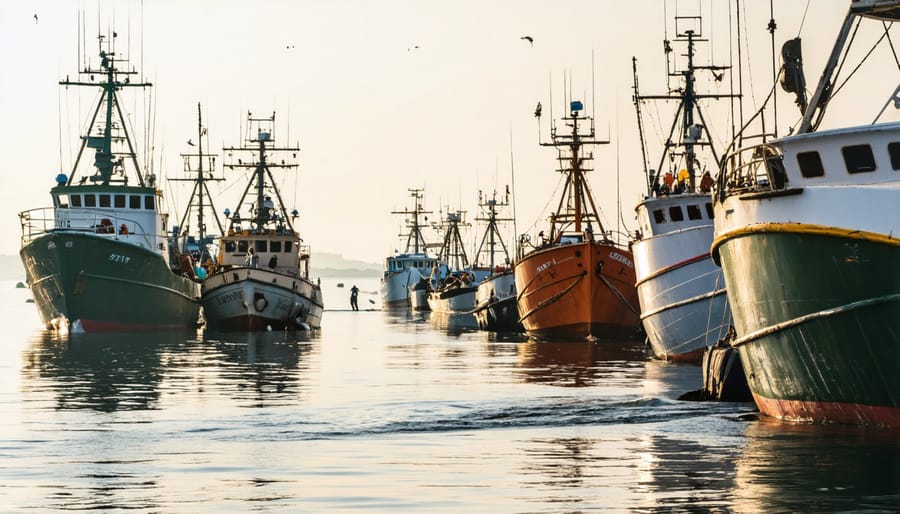
Marine policy programs train students to transform complex datasets into compelling narratives that drive conservation action. You’ll learn to analyze fisheries statistics, coral reef health indicators, and coastal community demographics—then weave these findings into policy recommendations that resonate with decision-makers. This skill proves invaluable whether you’re advocating for marine protected areas or sustainable fishing quotas.
Students master tools like GIS mapping to visualize habitat loss, statistical software to track population trends, and cost-benefit analysis to demonstrate economic advantages of conservation. One graduate recalled how her thesis combining fishing community income data with ecosystem service valuations convinced local officials to support a no-take zone that initially faced resistance.
The beauty of data-driven advocacy lies in its objectivity. When you present solid evidence showing that protecting spawning grounds increases long-term catch rates, or that healthy mangroves save millions in storm damage costs, you build bridges across political divides. These programs emphasize making science accessible—translating research into infographics, policy briefs, and testimony that inspire action rather than overwhelm audiences.
Real-World Advocacy Strategies Taught in Leading Programs
Science-Based Advocacy Campaigns
Effective advocacy campaigns begin with rigorous scientific research, and marine policy graduate programs teach students to bridge the gap between data and decision-making. These programs emphasize translating peer-reviewed studies, population assessments, and ecosystem monitoring into compelling narratives that resonate with policymakers and the public.
Students learn to design evidence-based campaigns by first identifying clear conservation goals—whether establishing marine protected areas, adjusting fishing quotas based on stock assessments, or prioritizing critical habitat restoration sites. They master the art of distilling complex oceanographic data into accessible infographics, policy briefs, and stakeholder presentations that drive action.
Marine policy alumna Dr. Sarah Chen recalls her graduate research on coral reef resilience directly informing a successful campaign for expanded no-take zones in the Caribbean. “We presented our findings showing 40% faster recovery rates in protected areas,” she explains. “That concrete evidence convinced local governments to triple the designated sanctuary space.”
Programs typically incorporate real-world projects where students collaborate with NGOs and government agencies, developing skills in coalition-building and media engagement. You’ll learn to anticipate opposition, craft responses grounded in science rather than emotion, and identify strategic timing for policy interventions.
These competencies transform passionate marine advocates into strategic changemakers who understand that lasting ocean protection requires both solid science and sophisticated communication strategies that inspire collective action.
Media and Public Engagement Strategies
Marine policy programs increasingly emphasize innovative communication strategies that inspire hope rather than despair. Students learn to craft compelling ocean narratives that connect audiences emotionally to marine ecosystems through personal testimonials from researchers, fishers, and coastal communities. These stories humanize complex policy issues, making them relatable and actionable for diverse audiences.
Social media training has become essential curriculum, teaching students to translate dense scientific reports into shareable infographics, short videos, and interactive content that sparks conversation. One graduate shared how documenting sea turtle rehabilitation on Instagram mobilized thousands of volunteers for beach cleanups—demonstrating social media’s power to convert passive observers into active participants.
Documentary filmmaking workshops equip students with visual storytelling skills to produce content that showcases marine beauty and restoration successes. Rather than overwhelming viewers with catastrophic scenarios, effective programs focus on solution-oriented narratives that highlight conservation wins and ongoing initiatives where people can contribute.
Grassroots mobilization training connects students with community organizing principles, teaching them to build coalitions across fishing industries, indigenous groups, and recreational ocean users. These programs emphasize finding common ground and shared values rather than divisive rhetoric.
Students also practice public speaking, op-ed writing, and stakeholder engagement—skills that transform scientific knowledge into persuasive advocacy. By mastering these techniques, graduates become effective communicators who inspire communities to participate in meaningful ocean protection efforts.
Legislative Advocacy and Testimony
Marine policy graduate programs equip students with practical skills to influence ocean conservation decisions through direct engagement with lawmakers and regulatory bodies. Students learn to translate complex scientific data into compelling policy briefs that resonate with non-technical audiences—a critical skill when advocating for marine protected areas or sustainable fisheries regulations.
Through simulated hearings and real-world practicum experiences, aspiring advocates develop confidence in delivering testimony before legislative committees and regulatory agencies. These programs teach you how to distill peer-reviewed research into three-minute statements that drive policy change, whether addressing local coastal management boards or international treaty negotiations.
Many programs arrange opportunities for students to participate in actual advocacy campaigns. Sarah Chen, a recent graduate now working with a coastal conservation organization, recalls her transformative experience testifying before her state legislature on ocean acidification impacts: “The program taught me that passion for marine life must be paired with strategic communication. I learned to connect scientific urgency with economic realities that legislators understand.”
Students also gain hands-on experience crafting stakeholder comments during public comment periods for environmental regulations—an often-overlooked avenue for conservation impact. These competencies prepare graduates to serve as effective bridges between scientific communities and decision-makers, turning research into actionable ocean protection policies.
From Classroom to Conservation: Graduate Success Stories
When Dr. Sarah Chen graduated from her marine policy program in 2019, she had a clear vision: transform how coastal communities participate in fisheries management. Today, as a senior policy analyst with NOAA, she’s helped design collaborative governance frameworks that bring fishers, scientists, and regulators to the same table. “My graduate training taught me that effective policy isn’t created in isolation,” Sarah explains. “It requires understanding both the science and the lived experiences of people whose livelihoods depend on healthy oceans.”
Her journey wasn’t without obstacles. Fresh out of graduate school, Sarah faced skepticism from industry veterans who questioned whether academic training could translate to practical solutions. “I had to prove that my research on ecosystem-based management wasn’t just theoretical,” she recalls. By volunteering with local fishing cooperatives and demonstrating how data-driven policies could actually increase long-term catch stability, she gradually built trust and credibility.
Marcus Williams took a different path after completing his marine policy degree. As director of coastal programs for a regional marine conservation organizations network, he leverages his policy expertise to advocate for marine protected areas. His biggest victory came in 2022 when his coalition successfully lobbied for expanding protections across 15,000 square miles of critical habitat. “Graduate school equipped me with the analytical tools to demonstrate economic benefits of conservation,” Marcus shares. “But it also taught me the art of coalition-building—identifying common ground between seemingly opposing groups.”
For Elena Rodriguez, serving as a government advisor on ocean plastic reduction has fulfilled her graduate school ambitions. She credits her program’s emphasis on stakeholder engagement for her success in crafting legislation that businesses actually support. “We passed extended producer responsibility laws because we involved industry from day one,” Elena notes. “My professors stressed that sustainable policy requires buy-in from all parties.”
These graduates share common advice for aspiring marine policy professionals: seek internships, embrace interdisciplinary thinking, and never underestimate the power of relationship-building. Their stories demonstrate that marine policy education creates changemakers who bridge the gap between scientific knowledge and actionable conservation outcomes.
Choosing a Program That Matches Your Advocacy Goals
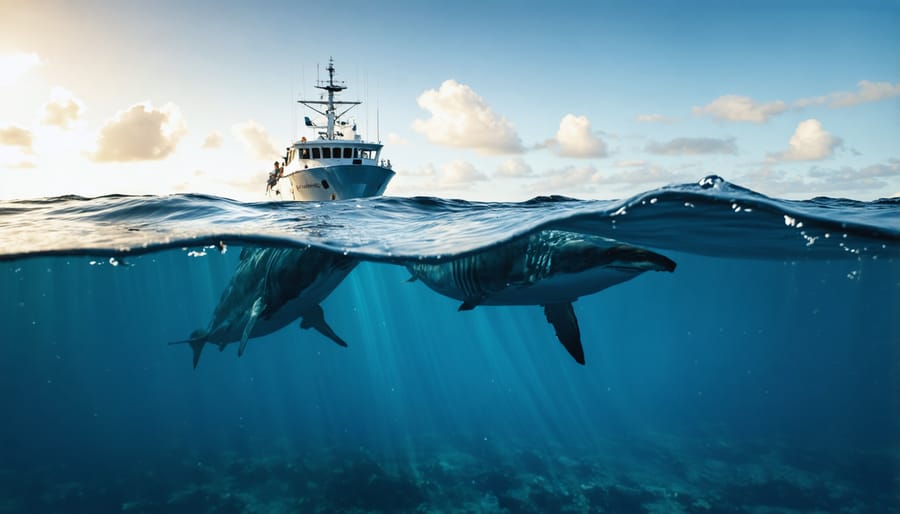
Selecting the right marine policy program requires thoughtful consideration of how each option aligns with your specific conservation aspirations. Start by examining program specializations—some emphasize fisheries management, while others focus on marine protected areas, climate adaptation, or ocean governance. Review faculty profiles to identify researchers whose work resonates with your interests. A professor actively publishing on coral reef policy or conducting fieldwork in coastal communities can provide invaluable mentorship and networking connections.
Internship opportunities serve as critical bridges between classroom learning and real-world impact. Programs with established partnerships at organizations like NOAA, The Ocean Conservancy, or regional marine sanctuaries offer hands-on experience that strengthens both your resume and advocacy skills. Sarah Chen, a marine policy graduate now working with sea turtle conservation initiatives, recalls: “My summer internship at a coastal management office taught me more about stakeholder engagement than any textbook could. I witnessed firsthand how scientific data transforms into actionable policy.”
Consider the program’s geographic location as well. Coastal universities often provide proximity to marine ecosystems and active policy debates, creating opportunities for volunteer work and community engagement. Programs near legislative hubs may offer stronger connections to policymaking processes.
Reach out to current students and alumni to understand the program culture and career outcomes. Ask about capstone projects, thesis opportunities, and whether graduates secure positions aligned with their goals. The best program isn’t necessarily the most prestigious—it’s the one that equips you with the specific tools, networks, and experiences needed to advance your particular conservation mission. Remember, your education investment should directly fuel your capacity to protect our oceans.
Marine policy graduate programs offer more than credentials—they provide the knowledge, networks, and confidence to become effective ocean advocates. Whether you’re passionate about protecting coral reefs, ensuring sustainable fisheries, or addressing climate impacts on coastal communities, these programs equip you with the tools to translate scientific understanding into meaningful policy change.
The journey toward marine advocacy doesn’t require waiting for acceptance letters. You can begin building essential skills today by volunteering with ocean conservation organizations, attending public hearings on coastal development, or engaging with the Marine Biodiversity Science Center’s educational resources. Our e-network connects aspiring advocates with mentors, provides updates on proven advocacy strategies, and shares opportunities to participate in real conservation initiatives.
Consider reaching out to program alumni—many are eager to share their experiences and advice. Attend webinars, read policy reports, and familiarize yourself with current marine legislation in your region. Each small action strengthens your foundation for advocacy work.
The ocean needs informed, passionate voices now more than ever. Whether you choose formal graduate education or another pathway, your commitment to marine conservation matters. Take that next step today—explore programs, connect with our community, and join the growing movement of marine policy advocates creating lasting change for our ocean’s future.

jessica
Ava Singh is an environmental writer and marine sustainability advocate with a deep commitment to protecting the world's oceans and coastal communities. With a background in environmental policy and a passion for storytelling, Ava brings complex topics to life through clear, engaging content that educates and empowers readers. At the Marine Biodiversity & Sustainability Learning Center, Ava focuses on sharing impactful stories about community engagement, policy innovations, and conservation strategies. Her writing bridges the gap between science and the public, encouraging people to take part in preserving marine biodiversity. When she’s not writing, Ava collaborates with local initiatives to promote eco-conscious living and sustainable development, ensuring her work makes a difference both on the page and in the real world.