Marine Biodiversity Science Center

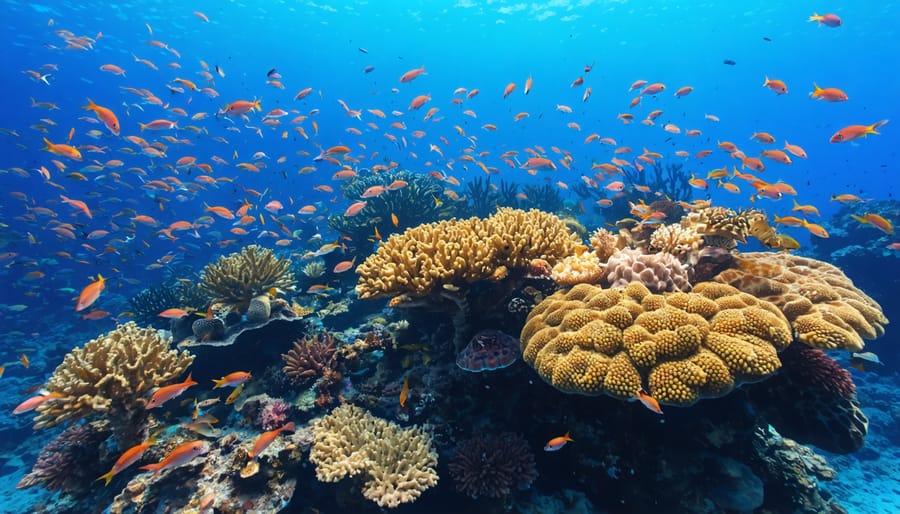
In an era of unprecedented climate change and environmental degradation, conservation insurance emerges as a groundbreaking financial instrument protecting our most vulnerable marine ecosystem services. This innovative approach transforms traditional conservation funding by creating a safety net for critical marine habitats, ensuring their resilience against both natural disasters and human-induced threats. Unlike conventional insurance policies, conservation insurance leverages parametric triggers – such as coral bleaching events or mangrove loss thresholds – to rapidly deploy funds for ecosystem restoration and protection. The mechanism has already demonstrated remarkable success in protecting the Mesoamerican Reef, where swift payouts following hurricane damage enabled immediate rehabilitation efforts, preserving both biodiversity and local livelihoods. As ocean temperatures continue to rise and coastal communities face mounting environmental challenges, conservation insurance represents a crucial bridge between financial markets and environmental stewardship, offering a scalable solution for safeguarding our marine heritage for future generations.
Understanding Conservation Insurance in Marine Ecosystems
What Makes Marine Conservation Insurance Unique
Marine conservation insurance faces unique challenges due to the dynamic and interconnected nature of ocean ecosystems. Unlike terrestrial conservation projects, marine environments present distinct risks including ocean acidification, temperature fluctuations, and complex ecological interactions that span vast geographic areas. These factors make protecting marine biodiversity particularly challenging from an insurance perspective.
The valuation of marine ecosystem services adds another layer of complexity. Insurers must consider multiple factors such as coral reef health, fish population dynamics, and the economic value of coastal protection services. Traditional insurance models often struggle to account for the interconnected nature of marine systems, where damage to one area can have cascading effects across entire ecosystems.
Weather patterns and climate change also significantly impact marine insurance policies. Storm intensity, sea-level rise, and changing ocean chemistry create unprecedented risks that require innovative coverage solutions. Additionally, the international nature of marine ecosystems means that insurance policies must often navigate multiple jurisdictions and regulatory frameworks.
Monitoring and verification present unique challenges in marine environments, requiring specialized equipment and expertise. Insurance providers must invest in advanced technologies like satellite monitoring, underwater sensors, and regular scientific assessments to accurately evaluate risk and validate claims.
Key Stakeholders and Their Roles
Conservation insurance initiatives bring together various stakeholders, each playing a crucial role in protecting marine ecosystems. Insurance providers, such as Swiss Re and AXA XL, contribute their expertise in risk assessment and financial modeling while developing specialized coverage products for conservation projects.
Environmental organizations like The Nature Conservancy and World Wildlife Fund serve as implementation partners, providing scientific expertise and on-the-ground conservation knowledge. These organizations often help design restoration projects and monitor their effectiveness over time.
Government agencies, including environmental protection departments and coastal management authorities, establish regulatory frameworks and provide necessary permits. They also frequently act as policy enforcers and may offer matching funds for insurance premiums.
Local communities and indigenous peoples play an essential role as stakeholders, contributing traditional ecological knowledge and participating in conservation activities. Their involvement ensures that protection measures align with community needs and cultural values.
Academic institutions and research centers provide scientific backing through data collection, ecosystem monitoring, and impact assessment studies, helping validate the effectiveness of insurance-backed conservation efforts.
Types of Marine Conservation Insurance
Parametric Insurance for Coral Reefs
A groundbreaking example of parametric insurance success can be found in Mexico’s Mesoamerican Reef system, where the world’s first coral reef insurance policy was implemented in 2019. This innovative program, developed through collaboration between The Nature Conservancy and Swiss Re, automatically triggers payouts when hurricane wind speeds exceed predetermined thresholds.
The insurance mechanism works by rapidly delivering funds for marine restoration projects within days of a devastating storm, rather than waiting weeks or months for traditional damage assessments. When Hurricane Delta struck in 2020, the policy successfully activated, releasing approximately $850,000 for immediate reef repair and restoration work.
Local teams of trained reef brigades stand ready to respond when payouts occur, removing debris, reattaching broken coral pieces, and stabilizing reef structures. This swift response is crucial for coral survival, as damaged reefs have the highest chance of recovery when addressed within the first 30 days after a storm event.
The success of this program has inspired similar initiatives in other regions, demonstrating how innovative insurance solutions can provide vital protection for marine ecosystems while engaging local communities in conservation efforts.
Habitat Insurance Programs
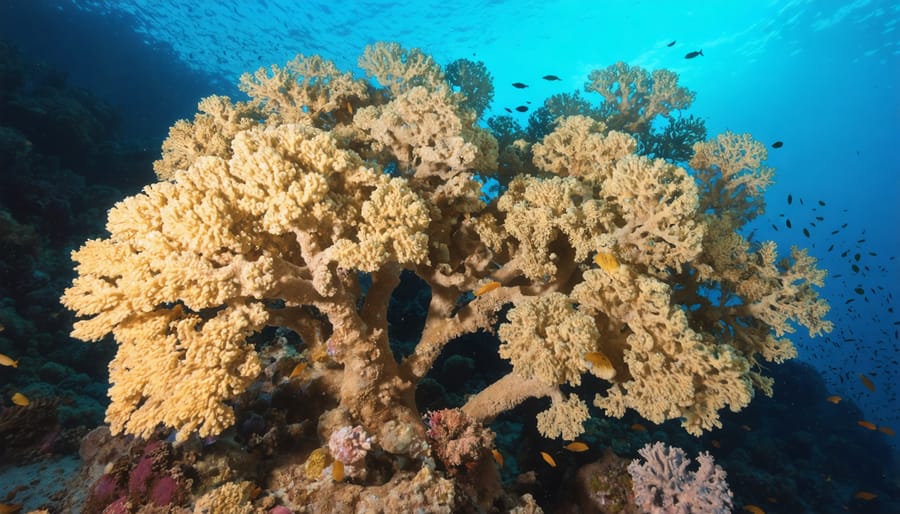
Habitat insurance programs represent innovative financial mechanisms designed to protect critical marine ecosystems and biodiversity hotspots. These programs typically cover marine protected areas (MPAs), coral reefs, mangrove forests, and other vital coastal habitats against various risks, including natural disasters, pollution events, and climate change impacts.
Insurance providers work with marine scientists and conservation organizations to assess habitat value and vulnerability, creating specialized coverage plans that fund both immediate restoration efforts and long-term conservation initiatives. For example, in 2019, a groundbreaking insurance policy was established for the Mesoamerican Reef, protecting over 1,000 kilometers of coral reef systems across Mexico, Belize, Guatemala, and Honduras.
The coverage often includes rapid response funding for coral reef restoration after storms, mangrove rehabilitation following oil spills, and seagrass bed protection during coastal development projects. These programs typically require participating areas to maintain specific conservation standards and monitoring protocols, ensuring that protected habitats receive ongoing care and attention.
Some innovative habitat insurance programs also incorporate parametric triggers, automatically releasing funds when specific environmental conditions are met, such as hurricane wind speeds or water temperature thresholds, enabling swift action to prevent habitat degradation.
Species-Specific Insurance Solutions
Species-specific insurance solutions have emerged as innovative tools for protecting endangered marine species, offering targeted coverage for specific conservation challenges. These specialized policies focus on individual species’ needs, from sea turtle nesting sites to whale migration corridors.
For instance, coral reef insurance programs provide immediate funding for reef restoration following hurricanes or bleaching events. These policies trigger automatic payouts when specific environmental conditions are met, such as water temperature exceeding critical thresholds that threaten coral survival.
Similar mechanisms protect endangered species like the vaquita porpoise, where insurance funds support emergency interventions and habitat protection measures. Some policies even cover the costs of rehabilitation centers for injured marine mammals or specialized equipment for monitoring endangered populations.
Insurance solutions for critically endangered species often incorporate innovative monitoring technologies, such as satellite tracking and DNA sampling, to assess population health and trigger protective measures when needed. These programs frequently partner with local communities, creating economic incentives for species protection while ensuring sustainable marine resource management.
The success of these targeted insurance solutions has inspired similar programs worldwide, demonstrating their potential as effective conservation tools.
Real-World Success Stories
The Mexican Caribbean Reef Protection Program
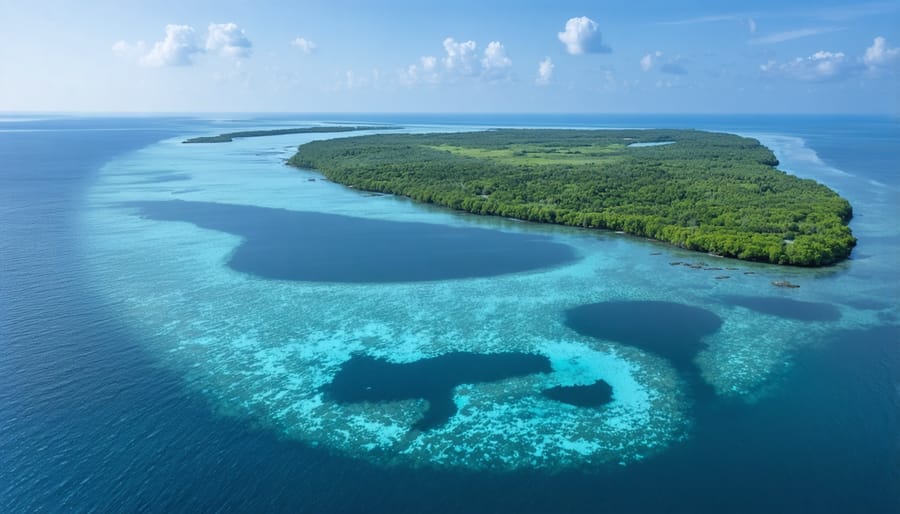
In 2019, the Mexican state of Quintana Roo pioneered an innovative approach to coral reef protection by establishing the world’s first coral reef insurance policy. This groundbreaking initiative, developed through a partnership between The Nature Conservancy, Swiss Re, and local hotel owners, provides rapid-response funding when hurricanes damage the Mesoamerican Reef system.
The policy works by using parametric triggers based on wind speed. When hurricane winds exceed 100 knots within a predefined area, the insurance automatically releases funds for reef restoration. This swift response is crucial, as damaged coral fragments have the highest chance of survival if reattached within the first few weeks after a storm.
The program demonstrated its effectiveness in 2020 when Hurricane Delta triggered a payout of $850,000. These funds enabled trained local brigade members to immediately begin crucial restoration work, including reattaching broken coral pieces and clearing debris from the reef system. The success of this initiative has inspired similar programs worldwide, with coastal communities recognizing the value of protecting their natural barriers through insurance mechanisms.
This innovative approach combines traditional insurance principles with ecosystem protection, creating a sustainable model for preserving marine biodiversity while protecting coastal communities’ economic interests.
Pacific Island Nation Insurance Initiatives
Pacific Island nations are leading innovative approaches to protect their marine resources through insurance mechanisms. The Republic of Palau pioneered this trend by implementing a groundbreaking reef insurance program in 2023, designed to protect its coral reefs from typhoon damage. The policy ensures quick payouts for reef restoration following storm events, helping maintain the nation’s vital marine ecosystems and tourism industry.
Fiji has followed suit with a comprehensive marine protection insurance scheme that covers not only coral reefs but also mangrove forests and seagrass beds. This integrated approach recognizes the interconnected nature of marine ecosystems and provides financial security for restoration efforts across multiple habitats.
The Solomon Islands has developed a unique community-based insurance program where local fishing communities contribute to a collective fund that provides compensation when marine protected areas are damaged by natural disasters or human activities. This model encourages local stewardship while ensuring financial resources for conservation.
These initiatives are inspiring other island nations to explore similar programs. Tuvalu and Kiribati are currently developing insurance schemes that specifically address climate change impacts on their marine resources, including rising sea levels and ocean acidification. These programs demonstrate how insurance can serve as a practical tool for protecting both environmental and economic interests in vulnerable coastal regions.
Future of Marine Conservation Insurance
Innovation in Insurance Products
Recent technological advancements have revolutionized marine conservation insurance, introducing innovative products that better protect ocean ecosystems. Parametric insurance solutions now use satellite data and remote sensing to monitor coral reef health in real-time, triggering automatic payouts when specific environmental conditions are met. This eliminates the need for time-consuming damage assessments and ensures rapid response to environmental threats.
Blockchain technology has enabled the development of smart contracts in conservation insurance, creating transparent and efficient systems for managing claims and disbursing funds. These digital solutions allow multiple stakeholders to participate in risk-sharing arrangements while maintaining accountability throughout the process.
Microinsurance products have emerged as a practical solution for small-scale fishing communities, offering affordable coverage that protects both livelihoods and local marine resources. These products often combine traditional insurance principles with community-based conservation initiatives, creating a sustainable model for ecosystem protection.
Insurance companies are also experimenting with hybrid products that merge conservation goals with climate resilience. These innovative policies might cover both immediate disaster response and long-term ecosystem restoration, ensuring comprehensive protection for marine environments.
Data-driven risk assessment tools now enable insurers to more accurately price conservation policies, incorporating factors such as biodiversity indices, water quality measurements, and climate change projections. This precision allows for more tailored coverage and incentivizes preventive conservation measures through premium adjustments.
Scaling Conservation Insurance Globally
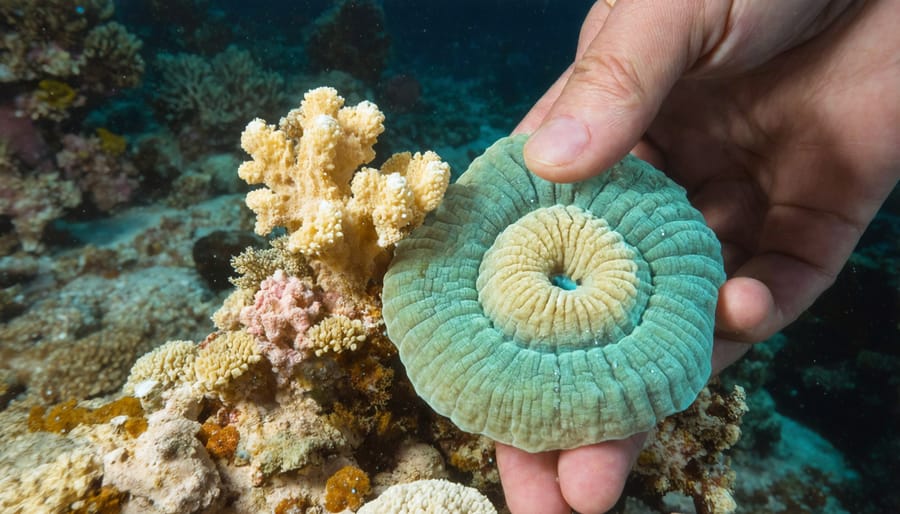
The global expansion of conservation insurance presents both exciting opportunities and significant challenges for marine ecosystem protection. As successful programs in regions like the Caribbean demonstrate, these insurance mechanisms can be adapted to diverse marine environments worldwide. Countries with extensive coral reef systems, such as Indonesia, the Philippines, and Australia, are particularly well-positioned to implement similar protection schemes.
However, scaling these programs requires overcoming several hurdles. Different regulatory frameworks across nations can complicate insurance policy implementation, while varying levels of economic development affect the ability to fund premiums. Additionally, the complex nature of marine ecosystems demands sophisticated risk assessment models that must be adapted to local conditions.
Despite these challenges, innovative financing solutions, including ocean impact investing and public-private partnerships, are making global expansion more feasible. International organizations are working to standardize assessment methods and create templates that can be customized for different regions.
Success stories from pilot programs have demonstrated that conservation insurance can be effectively scaled when local communities are actively involved in both planning and implementation. This community-based approach, combined with technological advances in reef monitoring and risk assessment, is creating a pathway for worldwide adoption of marine conservation insurance mechanisms.
Looking ahead, the development of regional insurance pools and cross-border collaboration could help distribute risks and reduce premium costs, making these programs more accessible to developing nations where marine biodiversity protection is often most crucial.
Insurance mechanisms have emerged as a powerful tool in the fight to protect our marine ecosystems, offering both financial security and ecological resilience in an increasingly uncertain world. By creating financial incentives for conservation and providing a safety net for restoration efforts, these innovative approaches are transforming how we safeguard our oceans and coastal areas.
The success stories from coral reef insurance in Mexico and mangrove protection initiatives in Southeast Asia demonstrate that conservation insurance is not just a theoretical concept but a practical solution delivering real results. These programs have shown that when local communities, governments, and insurance providers work together, we can create sustainable frameworks that benefit both nature and people.
However, the potential of conservation insurance remains largely untapped. To truly scale these solutions, we need increased participation from stakeholders at all levels. Insurance companies can develop more specialized products for marine conservation. Governments can create supportive policy frameworks and incentives. Conservation organizations can help design and implement projects. Most importantly, local communities can engage actively in protection and restoration efforts.
You can take action today by:
– Supporting organizations that implement marine conservation insurance programs
– Advocating for policy changes that facilitate conservation insurance mechanisms
– Participating in local coastal protection initiatives
– Spreading awareness about the importance of innovative financial tools for conservation
The future of our oceans depends on our ability to implement creative, sustainable solutions. Conservation insurance represents a promising path forward, combining financial wisdom with environmental stewardship. Together, we can ensure that our marine ecosystems continue to thrive for generations to come.

jessica
Ava Singh is an environmental writer and marine sustainability advocate with a deep commitment to protecting the world's oceans and coastal communities. With a background in environmental policy and a passion for storytelling, Ava brings complex topics to life through clear, engaging content that educates and empowers readers. At the Marine Biodiversity & Sustainability Learning Center, Ava focuses on sharing impactful stories about community engagement, policy innovations, and conservation strategies. Her writing bridges the gap between science and the public, encouraging people to take part in preserving marine biodiversity. When she’s not writing, Ava collaborates with local initiatives to promote eco-conscious living and sustainable development, ensuring her work makes a difference both on the page and in the real world.