Marine Biodiversity Science Center

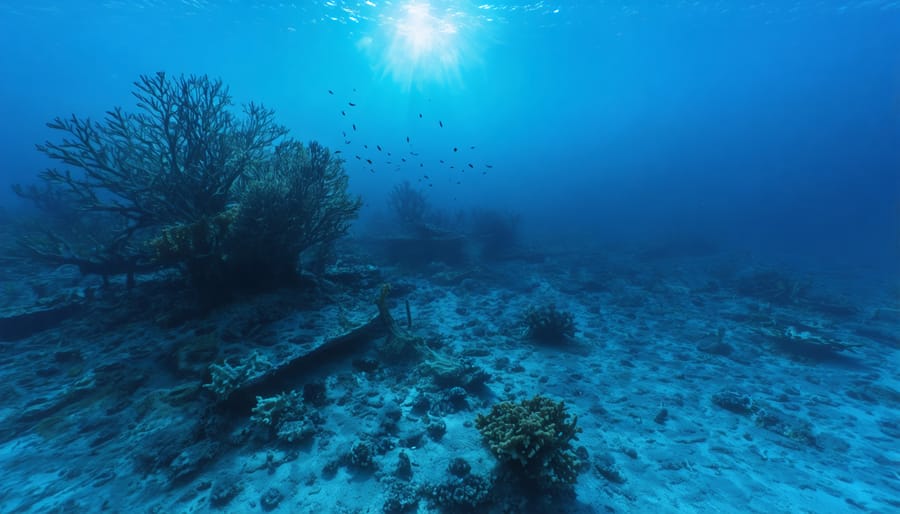
The world’s oceans, covering over 70% of Earth’s surface, face unprecedented challenges from human activities that threaten to reshape marine ecosystems forever. From the vibrant coral reefs of the Indo-Pacific to the deep-sea trenches of the Atlantic, human impact has left an indelible mark on marine biomes, fundamentally altering their biological, chemical, and physical characteristics. Over the past century, industrial fishing, plastic pollution, coastal development, and climate change have collectively pushed many marine ecosystems to their breaking point, with some scientists estimating that over 50% of marine habitats have been significantly degraded.
Yet, within this critical narrative lies hope. Marine ecosystems demonstrate remarkable resilience when given the chance to recover. Recent success stories, from the restoration of whale populations to the regeneration of protected coral reefs, showcase nature’s capacity for renewal. Understanding the full scope of human impact on marine biomes isn’t just about documenting damage – it’s about identifying opportunities for positive change and implementing solutions that can help protect these vital ecosystems for future generations.
This examination of human impact on marine biomes reveals not only the challenges we face but also the powerful potential for conservation and restoration through informed action and global cooperation.
Direct Physical Damage to Marine Heritage Sites
Commercial Fishing and Trawling Impact
Commercial fishing, particularly bottom trawling, represents one of the most destructive human impacts on marine ecosystems. Modern industrial fishing vessels drag heavy nets across the seafloor, effectively bulldozing everything in their path. This practice not only harvests target fish species but also destroys vital marine habitats, including coral reefs, seagrass beds, and centuries-old sponge gardens.
The impact is particularly severe in deep-sea environments, where marine life grows and recovers extremely slowly. Bottom trawling can destroy in minutes what nature took decades or even centuries to create. Studies have shown that a single pass of a trawl net can remove up to 20-25% of the seabed fauna and flora, while repeated trawling can transform complex marine habitats into underwater deserts.
Beyond physical destruction, trawling also results in significant bycatch – the unintentional capture of non-target species. This includes endangered species, juvenile fish, and marine mammals. The practice also stirs up sediment clouds that can suffocate filter-feeding organisms and alter the chemical composition of the water column.
Marine biologist Dr. Sarah Chen notes, “What we’re seeing is equivalent to clear-cutting a forest, but underwater. The recovery time for these habitats can span generations, and some may never fully recover.” Conservation efforts are now focusing on establishing protected marine areas and promoting sustainable fishing practices that minimize seabed contact.
Tourism and Recreational Diving Effects
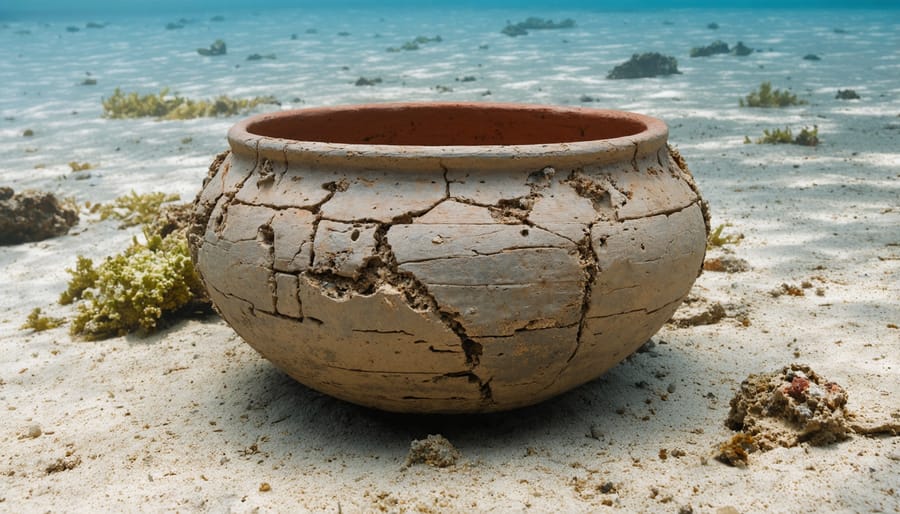
Tourism and recreational diving have significantly impacted marine archaeological sites worldwide, creating a complex balance between site accessibility and preservation. Popular diving destinations often experience physical deterioration from repeated human contact, with divers inadvertently damaging delicate artifacts through touching, bumping, or stirring up sediment. The propeller wash from tour boats and anchoring systems can also cause substantial damage to underwater cultural heritage sites.
Studies have shown that heavily visited shipwrecks experience accelerated degradation, with some sites showing up to 67% more deterioration compared to less accessible locations. The presence of bubbles from diving equipment can create micro-environments that speed up corrosion processes on metal artifacts, while increased human activity often leads to changes in local water chemistry and sediment distribution patterns.
However, tourism also plays a crucial role in site preservation by generating awareness and funding for conservation efforts. Many successful preservation programs now implement controlled access systems, including designated mooring points, guided tours, and strict visitor protocols. For instance, the creation of underwater archaeological parks has helped protect significant sites while providing educational opportunities for visitors.
Conservation experts recommend implementing “look but don’t touch” policies, maintaining safe distances from artifacts, and utilizing non-invasive photography techniques. These measures help ensure that future generations can continue to learn from and experience these invaluable underwater time capsules while minimizing negative impacts on their preservation.
Chemical and Environmental Alterations
Ocean Acidification’s Effect on Artifacts
Ocean acidification, driven by increasing carbon dioxide absorption in our oceans, poses a significant threat to underwater archaeological treasures and artifacts. As seawater becomes more acidic, it accelerates the deterioration of materials that have remained preserved for centuries or even millennia beneath the waves.
Wooden shipwrecks, which have historically been protected by layers of sediment and stable chemical conditions, are particularly vulnerable. The changing pH levels affect the microbial communities that typically help preserve wooden structures, leading to faster decomposition rates. Metal artifacts, such as bronze cannons, iron anchors, and copper ship components, face increased corrosion in more acidic conditions.
Marine archaeologists have observed concerning changes in calcium carbonate-based artifacts. Items like ceramic pottery, shells, and limestone structures are slowly dissolving as waters become more corrosive. This process is especially evident in deeper waters where acidification effects are more pronounced.
The impact extends beyond individual artifacts to entire underwater heritage sites. Ancient port structures, sunken cities, and prehistoric settlements face unprecedented degradation rates. Scientists estimate that some underwater archaeological sites could experience significant deterioration within decades rather than centuries if current acidification trends continue.
Conservation efforts now include developing new preservation techniques and protective coatings resistant to acidic conditions. Regular monitoring of pH levels at significant archaeological sites helps researchers track and predict deterioration rates, enabling more effective preservation strategies.

Pollution and Sediment Changes
Water pollution and sediment changes represent two of the most significant human-induced threats to marine ecosystems. Industrial discharge, agricultural runoff, and urban wastewater introduce harmful chemicals, excess nutrients, and microplastics into marine environments, disrupting delicate ecological balances. These pollutants can lead to oxygen depletion, creating “dead zones” where marine life struggles to survive.
Marine biologist Dr. Sarah Chen notes, “We’re seeing unprecedented changes in coastal sediment patterns due to human activities like dredging, coastal development, and dam construction.” These alterations affect natural sediment transport processes, leading to increased coastal erosion in some areas and excessive sedimentation in others.
The impact is particularly severe in coral reef ecosystems, where increased sedimentation can block vital sunlight and smother coral polyps. Similarly, pollutants bioaccumulate through the food chain, affecting everything from plankton to apex predators. Heavy metals and persistent organic pollutants (POPs) are especially concerning, as they can remain in marine environments for decades.
However, there’s hope through collective action. Successful initiatives like river basin management programs and improved wastewater treatment systems have shown positive results. Communities worldwide are implementing better sediment control measures and reducing plastic pollution through beach cleanups and improved waste management systems. These efforts demonstrate that while human activities have significantly impacted marine environments, we also have the power to protect and restore them.
Climate Change Consequences
Climate change poses a significant threat to marine archaeological sites, fundamentally altering the delicate balance that has preserved these underwater treasures for centuries. As ocean temperatures rise, we’re witnessing unprecedented changes in marine chemistry and current patterns that directly impact site preservation. Research shows that rising seas are washing away crucial historical evidence at an alarming rate.
The warming of ocean waters accelerates the degradation of organic materials, such as ancient wooden shipwrecks and artifacts, while changing current patterns can expose previously protected sites to erosion. These shifts in water temperature also affect the microbial communities that have established equilibrium with submerged artifacts over centuries, potentially speeding up decomposition processes.
Ocean acidification, another consequence of climate change, poses a particular threat to calcium carbonate-based artifacts and structures. This includes everything from ancient pottery to coral formations that have grown around historical sites, creating natural protective barriers. The increasing acidity of our oceans dissolves these protective elements, leaving sites more vulnerable to damage.
Marine archaeologists and conservationists are racing against time to document and protect these sites using advanced mapping technologies and innovative preservation techniques. Through collaborative efforts between scientists and local communities, we’re developing new strategies to monitor and mitigate these climate-related impacts on our underwater cultural heritage.
Cultural Heritage Loss
Indigenous Maritime Heritage at Risk
Rising sea levels, coastal development, and destructive fishing practices are threatening countless sacred maritime sites and traditional fishing grounds of Indigenous communities worldwide. These areas, steeped in centuries of cultural significance, represent more than just archaeological treasures – they embody living heritage and indigenous marine knowledge passed down through generations.
In Australia’s Great Barrier Reef, aboriginal communities are witnessing the deterioration of ancient fish traps and ceremonial sites due to ocean acidification and extreme weather events. Similar challenges face Pacific Island nations, where traditional navigation practices and sacred marine spaces are disrupted by changing ocean conditions and commercial maritime traffic.
The loss of these cultural sites directly impacts traditional practices and ceremonies that have sustained communities for millennia. Many Indigenous peoples maintain spiritual connections to underwater landscapes, viewing them as essential elements of their cultural identity and traditional resource management systems.
Conservation efforts are increasingly recognizing the importance of incorporating Indigenous perspectives in marine protection strategies. Several successful initiatives now combine modern scientific approaches with traditional ecological knowledge, demonstrating how cultural preservation and marine conservation can work hand in hand. These collaborative projects not only protect physical sites but also help maintain the living cultural practices that connect communities to their maritime heritage.
Lost Historical Knowledge
The destruction of marine archaeological sites represents an irreversible loss of human history and scientific knowledge. These underwater time capsules hold invaluable information about ancient trade routes, shipbuilding techniques, and historical climate patterns. When sites are damaged by bottom trawling, anchor drag, or coastal development, we lose crucial data about past civilizations and their relationship with the oceans.
Marine archaeologist Dr. Sarah Chen explains, “Each damaged site is like burning a unique history book we haven’t finished reading yet. We’re losing information about ancient maritime cultures, trading patterns, and even historical climate data preserved in shipwreck sediments.”
The stakes are particularly high for submerged prehistoric settlements, which offer insights into how our ancestors adapted to rising sea levels after the last ice age. These sites contain evidence of early human coastal migration patterns and ancient fishing practices that could inform modern sustainable fishing methods.
Beyond historical artifacts, these sites are often thriving marine ecosystems. The destruction of a historical wreck can simultaneously damage centuries of coral growth and disrupt marine life that has made these structures their home. This double loss affects both our cultural heritage and marine biodiversity.
Scientists estimate that thousands of undiscovered archaeological sites exist in our oceans, making the preservation of known locations even more critical for future research and understanding of human maritime history.
Conservation Solutions and Future Outlook
Modern Protection Methods
Modern marine protection methods combine cutting-edge technology with traditional conservation approaches to safeguard our ocean ecosystems. Advanced satellite monitoring systems now track illegal fishing activities and marine traffic in protected areas, while underwater drones equipped with high-resolution cameras provide real-time surveillance of sensitive marine habitats.
Marine Protected Areas (MPAs) have evolved significantly, incorporating smart buoy networks that measure water quality, temperature changes, and wildlife movement patterns. These data-driven approaches help conservationists make informed decisions about preserving submerged artifacts and protecting marine life.
Innovative restoration techniques include 3D-printed coral reefs, which provide new habitats for marine species while supporting natural reef recovery. Artificial seagrass meadows and mangrove rehabilitation projects utilize bio-engineered materials that integrate seamlessly with natural ecosystems.
Community-based conservation programs have gained prominence, engaging local populations in protective efforts. These initiatives combine traditional ecological knowledge with modern scientific methods, creating sustainable management practices that benefit both marine life and coastal communities.
Emerging technologies like eDNA sampling allow scientists to monitor biodiversity by analyzing genetic material in seawater, while acoustic monitoring systems help track whale populations and reduce ship strikes. These modern protection methods demonstrate how innovation and conservation can work together to preserve our marine biomes for future generations.
Community Engagement in Preservation
Public participation plays a vital role in protecting marine heritage sites, offering both immediate benefits and long-term sustainability solutions. Through community archaeology projects, local residents and visitors can actively contribute to site preservation while developing a deeper understanding of marine cultural heritage.
Volunteer programs have proven particularly effective, with citizen scientists helping to monitor site conditions, document changes, and report potential threats. These initiatives often include underwater photography sessions, debris removal activities, and regular site surveys that provide valuable data to conservation teams.
Educational outreach programs in coastal communities have successfully fostered a sense of stewardship among residents. When people understand the historical and ecological significance of marine sites, they’re more likely to participate in preservation efforts and advocate for protective measures.
Success stories abound, such as the partnership between local fishing communities and marine archaeologists in the Mediterranean, where traditional knowledge has helped identify and protect submerged archaeological sites. Similar initiatives in the Caribbean have engaged dive operators and tourists in site monitoring, creating a sustainable model for heritage preservation.
Digital platforms now enable broader participation, allowing people to contribute to preservation efforts through online documentation, virtual tours, and crowd-sourced mapping projects. This technological integration has made marine heritage conservation more accessible and engaging for diverse audiences worldwide.

jessica
Ava Singh is an environmental writer and marine sustainability advocate with a deep commitment to protecting the world's oceans and coastal communities. With a background in environmental policy and a passion for storytelling, Ava brings complex topics to life through clear, engaging content that educates and empowers readers. At the Marine Biodiversity & Sustainability Learning Center, Ava focuses on sharing impactful stories about community engagement, policy innovations, and conservation strategies. Her writing bridges the gap between science and the public, encouraging people to take part in preserving marine biodiversity. When she’s not writing, Ava collaborates with local initiatives to promote eco-conscious living and sustainable development, ensuring her work makes a difference both on the page and in the real world.