Marine Biodiversity Science Center

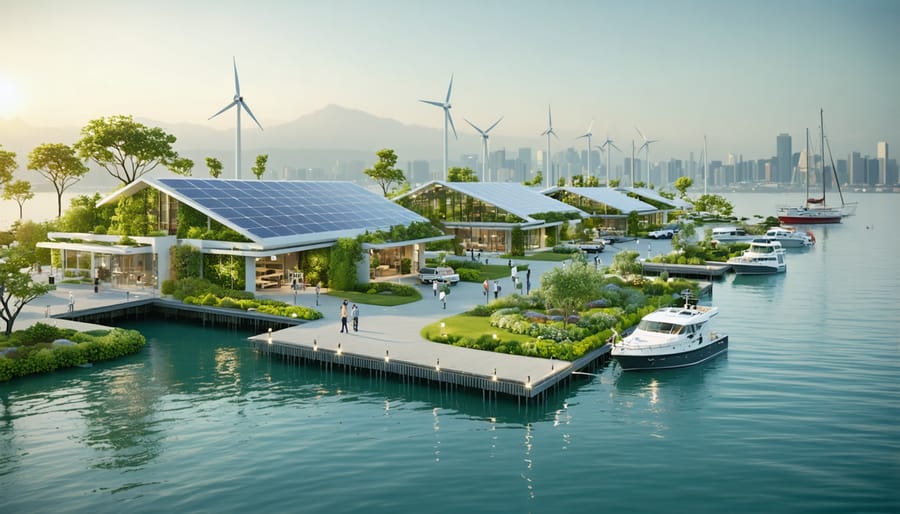
As coastal communities embrace marine conservation efforts, green marinas are emerging as powerful catalysts for sustainable waterfront development. These eco-conscious facilities represent a fundamental shift in how we approach maritime infrastructure, combining cutting-edge environmental technology with responsible management practices to protect our precious marine ecosystems.
From solar-powered dock lighting and electric vessel charging stations to advanced wastewater treatment systems and plastic-free initiatives, green marinas are revolutionizing the traditional boating industry. These innovations not only minimize environmental impact but also create healthier harbors that serve as sanctuaries for marine life while meeting the needs of modern boaters.
Leading facilities worldwide are demonstrating that environmental stewardship and commercial success can coexist harmoniously. By implementing renewable energy solutions, maintaining stringent water quality standards, and fostering biodiversity through artificial reef programs, these pioneering marinas are setting new standards for sustainable maritime operations. Their success stories offer compelling evidence that the future of coastal development lies in green infrastructure that protects our oceans while enhancing the boating experience.
What Makes a Marina ‘Green’?
Environmental Management Systems
Environmental Management Systems (EMS) form the backbone of green marina operations, establishing clear protocols and procedures for environmental protection. These comprehensive frameworks typically include detailed documentation of environmental policies, regular staff training programs, and specific action plans for various scenarios such as fuel spills or waste management incidents.
A well-structured EMS requires marinas to maintain detailed records of environmental impacts, including energy consumption, water usage, and waste generation. Regular environmental audits help identify areas for improvement and ensure compliance with local regulations. Staff members are assigned specific environmental responsibilities and undergo periodic training on best practices for sustainable marina operations.
Key components of an effective marina EMS include emergency response procedures, waste reduction strategies, and water quality monitoring protocols. Marinas must also establish clear communication channels with boat owners and visitors to ensure everyone understands and follows environmental guidelines. Regular reviews and updates of these systems ensure they remain current with evolving environmental standards and technologies.
The success of these systems relies heavily on consistent implementation and regular evaluation of their effectiveness through measurable environmental performance indicators.
Sustainable Infrastructure
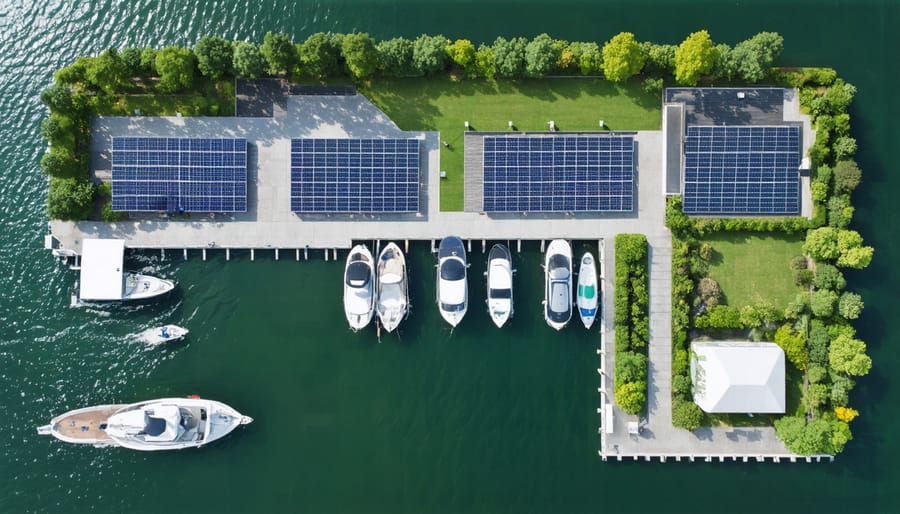
Green marinas prioritize eco-conscious infrastructure through careful material selection and innovative design approaches. The foundation of these facilities often incorporates recycled concrete aggregates and locally sourced materials, reducing transportation emissions and supporting sustainable marine practices. Permeable pavement systems are increasingly common, allowing rainwater to naturally filter through the ground rather than creating harmful runoff.
Floating docks are constructed using environmentally certified composite materials that resist degradation without leaching harmful chemicals into the water. Solar-reflective roofing and enhanced natural ventilation in buildings minimize energy consumption, while strategically placed skylights reduce artificial lighting needs. Native plant species are integrated into landscaping designs, creating natural buffer zones that help filter stormwater and provide habitat for local wildlife.
Modern green marinas also feature modular construction techniques that allow for easier maintenance and future modifications without extensive environmental disruption. Water-efficient fixtures, LED lighting systems, and renewable energy installations such as solar panels and small-scale wind turbines further reduce the facility’s environmental footprint while demonstrating long-term cost benefits for operators.
Environmental Impact Solutions
Water Quality Protection
Effective water pollution prevention is at the heart of green marina operations. These facilities implement comprehensive strategies to protect water quality and marine ecosystems through multiple coordinated approaches.
Primary protection measures include installing fuel spill prevention systems, such as automatic shut-off nozzles and fuel/oil separators in drainage systems. Many green marinas utilize floating booms and absorbent materials strategically placed around fueling areas to contain accidental spills immediately.
Stormwater management plays a crucial role in maintaining water quality. Green marinas incorporate bioswales and vegetated buffer zones that naturally filter runoff before it enters the water body. These natural filtration systems remove pollutants, sediments, and excess nutrients that could harm marine life.
Boat maintenance areas are designed with impermeable surfaces and containment systems to prevent paint, cleaning products, and other chemicals from entering the water. Many facilities provide vacuum sanders and tarps to capture debris during boat maintenance activities.
Regular water quality monitoring helps marina operators track their environmental impact and adjust practices as needed. This includes testing for dissolved oxygen levels, pH, turbidity, and the presence of harmful bacteria or chemicals.
Education is also vital – green marinas typically provide boater education programs about proper waste disposal, environmentally-friendly cleaning products, and best practices for vessel maintenance to ensure all users contribute to water quality protection efforts.
Waste Management Innovation
Modern green marinas are revolutionizing waste management through innovative programs that prioritize recycling, reduction, and responsible disposal. These facilities implement comprehensive recycling systems for common marine waste materials, including used oil, batteries, antifreeze, and fishing line. Many leading marinas have adopted “zero-waste” initiatives, utilizing smart bin systems that monitor fill levels and automatically compact waste to optimize collection schedules.
Several facilities have introduced innovative solutions such as marine trash skimmers and floating debris interceptors that actively collect floating waste before it can harm marine life. These systems can remove thousands of pounds of debris annually, including microplastics and oil residue from the water.
Composting programs have become increasingly common, with marinas processing organic waste from restaurants and boat maintenance activities into nutrient-rich soil amendments. Some facilities have partnered with local environmental organizations to create closed-loop systems where the compost is used in marina landscaping or distributed to community gardens.
Digital waste tracking systems help marina operators monitor disposal patterns and identify opportunities for reduction. Many facilities now offer boaters mobile apps to locate proper disposal sites and track their waste contribution. Educational programs teach proper disposal methods and highlight the importance of responsible waste management in protecting marine ecosystems.
Advanced filtration systems for boat washing stations ensure that contaminated water is properly treated before release, while designated maintenance areas prevent harmful chemicals from entering waterways. These comprehensive approaches demonstrate how marinas can significantly reduce their environmental impact while promoting sustainable boating practices.

Energy Conservation
Green marinas are leading the charge in sustainable energy practices through innovative implementations of renewable energy systems and smart efficiency measures. Solar panels installed on dock roofs and marina buildings generate clean electricity for daily operations, while wind turbines strategically placed along waterfront areas harness coastal breezes to supplement power needs.
Many forward-thinking marinas have adopted LED lighting systems throughout their facilities, reducing energy consumption by up to 75% compared to traditional lighting. Motion sensors and automated timing systems ensure lights operate only when needed, particularly in less-frequented areas like storage facilities and peripheral walkways.
Smart metering systems help marina operators monitor and optimize energy usage in real-time, while modern shore power pedestals feature energy-efficient designs that minimize power loss during boat charging. Some facilities have implemented microgrids that combine solar, wind, and sometimes tidal energy, creating resilient power systems that can operate independently when needed.
Energy-efficient building designs incorporating natural ventilation, proper insulation, and green roofs help reduce heating and cooling costs. Several marinas have reported annual energy savings of 30-40% after implementing these measures. Heat pumps using seawater for temperature regulation provide an eco-friendly alternative to traditional HVAC systems.
Educational displays throughout these facilities help boaters understand energy conservation practices and encourage them to adopt similar measures on their vessels, creating a ripple effect of environmental awareness throughout the maritime community.
Success Stories
The transformation of traditional marinas into eco-friendly havens has yielded impressive results worldwide. Port of Edmonds Marina in Washington state stands as a shining example of green marina excellence, having reduced their energy consumption by 50% through LED lighting upgrades and solar panel installations. Their innovative stormwater management system has successfully filtered out 95% of pollutants before they reach Puget Sound.
In Sydney, Australia, the award-winning d’Albora Marinas implemented a comprehensive recycling program that diverts 85% of waste from landfills. Their floating wetlands and seagrass restoration projects have attracted diverse marine life, including endangered seahorses, while their electric boat charging stations encourage the adoption of eco-friendly vessels.
Charleston City Marina in South Carolina demonstrates how historical facilities can embrace sustainability. Their floating biofilters, which use native plants to naturally clean water, have improved local water quality by 40%. The marina’s educational programs have reached over 5,000 students, creating a new generation of marine conservation advocates.
Greece’s Olympic Marina near Athens showcases how green technology can complement Mediterranean beauty. Their state-of-the-art pump-out facilities and water recycling systems save over 2 million gallons of freshwater annually. The marina’s “Clean Seas” initiative has removed over 12 tons of plastic waste from nearby waters since 2018.
Port Camargue in France proves that size doesn’t limit sustainability. As Europe’s largest marina, they’ve installed underwater bubble curtains to prevent debris spread, while their innovative hull-cleaning station prevents harmful antifouling agents from entering the ecosystem. Their efforts have resulted in a 60% increase in local fish populations.
These success stories demonstrate that green marina initiatives not only benefit the environment but also create more efficient, cost-effective operations. The achievements of these pioneering facilities serve as blueprints for other marinas worldwide, showing that sustainable practices can coexist with commercial success while protecting our precious marine ecosystems.
Future of Green Marinas
The future of green marinas looks increasingly promising as new technologies and innovative approaches emerge to enhance marine ecosystem protection. Advanced solar-powered charging stations are becoming standard features, allowing boats to operate on clean energy while docked. Smart marina management systems are revolutionizing resource allocation, using AI to optimize berth assignments and monitor water quality in real-time.
Emerging trends include the integration of floating wetlands and artificial reefs within marina structures, creating hybrid ecosystems that support local marine life while protecting against coastal erosion. Innovative filtration systems using biomimicry principles are being developed to remove microplastics and other pollutants more effectively than traditional methods.
The implementation of digital twin technology is allowing marina operators to simulate and optimize their environmental impact before making physical changes. These virtual models help predict how modifications might affect local water circulation, sediment transport, and marine habitat development.
Looking ahead, we can expect to see more marinas incorporating:
– Autonomous cleaning vessels that collect floating debris
– Biodegradable construction materials designed specifically for marine environments
– Advanced waste-to-energy systems that convert collected marine debris into usable power
– Living shorelines that integrate natural habitat restoration with marina infrastructure
Community engagement is also evolving, with many facilities developing educational programs and citizen science initiatives. These programs help raise awareness about marine conservation while collecting valuable data about local ecosystems.
The future of green marinas represents a convergence of environmental stewardship and technological innovation, setting new standards for sustainable coastal development while ensuring the preservation of our marine environments for future generations.
Green marinas represent more than just an eco-friendly trend in the maritime industry – they embody our commitment to protecting our precious marine ecosystems for future generations. As we’ve explored throughout this article, these sustainable facilities demonstrate that environmental stewardship and maritime operations can coexist harmoniously, creating a blueprint for the future of coastal development.
The implementation of green marina practices, from renewable energy systems to waste management protocols, has shown measurable benefits in reducing pollution, preserving marine biodiversity, and maintaining water quality. These successes prove that small changes in marina operations can lead to significant positive impacts on our marine environment.
However, the transformation towards sustainable marine practices requires collective effort. Marina operators, boat owners, and coastal communities must work together to embrace these eco-friendly initiatives. Consider supporting green marinas by choosing certified facilities for your boating activities, participating in marina cleanup events, or advocating for sustainable practices in your local maritime community.
The future of our oceans depends on the choices we make today. By supporting green marinas and sustainable boating practices, we contribute to the preservation of marine ecosystems while ensuring that future generations can continue to enjoy the beauty and resources of our waterways. Let’s make sustainable boating not just an option, but the standard for maritime operations worldwide.
Take action today – whether through volunteering, education, or choosing eco-friendly marine services – and be part of the growing movement toward sustainable maritime practices.

jessica
Ava Singh is an environmental writer and marine sustainability advocate with a deep commitment to protecting the world's oceans and coastal communities. With a background in environmental policy and a passion for storytelling, Ava brings complex topics to life through clear, engaging content that educates and empowers readers. At the Marine Biodiversity & Sustainability Learning Center, Ava focuses on sharing impactful stories about community engagement, policy innovations, and conservation strategies. Her writing bridges the gap between science and the public, encouraging people to take part in preserving marine biodiversity. When she’s not writing, Ava collaborates with local initiatives to promote eco-conscious living and sustainable development, ensuring her work makes a difference both on the page and in the real world.