Marine Biodiversity Science Center


Transform your marine conservation impact through interactive online learning that brings global expertise directly to your community. Conservation webinars have revolutionized how we share knowledge, implement solutions, and connect with leading researchers worldwide – all while reducing our carbon footprint. By leveraging innovative conservation technologies, these dynamic digital sessions bridge the gap between scientific research and practical conservation action.
From deep-sea ecosystem management to coastal habitat restoration, these accessible learning platforms offer real-time interaction with marine scientists, hands-on training modules, and collaborative problem-solving opportunities. Whether you’re a seasoned conservationist or community educator, these webinars provide the tools, strategies, and networks needed to advance local marine protection efforts. Join a growing community of over 10,000 conservation practitioners who are already using these digital resources to drive meaningful change in their local marine ecosystems.
Why Marine Conservation Webinars Matter for Community Leaders
Building Local Expertise
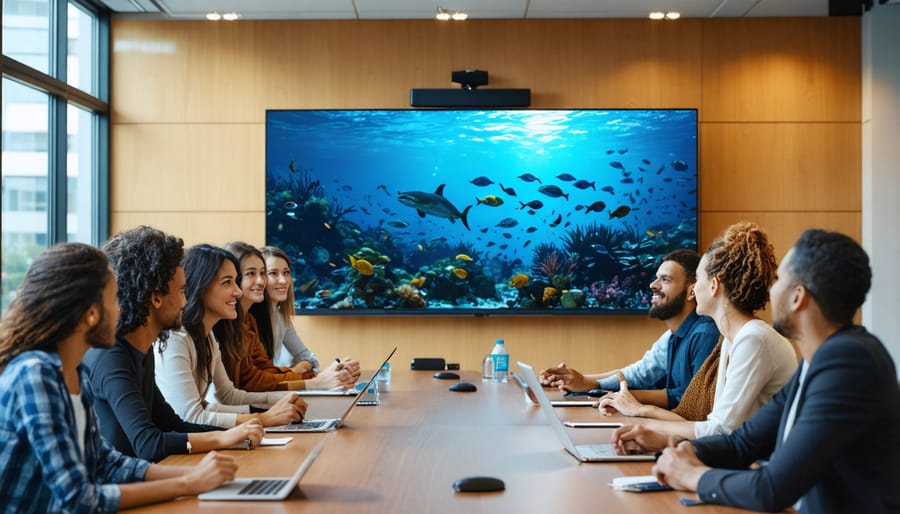
Conservation webinars serve as powerful tools for building local expertise by connecting communities with marine science experts and successful conservation initiatives worldwide. Through these interactive sessions, participants gain not only theoretical knowledge but also practical skills they can apply in their local contexts.
These online learning experiences complement traditional hands-on marine education by creating opportunities for community leaders to develop their understanding of marine ecosystems and conservation strategies. Participants learn to identify local marine species, understand ecosystem interactions, and implement effective conservation measures specific to their regions.
What makes these webinars particularly valuable is their ability to foster leadership development within communities. Local participants often become conservation ambassadors, sharing their knowledge with others and initiating grassroots conservation projects. The interactive nature of webinars allows attendees to ask questions, share experiences, and build networks with other conservation-minded individuals across different regions.
Through regular participation in marine conservation webinars, communities develop the expertise needed to monitor their local marine environments, implement protection measures, and educate others about the importance of ocean conservation.
Creating Sustainable Action Plans
Transforming webinar knowledge into tangible community action requires a structured approach and clear implementation strategy. Begin by documenting key takeaways from each webinar session and identifying specific challenges in your local marine ecosystem. Create a detailed timeline with achievable milestones, ensuring each goal directly addresses these challenges while remaining realistic for your community’s resources.
Engage local stakeholders by organizing post-webinar discussion groups where participants can share insights and brainstorm location-specific solutions. Consider forming working groups focused on different aspects of marine conservation, such as beach cleanups, educational programs, or policy advocacy initiatives.
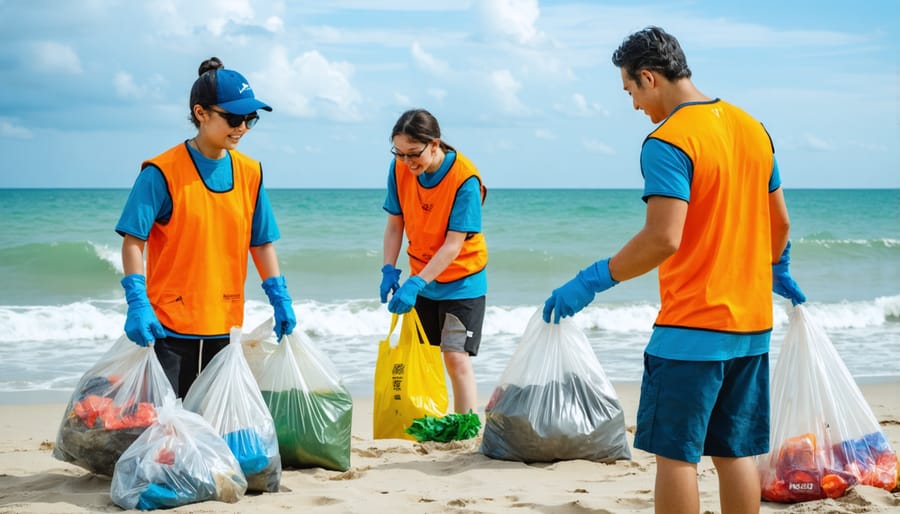
Document your action plan using the SMART framework (Specific, Measurable, Achievable, Relevant, Time-bound) to track progress effectively. Include regular assessment points to evaluate the impact of your initiatives and make necessary adjustments. Remember to incorporate both short-term actions, like organizing monthly beach cleanups, and long-term goals, such as establishing permanent marine protected areas.
Success often comes from starting small and scaling up gradually. Consider pilot programs to test your initiatives before full implementation, and maintain regular communication with webinar hosts and other participants for ongoing support and guidance.
Essential Topics in Marine Conservation Webinars
Species Protection Strategies
The Species Protection Strategies segment of our conservation webinar series delves deep into the critical challenges facing marine species and the innovative solutions being developed to protect them. Participants learn about cutting-edge tracking technologies, habitat restoration techniques, and successful conservation case studies from leading marine biologists and researchers.
These interactive sessions explore various protection methods, from establishing marine protected areas to implementing sustainable fishing practices. Experts share their experiences with satellite tracking of endangered sea turtles, coral reef restoration projects, and marine mammal rehabilitation programs. The webinars also cover emerging threats like ocean acidification and plastic pollution, along with practical solutions being developed to address these challenges.
Participants gain hands-on knowledge through virtual field demonstrations and real-time data analysis exercises. Special attention is given to community-based conservation initiatives, where local stakeholders play crucial roles in species protection. Success stories, such as the recovery of humpback whale populations and the restoration of mangrove forests, provide inspiring examples of effective conservation strategies.
The series also highlights volunteer opportunities and citizen science projects, enabling participants to actively contribute to marine species protection in their local areas.
Coastal Habitat Restoration
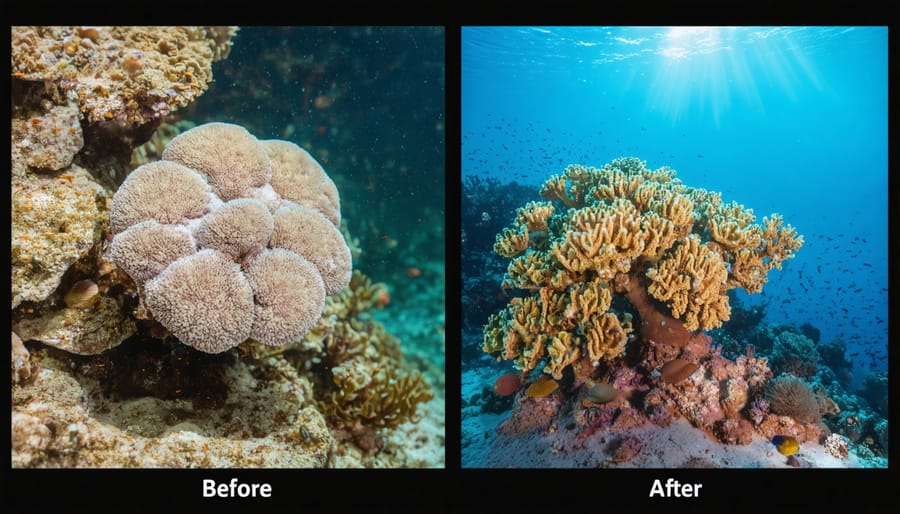
Coastal habitat restoration stands as a crucial component of marine conservation efforts, focusing on rehabilitating damaged ecosystems and revitalizing marine biodiversity. These webinars explore proven techniques for restoring various coastal environments, from mangrove forests to coral reefs and seagrass meadows.
Participants learn about site assessment methods, including water quality testing, species surveying, and habitat mapping. Expert marine biologists share their experiences implementing successful restoration projects, offering practical insights into challenges and solutions. Dr. Sarah Martinez, a restoration ecologist, regularly presents case studies from her work rebuilding oyster reefs in the Gulf Coast, demonstrating how these projects enhance both biodiversity and coastal protection.
The sessions cover essential topics such as:
– Selecting appropriate native species for replanting
– Managing invasive species
– Monitoring ecosystem recovery
– Engaging local communities in restoration efforts
– Securing funding and resources
Hands-on demonstrations show participants how to properly transplant coral fragments, establish mangrove nurseries, and create artificial reef structures. Special attention is given to climate change adaptation strategies, ensuring restored habitats remain resilient against future environmental challenges.
These webinars emphasize the importance of long-term monitoring and community involvement, providing templates for citizen science programs that help track restoration progress while building local environmental stewardship.
Community Engagement Methods
Engaging local communities is crucial for the success of marine conservation initiatives. Webinars can serve as powerful tools to connect with diverse audiences and inspire action through various participatory methods. Interactive polling during sessions helps gauge community understanding and concerns, while breakout rooms facilitate small-group discussions where participants can share local experiences and challenges.
One effective approach is incorporating conservation storytelling techniques that enable community members to share their personal connections to marine ecosystems. This creates emotional investment and helps bridge the gap between scientific data and local knowledge.
Live demonstrations of citizen science tools and mobile apps during webinars empower participants to contribute to conservation efforts directly. Virtual field trips to local marine habitats, guided by marine biologists, help participants understand their ecosystem’s uniqueness and value. Post-webinar activities, such as community mapping exercises and local species monitoring projects, provide hands-on experience and maintain engagement beyond the online sessions.
Creating dedicated social media groups and online forums allows participants to share progress, ask questions, and maintain connections with fellow conservation advocates, fostering a sustained commitment to marine protection.
Making Webinars Work for Your Community
Organizing Watch Groups
Creating effective watch groups for conservation webinars requires careful planning and community coordination. Success often lies in engaging local communities through structured learning environments that foster discussion and knowledge sharing.
Start by identifying a dedicated coordinator who can manage logistics and maintain group momentum. This person should have basic technical skills and passion for marine conservation. Ideal group sizes range from 8-12 participants, allowing for meaningful discussions while remaining manageable.
Consider these essential elements for organizing watch groups:
– Schedule regular meeting times that work for most participants
– Create a comfortable, accessible viewing space with reliable internet
– Prepare discussion questions beforehand
– Assign note-takers to document key points
– Establish clear communication channels for group members
To maximize learning outcomes, encourage participants to:
– Review provided materials before sessions
– Come prepared with questions
– Share personal experiences related to topics
– Take turns leading post-webinar discussions
– Connect concepts to local marine conservation challenges
Remember to accommodate different learning styles by incorporating various engagement methods, such as group activities, individual reflection time, and practical application exercises. Consider recording key takeaways and action items for future reference and implementation in local conservation efforts.
Building a successful watch group takes time, but the collective learning experience can significantly enhance the impact of conservation webinars while building lasting community connections.
Action Planning Sessions
Converting webinar knowledge into actionable conservation projects requires strategic planning and community engagement. Action planning sessions serve as crucial bridges between online learning and real-world impact, typically occurring immediately after webinars or during dedicated follow-up meetings.
These sessions begin with participants identifying key takeaways from the webinar and assessing their local marine environment’s specific needs. Facilitators guide attendees through a structured process of setting SMART goals (Specific, Measurable, Achievable, Relevant, and Time-bound) for their conservation initiatives.
During these planning sessions, participants work in small groups to develop project timelines, allocate resources, and establish clear responsibilities. Common outcomes include beach cleanup campaigns, coral restoration projects, and community education programs. The sessions also focus on building partnerships with local organizations, securing funding sources, and creating measurement frameworks to track project success.
To maximize effectiveness, action planning sessions typically include:
– Project feasibility assessments
– Resource mapping exercises
– Stakeholder analysis
– Risk assessment and mitigation strategies
– Implementation timeline development
– Success metrics establishment
Successful action planning often leads to the creation of working groups that meet regularly to monitor progress and adjust strategies as needed. These groups maintain momentum through shared online platforms, where members can update progress, share challenges, and celebrate victories in their conservation efforts.
Remember, effective action planning transforms inspiring webinar content into tangible conservation achievements in your local marine ecosystem.
Success Stories from Marine Communities
The transformative power of conservation webinars is best illustrated through the success stories of marine communities worldwide. In the Maldives, the Small Island Conservation Network launched a series of weekly webinars connecting local fishermen with marine biologists, resulting in a 40% reduction in destructive fishing practices within just one year. The community’s newfound understanding of coral reef ecosystems led to the establishment of three new locally-managed marine protected areas.
In Puerto Rico, the Caribbean Marine Education Initiative utilized bilingual webinars to bridge the gap between scientific research and local conservation efforts. Their program engaged over 2,000 participants, including students, teachers, and community leaders. The result was the creation of a citizen science program that now monitors sea turtle nesting sites and has contributed to a 25% increase in successful hatchings.
The Pacific Northwest Marine Conservation Coalition demonstrates how webinar-based learning can unite diverse stakeholders. Their monthly online sessions brought together indigenous communities, commercial fishers, and conservation scientists to develop sustainable fishing practices. This collaborative approach led to the successful implementation of seasonal fishing restrictions and the restoration of kelp forests along the coastline.
In Southeast Asia, the Coral Triangle Initiative’s webinar series empowered local communities to become stewards of their marine resources. Village leaders from Indonesia, Philippines, and Malaysia participated in interactive sessions focusing on sustainable tourism and coral restoration techniques. Within two years, participating communities reported a 30% increase in coral cover and improved local livelihoods through ecotourism.
The Mediterranean Marine Protection Network showcases how webinars can facilitate international cooperation. Their program connected 15 coastal communities across different countries, sharing best practices in marine protected area management. This knowledge exchange resulted in the standardization of monitoring protocols and the establishment of a regional database for marine biodiversity.
These success stories share common elements: regular engagement, practical application of knowledge, and strong community involvement. The webinar format proved particularly effective during the global pandemic, allowing conservation efforts to continue and even expand despite physical restrictions. The ripple effects of these programs continue to influence marine conservation practices globally, inspiring new communities to adopt similar approaches.
Conservation webinars have emerged as powerful tools for bridging knowledge gaps and fostering global collaboration in marine conservation efforts. Through these digital platforms, we’ve seen how shared expertise can catalyze local action and create lasting impact in our oceans and coastal communities.
The key to success lies in active participation and implementation of learned strategies. We encourage community leaders to take advantage of these resources by organizing viewing sessions, creating discussion groups, and developing action plans based on webinar insights. Remember that every small step contributes to the larger goal of marine biodiversity preservation.
The future of marine conservation education is increasingly digital, but its impact remains deeply personal and local. We’ve witnessed countless success stories where webinar participants transformed theoretical knowledge into practical conservation projects, from establishing local marine protected areas to launching citizen science initiatives.
As you move forward, consider hosting your own conservation webinars or creating study groups around existing ones. Share your experiences, connect with other participants, and build networks that strengthen our collective conservation efforts. The marine science community thrives on collaboration and knowledge sharing.
Take action today: Register for upcoming webinars, engage with speakers, and most importantly, apply what you learn in your local context. Together, we can turn digital learning into real-world conservation success stories.

jessica
Ava Singh is an environmental writer and marine sustainability advocate with a deep commitment to protecting the world's oceans and coastal communities. With a background in environmental policy and a passion for storytelling, Ava brings complex topics to life through clear, engaging content that educates and empowers readers. At the Marine Biodiversity & Sustainability Learning Center, Ava focuses on sharing impactful stories about community engagement, policy innovations, and conservation strategies. Her writing bridges the gap between science and the public, encouraging people to take part in preserving marine biodiversity. When she’s not writing, Ava collaborates with local initiatives to promote eco-conscious living and sustainable development, ensuring her work makes a difference both on the page and in the real world.