Marine Biodiversity Science Center

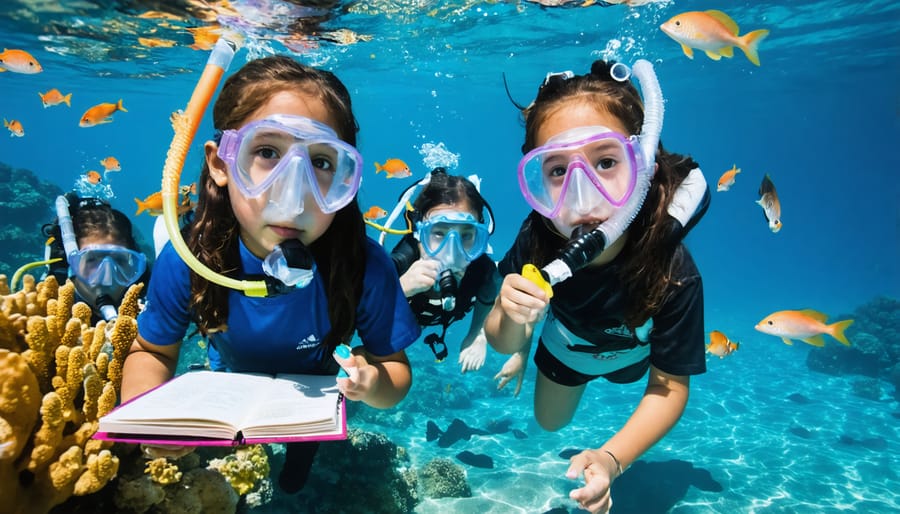
Transforming ocean conservation education requires innovative approaches that engage young minds while fostering environmental stewardship. As marine ecosystems face unprecedented challenges, green marine education has emerged as a critical tool for saving ocean biodiversity through hands-on learning and real-world impact. By combining traditional marine science with sustainability principles, this educational approach creates a new generation of ocean guardians equipped to tackle environmental challenges.
Today’s youth are inheriting oceans under siege from plastic pollution, climate change, and habitat destruction. However, innovative educational programs are transforming this crisis into opportunity by immersing students in marine conservation through experiential learning, citizen science projects, and direct engagement with marine ecosystems. These programs not only build scientific understanding but also develop crucial problem-solving skills and environmental awareness that will shape future conservation efforts.
From coastal cleanup initiatives to underwater robotics workshops, green marine education programs are revolutionizing how we prepare young people to become active participants in ocean conservation. This integrated approach connects classroom learning with real-world conservation challenges, creating meaningful pathways for students to contribute to marine protection while developing valuable skills for future careers in environmental science and conservation.
Why Green Marine Education Matters Now
The Environmental Crisis Through Young Eyes
Young people bring a unique and vital perspective to marine environmental challenges, often seeing solutions that adults might overlook. Their innate creativity and willingness to challenge conventional thinking make them powerful allies in ocean conservation efforts. Studies show that youth-led initiatives often succeed because of their authentic peer-to-peer approach and social media savvy.
Today’s young environmental advocates combine traditional scientific knowledge with digital innovation, creating apps to track marine debris, organizing beach cleanups through social networks, and using citizen science to monitor local marine ecosystems. Their perspective is particularly valuable because they’ll inherit these environmental challenges and have the most at stake in their resolution.
Many youth-led marine conservation projects have demonstrated remarkable success. From developing microplastic filtration systems to creating educational marine conservation games for younger children, young people are proving that age is no barrier to meaningful environmental action. Their fresh approach to problem-solving, combined with their natural ability to inspire and mobilize their peers, creates powerful momentum for positive change in marine conservation efforts.
Building Tomorrow’s Marine Stewards
Early exposure to marine environmental education creates lasting impacts that extend far beyond childhood. Research shows that students who engage with marine conservation topics before age 12 are more likely to develop lifelong environmental stewardship values and pursue careers in marine sciences or conservation.
These young marine enthusiasts often become powerful advocates for ocean protection in their communities, inspiring peers and family members to adopt sustainable practices. Through hands-on learning experiences, they develop critical thinking skills and scientific literacy while forming emotional connections with marine ecosystems that motivate long-term conservation commitment.
The ripple effect of early marine education extends into adulthood, as these informed citizens make environmentally conscious decisions in their personal and professional lives. Many become community leaders, educators, or scientists who contribute to marine conservation efforts. Their understanding of complex marine issues helps shape public policy and corporate practices toward more sustainable approaches.
By investing in marine education today, we’re cultivating a generation of informed advocates who will lead tomorrow’s conservation efforts and inspire future environmental stewards.
Innovative Teaching Methods in Marine Conservation
Hands-On Learning Experiences
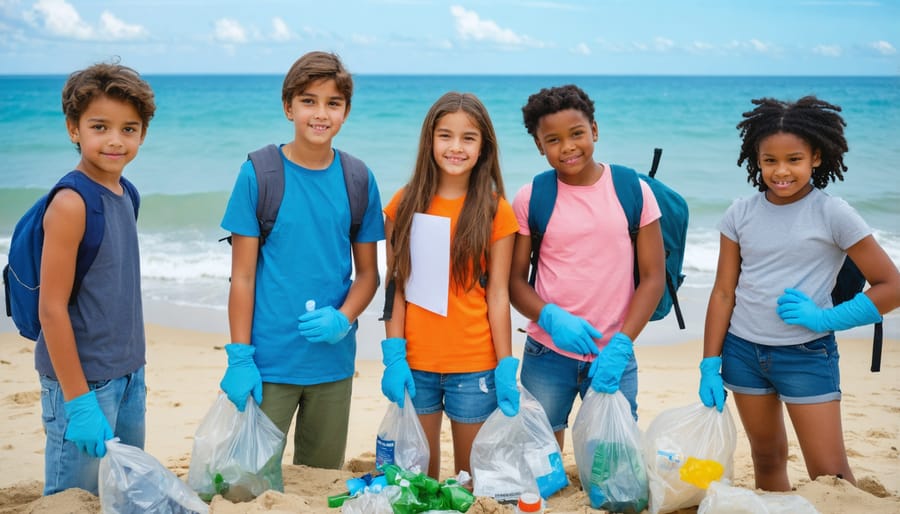
Hands-on learning experiences form the cornerstone of effective green marine education, offering students direct interaction with marine ecosystems and conservation practices. Beach cleanups serve as gateway activities, allowing participants to immediately impact their local environment while learning about marine debris and pollution sources.
Tide pool exploration sessions enable students to observe marine life in their natural habitats, teaching identification skills and ecosystem interactions. During these expeditions, participants learn to carefully document species presence, behavior, and environmental conditions using scientific methods.
Seagrass monitoring programs provide opportunities for students to participate in real scientific research. Using quadrats and transect lines, participants learn to measure seagrass density, identify species, and assess ecosystem health. This data often contributes to larger conservation initiatives and research projects.
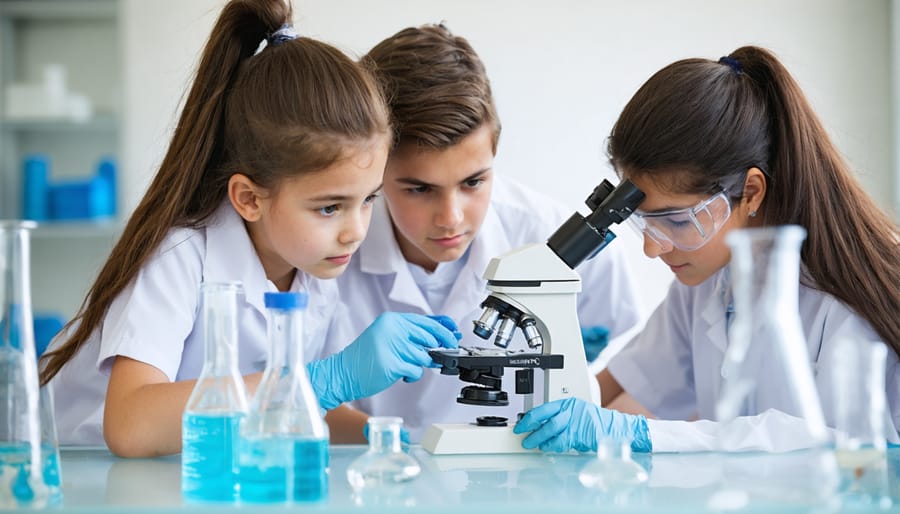
Laboratory activities, such as water quality testing and microplastic identification, help students understand the invisible threats facing marine environments. These sessions typically include collecting water samples, analyzing pH levels, salinity, and identifying microscopic plastic particles.
Citizen science projects, like coral reef monitoring and marine mammal tracking, connect students with global conservation efforts. Through these programs, participants learn to use specialized equipment, record observations, and contribute to international databases.
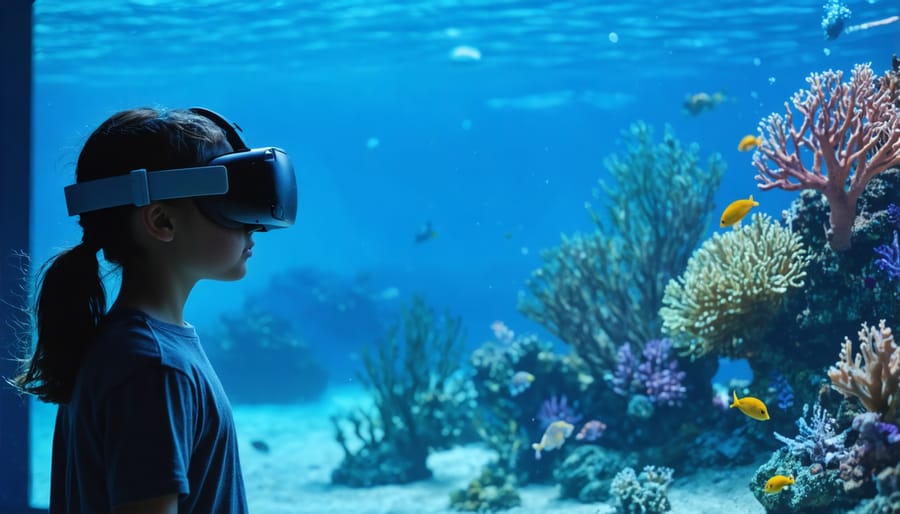
Virtual reality experiences and underwater robotics workshops are emerging as innovative tools in marine education, allowing students to explore deep-sea environments and develop technical skills while maintaining environmental consciousness.
Digital Tools and Virtual Reality
Digital technology has revolutionized marine education, making ocean ecosystems accessible to students worldwide through immersive experiences. Virtual reality (VR) applications now allow learners to explore coral reefs, deep-sea environments, and marine biodiversity without leaving the classroom. These tools create memorable learning experiences while reducing the environmental impact of field trips.
Innovative educational platforms combine 3D modeling with real-time data from ocean monitoring systems, enabling students to visualize marine ecosystems and understand complex environmental processes. Interactive simulations demonstrate the effects of climate change, ocean acidification, and plastic pollution on marine life, helping learners grasp these challenging concepts more effectively.
Mobile apps and citizen science platforms encourage active participation in marine conservation. Students can contribute to real scientific research by recording beach observations, identifying marine species, or tracking pollution levels in their local waters. This hands-on involvement not only enhances learning but also builds a sense of environmental stewardship.
Augmented reality (AR) applications overlay digital information onto the real world, allowing students to identify marine species, understand ocean currents, and learn about marine food webs through interactive experiences. These tools make abstract concepts tangible and help learners connect with marine environments on a personal level.
Educational gaming platforms incorporate conservation challenges and ecosystem management scenarios, teaching strategic thinking while raising awareness about marine protection. These engaging digital experiences inspire the next generation of ocean advocates and marine scientists.
Success Stories from Youth Marine Programs
Student-Led Conservation Projects
Student-driven marine conservation initiatives have demonstrated remarkable success in recent years, showcasing the power of youth leadership in environmental stewardship. From coastal cleanup campaigns to coral reef restoration projects, young conservationists are making significant contributions to ocean health while developing valuable scientific skills.
Notable achievements include the “Youth for Ocean Health” program, where high school students in California successfully restored 2.5 acres of wetland habitat and documented the return of native species. In Australia, the “Future Marine Scientists” initiative enabled students to conduct detailed surveys of local marine ecosystems, contributing valuable data to regional conservation efforts.
These projects extend beyond traditional classroom learning, incorporating hands-on research, community engagement, and real-world problem-solving. Students in Florida’s “Sea Turtle Guardian” program, for instance, have protected over 100 nest sites and educated thousands of beachgoers about conservation practices.
Digital technology has amplified these efforts, with students using social media and mobile apps to track marine debris, monitor water quality, and share their findings globally. This tech-savvy approach has created a network of young citizen scientists who collaborate across borders to address marine conservation challenges.
The success of these initiatives demonstrates that empowering young people with knowledge, tools, and responsibility leads to meaningful environmental impact while fostering the next generation of marine conservation leaders.
Community Impact Stories
The impact of youth marine education programs extends far beyond the classroom, creating ripples of positive change throughout coastal communities. In Santa Barbara, California, the “Ocean Guardians” program has successfully engaged over 500 students in local beach cleanup initiatives, removing more than 2,000 pounds of plastic waste in 2022 alone. These young environmental stewards have inspired their families and neighbors to adopt more sustainable practices, leading to a 30% reduction in single-use plastics in local businesses.
In Miami, Florida, high school students participating in the “Marine Scientists of Tomorrow” program have become citizen scientists, collecting valuable data on coral reef health. Their research has contributed to local conservation efforts and influenced policy decisions regarding coastal development. Several program graduates have gone on to pursue careers in marine biology and environmental protection.
The “Sea Stars” initiative in Seattle has demonstrated how youth engagement can bridge generational gaps in environmental awareness. Elementary school students, armed with knowledge about marine ecosystems, have become effective educators in their communities, teaching older generations about sustainable fishing practices and ocean conservation. Their monthly workshops at local community centers have attracted over 1,000 participants, fostering a culture of environmental responsibility that spans all ages.
Starting a Green Marine Education Program
Essential Components
A successful green marine education program relies on several interconnected components that work together to create impactful learning experiences. First and foremost, hands-on experiential learning opportunities are essential, allowing participants to directly engage with marine environments through activities like tide pool exploration, water quality testing, and marine debris cleanup projects.
Qualified instructors with both scientific expertise and teaching abilities form the backbone of these programs. These educators should be able to translate complex marine ecology concepts into digestible information while maintaining enthusiasm and engagement.
Well-designed curriculum materials that align with current scientific understanding and educational standards are crucial. These should include interactive elements, visual aids, and age-appropriate activities that connect theoretical knowledge with real-world applications in marine conservation.
Sustainable facilities and equipment play a vital role, including proper safety gear, scientific instruments, and educational materials. When possible, programs should incorporate sustainable practices in their operations, serving as living examples of environmental stewardship.
Community partnerships enhance program effectiveness by providing additional resources and real-world connections. Collaborations with local marine research centers, aquariums, and conservation organizations can offer valuable networking opportunities and access to professional expertise.
Finally, assessment and feedback mechanisms help ensure program quality and continuous improvement. Regular evaluation of learning outcomes and participant satisfaction helps programs evolve and maintain their effectiveness in promoting marine conservation awareness and action.
Resources and Support Networks
A wealth of resources exists to support the development and implementation of successful marine education programs. Organizations like NOAA’s Sea Grant program offer comprehensive curriculum guides, lesson plans, and educational materials that can be adapted for various age groups and learning environments.
The Ocean Literacy Network provides essential frameworks and principles for marine education, while the National Marine Educators Association (NMEA) offers professional development opportunities, conferences, and networking events for educators. These resources help create standardized, science-based approaches to marine conservation education.
Digital platforms and mobile apps now make marine education more accessible than ever. Tools like iNaturalist and Marine Debris Tracker enable students to participate in real-world data collection while learning about marine ecosystems. Virtual reality experiences and interactive online simulations bring ocean environments directly into the classroom.
Local aquariums, marine research centers, and conservation organizations often partner with schools and community groups to provide hands-on learning experiences. These partnerships can include field trips, guest speaker programs, and citizen science initiatives. Many also offer grant opportunities and equipment loans to support program development.
For funding support, organizations like the NOAA Environmental Literacy Program and the National Fish and Wildlife Foundation provide grants specifically for marine education initiatives. These resources, combined with growing networks of marine educators worldwide, create a robust support system for developing impactful marine conservation programs.
Green marine education stands as a crucial bridge between scientific understanding and effective ocean conservation. By empowering individuals with knowledge about marine ecosystems, sustainable practices, and conservation techniques, we create a ripple effect that extends far beyond the classroom. The impact of well-informed citizens who understand and care about ocean health cannot be understated – they become advocates, innovators, and stewards of our marine environment.
The future of our oceans depends on continued engagement and education. Whether you’re a student, educator, or simply someone passionate about marine conservation, there are numerous ways to get involved. Consider joining local beach cleanup initiatives, participating in citizen science projects, or supporting marine education programs in your community. Educational institutions and environmental organizations frequently offer workshops, certification courses, and volunteer opportunities that provide hands-on experience in marine conservation.
Remember, every action counts – from reducing plastic consumption to sharing knowledge with others. By embracing green marine education, we not only protect our oceans but also inspire future generations to continue this vital work. The time to act is now, and the power to make a difference lies in our collective commitment to marine education and conservation.

jessica
Ava Singh is an environmental writer and marine sustainability advocate with a deep commitment to protecting the world's oceans and coastal communities. With a background in environmental policy and a passion for storytelling, Ava brings complex topics to life through clear, engaging content that educates and empowers readers. At the Marine Biodiversity & Sustainability Learning Center, Ava focuses on sharing impactful stories about community engagement, policy innovations, and conservation strategies. Her writing bridges the gap between science and the public, encouraging people to take part in preserving marine biodiversity. When she’s not writing, Ava collaborates with local initiatives to promote eco-conscious living and sustainable development, ensuring her work makes a difference both on the page and in the real world.