Marine Biodiversity Science Center

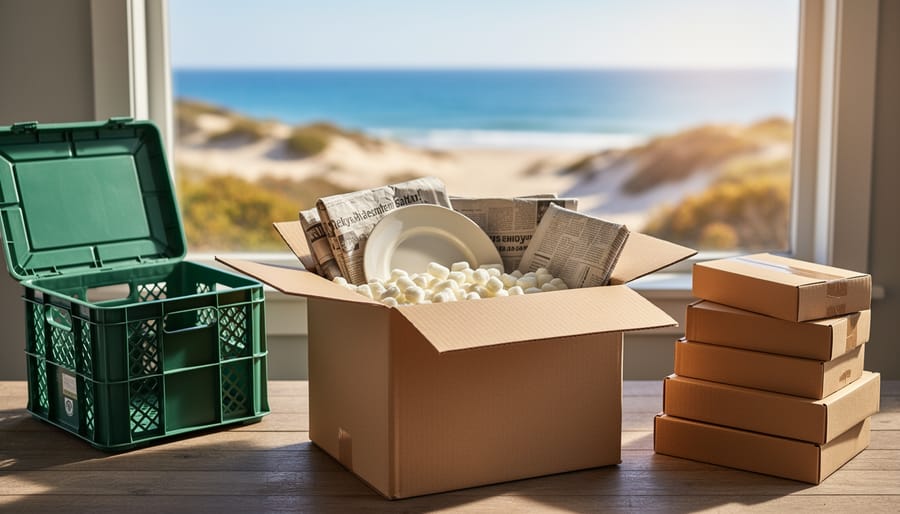
Replace bubble wrap with recycled newspaper, old towels, or biodegradable packing peanuts made from cornstarch. These materials protect your belongings just as effectively while preventing petroleum-based plastics from entering waste streams that often lead to ocean pollution. Studies show that 80% of marine plastic originates from land-based sources, and single-use moving materials contribute significantly to this flow.
Source cardboard boxes from local businesses, grocery stores, or online community groups rather than purchasing new ones. When you’re finished, pass them along to others planning moves or ensure they’re properly recycled. Each reused box prevents the production of new materials and reduces the packaging waste that frequently escapes into waterways during disposal.
Rent reusable plastic moving crates from specialized companies that collect and sanitize them after your move. Unlike cardboard boxes that degrade after one use, these durable containers circulate through dozens of moves, dramatically cutting waste. This simple switch can eliminate 50-75 pounds of cardboard waste per household move.
Schedule a pre-move decluttering session to donate, sell, or responsibly recycle items you no longer need. Moving fewer possessions means using less packing material overall. Marine biologist Dr. Sarah Chen notes that “every pound of plastic we prevent from production is a pound that will never threaten marine life.” Your moving decisions ripple outward, protecting ocean ecosystems one conscious choice at a time.
How Moving Materials End Up in Our Oceans
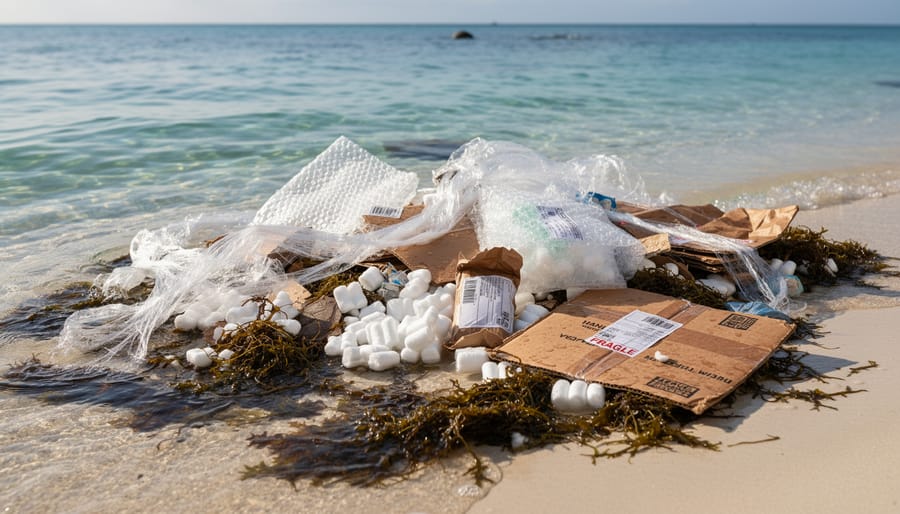
The journey from your moving day to the ocean begins closer to home than you might imagine. When we relocate, we generate significant amounts of waste—bubble wrap, plastic tape, foam peanuts, single-use boxes, and shrink wrap—that often end up in landfills or, worse, our natural environment. Understanding this pathway is crucial for anyone concerned about ocean plastic pollution.
Here’s how it happens: Improperly disposed moving materials can escape waste management systems through wind dispersal from landfills or during transport. These plastics then travel through storm drains into rivers and streams, eventually reaching our oceans. Even materials placed in bins can break down into smaller fragments during processing, escaping into waterways.
Once in marine environments, these plastics undergo photodegradation—a process where UV radiation and wave action break them into microplastics, particles smaller than 5 millimeters. This breakdown doesn’t mean disappearance; instead, one plastic bag can fragment into millions of microplastic pieces that persist for centuries.
Marine biologist Dr. Sarah Chen, who volunteers with coastal cleanup initiatives, shares a common discovery: “During beach surveys, we consistently find packing tape, bubble wrap fragments, and styrofoam pieces mixed with natural debris. These materials become nearly impossible to remove once fragmented.”
The ecosystem impact is profound. Sea turtles mistake plastic wrap for jellyfish, while seabirds feed microplastic-laden items to their chicks. Filter feeders like mussels and oysters accumulate these particles, introducing plastics into the food chain. Research shows that microplastics can absorb toxic pollutants, concentrating harmful chemicals that affect marine life at every level.
By making conscious choices during your move, you directly reduce this influx of plastic into our oceans.
Eco-Friendly Packing Materials That Protect Marine Life
Reusable Container Options
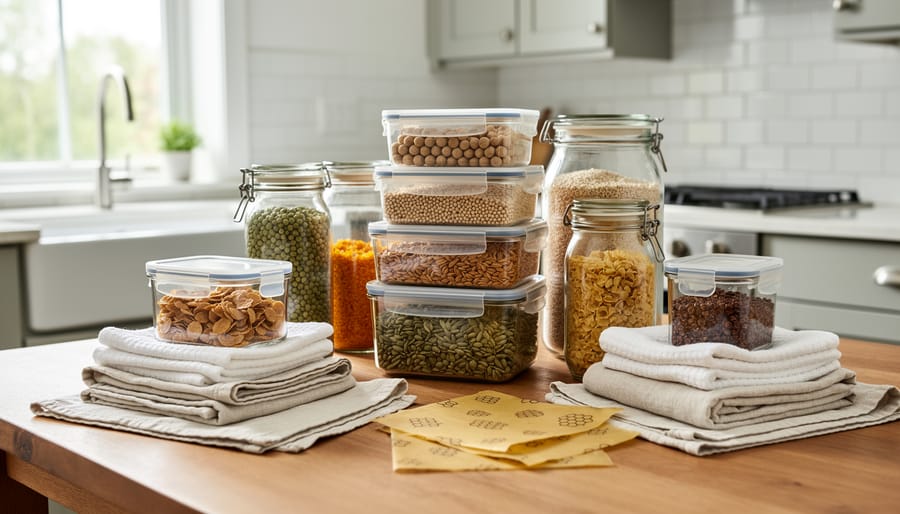
One of the most effective ways to reduce plastic waste during your move is switching to reusable containers. Plastic moving bins, available from rental companies, offer a durable alternative to cardboard boxes and eliminate the need for plastic packing tape. These stackable containers come in various sizes and feature secure lids that protect your belongings without requiring additional wrapping materials.
Many cities now have moving box rental services that deliver clean bins to your home and pick them up after your move. This circular economy approach means the same containers serve dozens of families, dramatically reducing waste. Companies like ZippGo, Rent A Green Box, and local providers offer affordable weekly rates that often compete with purchasing new cardboard boxes.
For those seeking a permanent solution, investing in sturdy plastic crates or wooden boxes provides containers you can use for future moves and storage. Marine conservationist Sarah Chen shares her experience: “When I moved my research equipment to our coastal laboratory, using rented bins prevented approximately 40 pounds of single-use materials from entering the waste stream. Considering how much plastic eventually reaches our oceans through improper disposal, these choices matter.”
Fabric moving bags and laundry baskets also work wonderfully for clothing and linens, eliminating the need for plastic garment bags. These simple swaps collectively prevent countless plastic fragments from potentially entering marine ecosystems.
Biodegradable and Recycled Packing Materials
Choosing sustainable packing materials represents one of the most direct ways to prevent ocean plastic pollution during your move. Innovative alternatives have emerged that protect your belongings while safeguarding marine ecosystems.
Mushroom packaging offers a remarkable solution grown from agricultural waste and mycelium, the root structure of fungi. This material molds perfectly around fragile items and completely biodegrades in your garden within weeks. Marine biologist Dr. Elena Torres shares that she exclusively used mushroom packaging when relocating her research lab, noting it provided excellent protection without contributing to the estimated 8 million tons of plastic entering our oceans annually.
Recycled paper padding and cardboard dividers serve as excellent substitutes for bubble wrap. These recycled and upcycled products require less energy to produce than virgin materials and break down naturally if they reach waterways, unlike conventional plastics that fragment into microplastics harmful to marine life.
Biodegradable packing peanuts made from cornstarch dissolve completely in water, leaving no toxic residue. Natural fiber alternatives to bubble wrap, including coconut coir and hemp padding, provide cushioning while remaining compostable. Many moving companies now offer these sustainable options, and community groups often coordinate sharing programs where members exchange reusable packing materials, creating a circular economy that benefits both your budget and ocean health.
Creative Household Items as Packing Material
Your home already contains excellent protective materials that can replace bubble wrap and plastic packaging. Towels, bed linens, and clothing serve as superior cushioning for fragile items while serving their original purpose once you’ve unpacked. Wrap dishes and glassware in bath towels, use t-shirts to protect picture frames, and nestle delicate decorations within sweaters or socks.
This simple switch makes a meaningful difference. According to marine biologist Dr. Sarah Chen, who volunteers with coastal cleanup initiatives, “The plastic wrap and packaging materials used in a single household move can end up fragmented into thousands of microplastic pieces in our oceans. These particles are consumed by marine life, entering food chains and disrupting entire ecosystems.”
Newspapers and brown paper bags also provide excellent cushioning without contributing to ocean plastic pollution. Layer crumpled newspaper between plates, wrap stemware in sections of newsprint, and use paper to fill empty spaces in boxes. Even old magazines work wonderfully for padding.
The best part? You won’t need to dispose of these materials afterward. Simply launder your linens and clothing, recycle newspapers, and you’ve completed an ocean-friendly move. By choosing items you already own, you prevent new plastic from entering the waste stream that too often leads to our seas.
Smart Decluttering to Prevent Ocean-Bound Waste
Donate Instead of Discard
Moving presents a perfect opportunity to lighten your load while keeping usable items out of landfills—and eventually, our oceans. When waste accumulates in landfills, rainwater can carry plastic particles and other pollutants into storm drains, rivers, and ultimately marine ecosystems.
Start by identifying gently used furniture, clothing, kitchenware, and electronics suitable for donation. Research local charities, shelters, and nonprofit organizations that accept these items. Many communities have specific programs for different donation types—furniture banks for households in need, clothing drives for families experiencing hardship, and electronics recycling centers that refurbish devices. Embracing thoughtful donation practices amplifies your positive impact.
Schedule donation pickups well before your moving date to avoid last-minute disposal decisions. Some organizations offer free pickup services for larger items, making the process convenient while preventing items from ending up in waste streams.
Marine biologist Dr. Sarah Chen shares her moving experience: “I donated three carloads of belongings and felt incredible knowing these items would serve others rather than potentially contribute to ocean pollution through landfill runoff. It transformed my move into an act of environmental stewardship.”
Remember, every item diverted from landfills represents one less potential source of pollution entering our waterways and oceans.
Proper Disposal of Items You Can’t Keep
When downsizing for a move, proper disposal is crucial to preventing items from ending up in waterways and oceans. Every year, improperly discarded materials make their way through storm drains, rivers, and waste facilities directly into marine environments, threatening the biodiversity we work to protect.
Start by identifying local e-waste recycling programs for electronics. Phones, computers, and batteries contain toxic materials that can leach into water systems. Many retailers and municipalities offer free drop-off locations specifically designed to handle these items safely. Similarly, hazardous materials like paint, cleaning chemicals, and batteries require special disposal through designated collection events or facilities. Never pour these down drains or place them in regular trash where they could contaminate water sources.
For items still in usable condition, donation centers and community exchange programs keep materials in circulation while preventing unnecessary waste. Marine biologist Dr. Elena Rodriguez shares her moving experience: “I discovered our local Buy Nothing group and rehomed everything from furniture to kitchen items. Knowing these possessions stayed out of the waste stream, and potentially the ocean, made letting go much easier.”
Broken plastic items deserve special attention. If recycling isn’t available, ensure they’re securely contained in trash bags to prevent wind dispersal or escape during transport to landfills. Lightweight plastics are particularly prone to becoming litter that washes into storm systems.
Consider volunteering at local beach cleanups or watershed restoration projects during your move transition. These hands-on experiences connect you with conservation efforts while helping remove debris that threatens marine life. Your mindful disposal choices today directly impact ocean health for generations to come.
Working with Ocean-Conscious Moving Companies
Selecting a moving company committed to environmental sustainability can significantly reduce your contribution to ocean plastic pollution. The right partners will share your values and implement practices that protect marine ecosystems from the start.
Begin by researching companies that explicitly advertise eco-friendly services. Look for certifications from environmental organizations or membership in sustainability programs. When you’ve identified potential candidates, ask specific questions about their practices. Inquire about the types of packing materials they use—do they offer reusable plastic bins instead of cardboard boxes? Do they use recycled or biodegradable packing materials? Understanding their material sourcing tells you whether they’re genuinely committed to reducing plastic waste.
Questions about waste management reveal even more. Ask how they dispose of packing materials after the move and whether they have recycling or take-back programs. Companies serious about ocean conservation should have clear answers about diverting waste from landfills, where it can eventually reach waterways and oceans.
Marine biologist Dr. Elena Torres shared her moving experience: “I interviewed three companies before finding one that used returnable crates and had a zero-waste policy. They even donated my unwanted items to local charities. It cost slightly more, but knowing I wasn’t contributing to ocean plastic made it worthwhile.”
Request information about their environmental policies in writing. Committed companies will proudly share their sustainability reports or environmental mission statements. Don’t hesitate to ask about carbon offset programs for transportation or fuel-efficient vehicle fleets.
Remember, your choice sends a market signal. Supporting ocean-conscious movers encourages the entire industry to adopt better practices, creating ripple effects that extend far beyond your single move and ultimately protect the marine environments we all depend on.
The Ripple Effect: Real Stories from Marine Conservationists
Dr. Elena Martinez, a marine biologist who has spent fifteen years studying coastal ecosystems, recalls a sobering discovery during a 2022 beach cleanup in Southern California. “We found over 300 pieces of packing materials—bubble wrap, foam peanuts, and plastic moving bags—within just a hundred-meter stretch,” she shares. “What struck me most was finding these same materials inside the stomach contents of seabirds we were studying nearby.”
These findings aren’t isolated incidents. Research conducted by the Ocean Conservancy shows that moving-related plastics constitute approximately 8% of coastal debris in urban areas during peak moving seasons between May and September. Marine biologist James Chen has documented how single-use moving supplies break down into microplastics that coral reefs mistake for food particles. “When someone chooses reusable moving bins over cardboard boxes wrapped in plastic, they’re preventing an average of 15 pounds of plastic from potentially entering waterways,” Chen explains.
The encouraging news? Individual choices during moves create measurable impact. Marine conservationist Dr. Sarah Okonkwo tracked a community initiative where 200 families committed to plastic-free moves over one year. “We calculated they collectively prevented approximately 6,000 pounds of single-use plastic from entering the waste stream,” she reports. “Several participants became ongoing volunteers in our coastal monitoring programs, creating a ripple effect that extended far beyond their moving day.”
These stories remind us that every sustainable choice matters, particularly during major life transitions like moving.
Take Action Beyond Your Move
Your commitment to ocean protection doesn’t end when you’ve finished unpacking. Staying engaged with marine conservation efforts can amplify the positive impact you’ve made by choosing eco-friendly moving solutions. Consider joining local beach cleanup events through organizations like Ocean Conservancy or Surfrider Foundation, which organize regular cleanups in coastal communities worldwide. These hands-on experiences connect you directly to the issue while removing harmful debris from marine environments.
Volunteer with marine research organizations that monitor plastic pollution levels or participate in citizen science programs like the Marine Debris Tracker app, where you can log plastic waste findings during walks. Many aquariums and marine centers offer volunteer positions educating visitors about ocean conservation. Dr. Sarah Mitchell, a marine biologist with fifteen years of field experience, shares: “Every volunteer hour contributes to our understanding of plastic pollution patterns and helps protect vulnerable species.” You can also advocate for stronger plastic reduction policies in your new community by attending town halls or supporting local environmental initiatives.
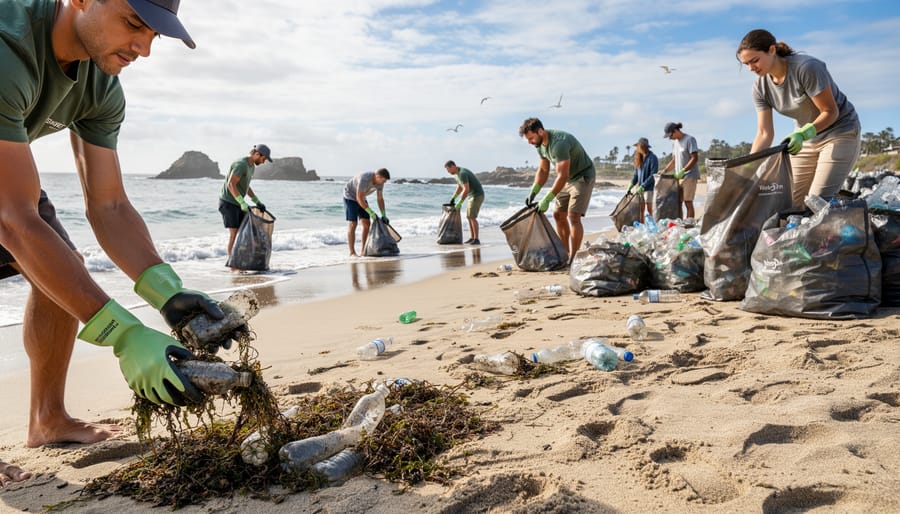
Every eco-friendly choice you make during your move creates ripples of positive change that extend far beyond your doorstep, ultimately protecting our precious ocean ecosystems and the incredible biodiversity they support. When you opt for reusable containers instead of single-use plastic, choose biodegradable packing materials, or declutter responsibly, you’re directly preventing potential marine pollutants from entering waterways. These seemingly small decisions, multiplied across millions of moves each year, can dramatically reduce the plastic burden threatening sea turtles, whales, seabirds, and countless other marine species.
As marine biologist Dr. Sarah Chen shares from her coastal cleanup experiences: “I’ve witnessed firsthand how plastic from everyday activities like moving ends up on our beaches and in our oceans. But I’ve also seen how communities rallying together can turn the tide.”
Your commitment to sustainable moving practices demonstrates that environmental stewardship can be integrated into every aspect of our lives. We encourage you to share your eco-friendly moving experiences with friends, family, and on social media. Your story might inspire someone else to make ocean-conscious choices during their next transition. Together, through collective action and shared knowledge, we can ensure healthier oceans and thriving marine life for generations to come. What sustainable moving practice will you commit to today?

jessica
Ava Singh is an environmental writer and marine sustainability advocate with a deep commitment to protecting the world's oceans and coastal communities. With a background in environmental policy and a passion for storytelling, Ava brings complex topics to life through clear, engaging content that educates and empowers readers. At the Marine Biodiversity & Sustainability Learning Center, Ava focuses on sharing impactful stories about community engagement, policy innovations, and conservation strategies. Her writing bridges the gap between science and the public, encouraging people to take part in preserving marine biodiversity. When she’s not writing, Ava collaborates with local initiatives to promote eco-conscious living and sustainable development, ensuring her work makes a difference both on the page and in the real world.