Marine Biodiversity Science Center

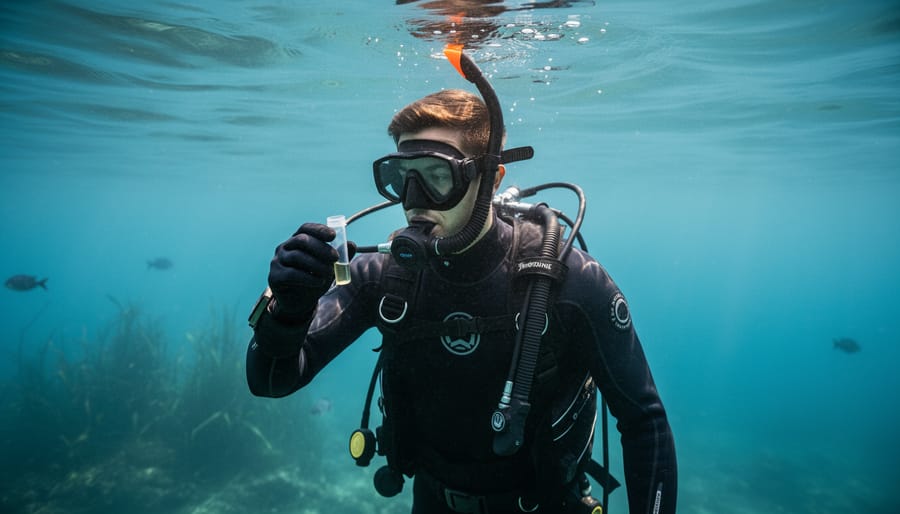
J Endocrinology most often refers to the Journal of Endocrinology, a scientific publication devoted to endocrinology, the study of hormones and the glands that make them. Hormones are chemical messengers released into the blood that travel to distant tissues and tell them what to do. They help steer growth, metabolism, reproduction, stress responses, and the balance of water and salts in the body.
That last job matters a great deal in the ocean. A fish moving from river to sea, a sea turtle timing its nesting, a coral spawning in step with its neighbors: each depends on hormonal signals that respond to light, temperature, and chemistry in the water.
Marine endocrinology is where this field meets conservation. When pollutants or warming seas interfere with hormone signaling, animals can struggle to grow, breed, or cope with stress. Understanding those systems gives scientists and volunteers a clearer view of what healthy marine life needs.
This article defines endocrinology in plain language, explains how hormonal regulation works, and shows why it’s a useful lens for protecting ocean life.
What “J Endocrinology” Means in Plain Language
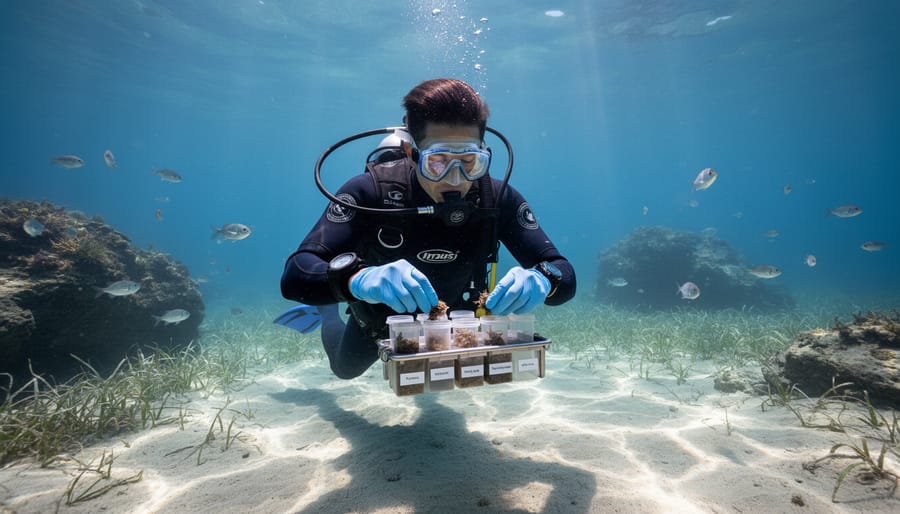
When someone types “j endocrinology” into a search bar, they usually mean one of two things. The first is the Journal of Endocrinology, a scholarly publication where researchers share studies on hormones. Before anything appears in a journal like this, other scientists review the work to check that the methods and conclusions hold up. That review process is what “peer-reviewed” means. The second is the wider science the journal belongs to, called endocrinology, which is the study of how hormones work in living things.
So what is a hormone? Think of it as a chemical text message. A gland sends it out, it travels through the blood or body fluids, and it lands with cells that know how to read it. Those cells then respond, perhaps by growing, resting, or getting ready to reproduce. No wires needed, just a signal carried through the body.
Here is a quick glossary to keep handy:
- Endocrinology
- The science of hormones and the glands and tissues that make them.
- Hormone
- A chemical messenger released by a gland that travels through the body and changes how other cells behave.
- Endocrine gland
- An organ that makes hormones and releases them into the blood or body fluids.
- Peer-reviewed journal
- A publication in which independent experts evaluate research before it is shared with the wider community.
- Hormonal regulation
- The way hormone signals are sent, received and switched off to keep an animal’s body in balance.
Why does a journal like this make a good starting point? It gathers the kind of careful, checked research that shows how animal bodies actually work. If you’re curious about how a fish senses the seasons or how a crab handles stress, hormone science is where those questions begin, and it’s the foundation for everything we explore next in marine life.
How Hormonal Regulation Works in Ocean Animals
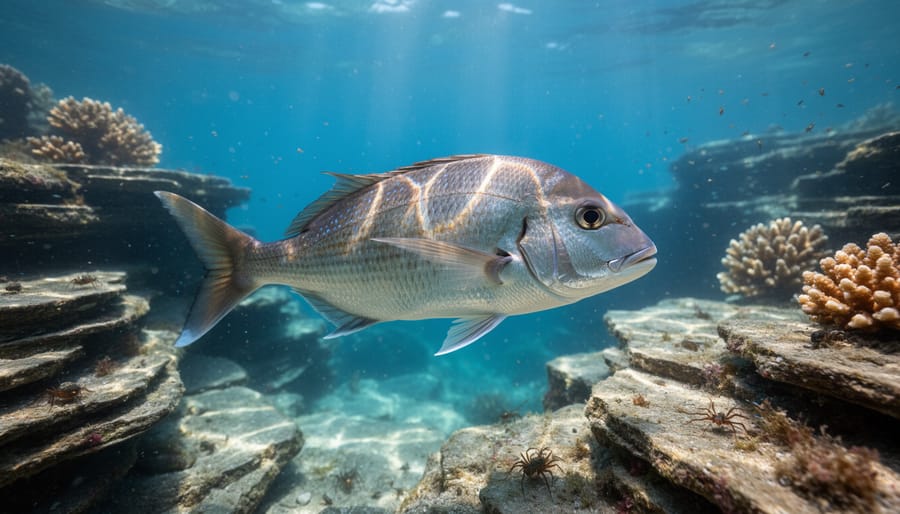
From Gland to Target Cell: The Basic Signal Chain
A hormonal signal moves through a short, repeatable chain of steps, and the same logic applies whether the animal is a fish, a crab or a whale.
First, a gland or specialized cell makes the hormone. It may be built from amino acids, which form protein-like messengers, or from fats such as cholesterol, which form steroid hormones. The hormone is then released into the bloodstream or other body fluids.
Next comes travel. The hormone circulates through the body, reaching nearly every tissue, but it only “speaks” to cells that can hear it. Those target cells carry receptors, molecules shaped to fit a particular hormone like a key fitting a lock.
When the hormone binds its receptor, the cell responds. It might switch certain genes on, change how it uses energy, or alter how it handles salt and water.
Finally, the signal has to end. Enzymes break the hormone down, the body clears it, and feedback loops tell the originating gland to slow its output. This shutoff step keeps the system balanced rather than stuck on “high.”
Why the Ocean Adds Complexity
The ocean is a demanding place to run a hormone system. Light, temperature and salinity all shift with the seasons, the tides, depth and weather, and marine animals read many of these changes as signals. Day length can cue the body to prepare for breeding or growth. Warming or cooling water can speed up or slow down how quickly hormones are made and how strongly cells respond to them.
Salinity adds another layer. Animals living in salty water must constantly manage how much water and salt move in and out of their bodies, and hormones help coordinate that balancing act. When conditions change, such as in places where fresh water mixes with the sea, those hormone signals adjust to keep the body steady.
This close link between environment and hormones is part of why ocean life can be so sensitive to change. If the cues animals rely on shift, their timing for growth, reproduction and stress responses can shift too. Understanding these connections helps scientists and conservationists spot where marine animals may need our protection.
Hormone Systems Across Marine Life
Hormones do not work the same way in every ocean animal, but a few broad jobs show up again and again. Fish, marine mammals, invertebrates such as crustaceans and mollusks, and many other groups all rely on chemical messengers, each in their own way. Here are the main functions these systems help coordinate:
- Growth: hormones help signal when and how quickly an animal builds tissue and body size.
- Reproduction: chemical cues help time maturation, mating behavior and spawning.
- Stress response: hormones help the body react to threats, temperature swings and other pressures.
- Salt and water balance: hormone signals help animals manage the salt levels inside their bodies.
- Metabolism: hormones help regulate how energy is stored and used.
Take growth and development first. Many marine animals pass through distinct stages, and hormonal signals help guide those transitions, whether an animal is a larval fish, a growing mollusk or a crustacean that periodically sheds its outer covering. These chemical messages work alongside food supply and water conditions to shape how an animal matures across its marine life cycles.
Timing matters just as much for reproduction. Hormones work with environmental signals such as light and temperature to help prepare animals to breed, and the reproduction cues that coordinate spawning or mating vary widely from one group to the next.
Hormones also help animals cope when conditions turn difficult. Many ocean animals release stress-related hormones that shift energy and behavior toward short-term survival, and researchers study these ocean stress responses to understand how animals handle environmental change.
Living in salt water adds another challenge: keeping the body’s internal salt and water levels steady. Hormonal signals play a part in that balancing act, helping animals adjust to their surroundings.
Because each group handles these tasks differently, scientists are careful about generalizing from one animal to another.
How Marine Endocrinology Supports Conservation
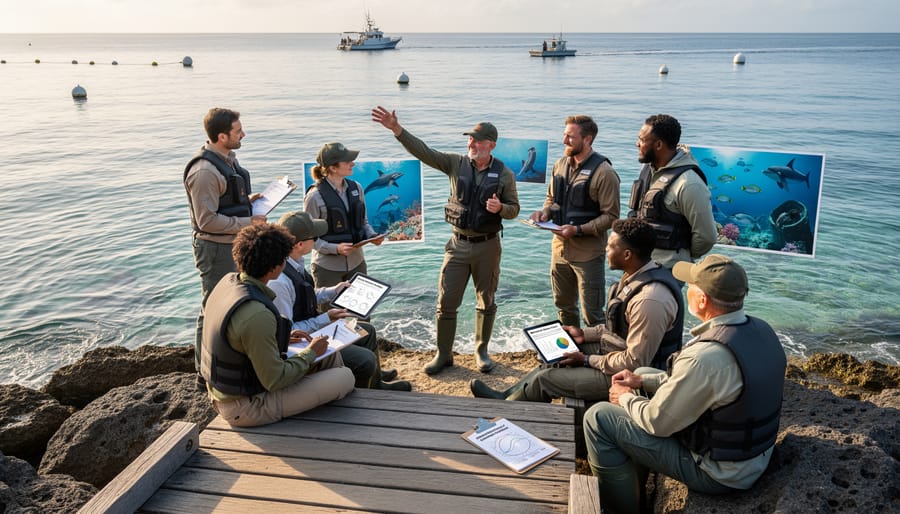
Hormone science is not just an academic pursuit. It gives conservationists practical tools for protecting ocean life, and a few established areas of research show how.
Breeding and rearing programs are one example. Hormones help control growth, development and the timing of reproduction, so understanding them helps people who raise marine animals provide conditions that support healthy development. When a species depends on cues like temperature or day length to trigger spawning, knowing how those cues act through hormone systems helps teams create better care plans. That knowledge can support efforts to strengthen vulnerable populations.
Stress is another important area. Animals respond to challenges such as changing water conditions, disturbance or crowding through hormone pathways that prepare the body to cope. Scientists study these pathways to learn how animals respond to pressure, and that understanding can guide gentler handling, better habitat protection and smarter management decisions.
Researchers also study endocrine disruptors, which are pollutants that may interfere with normal hormone signaling. Because hormones work at very low levels and coordinate so many body functions, a substance that mimics or blocks them could, in principle, affect how animals grow or reproduce. This is an active area of investigation, and it helps explain why clean water matters so much to marine ecosystems.
The encouraging part is that informed people can act together. Every reader can help by learning how ocean animals work, choosing products and habits that reduce pollution, and sharing what they discover with friends, classrooms and neighbors.
You can also get hands-on. Volunteers and citizen scientists play a valuable role in marine conservation, helping with community science, outreach and awareness. Our center’s programs and e-network are a welcoming way to connect with others who care about the ocean, build your knowledge and put it to good use. You don’t need a science degree to contribute, only curiosity and a willingness to take part.
Common Questions About Marine Hormone Science
What is the Journal of Endocrinology?
It is a peer-reviewed scientific journal where researchers share studies on hormones and the glands that make them, after other scientists have reviewed the work.
Do fish and other marine animals have hormones like humans do?
Yes, marine animals use hormones to guide growth, reproduction, stress responses and salt balance. The specific hormones and details differ from group to group.
What are endocrine disruptors?
These are substances that can interfere with normal hormone signaling in animals. Scientists study how some pollutants may have this effect in marine environments.
How can non-scientists learn more?
Start with plain-language science articles, and consider volunteering with marine conservation groups to learn alongside people working on the water.
Curiosity is a fine place to begin, and every question here opens the door to more.
A journal like J Endocrinology is where scientists share peer-reviewed work on hormones, and that same science helps us understand how ocean animals grow, reproduce and cope with changing waters. Learning how these chemical messengers work gives us better tools to protect marine life, and every curious reader has a part to play.
Keep exploring, volunteer where you can, and join our e-network to help safeguard marine biodiversity together.

jessica
Ava Singh is an environmental writer and marine sustainability advocate with a deep commitment to protecting the world's oceans and coastal communities. With a background in environmental policy and a passion for storytelling, Ava brings complex topics to life through clear, engaging content that educates and empowers readers. At the Marine Biodiversity & Sustainability Learning Center, Ava focuses on sharing impactful stories about community engagement, policy innovations, and conservation strategies. Her writing bridges the gap between science and the public, encouraging people to take part in preserving marine biodiversity. When she’s not writing, Ava collaborates with local initiatives to promote eco-conscious living and sustainable development, ensuring her work makes a difference both on the page and in the real world.