Marine Biodiversity Science Center

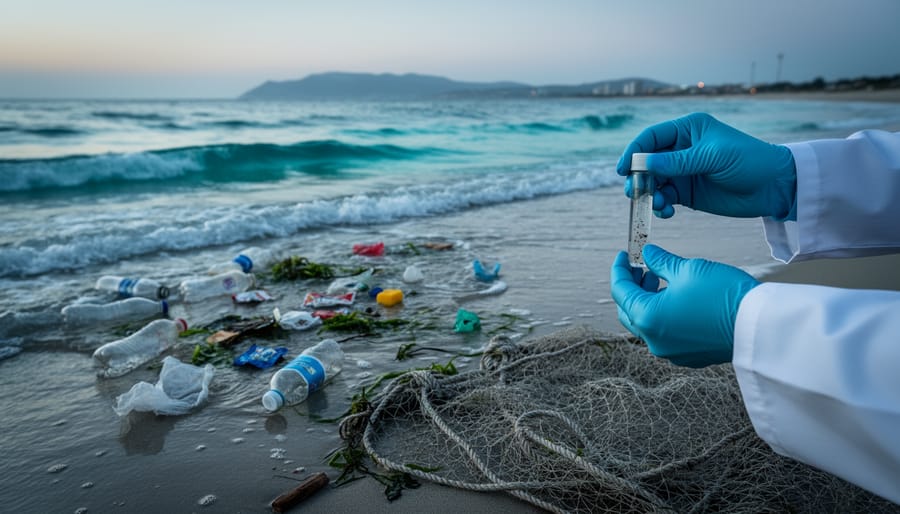
Every minute, the equivalent of one garbage truck of plastic enters our oceans. The United Nations Environment Programme has responded with a comprehensive global framework to combat plastic pollution, centered on the historic Global Plastics Treaty negotiations launched in 2022 and a suite of targeted initiatives that countries, organizations, and individuals can join right now.
UNEP’s plastic pollution programs operate on multiple scales. The Clean Seas campaign invites governments, businesses, and citizens to pledge concrete commitments to reduce single-use plastics. The Global Partnership on Marine Litter coordinates scientific research, policy development, and on-the-ground cleanup projects across more than 150 partner organizations. These aren’t symbolic gestures. Participating countries have eliminated over 2 million tons of plastic waste from entering marine environments since these programs began.
What makes UNEP’s approach distinctive is its emphasis on upstream prevention rather than downstream cleanup alone. The programs target plastic production, product design, waste management infrastructure, and consumption patterns simultaneously. This systems-level strategy acknowledges that we can’t solve ocean plastic pollution by picking up litter on beaches, though that matters too.
For marine biologists like Dr. Sofia Rahman, who studies coral reef ecosystems in the Indian Ocean, UNEP’s work provides essential structure for local action. “We document microplastic contamination in reef fish weekly,” she explains. “But the solution requires international coordination on polymer production standards and waste export regulations. That’s where UNEP creates the architecture for change.”
Whether you’re a researcher quantifying plastic impacts, an educator building curriculum, a policymaker drafting legislation, or someone who simply wants to contribute to cleaner oceans, UNEP’s plastic pollution initiatives offer clear pathways for participation. Understanding which programs exist, who qualifies to join them, and how engagement actually works transforms concern into measurable impact on marine ecosystems worldwide.
What UNEP’s Plastic Pollution Programmes Are
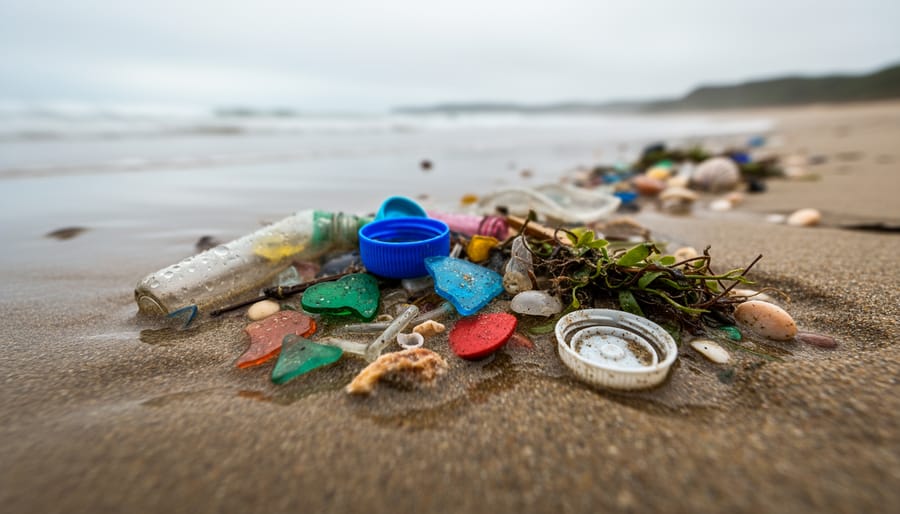
The United Nations Environment Programme operates three flagship initiatives that form the global architecture for addressing plastic pollution in our oceans. Each program tackles a distinct aspect of the crisis while working in concert to reduce the flow of plastics into marine ecosystems and protect the biodiversity they support.
The Global Partnership on Marine Litter coordinates action among governments, research institutions, and civil society organizations to prevent and reduce marine litter at its source. Launched in 2012, the partnership focuses on strengthening national and regional capacity to implement waste management systems, supporting scientific research on microplastics impact on marine food webs, and developing policy frameworks that address land-based sources of ocean plastic. The partnership maintains a knowledge hub of technical resources, case studies from successful interventions, and monitoring protocols that members can adapt to local conditions.
The Clean Seas global campaign mobilizes governments, businesses, and individuals to make concrete commitments to reduce single-use plastics and improve waste collection. Since 2017, more than 60 countries have joined, pledging measurable actions such as banning plastic bags, phasing out microbeads in cosmetics, and establishing extended producer responsibility schemes. The campaign tracks progress through public dashboards and provides communications toolkits that marine education centers can use to engage local communities in beach cleanups and citizen science projects.
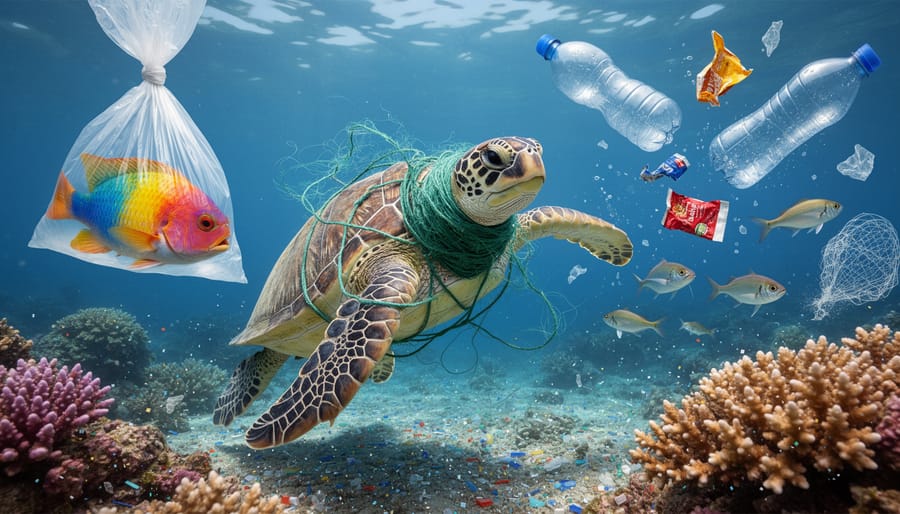
The most ambitious initiative is the Intergovernmental Negotiating Committee on Plastic Pollution, which convened in 2022 to draft a legally binding international treaty covering the full lifecycle of plastics. According to the UNEP INC status update negotiations are progressing through multiple sessions to establish global production caps, design standards for recyclability, phase-out schedules for problematic plastics, and financing mechanisms for implementation. The treaty scope explicitly includes ocean-based sources such as fishing gear harm addressing abandoned nets and gear that entangle marine mammals and degrade into microplastics.
Together, these programs create a framework that spans voluntary action, technical cooperation, and binding international law. They recognize that protecting marine biodiversity requires addressing plastic pollution at every stage, from production and consumption to disposal and ocean cleanup.
Who Can Participate: Eligibility for UNEP Plastic Pollution Programs
UNEP’s plastic pollution programs welcome a broad spectrum of participants, from sovereign nations shaping global policy to individual volunteers collecting data on their local beaches. The eligibility pathways reflect the reality that tackling plastic pollution requires coordination across every level of society.
National governments participate primarily through the Intergovernmental Negotiating Committee process developing the legally binding treaty on plastic pollution. Any UN member state can send delegations to negotiations, contribute technical expertise, and ultimately ratify the final agreement. Local and regional governments, including coastal municipalities and provincial authorities, engage through national action plan implementation and can join the Clean Seas campaign independently of their federal counterparts.
- National governments: Full participation in treaty negotiations and policy development through official UN channels
- Local municipalities: Clean Seas campaign membership and regional action plan implementation
- NGOs and civil society organizations: Partnership status in the Global Partnership on Marine Litter with demonstrated track record in environmental work
- Research institutions: Collaboration agreements for data collection, marine ecosystem monitoring, and scientific assessment
- Private sector companies: Clean Seas commitments requiring measurable plastic reduction targets and transparent reporting
- Educational institutions: Access to curriculum materials and participation in youth engagement programs
- Individual volunteers: Citizen science projects, beach cleanup coordination, and community education initiatives
For the Clean Seas campaign, organizations and governments must submit a commitment pledge outlining specific, measurable actions they will take to reduce plastic pollution. These commitments range from eliminating single-use plastics in government operations to redesigning product packaging or funding marine debris research. The campaign requires transparency, public reporting of progress, and genuine intent to implement changes rather than symbolic gestures.
The Global Partnership on Marine Litter operates as a multi-stakeholder network. NGOs, research centers, and marine conservation organizations apply through UNEP regional offices, demonstrating relevant experience and capacity to contribute knowledge, on-ground implementation, or technical resources. Marine science centers and universities can establish formal partnerships to integrate UNEP data platforms into their research programs and gain access to global monitoring networks tracking ocean plastic distribution and impact on marine species.
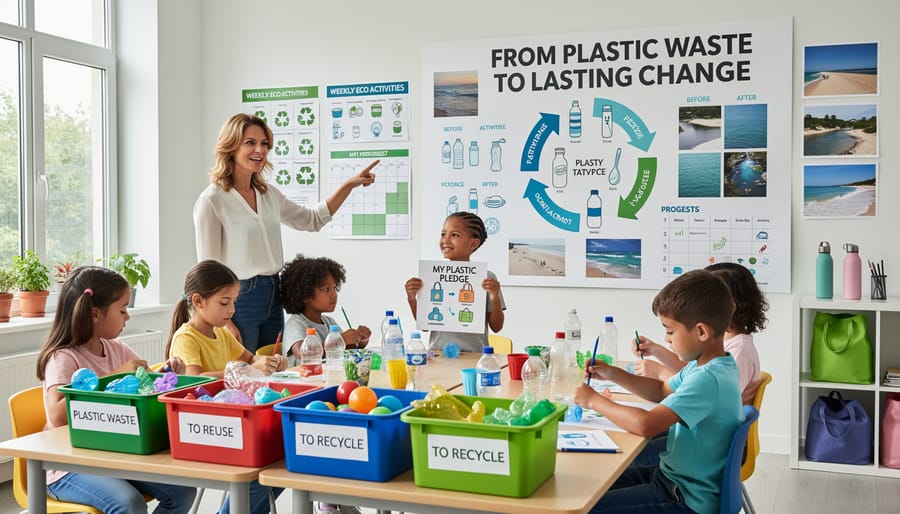
Schools and educational institutions access UNEP resources without formal membership requirements. Teachers can download curriculum materials on plastic pollution, participate in webinars, and connect their students with citizen science initiatives monitoring microplastics in coastal waters. Marine biodiversity education centers often serve as regional hubs, hosting workshops and coordinating youth volunteer programs aligned with UNEP’s educational framework.
How to Join and Participate in UNEP Plastic Pollution Efforts
For National and Local Governments
Governments engage with UNEP’s plastic pollution treaty negotiations through official channels coordinated by their Ministry of Environment or equivalent national body. National delegations participate in Intergovernmental Negotiating Committee sessions by registering through UNEP’s official portal and submitting credentials for their representatives. Between negotiating rounds, governments develop National Action Plans that outline specific reduction targets, policy measures, and implementation timelines aligned with the treaty framework.
Local municipalities implement these commitments by integrating plastic reduction strategies into waste management policies, updating procurement standards to favor sustainable alternatives, and launching public awareness campaigns. Many cities designate a focal point officer to coordinate with national authorities and access UNEP’s technical guidance materials. Governments can request capacity-building support through regional UNEP offices, which provide policy templates, economic impact assessments, and monitoring frameworks.
Educational outreach forms a critical component of implementation. Governments partner with institutions like marine science centers and coastal education facilities to deliver curriculum materials on ocean plastic impacts. Some municipalities establish dedicated spaces, similar to how marine conservation organizations create an education center for hands-on learning, to train local officials, engage stakeholders, and demonstrate best practices for reducing single-use plastics in their communities.
For Organizations and Institutions
Organizations seeking to join the United Nations Environment Programme’s plastic pollution initiatives can choose from several partnership pathways depending on their focus and capacity. NGOs, research institutions, and marine conservation centers typically begin by submitting a formal Expression of Interest through UNEP’s online partnership portal, specifying which program aligns with their mission, whether the Global Partnership on Marine Litter, Clean Seas campaign, or research collaborations tied to the international treaty negotiations.
The application requires documentation of your organization’s legal status, proof of relevant expertise in marine conservation or plastic pollution reduction, and a clear statement of proposed activities. Research centers must demonstrate scientific capacity and data-sharing protocols, while marine conservation organizations should outline existing educational programs or community engagement efforts. UNEP reviews applications within 60-90 days, prioritizing partners who can contribute measurable impact through beach cleanup initiatives, microplastics research, or public education campaigns.
Approved partners gain access to UNEP’s scientific databases, educational toolkits, and global network of marine biodiversity experts. Organizations commit to annual reporting on activities, participation in regional workshops, and adherence to UNEP’s best practices for plastic pollution reduction, ensuring collaborative efforts translate into tangible protection for ocean ecosystems.
For Individuals and Volunteers
Individual volunteers play a vital role in the United Nations Environment Programme’s fight against plastic pollution through accessible, grassroots participation. You don’t need formal credentials or institutional affiliation to contribute meaningfully to UNEP’s data collection and outreach efforts.
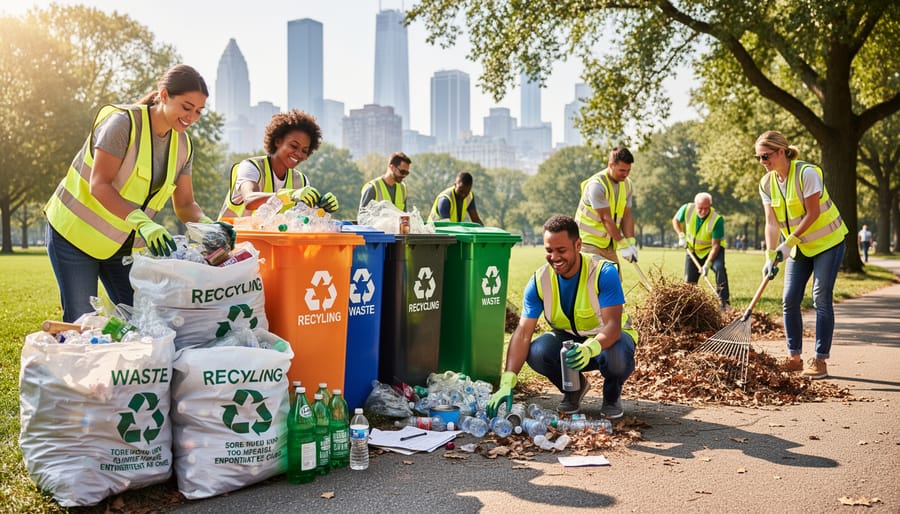
Citizen scientists can join UNEP-supported monitoring initiatives by documenting plastic debris through mobile apps like Marine LitterWatch or participating in the International Coastal Cleanup, which feeds data directly into UNEP’s global marine litter databases. These observations help researchers track pollution patterns, identify hotspots, and measure the effectiveness of interventions across marine ecosystems.
Educators, from classroom teachers to marine biology guides, can access UNEP’s free educational toolkits and curricula designed for all age groups. The Clean Seas campaign provides ready-to-use lesson plans, infographics, and activity guides that explain ocean plastic impact on marine species. You can register your school or community group as a Clean Seas supporter and gain access to webinars, teaching resources, and virtual exchange programs with other environmental educators worldwide.
Beach cleanup organizers can formalize their efforts by reporting results through UNEP’s tracking platforms, transforming community action into scientifically valuable data. UNEP also maintains a volunteer network connecting individuals with local marine conservation projects and regional cleanup events. Registration takes minutes through the UNEP website, requiring only basic contact information and your areas of interest.
Rights, Responsibilities, and Commitments
Joining a United Nations Environment Programme plastic pollution initiative creates a reciprocal relationship between UNEP and its partners. Participants gain valuable resources while accepting responsibility for contributing to global marine conservation efforts.
The primary benefits include access to UNEP’s comprehensive research databases tracking microplastic distribution patterns, marine species impact studies, and documented solutions to ocean chemical threats. Partners receive educational toolkits designed for different audiences, from primary school curricula to technical training modules for waste management professionals. You join a global network connecting thousands of organizations across 150 countries, opening doors to collaborative research projects and knowledge exchanges. UNEP also provides technical assistance through regional advisors who help organizations implement best practices tailored to local conditions.
| Participant Benefits | Corresponding Obligations |
|---|---|
| Access to research databases and scientific reports | Submit annual progress reports on implemented actions |
| Educational materials and communication toolkits | Share data on plastic reduction outcomes and beach cleanup results |
| Global network connections and partnership opportunities | Adhere to program guidelines and implement documented best practices |
| Technical support from regional UNEP advisors | Participate in knowledge-sharing platforms and collaborative projects |
These obligations aren’t merely bureaucratic requirements. Reporting ensures UNEP can track global progress and identify successful interventions worth replicating. When a coastal municipality shares data showing a 40% reduction in beach plastic after implementing specific policies, that information helps other communities worldwide.
Research collaborations operate under clear intellectual property protocols. Data collected through UNEP partnerships remains accessible for scientific purposes while protecting commercial applications developed by private sector partners. Contributors receive appropriate recognition in published reports and scientific papers, with authorship credits following standard academic practices.
The commitment level varies by program tier. Clean Seas campaign pledges can be modest, a school reducing single-use plastics in its cafeteria, while Global Partnership on Marine Litter projects often require multi-year implementation plans with defined milestones. UNEP doesn’t penalize organizations that miss targets, but it does expect transparent communication about challenges and adjustments.
Where to Get Help and Official Resources
UNEP provides a comprehensive network of support channels for individuals, organizations, and governments engaging with plastic pollution initiatives. Whether you’re a marine scientist seeking research data, an educator developing curriculum, or a municipal official implementing a waste reduction plan, knowing where to find official resources streamlines your participation and ensures you’re working with verified, up-to-date information.
The primary portal for UNEP’s plastic pollution work is the Marine Litter and Microplastics section of UNEP’s website, which houses policy documents, scientific assessments, and partnership opportunities. For questions about the Clean Seas campaign, the dedicated Clean Seas platform offers commitment forms, success stories from participating countries, and communication toolkits. The Intergovernmental Negotiating Committee on Plastic Pollution maintains its own resource hub with treaty draft texts, meeting schedules, and stakeholder submission portals.
Regional UNEP offices serve as direct contact points for technical assistance and localized guidance. The Africa Office in Nairobi, the Asia and the Pacific Office in Bangkok, the Latin America and the Caribbean Office in Panama City, the West Asia Office in Manama, and the Europe Office in Geneva each provide region-specific support tailored to local policy contexts and environmental challenges.
For practical implementation help, UNEP offers several specialized support programs:
- The Global Partnership on Marine Litter Helpdesk for partnership applications and project development guidance
- UNEP’s Capacity Building Programme providing training workshops on waste management and circular economy principles
- The Environmental Data Explorer for accessing plastic pollution datasets and monitoring tools
- The Partnership Resource Centre offering funding opportunity alerts and proposal development support
- The Educational Resources Portal with classroom materials, webinars, and lesson plans for marine biodiversity centers
Marine conservation centers and educational institutions can access UNEP’s curriculum toolkit, which includes age-appropriate modules on ocean plastic, microplastic identification activities, and volunteer coordination guides. These materials align with marine science standards and integrate real UNEP research findings, making them valuable for plastic pollution impact education programs.
For scientific communities, UNEP’s marine plastics bibliography database compiles peer-reviewed research, while the Technical Advisory Group provides expert consultation on monitoring methodologies and impact assessments.
How to Apply or Complete the Process
The application process varies by how you plan to engage with United Nations Environment Programme plastic pollution initiatives. Governments participating in the treaty negotiations register through official diplomatic channels, submitting formal letters of intent to their country’s permanent mission to the United Nations. Most national commitments require cabinet-level approval before official registration.
Organizations seeking partnership with UNEP’s Clean Seas campaign complete an online commitment form at, specifying measurable pledges to reduce plastic pollution. You’ll outline your organization’s baseline plastic use, proposed reduction targets, and implementation timeline. UNEP staff review submissions within two to four weeks, then provide access to campaign toolkits and the partner network.
Research institutions and NGOs applying for the Global Partnership on Marine Litter submit proposals through UNEP’s regional offices. Applications require proof of legal registration, a project summary addressing marine plastic debris, and evidence of technical capacity. Review typically takes six to eight weeks.
Individual volunteers don’t complete formal applications to UNEP directly. Instead, connect with local marine conservation centers or environmental organizations already partnered with UNEP programs. These groups coordinate citizen science projects, beach cleanups, and educational outreach that feed into UNEP’s global data systems.
What to Watch For
When engaging with UNEP plastic pollution programs, understand that commitments are public and carry reputational accountability. Organizations that sign Clean Seas pledges or join the Global Partnership on Marine Litter will have their progress tracked and reported in UNEP’s annual assessments, making transparency and follow-through essential.
Pay close attention to treaty negotiation timelines and opportunities for stakeholder input. The international legally binding instrument on plastic pollution involves multiple negotiating sessions where accredited observers can submit technical comments and policy recommendations. Missing submission deadlines or failing to register as an observer can exclude your organization from critical decision-making phases. Similarly, research partnerships often require pre-approval before data collection begins, so initiating contact with UNEP regional offices well in advance prevents delays that could derail project timelines or funding cycles.
Common Questions About UNEP Plastic Pollution Initiatives
Is there a cost to participate in UNEP plastic pollution programs?
Participation in initiatives like Clean Seas and the Global Partnership on Marine Litter is free for governments, organizations, and individuals. However, participants are responsible for funding their own implementation activities, educational programs, and commitment fulfillment.
Can small organizations and local groups join UNEP initiatives?
Yes, UNEP welcomes organizations of all sizes, from multinational NGOs to local beach cleanup groups and school-based marine conservation clubs. The Clean Seas campaign specifically encourages grassroots participation and provides resources scaled to different organizational capacities.
How long does it take to become an official partner?
Registration for Clean Seas and other voluntary programs is typically immediate through online portals. Formal partnership agreements with the Global Partnership on Marine Litter may take two to six weeks for review and approval, depending on the scope of collaboration proposed.
What happens if an organization cannot meet its commitments?
UNEP operates on a collaborative rather than punitive model for voluntary programs. Partners who encounter challenges are encouraged to reach out for technical assistance, adjust timelines, or modify commitments to realistic levels rather than face penalties.
What progress has been made on the international plastic pollution treaty?
The Intergovernmental Negotiating Committee has held multiple sessions since 2022, with nations working toward a legally binding treaty expected to address the full lifecycle of plastics. Negotiations continue to balance ambition with practical implementation across diverse national contexts.
What measurable impact have these programs had on marine ecosystems?
Clean Seas commitments have prevented an estimated millions of metric tons of plastic from entering oceans through policy changes and cleanup efforts. The Global Partnership on Marine Litter has documented reductions in plastic debris at monitored beaches and increased public awareness, though comprehensive ecosystem recovery requires sustained long-term action across all programs.
Beyond these common questions, potential participants often ask about language requirements for international collaborations (UNEP provides materials in multiple languages), whether participation appears on official registries (yes, partners are publicly listed), and how programs integrate with existing national environmental frameworks (UNEP provides guidance for alignment with domestic policies). Marine conservation centers frequently inquire about educational curriculum support, and UNEP offers ready-to-use lesson plans, scientific data visualizations, and virtual training sessions for educators at no cost.
The United Nations Environment Programme’s plastic pollution initiatives represent one of the most comprehensive global responses to the marine debris crisis threatening our oceans. From the Clean Seas campaign to the groundbreaking international treaty negotiations, UNEP has built a framework that connects governments, scientists, educators, and citizens in a unified effort to protect marine biodiversity from plastic contamination.
Education remains the cornerstone of meaningful change. When communities understand how microplastics enter food chains, how ghost nets devastate coral reefs, and how single-use plastics accumulate in ocean gyres, they become powerful advocates for solutions. Marine conservation centers play a vital role in this educational mission, translating complex environmental science into actionable knowledge.
Your participation matters. Marine biodiversity science centers across the globe offer volunteer opportunities that directly support UNEP’s data collection efforts, beach cleanup initiatives, and public outreach programs. Connect with UNEP’s e-network resources to access research tools, educational materials, and collaborative platforms that amplify your impact.
Global cooperation on plastic pollution has already achieved measurable wins: cleaner coastlines, reduced single-use plastic consumption in dozens of nations, and improved waste management infrastructure in vulnerable regions. The legally binding treaty currently under negotiation promises to accelerate these gains exponentially. We’re not just fighting plastic pollution, we’re winning. Every researcher, educator, volunteer, and informed citizen brings us closer to oceans where marine life thrives free from plastic’s toxic grip.

jessica
Ava Singh is an environmental writer and marine sustainability advocate with a deep commitment to protecting the world's oceans and coastal communities. With a background in environmental policy and a passion for storytelling, Ava brings complex topics to life through clear, engaging content that educates and empowers readers. At the Marine Biodiversity & Sustainability Learning Center, Ava focuses on sharing impactful stories about community engagement, policy innovations, and conservation strategies. Her writing bridges the gap between science and the public, encouraging people to take part in preserving marine biodiversity. When she’s not writing, Ava collaborates with local initiatives to promote eco-conscious living and sustainable development, ensuring her work makes a difference both on the page and in the real world.