Marine Biodiversity Science Center


Sovereign bonds are debt securities issued by national governments to raise capital, and when structured as blue bonds or paired with debt-for-nature swaps, they become powerful tools for financing ocean conservation at scale. These instruments allow countries, particularly island and coastal nations, to refinance existing debt at more favorable terms while directing savings toward marine protection, sustainable fisheries, and climate resilience projects. Unlike traditional government bonds, sovereign blue bonds earmark proceeds specifically for ocean-related investments, while debt-for-nature swaps reduce a nation’s debt burden in exchange for commitments to conservation.
The mechanics are straightforward but require careful structuring. A coastal nation working with development banks, conservation organizations, and private investors can restructure portions of its sovereign debt, often at reduced interest rates or principal amounts. The savings generated, sometimes tens or hundreds of millions of dollars over the bond’s lifetime, flow into dedicated conservation trust funds that support marine protected areas, coral reef restoration, mangrove preservation, and sustainable fishing programs. This approach addresses two critical challenges simultaneously: the debt burdens constraining many marine-rich nations and the chronic underfunding of ocean conservation.
For policymakers and conservation professionals exploring biodiversity finance strategies in 2026, these instruments represent proven, scalable mechanisms already deployed in nations like Belize, Gabon, and Ecuador. Understanding eligibility criteria, the technical application process, and the rights and responsibilities involved is essential for countries seeking to access these financial tools and for organizations working to expand their reach across vulnerable marine ecosystems worldwide.
What Are Sovereign Blue Bonds and Debt-for-Nature Swaps?
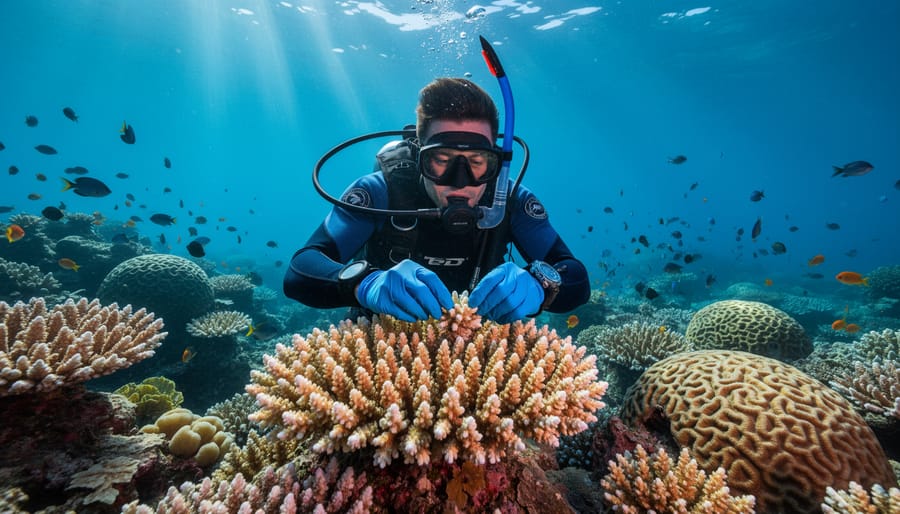
How Blue Bonds Differ from Traditional Sovereign Bonds
The fundamental difference lies in what happens to the money raised. When a government issues a traditional sovereign bond, the funds enter general revenue and can be spent on anything from infrastructure to healthcare to military expenditure. Blue bonds reverse that flexibility by earmarking proceeds for marine projects before the bond even reaches investors. Every dollar must fund ocean-related activities like mangrove restoration, sustainable fisheries development, or coastal pollution reduction.
This earmarking creates new obligations. Issuing nations must maintain separate accounting for blue bond proceeds, demonstrate that funds actually reached approved marine projects, and report on both financial performance and conservation outcomes. Traditional sovereign bonds require only debt service, blue bonds demand measurable environmental impact. Governments typically publish annual reports detailing which projects received funding, how many hectares of coral reef were protected, or what improvements in fish stocks occurred.
Investors face different criteria too. Blue bonds attract impact investors and environmental funds willing to accept slightly lower yields in exchange for verified ocean benefits. These buyers often require third-party certification confirming the bond meets established blue finance standards. Traditional sovereign bond investors care only about creditworthiness and interest rates.
The accountability mechanisms matter most. Blue bonds include covenants specifying eligible project types, impact metrics, and reporting schedules. Break these covenants, and you’ve violated the bond terms, not just disappointed environmentalists.
The Mechanics of Debt-for-Nature Swaps
Debt-for-nature swaps follow a transaction pattern that redirects money previously earmarked for debt repayment toward protecting marine ecosystems. A creditor nation or commercial lender agrees to forgive a portion of what a country owes, or reduce the interest rate, in exchange for that country’s commitment to spend a comparable amount on specific conservation projects over an agreed period, often 10 to 20 years.
The process begins when a country approaches its creditors or works with an intermediary conservation organization that can buy the debt at a discount on secondary markets. Once the debt is acquired at less than face value, the debtor nation negotiates new terms. Instead of repaying the full amount to the original creditor, the country deposits funds into a conservation trust fund, usually denominated in local currency, which eliminates foreign exchange risk.
These trust funds operate independently, governed by boards that include government representatives, conservation NGOs, local community leaders, and sometimes scientists. The board approves grants for marine protected area management, coral reef restoration, mangrove replanting, sustainable fisheries programs, and scientific monitoring. This debt-for-nature swap structure ensures the money reaches conservation work rather than disappearing into general budgets.
Intermediary organizations, like The Nature Conservancy or Conservation International, often play a crucial role. They negotiate with creditors, provide upfront capital to purchase debt, secure guarantees from development banks that protect investors if the debtor defaults, and offer technical expertise to design conservation programs that deliver measurable outcomes. The country’s obligation shifts from repaying foreign debt to funding domestic conservation, creating a permanent revenue stream for protecting ocean biodiversity that persists long after the original debt would have been cleared.
Which Countries and Organizations Are Eligible?
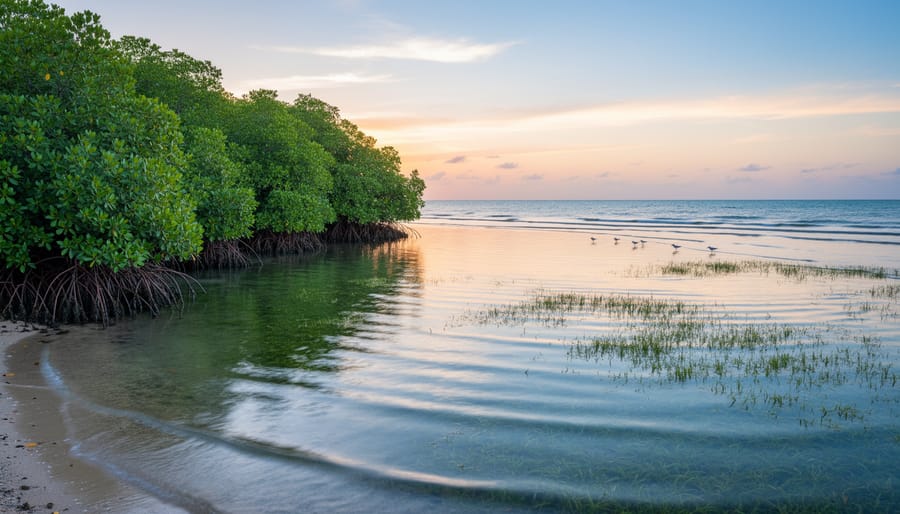
Financial and Governance Prerequisites
Nations seeking to issue sovereign blue bonds or enter debt-for-nature swaps must meet rigorous financial and governance standards that reassure creditors and investors their commitments will be honored. These prerequisites exist because these instruments restructure or create sovereign debt, making financial stability and institutional integrity non-negotiable.
Debt sustainability forms the first hurdle. Most multilateral development banks and conservation finance initiatives require applicant nations to demonstrate manageable debt-to-GDP ratios, typically below 60 percent for middle-income countries, though thresholds vary by region and existing debt composition. Countries with unsustainable debt burdens may still qualify for debt-for-nature swaps specifically designed to provide relief, but they’ll face more stringent conditions and smaller swap sizes. Credit ratings matter too: nations with ratings below investment grade often pay higher interest rates on blue bonds or require additional guarantees from development banks to attract investors.
Fiscal transparency proves equally critical. Applicants must show credible public financial management systems, regular budget disclosures, and independent auditing processes. This transparency extends to how conservation funds will be tracked and reported, investors and creditors want assurance that blue bond proceeds actually reach marine projects rather than disappearing into general budgets.
Anti-corruption frameworks and strong governance institutions complete the picture. Nations need demonstrable commitments to combating corruption, including participation in international transparency initiatives and enforcement records. Institutional capacity, the technical expertise to design conservation plans, monitor outcomes, and manage complex financial instruments, rounds out what creditors evaluate before approving these agreements.
Marine Conservation Criteria
Nations seeking blue bonds or debt-for-nature swaps must demonstrate significant marine conservation potential and genuine commitment to ocean protection. Creditors and conservation partners prioritize countries with globally important marine biodiversity hotspots, regions like coral triangle nations, mangrove-rich coastlines, or critical breeding grounds for endangered sea turtles, whales, and sharks.
The presence of threatened ecosystems carries substantial weight. Countries hosting degraded but recoverable coral reefs, disappearing seagrass meadows, or vulnerable deep-sea habitats present compelling cases for conservation investment. These ecosystems must face identifiable threats, overfishing, coastal development, pollution, that targeted funding can meaningfully address.
Applicant nations must commit to measurable conservation actions. Typical requirements include expanding marine protected area coverage (often targeting 20-30% of territorial waters), implementing science-based fisheries management with enforceable catch limits, establishing no-take zones in critical spawning areas, or restoring degraded coastal habitats. Vague aspirations won’t suffice; partners expect specific targets with clear timelines.
Demonstrated political will matters enormously. Nations must show existing conservation frameworks, even if under-resourced, and genuine stakeholder support. Countries that already protect some marine areas, conduct biodiversity monitoring, or engage fishing communities in management discussions present lower implementation risk than those starting from scratch.
How Nations Apply and Structure These Agreements
Preparing the Conservation Investment Plan

Developing a compelling conservation investment plan begins with a comprehensive marine spatial assessment that identifies priority ecosystems, quantifies biodiversity value, and maps threats to coastal and ocean habitats. Nations typically form a technical working group combining government marine scientists, fisheries managers, economists, and conservation planners who conduct baseline surveys of coral reefs, mangroves, seagrass beds, and critical fish spawning areas. This team establishes specific, time-bound targets, for instance, restoring 10,000 hectares of degraded mangrove forest within five years or reducing illegal fishing in marine protected areas by 60% within three years, that align with international commitments like the Kunming-Montreal Global Biodiversity Framework.
The monitoring framework must include quantifiable indicators tracked through satellite imagery, underwater surveys, catch data analysis, and biodiversity assessments at regular intervals. Many successful proposals incorporate co-management structures where local fishing communities participate in data collection and enforcement, ensuring ground-level buy-in while generating employment. Connecting these national strategies to existing funding mechanisms like habitat restoration grants strengthens the overall financing architecture and demonstrates capacity to manage multiple conservation revenue streams.
Building stakeholder consensus requires extensive consultation with coastal communities, indigenous groups, commercial fishers, tourism operators, and conservation organizations through public forums, participatory mapping exercises, and benefit-sharing negotiations. This inclusive process, though time-intensive, proves essential for creditors and investors evaluating whether conservation commitments will endure beyond initial agreement signing.
Negotiating Terms with Creditors and Investors
Negotiations between debtor nations and their creditors or investors require balancing financial viability with conservation ambition. For debt-for-nature swaps, countries typically work with a coalition that includes bilateral or multilateral creditors, conservation organizations acting as intermediaries, and sometimes philanthropic funders who provide upfront capital. The negotiation centers on the discount rate applied to the existing debt, how much will be forgiven, and the interest rate on any restructured portion. Creditors assess the nation’s repayment capacity and weigh debt relief against the geopolitical and environmental benefits of enabling large-scale marine protection.
When issuing sovereign blue bonds, governments negotiate with investors who practice ocean impact investing seeking competitive interest rates while embedding conservation covenants that legally bind the proceeds to specific marine projects. These covenants spell out eligible uses, such as marine protected area management, sustainable fisheries infrastructure, or coastal habitat restoration, and establish reporting requirements, typically annual disclosures verified by independent auditors. Negotiations also address enforcement: what happens if funds are diverted or conservation targets are missed. Mechanisms range from early repayment triggers to financial penalties or reputational consequences through public disclosure. Strong legal documentation, often developed with specialized environmental finance lawyers, protects both investors’ financial interests and the integrity of conservation outcomes, ensuring that the agreement delivers measurable benefits for marine biodiversity alongside fiscal responsibility.
Rights and Obligations Under These Financial Instruments
Conservation Performance Requirements
Nations that access blue bonds or debt-for-nature swaps sign binding agreements to deliver measurable conservation outcomes, not just spend allocated funds. These performance requirements transform sovereign debt from a fiscal burden into a mechanism for smart financing tied directly to ocean health.
Marine protected area expansion typically stands at the core of these commitments. Countries must designate specific ocean zones for protection, often with targets like creating 30% marine protected area coverage within ten years or establishing no-take reserves around critical coral reef systems. Agreements specify geographic boundaries, enforcement timelines, and protection levels, whether multiple-use zones or fully restricted areas.
Fisheries management reforms constitute another common requirement. Nations commit to implementing science-based catch limits, ending harmful subsidies that encourage overfishing, mandating vessel monitoring systems, or banning destructive practices like bottom trawling in sensitive habitats. These reforms must show verifiable progress against baseline assessments conducted before the agreement.
Habitat restoration milestones require documented recovery of degraded ecosystems. Countries might pledge to restore specific hectares of mangroves, replant seagrass beds, or remove marine debris from designated areas, with photographic evidence and ecological surveys proving progress.
Biodiversity monitoring protocols ensure accountability. Nations establish ongoing data collection on species populations, water quality, and ecosystem health, reporting results to oversight bodies quarterly or annually. Independent verification confirms that conservation promises translate into real marine biodiversity gains.
Community and Stakeholder Rights
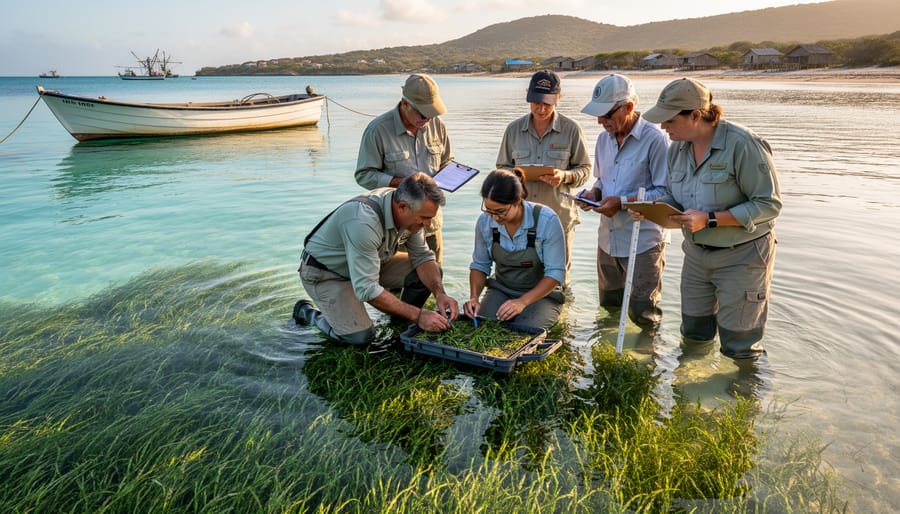
When nations enter sovereign blue bond or debt-for-nature agreements, they accept legally binding obligations to protect the rights of coastal communities and traditional resource users. These instruments increasingly require that local fishing communities retain access to customary fishing grounds, even within newly designated marine protected areas, through co-management arrangements that recognize generations of sustainable practice.
Benefit-sharing clauses mandate that conservation revenues flow directly to affected communities through mechanisms like community development funds, improved fisheries infrastructure, or payments for ecosystem stewardship. Many agreements now stipulate that at least 30-40% of conservation funding must reach local stakeholders, not just government agencies.
Meaningful participation means more than consultation. Coastal communities must have voting seats on management boards, help design zoning plans, and contribute traditional ecological knowledge to monitoring programs. Indigenous groups hold veto power over projects affecting sacred sites or ancestral waters in several recent debt swaps.
Nations must demonstrate free, prior, and informed consent from affected communities before finalizing agreements. This requires culturally appropriate engagement processes, documents in local languages, and sufficient time for community decision-making structures to function. Failure to uphold these rights can trigger enforcement mechanisms, including suspension of debt relief or bond proceeds, making genuine community partnership both a moral imperative and a financial necessity for participating governments.
Where Nations and Organizations Can Get Help
Nations considering blue bonds or debt-for-nature swaps don’t have to navigate these complex financial mechanisms alone. A growing ecosystem of international institutions, conservation organizations, and technical advisors exists specifically to help countries structure and implement these innovative instruments for ocean protection.
Multilateral development banks lead the technical assistance landscape. The World Bank’s Blue Economy Program offers feasibility studies, transaction structuring support, and capacity building for countries exploring blue bonds. Their specialists help governments assess marine conservation priorities, develop investment plans, and connect with potential investors. The Asian Development Bank provides similar services across the Pacific and Indian Ocean regions, with particular expertise in small island developing states. The Inter-American Development Bank supports Latin American and Caribbean nations through its Ocean Action Framework, offering both technical guidance and potential co-financing.
Several organizations provide specialized support at different stages:
- World Bank, feasibility assessments, investor matchmaking, and blue economy policy development
- Asian Development Bank, transaction structuring, marine spatial planning, and regional knowledge exchange
- The Nature Conservancy, conservation plan design, community engagement frameworks, and monitoring systems
- Conservation International, marine biodiversity assessments, stakeholder mapping, and impact measurement protocols
- United Nations Development Programme, governance strengthening, legal framework development, and SDG alignment
- Regional Seas Programmes, ecosystem-specific guidance and coordination with existing marine protection initiatives
Conservation organizations bring critical on-the-ground expertise. The Nature Conservancy’s NatureVest team has directly structured several major debt-for-nature swaps, including landmark agreements in Belize and Seychelles. They provide end-to-end support from initial concept through legal closing and implementation monitoring. Conservation International offers similar services, with deep expertise in tropical marine ecosystems and community-based conservation models that strengthen proposal credibility.
For legal and financial structuring, specialized law firms with sovereign debt and environmental law practices can advise on bond documentation, conservation covenants, and enforcement mechanisms. The Global Environment Facility and Green Climate Fund both offer grants to support the preparatory work needed before launching these instruments, covering baseline assessments, stakeholder consultations, and institutional capacity building.
Countries benefit immensely from peer learning networks. The Blue Natural Capital Financing Facility connects nations exploring blue bonds with those who’ve successfully issued them, facilitating knowledge exchange on practical challenges and solutions. Reaching out begins with contacting the relevant multilateral development bank for your region or approaching established conservation organizations with proven track records in marine finance innovation.
Why These Instruments Matter for Marine Biodiversity
These financial instruments represent a fundamental shift in how nations can fund ocean protection. Traditional conservation budgets compete with pressing social needs like healthcare and education, often leaving marine ecosystems chronically underfunded. Blue bonds and debt-for-nature swaps break this zero-sum game by converting existing debt obligations into dedicated conservation capital that flows reliably for decades.
The Seychelles blue bond, issued in 2018, demonstrates the transformative potential. This $15 million instrument funded the expansion of marine protected areas from less than one percent to thirty percent of the nation’s waters while supporting sustainable fisheries transitions for local communities. Protected coral reefs showed measurable recovery within three years, and fish populations rebounded in newly established reserves, directly benefiting artisanal fishers who initially worried about access restrictions.
Belize’s 2021 debt-for-nature swap restructured $553 million in debt, freeing up resources to protect mangrove forests and barrier reef ecosystems that support both marine life and coastal livelihoods. The agreement mandated science-based fisheries management and established endowment funds ensuring conservation work continues regardless of future budget pressures or political changes.
Dr. Sarah Chen, a marine biologist monitoring seagrass restoration in Belize, sees the difference firsthand. “We’re conducting marine biodiversity research that was impossible before because funding cycles were too short,” she explains. “Now we can track ecosystem recovery over meaningful timescales, train local researchers, and build the scientific foundation for adaptive management.”
These mechanisms also unlock financing for less charismatic but equally critical habitats. Seagrass meadows, which store carbon and serve as nurseries for commercial fish species, now receive dedicated protection funding. Deep-sea coral gardens gain protection despite generating no tourism revenue. The instruments force a long-term perspective that ephemeral budget cycles can’t sustain, creating the conditions for genuine ecosystem recovery and the scientific understanding to guide it.
How to Apply or Complete the Process
For nations ready to pursue these instruments, the process typically unfolds in stages. First, governments conduct an internal feasibility assessment, reviewing their debt profile, conservation priorities, and institutional capacity. This groundwork determines whether blue bonds or debt swaps align with national circumstances.
Next comes partner identification. Reach out to multilateral development banks like the World Bank or regional development institutions, which often facilitate these transactions. Conservation organizations such as The Nature Conservancy or WWF can provide technical guidance and sometimes serve as intermediaries in debt swaps.
Develop a detailed proposal package. This includes your marine conservation investment plan (covered earlier), financial projections, governance frameworks, and stakeholder engagement records. Submit this to potential creditors, investors, or development banks through their established channels.
Negotiation follows proposal review. Expect multiple rounds discussing terms, conservation targets, reporting obligations, and legal structures. Legal counsel experienced in sovereign debt and environmental law proves invaluable here.
Once terms are agreed, legal documentation gets finalized, bond prospectuses or swap agreements detailing all commitments. After signing, establish the conservation trust fund or disbursement mechanism, then begin implementation while maintaining the required monitoring and reporting systems.
Most processes take 18-36 months from initial feasibility to fund disbursement.
What to Watch For
While sovereign blue bonds and debt-for-nature swaps offer tremendous promise for marine conservation, these instruments are only as effective as their implementation and enforcement. Success hinges on genuine political commitment beyond the initial agreement signing, nations must resist the temptation to dilute conservation targets when economic pressures mount or administrations change.
Watch carefully how conservation covenants are written into bond agreements. Vague language like “support marine biodiversity” creates loopholes; effective agreements specify measurable targets such as “establish no-take zones covering 30% of territorial waters by 2028” with defined penalties for non-compliance. The involvement of independent scientific monitors, rather than solely government-appointed assessors, dramatically improves accountability.
Community exclusion represents another critical risk. When blue bond proceeds fund marine protected areas that displace artisanal fishers without alternative livelihoods or meaningful consultation, conservation gains prove temporary, resentment builds, enforcement becomes impossible, and ecosystems suffer. Look for agreements that explicitly mandate benefit-sharing mechanisms, protect traditional fishing rights in designated zones, and require indigenous and local community representation in governance structures. Financial innovation means little if it repeats the mistakes of top-down conservation approaches that have failed coastal communities and marine biodiversity alike.
Common Questions About Sovereign Blue Bonds and Debt-for-Nature Swaps
Can small island nations access these instruments?
Yes, small island developing states are often priority candidates for blue bonds and debt-for-nature swaps due to their high marine biodiversity, climate vulnerability, and debt challenges. Several successful examples include Seychelles, Belize, and Barbados, which have used these mechanisms to protect vast ocean areas while addressing fiscal constraints.
How is conservation success measured?
Success is tracked through specific, measurable indicators written into the agreement, such as square kilometers of new marine protected areas, fish stock recovery rates, coral reef health assessments, and reductions in illegal fishing. Independent third-party evaluators typically conduct regular monitoring and verification to ensure transparency and accountability.
What happens if a nation fails to meet its commitments?
Agreements include enforcement mechanisms that vary by structure but often involve financial penalties, loss of future funding tranches, or requirements to repay portions of forgiven debt. Most frameworks emphasize adaptive management and allow renegotiation if genuine obstacles arise, rather than immediate punitive action.
How can marine scientists and volunteers contribute?
Scientists can participate in baseline assessments, monitoring programs, and impact evaluations that inform conservation strategies and track progress. Volunteers can support field research, citizen science initiatives like reef surveys and species counts, and community education efforts within funded conservation projects, often coordinated through partner NGOs.
These financial mechanisms raise practical concerns alongside their promise. Conservation practitioners often ask whether the timelines for debt restructuring negotiations align with the urgency of marine habitat degradation. The answer is complex: while negotiations can take eighteen months to three years, the resulting long-term funding streams provide stability that short-term grants cannot match, allowing sustained protection rather than episodic interventions.
Policymakers frequently question whether these instruments genuinely deliver additional conservation funding or simply rebrand existing commitments. The most successful implementations establish new, dedicated funding streams managed through independent conservation trust funds with transparent governance and multi-stakeholder oversight, ensuring money reaches frontline marine protection rather than disappearing into general budgets.
For the interested public wondering how individual actions connect to these national-level mechanisms, the link is direct. Conservation organizations involved in structuring and implementing these agreements rely on volunteer expertise, from marine biologists conducting field assessments to educators building community support in coastal areas. Public advocacy also matters: when citizens demonstrate strong support for ocean conservation, governments face greater political will to pursue these instruments and honor their commitments. Supporting marine conservation NGOs that facilitate these deals amplifies impact beyond what individual donations alone could achieve, as these organizations provide the technical expertise and credibility that make complex negotiations succeed.
Sovereign blue bonds and debt-for-nature swaps represent more than creative accounting, they are proving to be genuine catalysts for ocean health. By channeling billions toward marine protected areas, mangrove restoration, and sustainable fisheries, these instruments are protecting ecosystems that would otherwise continue degrading under the pressure of limited government budgets and competing development priorities.
The real measure of success, however, lies not in the financial engineering but in tangible outcomes: thriving coral reefs, recovered fish populations, and coastal communities that benefit from both conservation and economic opportunity. As these mechanisms expand, vigilance matters. We must hold governments and investors accountable to their conservation commitments, ensure transparent reporting, and insist that local voices shape how funds are spent.
For those inspired to contribute, opportunities abound. Marine conservation organizations implementing blue bond projects actively seek volunteers for reef monitoring, community education, and citizen science initiatives. Your participation, whether through field research, data collection, or public outreach, strengthens the foundation these financial tools are built upon.
The ocean’s future depends on sustained collective action. Stay informed about new blue bond initiatives and debt-for-nature swaps in your region or areas you care about. Support organizations doing this work with donations or time. Most importantly, recognize that financial innovation and grassroots engagement work hand in hand. Together, we are building a more secure future for marine biodiversity, one protected hectare and one restored habitat at a time.

jessica
Ava Singh is an environmental writer and marine sustainability advocate with a deep commitment to protecting the world's oceans and coastal communities. With a background in environmental policy and a passion for storytelling, Ava brings complex topics to life through clear, engaging content that educates and empowers readers. At the Marine Biodiversity & Sustainability Learning Center, Ava focuses on sharing impactful stories about community engagement, policy innovations, and conservation strategies. Her writing bridges the gap between science and the public, encouraging people to take part in preserving marine biodiversity. When she’s not writing, Ava collaborates with local initiatives to promote eco-conscious living and sustainable development, ensuring her work makes a difference both on the page and in the real world.