Marine Biodiversity Science Center

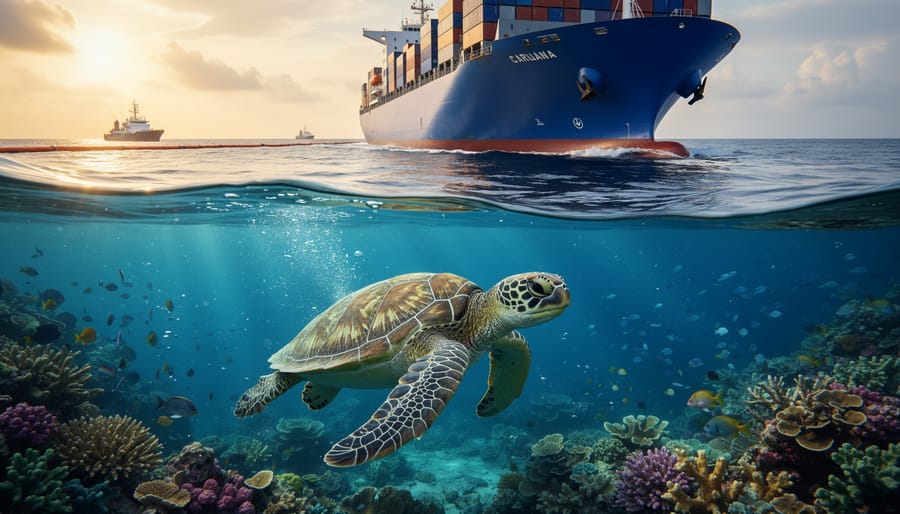
Every cargo ship crossing the Pacific, every research vessel studying coral reefs, and every commercial fishing operation faces risks that could trigger environmental catastrophes. When a vessel sinks, runs aground, or collides with marine habitats, the financial tools protecting these operations become critical shields for ocean ecosystems themselves.
Ocean marine insurance divides into four distinct categories, each serving unique functions in maritime commerce while playing an increasingly vital role in marine conservation. Hull insurance protects the physical vessels that, when damaged, can leak fuel and chemicals into pristine waters. Cargo insurance covers goods transported across seas, preventing abandoned or damaged containers from becoming ocean pollutants. Protection and Indemnity (P&I) insurance addresses liability for third-party damages, including ecological harm from oil spills or habitat destruction. Freight insurance ensures financial stability for shipping operations, reducing the likelihood of cost-cutting measures that compromise environmental safety standards.
Understanding these four types reveals how marine conservation insurance mechanisms can transform risk management into environmental protection. When properly structured, these policies incentivize safer navigation practices near sensitive ecosystems, fund rapid response to maritime accidents, and provide resources for habitat restoration after incidents occur.
The intersection between commercial insurance and conservation represents an emerging frontier where financial instruments become conservation tools. Marine biologists now collaborate with insurance professionals to develop coverage that explicitly protects endangered species habitats, while underwriters increasingly recognize that healthy ocean ecosystems reduce long-term maritime risks. This evolving relationship demonstrates how traditional business mechanisms can advance environmental goals when stakeholders recognize their shared interest in ocean health.
The following exploration examines each insurance type through both commercial and conservation lenses, revealing practical applications that protect both maritime interests and marine life.
Why Insurance Matters for Ocean Conservation
The Economic Reality of Marine Protection
Marine conservation isn’t just an environmental necessity—it’s a significant financial commitment. Research vessels can cost upwards of $25,000 per day to operate, while specialized equipment like underwater drones and diving gear represents investments of hundreds of thousands of dollars. When you consider that a single marine protected area monitoring project might span years, the economic stakes become clear.
This is where marine insurance transforms from a business tool into a conservation enabler. For organizations working to protect coral reefs or track endangered whale populations, losing equipment to a storm or vessel accident could mean suspending crucial research for months. Insurance coverage allows these groups to continue their vital work with financial security.
Dr. Maria Chen, a marine biologist who’s spent fifteen years studying sea turtle migration, shares this perspective: “When our research vessel was damaged during fieldwork, our insurance coverage meant we could repair it quickly and return to monitoring nesting sites during the critical season. Without that protection, we might have missed documenting an entire generation.”
For volunteer-based conservation programs, insurance also provides liability protection, making it possible for organizations to safely engage citizen scientists in hands-on marine research while managing financial risks responsibly.
Creating Incentives Through Risk Management
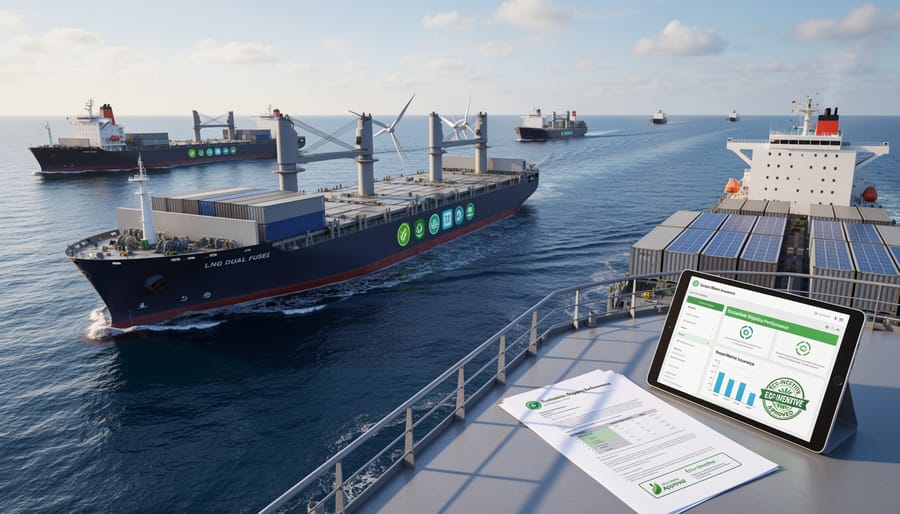
Marine insurance companies are discovering that their pricing structures can serve as powerful conservation finance mechanisms, directly influencing how shipping and fishing operations impact our oceans. When vessels demonstrate environmentally responsible practices—such as installing advanced wastewater treatment systems, using low-sulfur fuels, or implementing turtle-safe fishing gear—insurers often reward them with reduced premiums. This creates a financial incentive for companies to invest in marine protection.
Consider the story of Captain Maria Santos, a commercial fisher in the Pacific, who shared how switching to circle hooks and adopting sea turtle release protocols not only earned her fleet a 15% premium reduction but also garnered positive media attention. Her experience demonstrates how risk management in insurance can align economic interests with conservation goals.
Similarly, shipping companies investing in double-hull designs and real-time weather monitoring systems receive favorable rates because they present lower risks of oil spills and cargo losses. These premium adjustments effectively make sustainable practices more affordable than environmentally harmful ones, transforming insurance from a passive financial product into an active driver of ocean stewardship that benefits marine ecosystems worldwide.
Hull and Machinery Insurance: Protecting Vessels, Protecting Waters
How It Works for Conservation
Marine insurance operates through a straightforward principle: policyholders pay premiums to transfer financial risks associated with ocean operations to insurers. When an insured event occurs, such as vessel damage or cargo loss, the insurance company compensates the policyholder according to the policy terms. Traditionally, these policies focused solely on economic protection, but the landscape is transforming dramatically.
Modern marine insurance now integrates environmental standards directly into policy frameworks. Insurers increasingly require vessels to meet specific sustainability criteria before coverage approval. This might include proper waste management systems, updated fuel efficiency standards, or certified environmental management practices. Ships demonstrating strong environmental records often qualify for reduced premiums, creating powerful financial incentives for conservation-minded operations.
The mechanics involve risk assessment processes that now evaluate environmental compliance alongside traditional factors like vessel age and route safety. Insurance companies collaborate with marine biologists and environmental organizations to develop assessment criteria that genuinely protect ocean ecosystems. For instance, policies may mandate that fishing vessels use turtle-excluder devices or restrict operations in critical breeding grounds during sensitive seasons.
Claims processing has also evolved. When environmental incidents occur, insurers now factor restoration costs and ecological damage into settlements. This shift means companies must account for their environmental footprint financially, not just operationally. Some progressive insurers even offer specialized coverage for conservation projects, protecting organizations conducting reef restoration or wildlife monitoring efforts. This transformation represents a fundamental change in how we view marine operations, making environmental responsibility not just ethically important but financially essential for anyone working on our oceans.
Real-World Impact: A Research Vessel Story
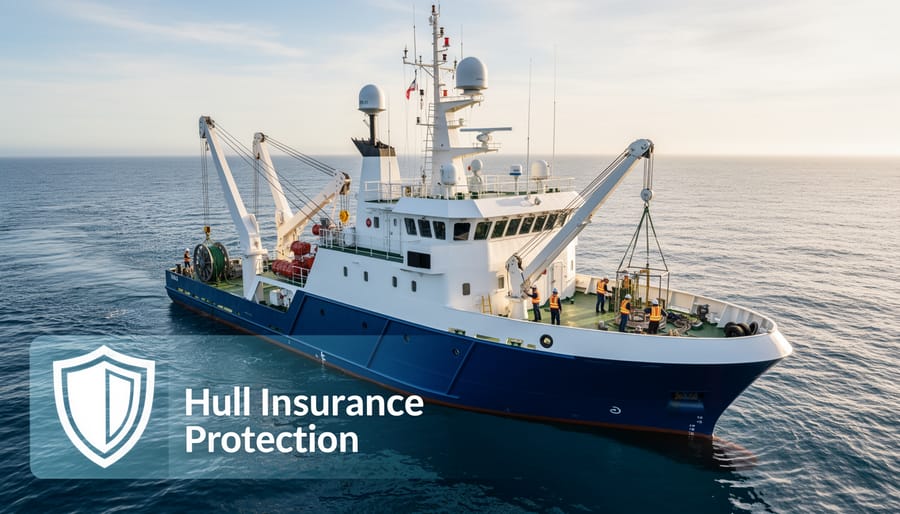
Dr. Marina Santos still remembers the moment her team’s research vessel, the Coral Guardian, struck an unmarked reef during a critical coral spawning study off the Philippines. The damage seemed catastrophic—a five-foot gash along the hull that threatened to end their three-year conservation project documenting endangered reef ecosystems.
“Without hull insurance, that would have been the end,” Marina explains. “Our nonprofit had invested everything into that vessel. But because we’d secured comprehensive hull coverage, repairs were completed within six weeks, and we didn’t miss the next spawning cycle.”
The Coral Guardian now serves as a floating laboratory, hosting researchers studying climate change impacts on tropical reefs. The insurance coverage that saved their vessel has indirectly protected countless marine species by keeping critical research afloat—literally and financially.
Marina’s experience highlights why hull insurance matters beyond commercial shipping. For conservation organizations operating research vessels, even small accidents can derail years of environmental work. The right coverage transforms a potential disaster into a temporary setback, ensuring that marine protection efforts continue uninterrupted.
Today, the Coral Guardian welcomes volunteer researchers year-round. If you’re passionate about marine conservation and want hands-on experience with reef restoration work, opportunities exist aboard vessels like Marina’s—vessels that remain operational thanks to the financial security that proper marine insurance provides. Your participation could contribute to groundbreaking discoveries about protecting our ocean’s biodiversity.
Cargo Insurance: Safeguarding Sustainable Trade
Protecting Legal and Sustainable Marine Products
Cargo insurance plays a surprisingly powerful role in protecting our oceans by supporting legitimate fishing operations and sustainable seafood trade. When properly structured, these insurance policies create financial incentives that favor legal, well-managed fisheries over destructive or illegal practices.
Think of cargo insurance as a gatekeeper for the seafood industry. Reputable insurance companies increasingly require detailed documentation proving that fish products come from legal sources with proper permits and adherence to catch limits. This means vessels engaged in illegal, unreported, and unregulated fishing—often called IUU fishing—find it difficult or impossible to obtain affordable coverage. Without insurance, these operators struggle to transport their catch internationally or secure buyers in legitimate markets.
Dr. Maria Santos, a marine biologist who has worked with fishing cooperatives in Southeast Asia, shares an inspiring example: “I’ve seen small-scale fishing communities transform their operations to meet insurance requirements. One cooperative in the Philippines invested in better record-keeping and sustainable practices specifically to qualify for cargo insurance. Not only did this open up premium export markets, but it also helped them protect local fish populations for future generations.”
Modern cargo insurance policies often include clauses requiring adherence to sustainability certifications like the Marine Stewardship Council standards. This creates a direct financial link between conservation and commerce. When a shipment of sustainably caught tuna commands better insurance rates and market prices, it sends a clear economic signal throughout the supply chain.
For those passionate about marine conservation, supporting restaurants and retailers that source insured, certified sustainable seafood amplifies this positive impact.
Preventing Environmental Disasters
When a cargo ship spills oil, chemicals, or other hazardous materials into the ocean, the environmental consequences can be devastating. Cargo insurance plays a crucial but often overlooked role in preventing and addressing these disasters by creating financial accountability for companies that transport potentially harmful substances across our seas.
Here’s how it works: When cargo insurance policies include environmental liability coverage, shipping companies must demonstrate proper safety protocols and containment measures to qualify for coverage. This creates a powerful incentive to invest in spill prevention technology, crew training, and emergency response systems. If a spill does occur, insurance claims trigger immediate financial resources for cleanup operations rather than lengthy legal battles that delay environmental response.
Marine biologist Dr. Sarah Chen, who has worked on several oil spill recovery projects, shares an encouraging perspective: “Insurance-driven accountability has genuinely improved industry practices. Companies now use double-hulled tankers, advanced monitoring systems, and rapid-response protocols because it reduces their insurance costs and liability exposure. It’s not perfect, but it’s progress.”
The claims process itself serves as a conservation tool. Insurance adjusters document the full extent of environmental damage, creating detailed records that help scientists understand long-term ecosystem impacts. These assessments have revealed how even small spills affect coral reefs, seabird populations, and marine mammal health, leading to stricter industry standards.
For those passionate about marine conservation, supporting legislation that requires comprehensive environmental coverage in cargo insurance policies represents a practical way to protect our oceans. Financial mechanisms might seem removed from conservation work, but they create real-world incentives that safeguard marine ecosystems.
Liability Insurance: Making Polluters Accountable
Environmental Damage Claims
When a cargo ship runs aground and releases thousands of gallons of fuel into pristine coastal waters, or when a container of chemicals spills overboard during rough seas, the immediate threat to marine ecosystems can be devastating. This is where Environmental Damage Claims insurance becomes crucial for ocean conservation efforts.
This specialized coverage addresses the financial responsibility when vessels cause pollution incidents that harm marine life and coastal environments. Unlike traditional liability insurance that focuses primarily on economic losses, Environmental Damage Claims specifically covers the costs of ecological restoration, cleanup operations, and compensation for damage to natural resources. For instance, when a tanker collision in 2019 spilled oil near a coral reef ecosystem, this insurance type covered not just the immediate cleanup but also the years of reef restoration work needed to help the ecosystem recover.
The coverage extends beyond oil spills to include chemical releases, sewage discharge, and even invasive species introduction through ballast water. Marine biologist Dr. Sarah Chen, who has worked on several pollution response teams, shares that having this insurance in place means quicker response times and more comprehensive restoration efforts. “We’ve seen cases where adequate insurance coverage made the difference between a damaged reef being abandoned versus receiving the ten-year restoration program it needed to thrive again,” she explains.
For conservation organizations, understanding this insurance type creates opportunities to advocate for stronger coverage requirements and participate in restoration projects when incidents occur. Many cleanup efforts welcome trained volunteers to assist with wildlife rehabilitation and monitoring recovery efforts.
The Legal Framework Connection
Liability insurance represents a powerful tool where international maritime law intersects with marine conservation. When vessels cause pollution incidents or damage sensitive ecosystems like coral reefs or seagrass beds, this insurance type ensures financial resources are immediately available for cleanup and restoration efforts. Under frameworks like the International Convention on Civil Liability for Oil Pollution Damage, ship owners must carry liability coverage that specifically addresses environmental harm.
This legal connection creates accountability that benefits marine life directly. For example, when a cargo ship strikes a reef, liability insurance funds don’t just cover immediate cleanup costs. They support long-term coral restoration projects, employ marine biologists to assess ecosystem damage, and compensate local communities whose livelihoods depend on healthy marine environments. The claims process itself requires thorough environmental impact assessments, generating valuable scientific data that helps conservationists understand and protect vulnerable species.
Marine educators can use these real-world liability cases as teaching tools, demonstrating how legal frameworks translate into tangible environmental protection. The system isn’t perfect, but it represents progress toward making maritime activities accountable for their ecological footprint.

Case Study: When Insurance Funded Marine Restoration
In 2010, a cargo vessel ran aground on the Great Barrier Reef, causing significant damage to the coral ecosystem. The ship’s Protection and Indemnity (P&I) insurance didn’t just cover cleanup costs—it funded extensive coral restoration work. Marine biologist Dr. Sarah Chen, who participated in the restoration, recalls: “The insurance payout of $3.2 million allowed us to transplant over 10,000 coral fragments and monitor recovery for five years. Without those liability funds, natural recovery would have taken decades.”
This case demonstrates how marine insurance extends beyond financial compensation. When liability is established, insurers increasingly recognize that funding marine restoration efforts serves everyone’s interests—restoring ecosystems while fulfilling legal obligations. Similar cases include oil spill responses where hull insurance funded mangrove replanting and seagrass restoration, turning environmental disasters into opportunities for meaningful ecological recovery and community engagement.
Freight Insurance: The Underdog of Conservation Finance
Supporting Conservation Logistics
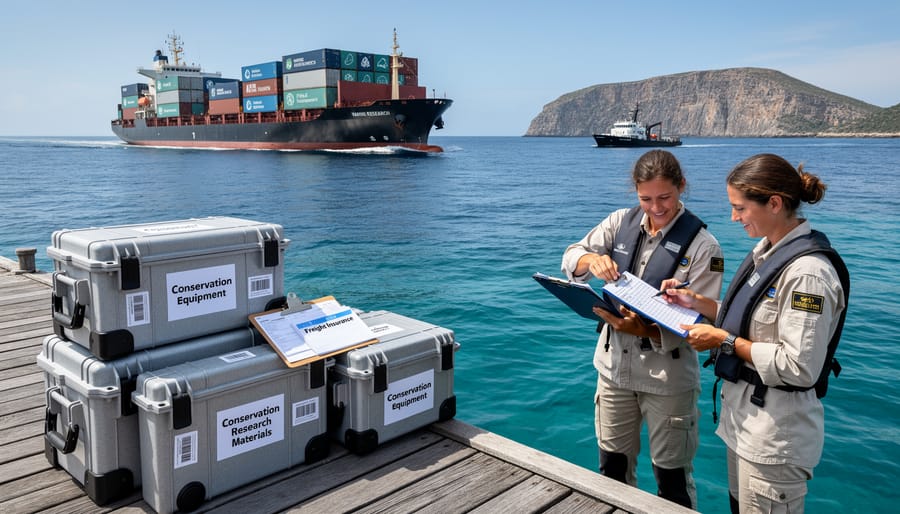
Freight insurance forms the logistical backbone of conservation work, protecting the specialized equipment and precious cargo that make marine research possible. When Dr. Sarah Chen transported ultrasound equipment to study pregnant whale sharks in the Philippines, freight insurance covered the $45,000 worth of delicate instruments against damage during the three-flight journey. Without this protection, many research institutions simply couldn’t afford the risk of shipping essential tools to remote field sites.
This insurance type becomes even more critical during animal rescue operations. When rehabilitation centers transport injured sea turtles or stranded dolphins back to release sites, freight insurance covers both the animals and the life-support equipment keeping them stable during transit. Marine biologist James Rodriguez recalls transporting twelve rehabilitated sea turtle hatchlings from Florida to North Carolina: “The insurance gave us peace of mind that if anything went wrong with our transport vehicle or equipment, we wouldn’t lose months of rehabilitation work.”
Conservation materials like coral fragments for restoration projects, water sampling equipment, and educational materials for coastal communities all depend on reliable freight insurance. For organizations working with tight budgets, knowing their investments are protected allows them to focus resources on actual conservation rather than replacing lost equipment. Many insurance providers now offer specialized rates for non-profit conservation work, recognizing the global importance of protecting our oceans.
Preventing Wildlife Trafficking
Marine insurance documentation creates an unexpected but powerful tool in combating illegal wildlife trafficking. When vessels transport cargo across international waters, they must provide detailed manifests to insurers—and this paperwork trail has become instrumental in identifying suspicious shipments.
Insurance companies increasingly work with conservation organizations and law enforcement to flag anomalies in cargo declarations. For instance, if a fishing vessel’s insured cargo value seems disproportionately high for its stated catch, this can trigger further investigation into potential illegal wildlife transport, such as shark fins, sea turtles, or endangered fish species.
Dr. Marina Chen, a marine biologist who collaborates with insurance investigators, shares: “We’ve helped intercept several shipments of illegally harvested corals and live reef fish by analyzing insurance claims data. The numbers often tell a story that manifests try to hide.”
Modern cargo insurance verification now incorporates conservation databases and species trade monitoring systems. When vessels apply for coverage, insurers can cross-reference their routes and cargo against known trafficking hotspots and protected species lists. This creates a financial deterrent—vessels involved in wildlife trafficking face higher premiums or coverage denial.
You can support these efforts by advocating for stricter insurance transparency requirements in your community. Contact your local representatives to encourage policies requiring insurers to share suspicious activity reports with wildlife enforcement agencies, strengthening the net against ocean wildlife crime.
The Future: Innovative Insurance Models for Marine Protection
Parametric Insurance for Coral Reefs
Parametric insurance represents one of the most exciting innovative financial mechanisms protecting coral reef ecosystems today. Unlike traditional insurance that requires lengthy damage assessments, parametric policies automatically trigger payments when predetermined environmental conditions occur, such as water temperatures exceeding bleaching thresholds or hurricane wind speeds reaching specified levels.
The Mesoamerican Reef in Mexico pioneered this approach in 2019, creating the world’s first parametric insurance policy for a coral reef. When Hurricane Delta struck in 2020, the policy paid out $850,000 within weeks, enabling immediate reef restoration efforts. Marine biologist Dr. Maria Santos, who participated in the emergency response, recalls the difference this made: “Instead of waiting months for funding approval, our teams were clearing debris and stabilizing broken coral colonies within days. Every hour counts for coral survival.”
These policies work by using objective triggers like satellite sea surface temperature data or hurricane category ratings. When conditions breach the threshold, funds release automatically to pre-approved restoration teams. This speed is critical because damaged coral has only a narrow window for successful reattachment and recovery.
Conservation organizations can now purchase these policies alongside communities dependent on reef tourism and fisheries, creating shared protection for both ecosystems and livelihoods.
How You Can Support These Innovations
Understanding these insurance mechanisms is just the beginning—real change happens when individuals like you take action. You can advocate for conservation-linked insurance by supporting organizations that prioritize environmental protection in their maritime operations. Look for companies that transparently share their conservation commitments and consider these practices when making consumer choices about seafood, shipping, and marine tourism.
Join our volunteer programs to contribute directly to the marine research that informs these insurance models. Our center offers opportunities ranging from citizen science data collection to beach cleanups that document coastal health—information that helps insurers assess environmental risks more accurately. Marine biologist Dr. Sarah Chen shares, “Volunteers help us gather crucial baseline data on marine populations, which strengthens the case for conservation incentives in insurance policies.”
Educators can integrate these concepts into curriculum, helping students understand how financial systems can drive environmental protection. Share articles and research about conservation-linked insurance on social media to raise awareness within your networks. Contact your representatives to support policies that encourage insurance companies to adopt conservation-focused practices.
Every action creates ripples. Whether you’re documenting marine life during weekend dives, supporting sustainable fisheries through purchasing decisions, or simply spreading awareness, you’re contributing to a movement that proves ocean protection and economic viability can thrive together.
Understanding these four types of ocean marine insurance—hull and machinery, cargo, freight, and liability—reveals something remarkable: the same financial tools that have protected commercial shipping for centuries can now safeguard our oceans’ future. When research vessels carrying vital monitoring equipment are insured against loss, when cargo policies cover sustainable seafood shipments, when liability coverage protects organizations restoring coral reefs, we’re witnessing economic instruments becoming conservation allies.
This alignment isn’t theoretical. Marine biologist Dr. Sarah Chen, who has spent fifteen years studying Pacific reef systems, shares her perspective: “Insurance allowed our team to undertake fieldwork in challenging conditions, knowing our equipment and data were protected. Without that security, many critical research expeditions simply wouldn’t happen.” Her story reflects a broader truth—financial protection enables environmental action.
The intersection of commerce and conservation creates opportunities we’re only beginning to explore. As more organizations recognize that protecting marine ecosystems also protects their investments, insurance becomes a bridge between economic stability and environmental stewardship. This synergy demonstrates that caring for our oceans doesn’t require choosing between financial responsibility and ecological values.
Your engagement makes this vision tangible. Whether you’re an educator seeking to integrate these concepts into curriculum, a student exploring marine conservation careers, or simply someone passionate about ocean health, the Marine Biodiversity Science Center offers pathways for involvement. Join our e-network to receive updates on conservation initiatives, volunteer opportunities aboard research vessels, and collaborative projects where your skills contribute directly to marine protection. Together, we’re proving that economic tools and environmental preservation aren’t opposing forces—they’re partners in creating resilient, thriving oceans for generations to come.

jessica
Ava Singh is an environmental writer and marine sustainability advocate with a deep commitment to protecting the world's oceans and coastal communities. With a background in environmental policy and a passion for storytelling, Ava brings complex topics to life through clear, engaging content that educates and empowers readers. At the Marine Biodiversity & Sustainability Learning Center, Ava focuses on sharing impactful stories about community engagement, policy innovations, and conservation strategies. Her writing bridges the gap between science and the public, encouraging people to take part in preserving marine biodiversity. When she’s not writing, Ava collaborates with local initiatives to promote eco-conscious living and sustainable development, ensuring her work makes a difference both on the page and in the real world.