Marine Biodiversity Science Center


Across the shimmering waves of our world’s oceans lies a treasure more valuable than any sunken galleon: intergenerational knowledge passed down through centuries of careful observation and lived experience. From the Arctic’s ice floes to the tropical Pacific atolls, indigenous communities have cultivated a profound understanding of marine ecosystems, developing sophisticated methods of sustainable resource management that modern science is only beginning to fully appreciate.
This ancient wisdom, transmitted from elders to youth through stories, songs, and hands-on practice, represents an invaluable bridge between traditional ecological knowledge and contemporary conservation efforts. For generations, coastal communities have read the subtle language of tides, tracked fish migrations, and maintained delicate ecological balances through practices refined over countless seasons.
Today, as our oceans face unprecedented challenges from climate change and overfishing, this intergenerational knowledge offers crucial insights for marine conservation. By combining traditional wisdom with modern scientific methods, we’re discovering innovative solutions to protect marine biodiversity and ensure sustainable fisheries for future generations. The convergence of ancestral understanding and contemporary research creates a powerful framework for ocean stewardship that honors both scientific rigor and cultural heritage.
The Living Library of Ocean Knowledge
Traditional Navigation and Ocean Reading
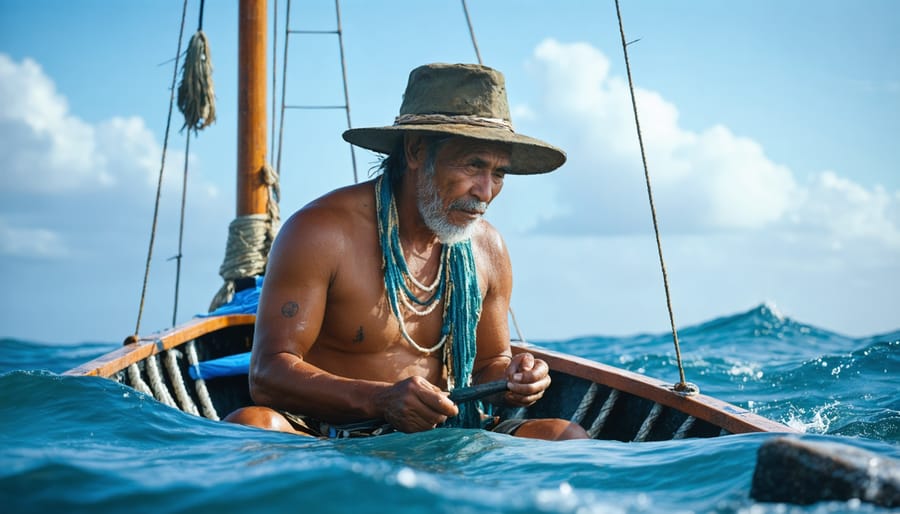
The Pacific Islanders’ traditional seafaring knowledge represents one of humanity’s most sophisticated systems of environmental observation. For generations, Pacific navigators have read the ocean’s subtle signs – from wave patterns and cloud formations to the behavior of seabirds and marine life – to guide their vessels across vast expanses of water.
These skilled navigators can detect the presence of nearby islands by observing how ocean swells reflect and refract around land masses. They understand the seasonal patterns of stars, winds, and currents, knowledge that has been carefully passed down through specialized training and oral traditions. This expertise includes identifying specific wave patterns that indicate proximity to land, recognizing cloud formations that gather over islands, and tracking the flight paths of birds that nest on shore.
The precision of this knowledge system is remarkable – experienced navigators can determine their position and direction without modern instruments, using instead a mental compass rose based on star paths, wind directions, and ocean swells. This sophisticated understanding of marine environments continues to inform modern navigation and conservation practices, demonstrating the enduring value of indigenous maritime wisdom.
Seasonal Patterns and Marine Species Behavior
Indigenous communities have developed sophisticated understanding of marine species behavior through generations of careful observation and experience. Their knowledge encompasses detailed insights into seasonal migration patterns, breeding cycles, and feeding behaviors of various marine species. This understanding has been particularly valuable in predicting the movement of commercially important fish species and marine mammals.
For example, many Pacific Island communities can predict the arrival of certain fish species based on subtle environmental cues, such as changes in wind patterns, ocean currents, and the blooming of specific coastal plants. This knowledge extends to understanding how lunar cycles affect marine life, including spawning times for various fish species and the best periods for sustainable harvesting.
Traditional knowledge also includes detailed observations of marine mammal behavior, such as whale migration routes and seasonal feeding grounds. Many indigenous communities have developed specialized fishing techniques that align with these natural cycles, ensuring sustainable harvest while maintaining ecosystem balance. This seasonal understanding has proven invaluable for modern marine conservation efforts, helping scientists better understand long-term patterns in marine species behavior and adaptation to environmental changes.
Knowledge Transfer Methods
Oral Traditions and Storytelling
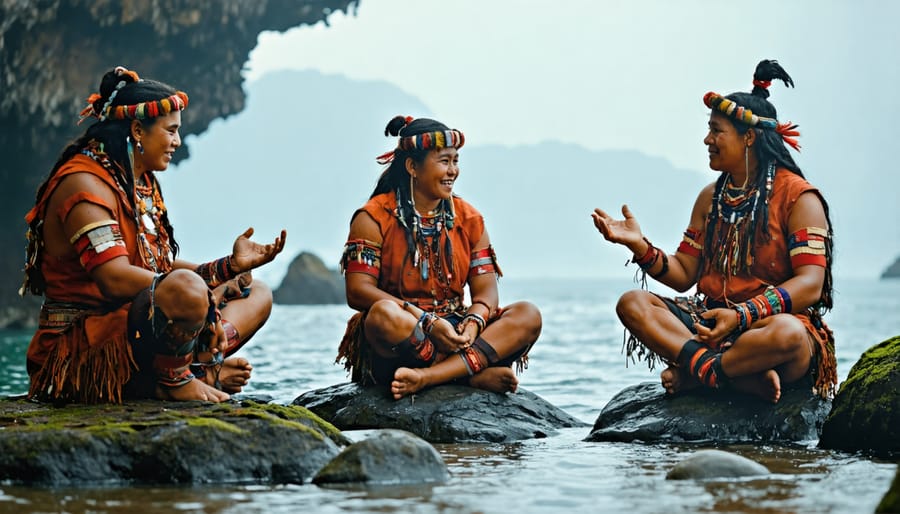
Oral traditions and storytelling serve as vital vessels for transmitting marine knowledge across generations in coastal communities worldwide. These narratives, often passed down through ceremonies, songs, and tales, contain detailed information about marine species behavior, migration patterns, and sustainable fishing practices that have been refined over centuries of observation and experience.
In many Indigenous communities, storytelling sessions are carefully structured events where elders share their expertise with younger generations. These stories often incorporate practical knowledge about navigation, weather patterns, and fishing techniques within engaging narratives that capture listeners’ attention while conveying crucial survival skills and environmental stewardship principles.
For example, Pacific Island communities use traditional chants that describe ocean currents, star patterns, and fish aggregation sites. These oral maps have proven remarkably accurate when compared with modern scientific data, demonstrating the precision of knowledge preserved through storytelling. Similarly, Aboriginal Australian dreamtime stories often contain detailed information about marine species’ breeding cycles and habitat preferences.
Modern marine conservation efforts increasingly recognize the value of these oral traditions. When documented and integrated with scientific research, these stories provide historical baseline data about marine ecosystems and species abundance. They also offer insights into successful long-term resource management practices that have helped communities maintain healthy marine environments for generations.
The preservation of these oral traditions is now seen as crucial for both cultural heritage and marine conservation, with many organizations working to record and protect these invaluable knowledge systems for future generations.
Practical Learning and Mentorship
Traditional knowledge transfer in marine communities relies heavily on hands-on learning experiences, where younger generations work alongside experienced elders in real-world settings. This practical approach combines observation, guided practice, and direct mentorship, creating a dynamic learning environment that extends beyond theoretical understanding.
In many coastal communities, young learners begin their education by accompanying elders during fishing expeditions, learning to read weather patterns, identify marine species, and understand tidal cycles through direct experience. This apprenticeship model allows mentors to demonstrate sustainable fishing practices, traditional navigation techniques, and ecosystem management strategies while sharing stories and cultural context that deepen understanding.
The mentorship process often follows a structured progression, beginning with simple tasks and gradually advancing to more complex skills. For example, young apprentices might start by learning basic net repair techniques before advancing to understanding optimal fishing locations and seasons. This step-by-step approach ensures thorough comprehension and skill development while maintaining safety and resource sustainability.
Modern indigenous education programs increasingly incorporate these traditional mentorship methods alongside contemporary scientific approaches. Some communities have established formal apprenticeship programs that pair experienced practitioners with young learners, creating structured opportunities for knowledge transfer while adapting to current environmental challenges and conservation needs. These programs often emphasize the importance of hands-on experience in developing both practical skills and a deep connection to marine ecosystems.
Modern Applications in Marine Conservation
Sustainable Fishing Practices
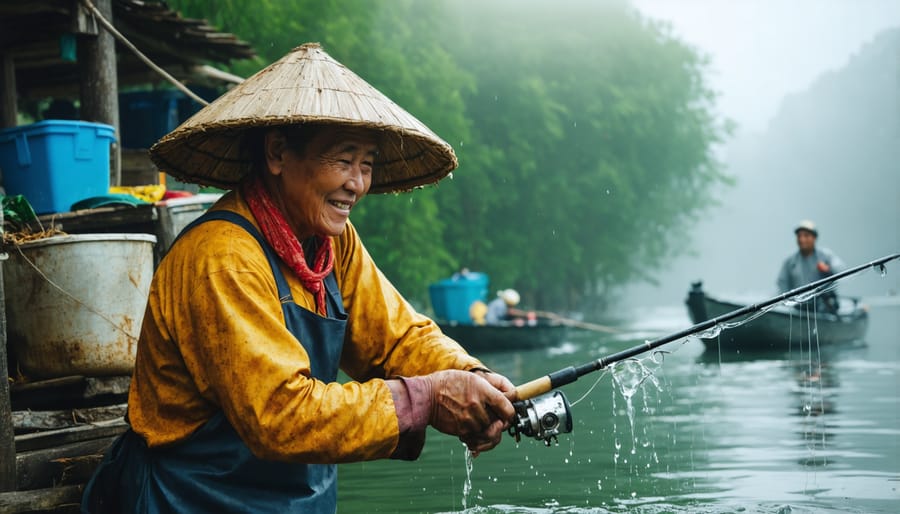
Traditional fishing practices, passed down through generations, offer valuable insights into sustainable marine resource management. Indigenous communities worldwide have developed sophisticated methods that maintain fish populations while supporting their livelihoods. These time-tested approaches often incorporate lunar cycles, seasonal migration patterns, and detailed understanding of marine species’ behavior.
In many Pacific Island communities, traditional fishing calendars indicate optimal times for harvesting specific species, preventing overfishing during breeding seasons. The Hawaiian practice of kapu, a system of restrictions and permissions, demonstrates how cultural practices can effectively regulate fishing activities and protect marine resources.
Modern marine conservation efforts increasingly recognize the value of these ancestral methods. For example, the traditional Pacific Island practice of establishing temporary no-fishing zones aligns with contemporary marine protected area strategies. Similarly, traditional knowledge about fish aggregation patterns helps inform current conservation policies and fishing quotas.
Indigenous fishing techniques often emphasize selective harvesting, using specific gear types that minimize bycatch and habitat damage. The traditional use of hand-woven nets with precise mesh sizes ensures only mature fish are caught, allowing juvenile populations to thrive. These methods contrast sharply with industrial-scale fishing practices that can devastate marine ecosystems.
The integration of traditional knowledge with modern scientific approaches creates more effective conservation strategies. Marine biologists working alongside indigenous communities have documented how traditional practices maintain biodiversity while ensuring sustainable yields. This collaboration between generations and cultures represents a powerful tool for preserving our oceans’ health for future generations.
Ecosystem Management
Indigenous communities have long practiced sophisticated ecosystem management techniques, particularly in marine environments. These approaches, refined over generations, demonstrate a deep understanding of ecological interconnections and sustainable resource management. Traditional practices often involve rotational fishing grounds, seasonal harvesting restrictions, and the protection of specific marine areas during crucial breeding periods.
Many coastal indigenous communities maintain detailed knowledge of fish migration patterns, spawning cycles, and the relationships between different marine species. This understanding allows them to establish effective conservation zones and implement harvesting practices that ensure long-term ecosystem health. For example, Pacific Island communities traditionally designate certain reef areas as “tapu” or sacred, creating natural marine reserves that help maintain fish populations and coral reef health.
The integration of spiritual beliefs with practical conservation measures creates a holistic approach to ecosystem management. Communities often view themselves as stewards rather than owners of marine resources, fostering a deep sense of responsibility for maintaining ecological balance. This perspective has proven particularly valuable in modern conservation efforts, where traditional knowledge complements scientific research.
Contemporary marine management programs increasingly recognize the value of indigenous approaches. Several successful conservation initiatives now incorporate traditional ecological knowledge alongside modern scientific methods. This synthesis has led to more effective and culturally appropriate conservation strategies, particularly in regions where indigenous communities maintain strong connections to their ancestral waters.
Scientists and conservation managers are now documenting and applying these time-tested practices to address current marine conservation challenges, creating a bridge between ancient wisdom and modern environmental stewardship.
Bridging Traditional and Scientific Knowledge
The convergence of traditional ecological knowledge and modern scientific methods represents a powerful approach to marine conservation. Integrating indigenous wisdom with modern science has proven particularly effective in understanding complex marine ecosystems and developing sustainable management practices.
Indigenous communities have accumulated detailed knowledge about local marine species, migration patterns, and ecosystem dynamics through centuries of observation and experience. This knowledge often includes subtle environmental indicators and interconnections that might be overlooked by conventional scientific methods. For example, traditional Pacific Islander navigation techniques incorporate understanding of ocean currents, wave patterns, and marine life behavior that complement modern oceanographic data.
Marine biologists and conservation scientists increasingly recognize the value of working collaboratively with indigenous knowledge holders. This partnership approach has led to several successful conservation initiatives worldwide. In Australia’s Great Barrier Reef, traditional sea country management practices of Aboriginal and Torres Strait Islander peoples have been incorporated into marine park management strategies, resulting in more effective species protection and habitat restoration efforts.
The bridging process involves careful documentation of traditional knowledge, validation through scientific methods, and development of integrated conservation approaches that respect both knowledge systems. Digital technologies now play a crucial role in this process, allowing communities to record and share their knowledge while maintaining control over sensitive cultural information.
This collaborative approach has multiple benefits: it enhances our understanding of marine ecosystems, improves conservation outcomes, and helps preserve valuable cultural knowledge for future generations. It also addresses historical inequities by acknowledging indigenous communities as equal partners in marine conservation efforts.
The success of this integration depends on building trust, maintaining respectful dialogue, and recognizing the validity of different ways of knowing. Modern marine conservation projects increasingly incorporate traditional knowledge holders in research design, data collection, and decision-making processes, creating a more holistic and effective approach to protecting our oceans.
The preservation and integration of indigenous marine knowledge represents a crucial bridge between ancestral wisdom and modern conservation efforts. This traditional ecological knowledge, accumulated over countless generations, offers unique insights into sustainable marine resource management and ecosystem protection that complement scientific approaches. By incorporating indigenous perspectives into conservation strategies, we create more comprehensive and culturally sensitive solutions to marine environmental challenges.
The success stories from various coastal communities worldwide demonstrate how traditional knowledge can enhance our understanding of marine ecosystems and improve conservation outcomes. From the Pacific Islands’ traditional fishing practices to the Aboriginal Australian sea country management techniques, these time-tested approaches provide valuable lessons for contemporary ocean stewardship.
Looking ahead, it’s essential to create more opportunities for indigenous knowledge holders to participate in marine conservation planning and implementation. This includes supporting indigenous-led conservation initiatives, establishing collaborative research programs, and ensuring that traditional knowledge is properly documented and shared with future generations. By fostering this integration, we not only preserve invaluable cultural heritage but also strengthen our collective ability to protect and restore our oceans for generations to come.

jessica
Ava Singh is an environmental writer and marine sustainability advocate with a deep commitment to protecting the world's oceans and coastal communities. With a background in environmental policy and a passion for storytelling, Ava brings complex topics to life through clear, engaging content that educates and empowers readers. At the Marine Biodiversity & Sustainability Learning Center, Ava focuses on sharing impactful stories about community engagement, policy innovations, and conservation strategies. Her writing bridges the gap between science and the public, encouraging people to take part in preserving marine biodiversity. When she’s not writing, Ava collaborates with local initiatives to promote eco-conscious living and sustainable development, ensuring her work makes a difference both on the page and in the real world.