Marine Biodiversity Science Center

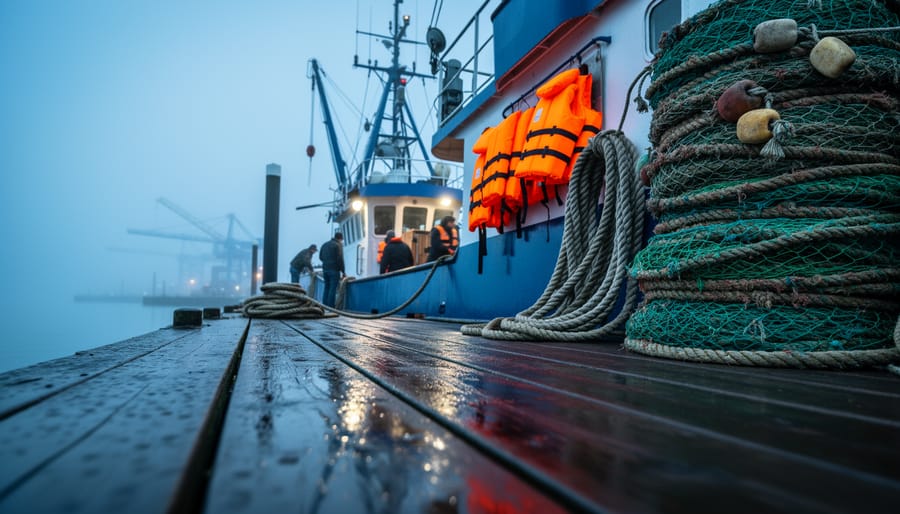
US labor rights for marine workers come from a patchwork of federal laws, not one comprehensive code. Commercial fishers, seafood processors, deckhands, and dockside crews are covered by a mix of maritime law, workplace safety rules, wage statutes, and anti-trafficking protections, and the strength of each layer depends on the job, the vessel, and where the work happens.
That patchwork matters. Commercial fishing consistently ranks among the most dangerous occupations in the country, and seafood processing plants bring their own risks: cold, repetitive motion, wet floors, and long shifts timed to the catch. Some of the people doing this work are exempt from rules most land-based workers take for granted, including certain overtime protections. Others live and work far from shore, where reporting a problem isn’t simple.
This article explains who counts as a marine worker, which US legal frameworks apply in plain language, and where the gaps remain. It also makes a case that reaches beyond the dock. The seafood on our plates travels through supply chains that connect fair treatment of crews to the health of fisheries themselves. Workers who are safe, paid fairly, and free to speak up are the ones best placed to report illegal catches, protect fragile stocks, and keep ocean harvests sustainable.
The picture isn’t all difficult news. Awareness is growing, advocates are organizing, and ordinary people have real ways to help, from supporting traceable seafood to joining community volunteer efforts. Let’s start with who these workers are and what protects them.
Who Works on the Water? Understanding America’s Marine Workforce
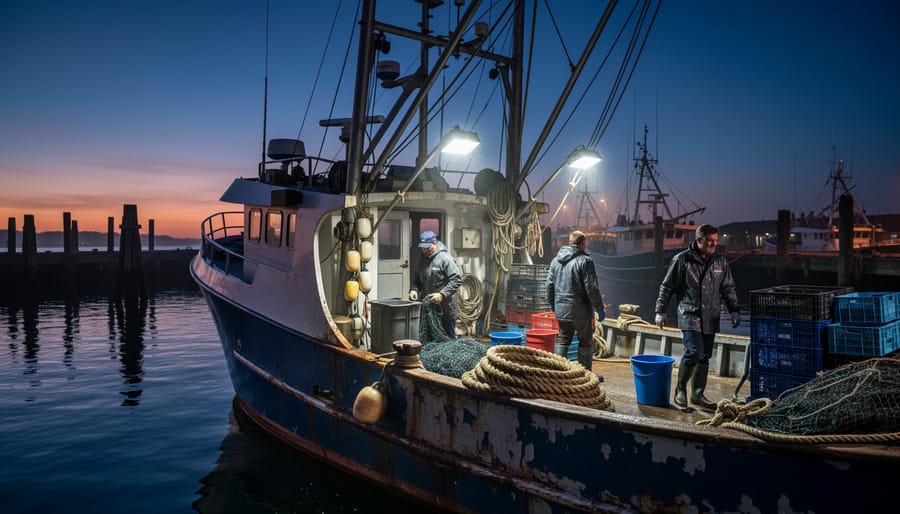
Life on a Fishing Vessel and in a Processing Plant
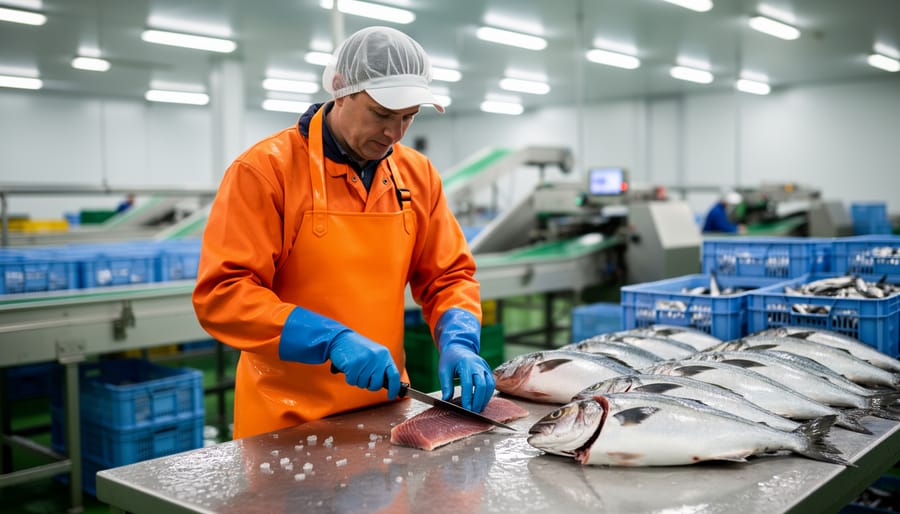
Picture a deckhand hauling gear in cold spray, hours into a shift that started before sunrise. Fishing trips can stretch for days or weeks, and the work doesn’t stop for rest the way a typical office day does. Winches, nets, hooks, and heavy loads are part of the routine, and the deck is often slick and moving. Processing plants bring a different set of conditions: cold, wet rooms, fast-moving lines, sharp blades, and repetitive motions repeated for long shifts.
The people doing this work fill a range of roles:
- Deckhands set, haul, and sort fishing gear aboard vessels.
- Seafood processors clean, cut, and pack the catch in plants.
- Aquaculture crews tend farmed fish and shellfish in pens, ponds, and beds.
- Dockworkers unload boats and move product through ports.
What ties these jobs together is distance from public view. A vessel working far offshore has no neighbors to notice a problem, and a crew may be out of cell range for much of a trip. Processing plants are often in small coastal towns, with seasonal rushes that bring in temporary staff. Inspectors cannot be everywhere at once, and a boat at sea is far harder to check than a workplace down the street. That gap in visibility is a big reason oversight in marine work is more challenging than in many land-based industries.
Why Worker Wellbeing and Ocean Health Are Linked
Conservation rules only work when the people carrying them out can follow them. A crew that is exhausted, underpaid, or afraid of losing its job has little room to prioritize careful fishing, and the ocean often feels the consequences.
Consider how this plays out in practice. Fair pay and predictable income reduce the pressure to chase every last fish, which can mean fishing in closed areas or keeping undersized catch. Safe working conditions and adequate rest help crews handle gear carefully, release protected species properly, and avoid the rushed mistakes that cause accidental bycatch.
Accurate reporting matters just as much. Scientists set catch limits using data collected by fishers and observers, and that data is only as reliable as the trust behind it. Workers who can speak up without fear of retaliation are more likely to report honestly, and crews who feel respected are more willing to cooperate with observers and sustainability programs.
Stable livelihoods also build a long-term stake in healthy fish populations. When a fishing job offers a secure future, the people doing it have every reason to protect the stocks they depend on. Seen this way, labor rights are not a side issue. They are one of the quiet foundations of effective ocean stewardship.
The US Laws That Protect Marine Workers
Safety and Wage Protections
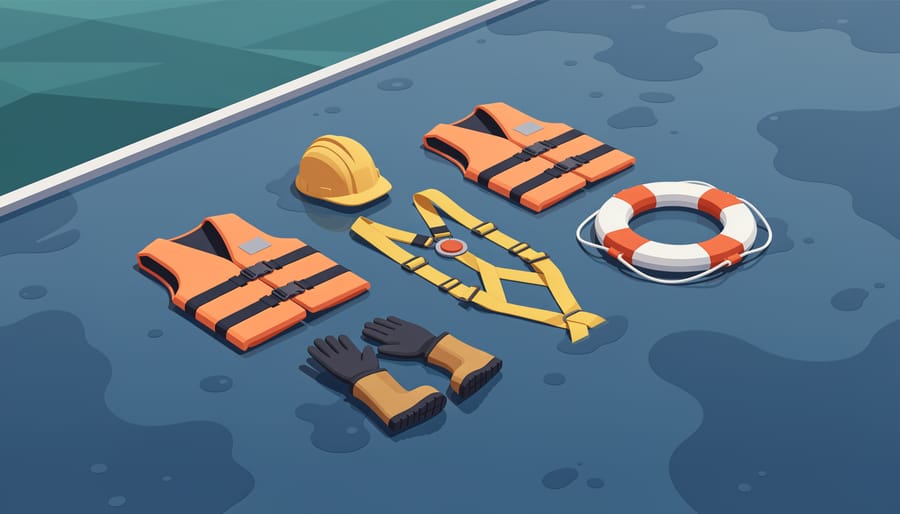
Safety and wage rules look different depending on whether a worker stands on a deck or a processing line. Onshore seafood processors generally fall under standard federal workplace protections, including safety inspections and minimum wage and overtime standards. Vessel crews are treated differently. Many commercial fishing jobs are exempt from federal overtime requirements, and vessel safety is overseen mainly by the US Coast Guard, which sets requirements for life-saving gear, safety training, and emergency equipment on many fishing vessels and conducts dockside examinations.
| Law or Framework | What It Covers | Who It Generally Applies To |
|---|---|---|
| Fair Labor Standards Act | Minimum wage, overtime, and recordkeeping | Most onshore processing workers; many fishing jobs are exempt from some provisions |
| Occupational Safety and Health Act | Workplace hazard standards and inspections | Processing plants and docks; vessel safety is largely handled by the Coast Guard |
| Jones Act and seaman status | Injury claims and maritime remedies for crew | Workers who qualify as seamen on vessels |
Because the rules shift with job type and location, a deckhand and a plant worker handling the same catch may have quite different protections. Understanding that split is the first step toward seeing where the system works well and where it leaves room for improvement.
Protections Against Forced Labor and Trafficking
Federal law gives several tools for tackling forced labor and human trafficking. The Trafficking Victims Protection Act makes it a crime to compel someone to work through force, fraud, or coercion, and it applies to vessels and processing plants just as it does to any other workplace. On the trade side, Section 307 of the Tariff Act bars imports made with forced labor, and U.S. Customs and Border Protection can detain shipments it suspects are tainted. You can read more about these forced labor laws and authorities on the agency’s website.
Seafood has drawn particular attention because supply chains are long and often cross many borders. A single fillet may pass through boats, transshipment vessels, and processors in several countries before reaching a grocery shelf. That distance, combined with long stretches at sea, can make it harder to see how workers are treated. Greater transparency is helping close that gap.
How Fisheries Management Fits In
Fisheries law was built first and foremost to protect fish. In the United States, the Magnuson-Stevens Fishery Conservation and Management Act guides how stocks are monitored, how catch limits are set, and how overfishing is prevented. These rules shape when boats can fish, what they can keep, and how much they can bring ashore. They were never designed to set wages, rest hours, or crew protections.
Still, the two worlds touch more than you might expect. Catch limits and seasonal closures can compress fishing into short, intense windows, which affects how long crews work and how much they earn. Meanwhile, observers and onboard monitors gather data that sustainability decisions depend on, and their work is easier when conditions on board are safe and fair. That is one reason the balance between traditional fishing and ocean conservation matters so much.
A growing number of scientists and seafood groups now argue that sustainability should include people as well as populations, measuring the wellbeing of workers alongside the health of stocks.
Where Protections Fall Short
Even with a layered set of federal rules, protections for marine workers do not reach everyone equally, and understanding why is the first step toward closing the gaps.
One challenge is that some categories of fishing work are treated differently under US law. Certain federal wage and overtime standards, for example, include exemptions for people employed in fishing and in the first processing of aquatic products. That means a deckhand and a worker in a shoreside plant may be covered by quite different protections, even when both are handling the same catch. The patchwork can leave workers and employers unsure which rules apply to a particular job.
Enforcement is another hurdle. Inspectors can visit a processing plant on land fairly easily, but a vessel may spend days or weeks far offshore, where routine oversight is hard to arrange. Small crews on remote boats can go long stretches without anyone outside the operation seeing how work is carried out. This is rarely about bad intent. It is largely a matter of geography and logistics.
Communication matters too. Many seafood and fishing crews include workers whose first language is not English, and safety training, contracts, and rights information are not always available in a language they read comfortably. When workers cannot easily understand their rights, they may not know that a concern is worth raising, or that a protection exists at all.
Finally, reporting channels can be difficult to reach. A worker at sea may have limited phone or internet access, and those who rely on a single employer for income and housing may worry about what speaking up could mean for their livelihood. Even where reporting systems exist, awareness of them can be uneven.
None of these gaps are permanent. Naming them clearly helps agencies, industry groups, and communities focus on practical improvements, from clearer multilingual information to better access to support services.
Marine Labor Rights and Social Justice: Why Fair Work Supports Healthy Oceans
Healthy oceans and fair work are not competing priorities. They grow from the same roots. When a deckhand, a processing worker, or a harbor crew member can count on safe conditions and honest pay, the whole seafood system gets steadier, and so does the ocean it depends on.
Consider how this plays out in a coastal town. A fisher who earns a stable living has less pressure to cut corners, take dangerous risks, or push past catch limits just to cover the bills. Workers who feel respected are also more likely to report accurately, speak up about problems, and follow the rules designed to protect fish stocks. Fairness at the dock quietly supports good science at sea.
The benefits ripple outward, too. Many conservation efforts succeed because they work alongside local communities instead of around them. Communities that depend on the water have deep knowledge of its seasons and species, and they are often the first to notice when something changes. When their livelihoods are secure, they become some of the strongest partners in protecting marine life.
Economic diversity matters as well. Places that blend fishing with other marine-based work, including coastal tourism, can offer more ways for people to earn a fair living while easing pressure on any single fishery. Done thoughtfully, this kind of variety helps both families and ecosystems stay resilient.
A truly responsible seafood system needs thriving species and thriving people at the same time. Abundant fish matter little if the people who bring them to shore are overworked or overlooked, and fair labor matters little if the stocks have collapsed. The encouraging part is that progress on one front tends to strengthen the other. Every step toward safer, fairer work on the water is also a step toward a healthier ocean.
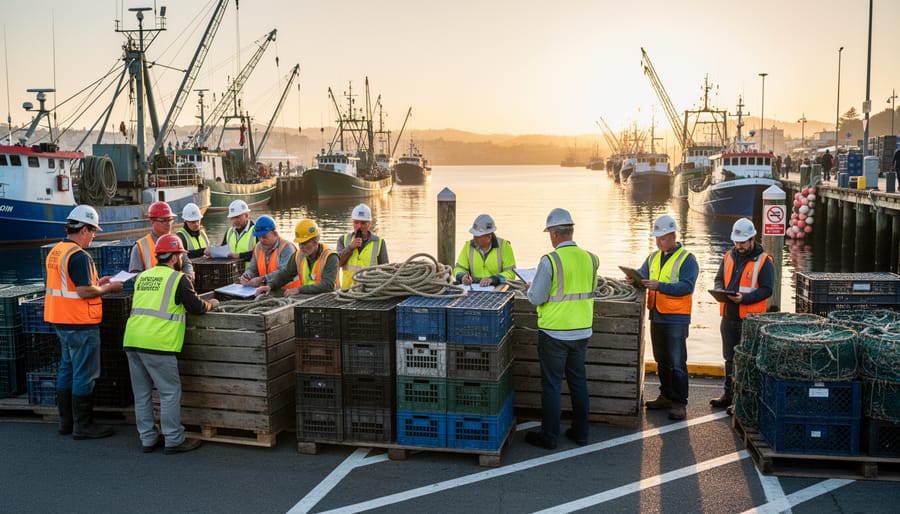
How You Can Help: Small Actions, Real Impact
Understanding the people behind our seafood is a great start, but the real momentum comes when we turn that knowledge into everyday choices. You don’t need a boat or a law degree to make a difference. Small, steady actions add up, especially when many of us take them together.
Here is a simple path you can follow, one step at a time:
- Ask where your seafood comes from. At the fish counter or on a restaurant menu, ask how it was caught or farmed and who handled it. Even a friendly question signals that shoppers care.
- Look for sustainability and fair-labor certifications, and favor suppliers who openly share how their products reach you. Transparency is often a good sign.
- Stay informed through reputable sources, such as scientific institutions, established conservation groups, and trusted news outlets that cover fisheries and coastal communities.
- Share what you learn with friends, family, classmates, or your social networks. Conversations are how awareness spreads.
- Join the Marine Biodiversity Science Center’s volunteer programs to take part in hands-on education and conservation efforts.
- Sign up for our online e-network to connect with fellow ocean enthusiasts, scientists, and educators who are working toward the same goals.
None of these steps asks for perfection. Maybe you start by asking a single question at your next dinner out, or by reading one article a week. Each choice helps build a culture where fair treatment and healthy oceans are seen as part of the same story.
It also helps to remember that conservation has always been a team effort. Many ocean groups are showing that protecting marine life and supporting workers and coastal families can go hand in hand, and community members like you are a big part of that success.
If you’re ready to take the next step, we’d love to welcome you. Our volunteers and e-network members come from all walks of life, from students to seasoned scientists, and everyone brings something valuable. Together, we can help make sure the ocean thrives alongside the people who depend on it.
The next time you sit down to a seafood meal, remember that two stories arrived on your plate: one about a fish or shellfish, and one about the people who caught, processed, and delivered it. The ocean’s future depends on both. Healthy fish stocks need fishers who can work safely, report honestly, and plan for the long term. Strong, fair workplaces, in turn, depend on healthy waters that can keep supporting coastal livelihoods.
The encouraging part is that change tends to start with ordinary curiosity. Every question about where seafood comes from, every informed purchase, and every conversation that spreads understanding adds to a broader culture of care for the sea and those who work on it.
You don’t have to take part alone. Join the Marine Biodiversity Science Center community through our volunteer programs and online e-network, and help build an ocean future that works for wildlife and people alike.

jessica
Ava Singh is an environmental writer and marine sustainability advocate with a deep commitment to protecting the world's oceans and coastal communities. With a background in environmental policy and a passion for storytelling, Ava brings complex topics to life through clear, engaging content that educates and empowers readers. At the Marine Biodiversity & Sustainability Learning Center, Ava focuses on sharing impactful stories about community engagement, policy innovations, and conservation strategies. Her writing bridges the gap between science and the public, encouraging people to take part in preserving marine biodiversity. When she’s not writing, Ava collaborates with local initiatives to promote eco-conscious living and sustainable development, ensuring her work makes a difference both on the page and in the real world.