Marine Biodiversity Science Center

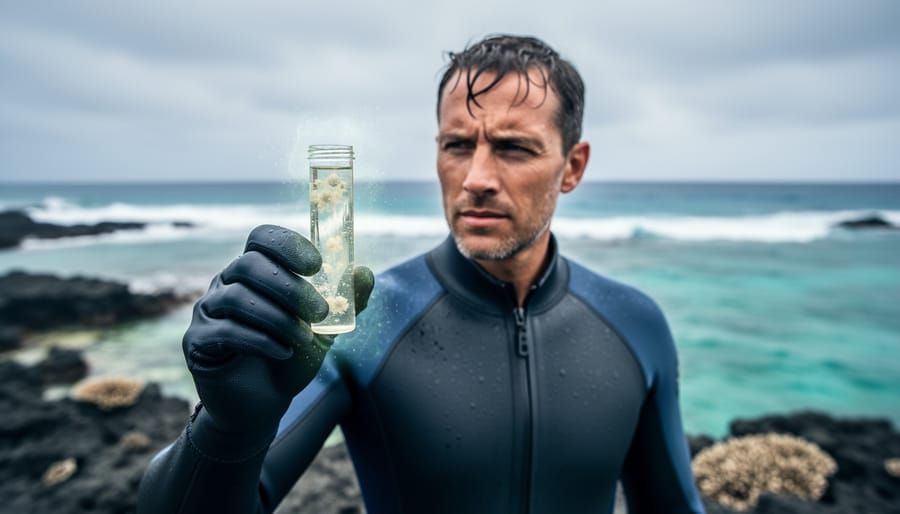
The Journal of Antimicrobial Chemotherapy (JAC) is a peer-reviewed scientific publication that advances research on antibiotics, antifungal agents, and drug resistance, and its findings now reach far beyond hospital walls into the world’s oceans. What began as a medical journal focused on human health has become unexpectedly vital to marine conservation. Antimicrobial resistance, once considered solely a clinical problem, now threatens marine ecosystems as agricultural runoff, aquaculture operations, and wastewater treatment facilities release resistant bacteria and pharmaceutical compounds directly into coastal waters.
For marine scientists and conservationists, understanding JAC’s research has become essential. The journal documents how antibiotics accumulate in sediments, how resistance genes spread through marine food webs, and how these changes affect everything from coral reef health to fish populations that millions of people depend on for food. A 2025 study published in JAC revealed that antibiotic-resistant bacteria now appear in 78% of tested coastal sediment samples worldwide, a statistic that carries profound implications for both marine biodiversity and human health.
This connection exemplifies One Health, the recognition that human, animal, and environmental health are inseparably linked. When resistant bacteria develop in hospitals or farms, they don’t stay confined. Ocean currents carry them across continents. Marine species consume them. Eventually, they circle back to affect human populations through seafood consumption and recreational water contact.
This article explains what the Journal of Antimicrobial Chemotherapy covers, how antimicrobial research connects to marine conservation, and what types of studies matter most to those protecting ocean health. You’ll discover why medical journals now belong on every marine biologist’s reading list and how citizen scientists can contribute to monitoring efforts that track this emerging threat.
What the Journal of Antimicrobial Chemotherapy Covers
The Journal of Antimicrobial Chemotherapy, commonly called JAC, is a peer-reviewed scientific journal that has published cutting-edge research on antimicrobial drugs and resistance since 1975. The journal serves as a primary source for scientists, physicians, and researchers studying how antibiotics, antifungals, antivirals, and antiparasitics work, and critically, how microorganisms develop resistance to these treatments.
JAC publishes original research articles, systematic reviews, and clinical guidelines covering everything from laboratory studies of drug mechanisms to real-world treatment outcomes in hospitals. The journal’s scope includes both fundamental science, understanding how antimicrobial compounds kill or inhibit microorganisms at the molecular level, and applied research that directly shapes medical practice worldwide. Since its founding nearly fifty years ago, JAC has maintained rigorous standards for scientific evidence, requiring independent peer review before any study reaches publication.
- Antimicrobials
- Chemical compounds that kill or inhibit the growth of microorganisms, including bacteria, fungi, viruses, and parasites. These drugs form the foundation of modern medicine’s ability to treat infectious diseases.
- Chemotherapy (in context)
- The use of chemical compounds to treat disease, originally coined for cancer treatments but historically encompassing all drug-based therapies including antimicrobials. JAC focuses on chemotherapy against infectious agents rather than cancer.
- Resistance genes
- Genetic sequences that allow microorganisms to survive exposure to antimicrobial drugs through mechanisms like producing drug-destroying enzymes or altering drug targets. These genes can spread between organisms, including marine bacteria.
- Minimum inhibitory concentration
- The lowest concentration of an antimicrobial drug that prevents visible growth of a microorganism in laboratory tests. This measurement helps determine appropriate dosing and whether resistance has developed.
- Pharmacokinetics
- The study of how drugs move through the body, absorption, distribution, metabolism, and elimination. Understanding pharmacokinetics ensures antimicrobials reach infection sites at effective concentrations.
The journal’s global influence extends beyond human medicine. Veterinarians, aquaculture specialists, and environmental scientists increasingly reference JAC research because antimicrobial resistance doesn’t respect boundaries between medical settings, farms, and natural ecosystems. What happens in hospitals today can appear in coastal waters tomorrow, making JAC essential reading for anyone tracking biological threats across environments.
How Antimicrobial Research Works in This Field
Scientists investigating antimicrobial chemotherapy follow a multi-layered process that moves from laboratory bench to patient bedside, and increasingly, to understanding environmental impacts. Rather than testing a single approach, researchers combine complementary methods to build a complete picture of how antimicrobial drugs work, where they fail, and why resistance emerges.
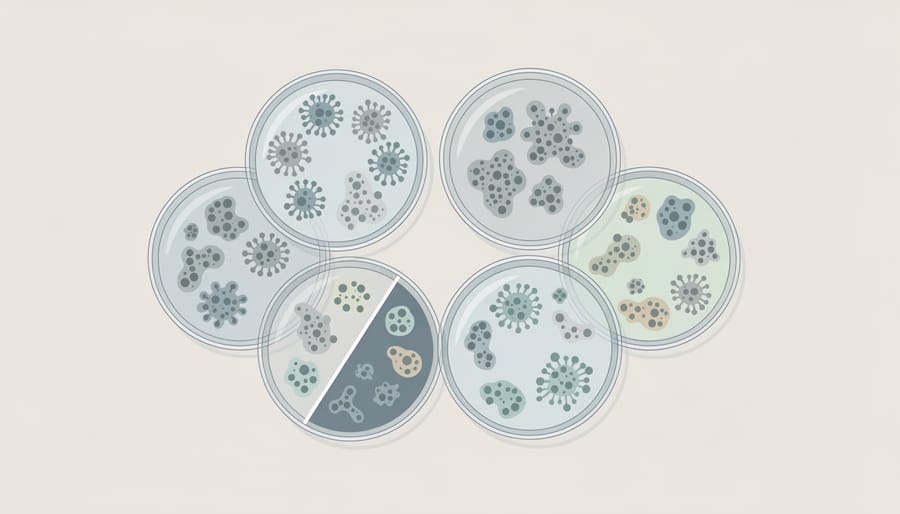
The foundation starts with laboratory susceptibility testing, where microbiologists expose bacterial or fungal cultures to different antimicrobial compounds at varying concentrations. They measure the minimum inhibitory concentration, the lowest drug amount that stops microorganism growth, establishing baseline effectiveness. This seemingly simple test reveals which drugs might work against specific pathogens and provides the first warning when resistance develops. Researchers track these values over time, watching for the creeping increases that signal emerging resistance in bacterial populations.
Key research methods employed across antimicrobial chemotherapy studies include:
- Laboratory susceptibility testing to determine minimum effective drug concentrations
- Genomic sequencing to identify resistance genes and trace their movement between organisms
- Clinical trials comparing treatment outcomes across different drug regimens and patient populations
- Epidemiological surveillance tracking infection patterns and resistance spread through communities and environments
- Pharmacological modeling predicting how drugs distribute through body tissues and how dosing affects treatment success
Genetic analysis has transformed this field. Scientists extract DNA from resistant bacteria, sequence their entire genomes, and pinpoint the exact mutations or acquired genes responsible for drug resistance. This work reveals how bacteria swap resistance genes through plasmids, circular DNA fragments that transfer between cells like molecular flash drives. Tracking these genetic elements shows whether resistance emerged independently or spread from another source, information critical for marine scientists studying how terrestrial resistance genes reach ocean bacteria.
Clinical trials test whether laboratory findings translate to real-world treatment success. Researchers enroll patients with specific infections, administer candidate drugs under controlled conditions, and meticulously document outcomes. They measure cure rates, side effects, treatment duration, and crucially, whether resistance develops during therapy. These trials generate the evidence-based protocols that guide medical practice, and increasingly inform veterinary treatment in aquaculture settings.
Epidemiological surveillance completes the picture by monitoring resistance patterns across populations and geography. Scientists collect bacterial samples from hospitals, communities, livestock farms, and environmental sources like rivers and coastal waters. They analyze thousands of isolates to map resistance hotspots, identify emerging threats, and understand transmission pathways, work that directly connects medical microbiology to marine conservation concerns.
Major Research Areas Published in JAC
Drug Development and Testing
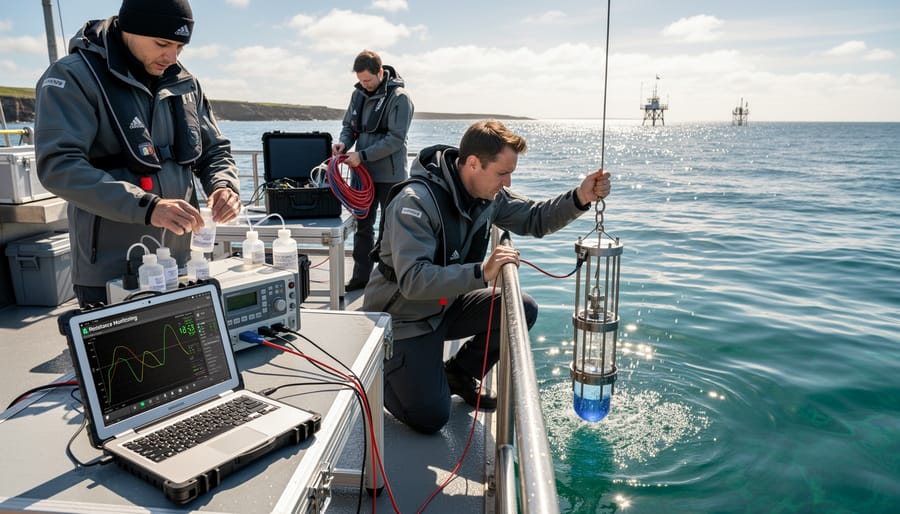
Drug development research in JAC documents the journey from laboratory discovery to clinical application. Scientists test new compounds against resistant bacterial strains, mapping how these drugs bind to specific bacterial proteins or disrupt essential cellular processes. A promising antimicrobial might inhibit cell wall synthesis in methicillin-resistant bacteria or block enzyme pathways that pathogens need to survive.
These studies reveal critical details for marine applications. When researchers identify compounds that degrade slowly in aquatic environments or accumulate in marine tissues, conservationists gain data to predict ecological impacts. Some antimicrobials tested in JAC originate from marine organisms themselves, sponges, corals, and microbes produce chemical defenses that pharmaceutical researchers adapt. Understanding which compounds show efficacy without environmental persistence helps aquaculture operations choose treatments less likely to contaminate coastal waters or trigger resistance in environmental bacteria. This research also connects to marine toxin studies, since certain harmful species like algal blooms produce compounds with antimicrobial properties that scientists investigate for therapeutic potential.
Resistance Mechanisms and Genetics
Bacteria don’t need to mutate slowly to become resistant, they share resistance genes directly with neighbors, even across species. This process, called horizontal gene transfer spreads resistance at alarming speeds in microbial communities. JAC publishes research uncovering how these genetic exchanges work: mobile genetic elements like plasmids carry resistance instructions between cells through conjugation, transformation, and transduction. In marine environments, horizontal gene transfer becomes especially worrying. Ocean waters mix microorganisms from sewage outfalls, aquaculture operations, and natural habitats, creating genetic melting pots where resistance genes jump freely. Studies in the journal track specific resistance mechanisms, enzyme production that breaks down antibiotics, efflux pumps that eject drugs from cells, and altered target sites that drugs can’t recognize. Understanding these genetic pathways helps researchers predict which resistance traits will spread through marine bacterial populations and how they’ll impact ecosystem health and seafood safety.
Clinical Treatment Guidelines
JAC publishes clinical treatment guidelines that translate laboratory research into practical protocols for treating bacterial, fungal, and parasitic infections. These evidence-based recommendations help physicians choose the right drug, determine optimal dosages, and decide treatment duration based on infection type, patient factors, and local resistance patterns.
The guidelines synthesize data from clinical trials, pharmacokinetic studies, and real-world treatment outcomes. For example, JAC might recommend switching from first-line antibiotics to alternative drugs when resistance rates in a region exceed certain thresholds.
These protocols extend beyond human medicine. Veterinary professionals, including those in aquaculture, adapt JAC’s methodologies to treat infections in farmed fish and shellfish. When disease outbreaks threaten salmon farms or shrimp operations, managers consult similar evidence-based frameworks to select appropriate antimicrobials, minimize unnecessary use, and reduce selection pressure for resistant strains. The challenge lies in balancing effective treatment with responsible stewardship, preventing today’s cure from becoming tomorrow’s ineffective drug through overuse or misapplication in any setting.
Epidemiology and Surveillance
Epidemiologists use surveillance networks to map where resistant microbes appear, how quickly they spread, and which populations face the greatest risk. JAC publishes studies that track resistance patterns across hospitals, communities, agricultural settings, and increasingly, natural environments. These surveillance programs collect samples from patients, livestock, wastewater treatment plants, and environmental sites to identify trends before they become crises.
Recent research has expanded surveillance beyond clinical settings to include rivers, coastal waters, and sediments where resistant bacteria accumulate. Scientists monitor prevalence rates, analyze genetic fingerprints to trace transmission routes, and detect emerging resistance genes before they become widespread. This work reveals hotspots where human activity drives resistance, coastal areas near urban centers, aquaculture zones, and river systems downstream from pharmaceutical manufacturing.
For marine ecosystems, surveillance data shows how resistance genes move from terrestrial sources into ocean food webs. Studies document resistant bacteria in shellfish beds, coral mucus, and fish tissues, providing early warning signals that help conservationists understand which coastal areas face the highest contamination risks.
Why Marine Scientists Should Care About This Journal

Antimicrobial resistance doesn’t respect boundaries between land and sea. Research published in JAC reveals patterns that marine scientists increasingly recognize in their own fieldwork, resistant bacteria appearing in pristine ocean waters, infections that no longer respond to standard treatments in aquaculture, and genetic markers of resistance showing up in marine wildlife far from human populations.
The connection starts on land. Hospitals discharge treated wastewater carrying resistant bacteria and pharmaceutical residues. Industrial livestock operations use antimicrobials for growth promotion and disease prevention, with runoff entering rivers that flow to the coast. Even properly treated municipal wastewater releases low concentrations of antibiotics and resistant microorganisms into marine environments. These terrestrial sources create what researchers call “environmental reservoirs”, places where resistance genes persist, spread, and evolve outside clinical settings.
Once in the ocean, these resistance determinants don’t simply disappear. Marine bacteria readily exchange genetic material through horizontal gene transfer, meaning a resistance gene from a human pathogen can jump to native marine species. This process accelerates in nutrient-rich coastal zones where runoff concentrates. The marine disease crisis we’re witnessing isn’t separate from human health challenges, it’s an extension of them.
The impacts cascade through marine ecosystems. Fish farming operations face treatment failures as common fish pathogens develop resistance, forcing higher antibiotic doses that further contaminate surrounding waters. Coral reefs, already stressed by warming and acidification, become more vulnerable to bacterial infections when their microbial partners carry resistance genes that disrupt the delicate symbiotic relationships corals depend on. Filter-feeding organisms concentrate resistant bacteria from the water column, moving resistance genes up the food web to larger predators, including species humans consume.
This interconnectedness defines the One Health approach, the recognition that human, animal, and environmental health are inseparable. JAC research provides the foundational understanding of how resistance develops and spreads, methodologies marine scientists can adapt for ocean monitoring, and evidence of which resistance patterns pose the greatest threats. When JAC publishes findings on resistance mechanisms in Vibrio species, for instance, that research directly applies to marine Vibrio populations affecting shellfish and coastal ecosystems.
Understanding antimicrobial resistance as a marine conservation issue requires engaging with the same scientific literature that guides human medicine. The mechanisms JAC researchers document in clinical settings operate in ocean environments too. Ignoring this journal means missing crucial intelligence about an emerging threat that could accelerate ocean ecosystem collapse through compounding biological stresses we’re only beginning to measure.
How JAC Research Applies to Marine Conservation
Monitoring Resistance in Aquaculture
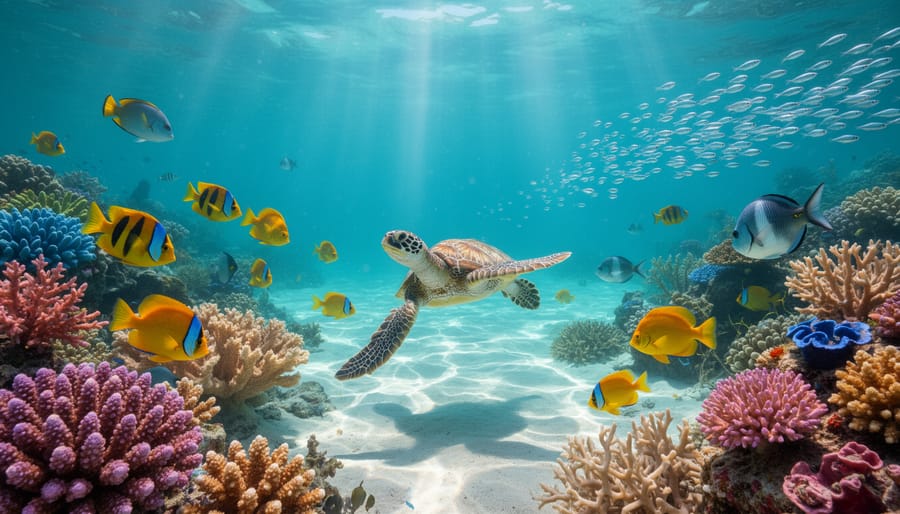
Aquaculture operations worldwide depend on antibiotics to maintain fish and shellfish health, but this practice creates ideal conditions for resistance development. JAC’s standardized testing protocols, originally designed for human pathogens, provide fish farms with rigorous methods to monitor resistance patterns in bacterial populations. Scientists adapt the journal’s minimum inhibitory concentration (MIC) testing and disk diffusion techniques to assess how bacteria from farm environments respond to commonly used antibiotics like oxytetracycline and florfenicol. When farms apply these methodologies regularly, they detect resistance emergence early, allowing managers to rotate antimicrobial classes or implement non-pharmaceutical alternatives before resistant strains become dominant.
The journal’s research on resistance gene surveillance proves particularly valuable for aquaculture. By tracking specific genes like tetM and sulII in water samples and fish gut microbiomes, farm operators identify resistance hotspots and transmission routes. This data-driven approach connects directly to marine biotechnology innovations, where researchers develop bacteriophage therapies, immunostimulants, and probiotic treatments as antibiotic alternatives. Farms applying JAC’s monitoring frameworks report measurable reductions in antibiotic use, some Norwegian salmon operations cut usage by seventy percent while maintaining fish health, proving that scientific rigor supports both economic viability and environmental responsibility.
Understanding Coastal Pollution Impacts
Coastal waters serve as the final destination for pharmaceutical residues and resistant bacteria that escape wastewater treatment systems. JAC’s research frameworks for tracking antimicrobial resistance provide marine scientists with standardized methods to measure contamination in these critical transition zones.
Studies published in JAC demonstrate how resistant bacteria persist in treated effluent, maintaining viability even after standard purification processes. When applied to coastal monitoring, these same culture-based and genetic identification techniques reveal alarming concentrations of resistant E. coli, Vibrio, and Pseudomonas species in waters near sewage outfalls. Marine researchers can adapt JAC’s sampling protocols, originally designed for clinical settings, to assess sediment, seawater, and filter-feeding organisms that concentrate these pathogens.
Pharmaceutical residues create selective pressure in coastal environments, essentially turning nearshore zones into resistance incubators. JAC research on minimum inhibitory concentrations helps scientists determine which antibiotic levels in seawater actively promote resistance development versus those that merely contaminate. This distinction matters when prioritizing remediation efforts.
Monitoring programs now track resistance genes in coastal wildlife populations, from shellfish beds to seagrass meadows, using molecular methods refined through decades of clinical research published in JAC.
Protecting Marine Mammal Health
Marine mammals face a delicate paradox when they need antimicrobial treatment. These animals, from stranded dolphins to injured seals in rehabilitation facilities, sometimes require antibiotics to survive bacterial infections, yet treating them contributes to the very resistance problem threatening ocean health.
Research published in JAC helps veterinarians make informed treatment decisions for endangered species. Studies on drug efficacy, optimal dosing regimens, and resistance patterns guide protocols that maximize healing while minimizing resistance selection. For instance, understanding which antimicrobials show lower resistance rates in marine bacterial strains allows rehabilitators to choose treatments less likely to create resistant organisms that return to wild populations when animals are released.
JAC’s pharmacokinetic research proves particularly valuable here. Marine mammals metabolize drugs differently than terrestrial animals due to their unique physiology, diving adaptations, blubber composition, and specialized kidneys all affect how medications work. Published studies on drug absorption, distribution, and elimination in these species help veterinarians calculate precise dosages that cure infections without creating subtherapeutic concentrations that breed resistance.
This application extends beyond individual animals. Monitoring treated marine mammals before release helps researchers track whether resistant bacteria persist, informing release timing and post-treatment surveillance strategies that protect both the individual and wild populations.
Common Questions About JAC and Marine Antimicrobial Resistance
Understanding antimicrobial resistance research can feel overwhelming when you’re approaching it from a marine conservation background rather than a medical one. The questions below come up frequently at the Marine Biodiversity Science Center from educators developing ocean health curricula, students researching One Health connections, and conservationists trying to interpret resistance studies in marine contexts.
How can marine scientists without medical backgrounds access JAC articles?
Most JAC articles are behind a paywall, but many universities and research institutions provide access through library subscriptions. Authors often share preprints or final versions through institutional repositories, and you can request individual papers directly from researchers via email or platforms like ResearchGate.
Does JAC actually publish research specific to marine environments?
While JAC focuses primarily on clinical antimicrobial chemotherapy, it increasingly publishes studies on environmental reservoirs of resistance, including aquatic ecosystems. Research on resistance gene transfer in water systems, aquaculture antibiotic use, and environmental surveillance appears with growing frequency as the field recognizes ocean ecosystems as critical resistance pathways.
How does antimicrobial resistance in ocean bacteria differ from what happens in hospitals?
Ocean resistance develops through similar genetic mechanisms but spreads differently, marine bacteria exchange resistance genes more freely in open water environments, and lower antibiotic concentrations from pollution create broader selective pressure across entire ecosystems rather than isolated clinical settings. The diversity of marine microbial communities also means resistance can spread through food webs in ways that don’t occur in hospitals.
Can establishing marine protected areas help slow the spread of antimicrobial resistance?
Marine reserves can’t stop resistance that arrives through water currents or migratory species, but they do reduce human pressures like aquaculture and coastal development that contribute antibiotics to the environment. Protected areas also maintain healthier, more diverse microbial communities that may be more resilient to resistance colonization.
Another common concern involves understanding what volunteers can actually do about resistance monitoring. Citizen scientists contribute valuable data by collecting water samples from beaches, estuaries, and coastal areas following standardized protocols. These samples help researchers track geographic patterns of pharmaceutical pollution and resistant bacteria over time. You don’t need advanced laboratory skills, many programs provide collection kits and detailed instructions, then handle the actual resistance testing at partner research facilities.
Students often ask whether they should focus on JAC specifically or cast a wider net across environmental journals. The truth is that antimicrobial resistance research relevant to marine conservation appears across multiple publications. JAC provides the fundamental science on resistance mechanisms and drug development, but you’ll find marine-specific applications in journals covering aquatic microbiology, marine pollution, and aquaculture. Reading JAC helps you understand the underlying resistance science that other researchers then apply to ocean contexts.
Getting Involved: Opportunities for Action
You don’t need to be a research scientist to make a difference in fighting antimicrobial resistance in marine environments. Coastal water quality monitoring programs across North America welcome volunteers to collect samples from beaches, estuaries, and river mouths where pharmaceutical residues enter the ocean. These grassroots efforts generate critical baseline data that scientists use to track resistance hotspots and pollution patterns, the same surveillance principles you’ll find in JAC epidemiology studies, just applied to marine settings.
Citizen science projects like the Pharmaceutical Pollution Watch let anyone with a smartphone report observations of medication disposal sites, wastewater outflows, and aquaculture facilities. Your documented locations help researchers map potential resistance pathways into coastal ecosystems. Similarly, beach cleanup initiatives now include special collection protocols for medical waste, providing valuable samples for resistance gene analysis while protecting wildlife from direct exposure.
Educational outreach offers another powerful avenue. Many aquariums and marine centers need volunteers to develop exhibits explaining the connection between antimicrobial resistance and ocean health. If you work with students, incorporating JAC research into lesson plans demonstrates how medical science intersects with climate change impacts and marine conservation, showing the interconnectedness of planetary health challenges.
The Marine Biodiversity Science Center specifically bridges this research gap through its Coastal Sentinel program, training volunteers to monitor indicator species like mussels and oysters for resistant bacteria. Participants learn proper sampling techniques, contribute to peer-reviewed studies, and gain firsthand understanding of how antimicrobial resistance moves through marine food webs. These hands-on experiences transform abstract journal articles into tangible conservation work, creating informed advocates who understand why protecting ocean health means addressing resistance at its sources, farms, hospitals, and wastewater systems alike.
The connection between antimicrobial chemotherapy research and ocean health represents one of the most compelling examples of how deeply intertwined human and marine systems have become. When scientists publish resistance studies in journals like JAC, they’re documenting patterns that don’t respect the boundaries between hospital wards and coral reefs. The bacteria evolving in clinical settings share genetic material with microorganisms in coastal waters. The antibiotics prescribed for human infections eventually reach marine food webs. Understanding this research isn’t just useful for marine conservationists, it’s essential.
Antimicrobial resistance in ocean ecosystems poses a genuine threat to marine biodiversity, affecting everything from the microbiomes that sustain coral health to the bacterial communities that fish depend on for digestion and immunity. This isn’t a distant future problem. Resistant bacteria are already established in coastal waters near population centers, aquaculture operations, and wastewater outflows. Every dolphin rescued with a bacterial infection, every cultured salmon treated with antibiotics, every sewage plume entering the ocean adds to this challenge.
Yet there’s genuine reason for optimism. Awareness is growing. Marine scientists are collaborating with medical researchers. Monitoring programs are expanding. Citizen scientists are collecting data. Conservation organizations are connecting the dots between pharmaceutical pollution and ecosystem health. The same collective action that has protected endangered species and established marine sanctuaries can address this emerging threat.
Your engagement matters. Whether you’re monitoring water quality, supporting sustainable aquaculture, reducing your own antibiotic use, or simply sharing what you’ve learned, you’re contributing to protecting the ocean’s biological integrity. Research published in JAC and similar journals gives us the knowledge we need. Now we need the will to act on it.

jessica
Ava Singh is an environmental writer and marine sustainability advocate with a deep commitment to protecting the world's oceans and coastal communities. With a background in environmental policy and a passion for storytelling, Ava brings complex topics to life through clear, engaging content that educates and empowers readers. At the Marine Biodiversity & Sustainability Learning Center, Ava focuses on sharing impactful stories about community engagement, policy innovations, and conservation strategies. Her writing bridges the gap between science and the public, encouraging people to take part in preserving marine biodiversity. When she’s not writing, Ava collaborates with local initiatives to promote eco-conscious living and sustainable development, ensuring her work makes a difference both on the page and in the real world.