Marine Biodiversity Science Center

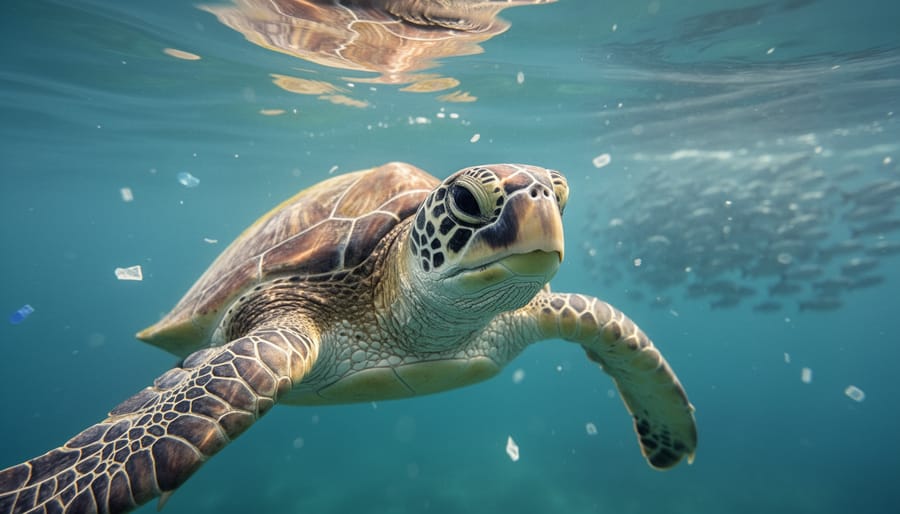
Ecology behavior examines how animals and organisms respond to environmental changes in their natural habitats, and in marine ecotoxicology, it reveals a troubling reality: pollutants like microplastics, heavy metals, and endocrine disruptors are fundamentally altering the way marine life navigates, feeds, reproduces, and survives. These behavioral shifts cascade through entire ecosystems, transforming predator-prey dynamics, disrupting breeding cycles, and destabilizing food webs that millions of people depend on for protein and livelihoods.
When a sea turtle mistakes a plastic bag for a jellyfish or a school of fish fails to detect predators because chemical contaminants have damaged their sensory systems, we’re witnessing ecology behavior in action. These aren’t isolated incidents. Research from coastal waters worldwide shows consistent patterns: exposure to pollutants changes decision-making, reduces foraging efficiency, and impairs critical survival behaviors across dozens of species.
Understanding these connections matters because behavioral changes often appear before physical harm becomes visible. A fish swimming erratically or a crab abandoning its burrow may signal contamination levels that standard toxicity tests miss entirely. By studying ecology behavior, scientists can identify environmental threats earlier, predict ecosystem collapse before it happens, and design interventions that actually protect marine biodiversity.
The good news? This field is expanding rapidly, driven by innovative tracking technologies and a growing network of researchers who recognize that protecting ocean health requires understanding how pollution affects the daily lives of marine animals. From coral reefs to kelp forests, behavioral ecotoxicology is uncovering the invisible ways humans are reshaping marine ecosystems and, more importantly, showing us how to reverse the damage. Whether you’re a student exploring career paths in marine science or a conservationist searching for effective advocacy tools, grasping these behavioral mechanisms opens new pathways to meaningful action.
What Is Ecology Behavior and Why It Matters for Marine Life
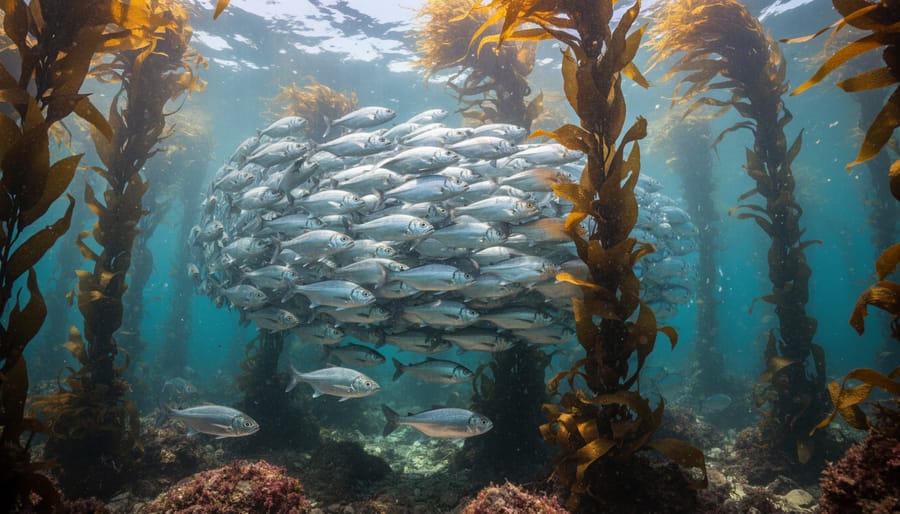
Ecology behavior is the scientific study of how animals interact with their environment and with each other to survive, reproduce, and maintain their place in the ecosystem. Every movement a marine animal makes, whether a fish darting toward prey, a whale breaching to communicate, or a sea turtle navigating thousands of miles to nest, reflects behavioral adaptations shaped by evolution and driven by immediate environmental demands. These behaviors are not random. They respond to cues like temperature shifts, chemical signals, light patterns, predator presence, and the availability of food or mates.
In marine environments, where visibility can be limited and conditions change rapidly, behavior becomes a primary survival tool. A reef fish that cannot recognize the scent of a predator will be eaten. A dolphin that fails to coordinate with its pod during hunting goes hungry. A salmon that loses its ability to navigate ocean currents may never return to spawn. These behaviors are finely tuned, often involving complex sensory processing, learning, and instinct working in concert.
Understanding the diversity of these behaviors helps clarify why pollutant-driven disruptions are so damaging:
- Foraging behavior
- The strategies animals use to locate, capture, and consume food. Disruptions reduce energy intake and weaken populations.
- Reproductive behavior
- Courtship displays, mate selection, nesting, and parental care that ensure successful breeding. Changes here directly reduce birth rates and offspring survival.
- Antipredator behavior
- Vigilance, flight responses, camouflage, and alarm signals that help animals avoid being eaten. Impairment increases mortality across all life stages.
- Social behavior
- Schooling, cooperative hunting, and group defense that enhance survival and efficiency. Loss of coordination weakens collective resilience.
- Habitat selection
- Choosing safe, resource-rich areas for feeding, breeding, or shelter. Poor choices increase vulnerability and reduce fitness.
When any of these behaviors fail, consequences ripple outward. A single fish species that stops grazing on algae can trigger overgrowth that smothers coral. A keystone predator that cannot hunt effectively alters prey populations and reshapes community structure. Marine ecosystems depend on countless behavioral interactions happening correctly, continuously, across every trophic level. Pollutants that interfere with these behaviors do not just harm individual animals, they destabilize the intricate web of relationships that keeps ocean ecosystems functioning.
How Pollutants Disrupt Marine Animal Behavior
Chemical Contaminants and the Nervous System
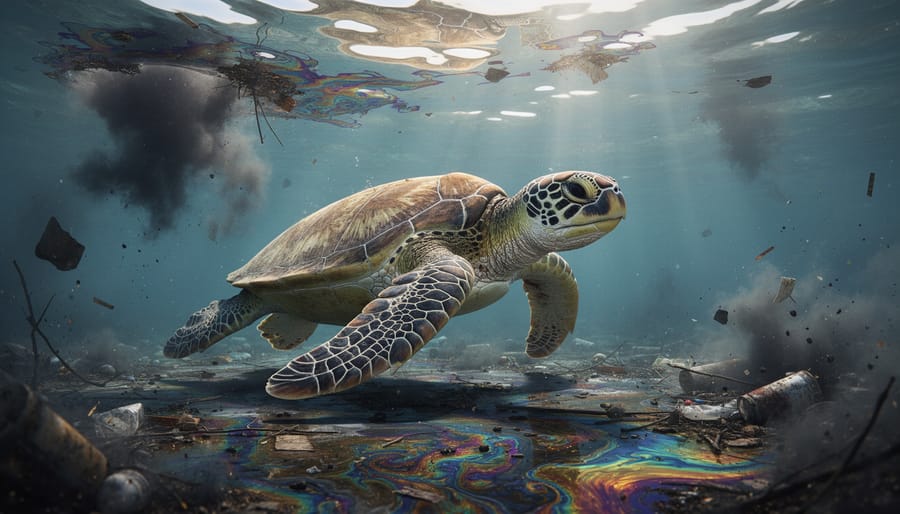
Neurotoxic pollutants strike at the foundation of animal survival: the nervous system. Heavy metals like mercury and lead accumulate in fish brain tissue, disrupting neurotransmitter production and damaging nerve cells that control movement and sensory processing. When mercury interferes with synaptic function in tuna or swordfish, their ability to interpret ocean senses deteriorates, making them slower to detect prey or react to threats.
Organophosphates, common in agricultural runoff, inhibit acetylcholinesterase, the enzyme that regulates nerve signal transmission. Exposed salmon display erratic swimming patterns and impaired predator evasion. Their reaction times double or triple, transforming once-agile fish into easy targets. Studies on contaminated estuaries show juvenile fish losing the coordination needed for schooling behavior, leaving them vulnerable and isolated.
Marine mammals face similar dangers. Dolphins exposed to persistent organic pollutants show reduced learning capacity and spatial memory deficits. Their problem-solving abilities decline, affecting how they navigate complex hunting strategies and social hierarchies.
Even invertebrates suffer cognitive impairment. Octopuses exposed to copper show diminished ability to remember maze routes or recognize familiar objects. Crabs contaminated with cadmium exhibit delayed responses to predator cues, failing to retreat when danger approaches. These neurological disruptions ripple through populations, reducing fitness and survival rates across entire contaminated areas.
Endocrine Disruptors and Hormonal Behavior
Hormones are chemical messengers that regulate reproduction, growth, stress responses, and social interactions in marine animals. When pollutants interfere with these signals, the consequences ripple through entire populations. Endocrine-disrupting chemicals (EDCs) like polychlorinated biphenyls (PCBs), bisphenol A (BPA), phthalates, and synthetic estrogens from birth control pills can mimic natural hormones, block hormone receptors, or alter hormone production, fundamentally changing how animals behave.
In fish exposed to estrogen-mimicking compounds from wastewater, males develop female characteristics and display reduced courtship aggression. Some populations show skewed sex ratios, with fewer breeding males available. Female fish exposed to certain pesticides produce fewer eggs and exhibit diminished nesting behaviors, abandoning clutches they would normally guard fiercely.
Sea turtles face similar threats. PCBs accumulate in their tissues over decades, disrupting thyroid and sex hormones. Research shows contaminated females may choose unsuitable nesting sites or return to beaches less frequently, reducing reproductive success. Temperature-dependent sex determination in turtle eggs means even subtle hormonal shifts can produce heavily skewed hatchling sex ratios.
Mollusks like oysters and mussels exposed to tributyltin (TBT), once common in boat paint, develop a condition called imposex, females grow male reproductive organs and become sterile. These behavioral and physiological changes don’t just affect individuals; when enough members of a population fail to reproduce normally, the species faces decline. Understanding these disruptions is essential for developing effective pollution controls and protecting marine biodiversity.
Real-World Examples: Pollutants Changing Marine Behavior
Feeding and Foraging Disruptions
Contaminants in marine waters sabotage the feeding behaviors that keep marine animals alive. Seabirds exposed to mercury show reduced hunting success, missing prey strikes more often and spending more energy for fewer catches. Methylmercury accumulates in fish-eating species like cormorants and terns, impairing their visual acuity and strike coordination, leading to weight loss and lower chick survival rates.
Fish suffer similar disruptions. Laboratory studies show that exposure to polycyclic aromatic hydrocarbons from oil spills impairs the ability of juvenile fish to detect and capture prey. Larval fish exposed to microplastics consume less nutritious food, mistaking plastic particles for zooplankton, which stunts growth and weakens immune function. Pesticide runoff interferes with chemosensory cues that fish rely on to locate food patches, forcing them to forage longer with diminished returns.
Crustaceans like crabs and lobsters lose foraging efficiency when exposed to antifouling biocides and heavy metals. Contaminated individuals show slower search patterns, reduced ability to discriminate between food and non-food items, and impaired claw coordination when handling prey. These feeding deficits translate directly into malnutrition, smaller body size, and reduced reproductive output, weakening entire populations over time.
Predator Avoidance and Risk Assessment
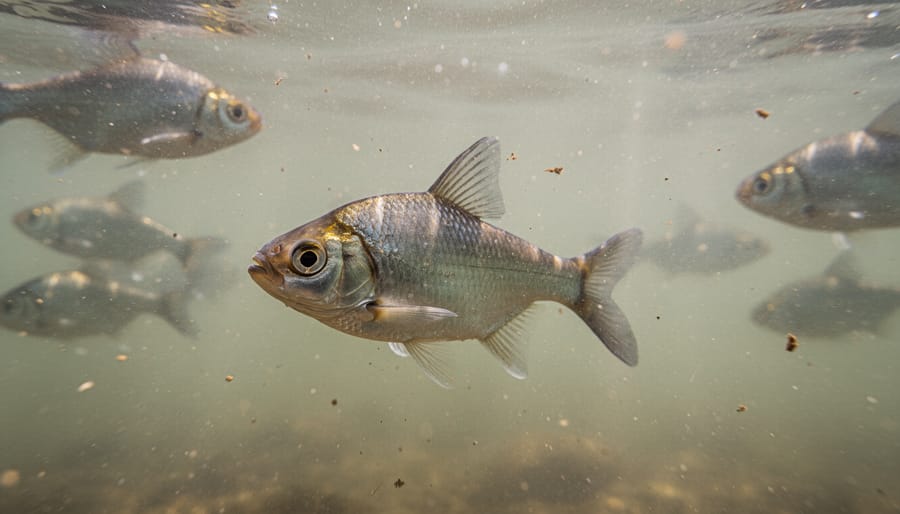
Survival in the ocean demands split-second decisions. A minnow must detect the shadow of a predator, assess the threat, and execute an escape response, all within milliseconds. Contaminants disrupt this life-or-death calculus at every stage.
Heavy metals like mercury and cadmium impair the lateral line system in fish, the sensory organ that detects water pressure changes from approaching predators. Exposed fish react more slowly or fail to respond entirely to predatory strikes. In laboratory studies, juvenile salmon contaminated with organophosphate pesticides exhibited reduced startle responses and slower swimming speeds when confronted by bass, resulting in predation rates up to three times higher than unexposed fish.
Microplastics compound the problem. Fish that ingest plastic particles show diminished threat perception, swimming closer to predators and spending less time in protective cover. One study found that European perch exposed to polystyrene microplastics ignored alarm cues from injured conspecifics, chemical signals that normally trigger immediate flight.
For invertebrates like crabs and amphipods, pharmaceutical pollutants alter risk assessment behavior. Antidepressants in coastal waters make normally cautious crustaceans bolder, venturing into open areas where they become easy prey for shorebirds and fish. This behavioral recklessness creates predator feeding hotspots in contaminated zones, accelerating population declines.
Migration and Navigation Errors
Migratory marine species rely on finely tuned sensory systems to navigate thousands of miles across open ocean. Sea turtles use Earth’s magnetic field to locate nesting beaches where they were born, while salmon follow chemical signatures in ocean currents back to natal streams. Baleen whales navigate using a combination of magnetic cues, acoustic landmarks, and possibly infrasound detection. These remarkable navigation systems evolved over millennia in relatively clean environments, pollutants now disrupt them at critical life stages.
Research on loggerhead sea turtles shows that heavy metals like mercury and cadmium accumulate in brain tissues responsible for magnetoreception, altering their ability to distinguish subtle variations in magnetic intensity. Hatchlings exposed to petroleum hydrocarbons exhibit disoriented swimming patterns, veering off migratory routes that would carry them to feeding grounds. For Pacific salmon, pesticides and industrial chemicals degrade olfactory receptors, weakening their capacity to detect the unique scent profiles of home rivers. Fish miss spawning tributaries entirely or arrive exhausted after repeated false starts.
These navigation errors translate directly into reproductive failure and population decline, as animals expend energy on misdirected journeys or never reach breeding sites.
Reproductive and Social Behavior Changes
Contaminants rewire the intimate social fabric of marine life, disrupting courtship rituals, breeding site choices, and parental investment. Male fish exposed to endocrine disruptors often display feminized behaviors, reduced aggression, diminished courtship displays, and impaired mate competition, weakening their reproductive success. Female seals in polluted waters show altered maternal care, spending less time nursing pups or abandoning them prematurely, which directly lowers survival rates. Seabirds nesting near contaminated sites choose suboptimal locations, expose eggs to higher predation risk, and exhibit erratic incubation behaviors that reduce hatching success.
Pollutants also distort social power dynamics within groups. Toxicant-exposed individuals may lose dominance status, fail to defend territories, or be excluded from breeding opportunities, outcomes that shift population genetics over generations. These disruptions extend beyond individual pairs to affect learned traditions and group cohesion, elements central to marine culture in species like dolphins and whales. When breeding behaviors falter, entire populations face steeper declines, compounding other stressors and threatening long-term viability.
The Ripple Effect: From Individual Behavior to Ecosystem Health
When a single fish fails to flee from a predator or a sea turtle navigates to the wrong nesting beach, the consequences extend far beyond that individual. These behavioral disruptions ripple outward, reshaping population dynamics, altering species interactions, and ultimately threatening the stability of entire marine ecosystems.
At the population level, impaired behaviors translate directly to reduced survival and reproduction. When foraging efficiency declines across a cohort of contaminated fish, fewer individuals reach reproductive maturity. Altered mating displays and weakened parental care mean fewer offspring survive to adulthood. Over successive generations, these accumulated losses can shift age structures, shrink population sizes, and increase vulnerability to environmental stressors like warming waters or disease outbreaks, effects that compound existing pressures on already threatened species.
The impacts multiply when we consider species interactions. Predator-prey dynamics depend on finely tuned behaviors: a seabird must detect fish schools efficiently, while those fish must recognize threats and coordinate evasive maneuvers. When pollutants slow reaction times or impair sensory abilities in prey species, predation rates can spike temporarily, but if predators themselves suffer neurological damage or lose hunting precision, the balance tips the other way, allowing prey populations to explode unchecked. These disruptions cascade through food webs, affecting species several steps removed from the original contamination source.
Changes in habitat use further destabilize communities. Species that abandon contaminated feeding grounds or nesting sites create openings for competitors, shift nutrient flows, and alter the physical structure of habitats like seagrass beds and coral reefs. Behavioral modifications also interfere with underwater communication disrupting the acoustic and chemical signals that coordinate schooling, spawning aggregations, and territorial defense, weakening the social fabric that many species rely on for collective survival.
Ultimately, these cascading effects degrade ecosystem services: reduced fish stocks, compromised water filtration by shellfish, and diminished coastal protection from storm surges. What begins as a behavioral quirk in a single organism can unravel the ecological tapestry that sustains both marine life and human communities.
Studying Ecology Behavior in Contaminated Environments
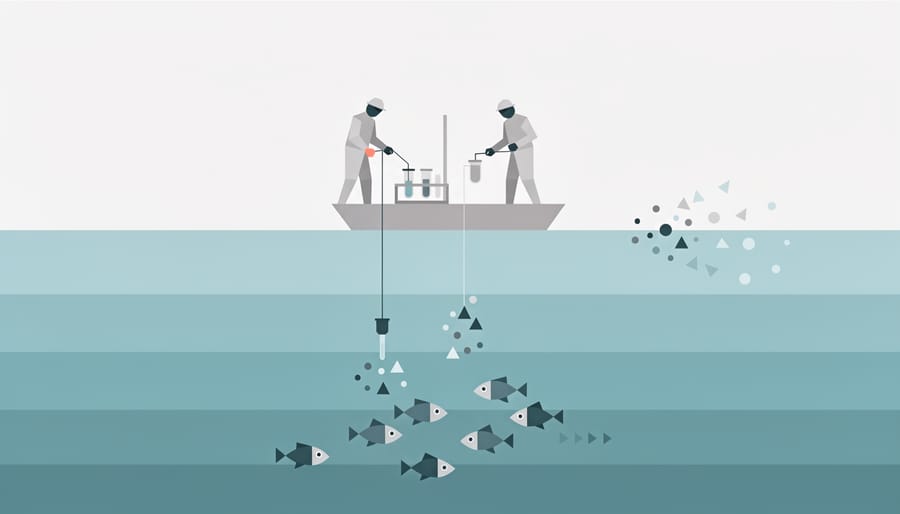
Understanding how pollutants alter marine animal behavior requires scientists to employ a blend of controlled experiments and real-world observations. Researchers face the fundamental challenge of isolating behavioral effects from a specific contaminant in ocean ecosystems where animals are simultaneously exposed to changing temperatures, noise, habitat loss, and multiple chemical stressors. No single method provides the complete picture, so behavioral ecotoxicologists combine laboratory precision with field realism to build evidence.
Laboratory toxicity tests offer tight control over exposure conditions. Scientists can dose fish, crustaceans, or mollusks with precise concentrations of a single pollutant, then measure changes in swimming patterns, predator escape responses, or feeding success under standardized conditions. Video tracking systems quantify movement speed, path tortuosity, and time spent in shelter versus open water. While these controlled experiments establish cause-and-effect relationships between a contaminant and a behavior, they cannot replicate the complexity of natural habitats where animals make simultaneous decisions about food, mates, and threats.
Field observations capture behavior in natural settings but introduce uncertainty about which pollutants, or combinations, drive the changes observed. Researchers may compare fish activity levels at contaminated versus reference sites, or track seal foraging efficiency in areas with high pharmaceutical residues. Acoustic telemetry and satellite tags now allow scientists to monitor migration routes, dive depths, and habitat use over months or years, revealing whether animals in polluted waters alter their normal patterns. Biomarkers such as acetylcholinesterase inhibition or altered cortisol levels provide physiological evidence of neurotoxic or hormonal disruption, helping connect observed behavior shifts to underlying mechanisms.
| Method | Strengths | Limitations |
|---|---|---|
| Laboratory toxicity tests | Controlled doses, clear cause-effect, repeatable conditions | Simplified environment, single stressors, artificial settings |
| Field observations and monitoring | Natural complexity, real exposure scenarios, long-term trends | Multiple confounding factors, difficult to isolate pollutant effects |
| Tracking technologies (telemetry, satellite tags) | Movement data over space and time, individual-level detail | Expensive, limited battery life, behavioral interpretation challenges |
| Experimental field manipulations | Realistic settings with some experimental control | Logistically difficult, ethical constraints, variable conditions |
Experimental field manipulations attempt to bridge the gap by introducing controlled treatments in natural habitats, such as deploying contaminated substrates in cages and comparing resident versus caged organism behavior. Advances in molecular tools now allow researchers to measure gene expression changes linked to neurotransmitter synthesis or hormone receptor sensitivity, offering mechanistic insight into why a fish stops responding to predator cues after mercury exposure. Despite these innovations, disentangling the behavioral footprint of one pollutant from the noisy background of ocean change remains one of marine ecotoxicology’s toughest puzzles.
What We Can Do: Conservation and Policy Solutions
Protecting marine animal behavior from pollutant damage requires coordinated action across policy, industry, and community levels. Scientists and conservationists have identified several high-impact strategies that can meaningfully reduce contaminant exposure and help ecosystems recover.
Strengthening pollution regulations remains foundational. Governments must enforce stricter limits on industrial discharge, agricultural runoff, and pharmaceutical residues entering waterways. The European Union’s REACH program and updates to the U.S. Clean Water Act demonstrate how regulatory frameworks can phase out the most neurotoxic and endocrine-disrupting chemicals. Expanding these protections globally, especially in coastal nations with growing industrial activity, can prevent behavioral impairments before they cascade through food webs.
Marine protected areas offer refuge where species can exhibit natural behaviors without chronic pollutant stress. Designating critical habitats, breeding grounds, migratory corridors, nursery areas, as no-discharge zones shields vulnerable life stages from contamination. Research shows that fish populations in well-enforced MPAs display more typical foraging patterns and predator responses compared to polluted areas.
Upgrading wastewater infrastructure removes pharmaceuticals, microplastics, and endocrine disruptors before they reach oceans. Advanced filtration systems and nature-based solutions like constructed wetlands can capture contaminants that conventional treatment misses. Cities investing in these technologies report measurable drops in downstream pollution.
Individuals amplify these efforts through everyday choices: reducing plastic consumption, supporting sustainable seafood, properly disposing of medications, and choosing phosphate-free products. Participating in beach cleanups removes debris that leaches toxicants into marine habitats.
Public pressure drives policy change. When communities demand cleaner waters, through petitions, voting, and local advocacy, legislators respond. Conservation organizations translate scientific findings into actionable campaigns, but success depends on widespread engagement. Every voice advocating for stricter pollution controls or expanded marine protections contributes to safeguarding the complex behaviors that keep ocean ecosystems thriving.
Join the Effort: How You Can Support Marine Behavioral Research
Dr. Elena Vargas, a behavioral ecotoxicologist with fifteen years in the field, remembers the moment that solidified her commitment to marine research. While tracking bottlenose dolphins in a contaminated estuary, she observed mothers teaching calves to hunt, except the young dolphins repeatedly failed to recognize prey fish that were visibly stressed by chemical exposure. “Watching those behavioral disconnects unfold in real time showed me how urgent this work is,” she says. “But field studies are expensive. Every volunteer hour, every donation, every person who shares our findings helps us stay in the water longer and gather the data that drives conservation policy.”
Marine behavioral research demands sustained effort. Scientists need funding for tracking tags, water quality sensors, lab analyses, and boat time, resources that stretch thin across underfunded programs. Public support closes those gaps. When you volunteer with beach cleanups or citizen science projects, you contribute observations that researchers incorporate into pollution-behavior studies. Donations fund graduate students who spend months documenting how fish respond to contaminants. Joining the center’s e-network amplifies research findings, pressuring policymakers to act on evidence.
Your involvement matters because behavioral changes often precede population crashes. Supporting this research means catching threats early, when interventions can still reverse damage. Whether you contribute time, funds, or your voice, you become part of the solution, helping scientists protect the intricate behaviors that keep marine ecosystems thriving.
Frequently Asked Questions About Ecology Behavior and Marine Pollution
The questions below capture the concerns voiced most often by educators, students, and coastal community members grappling with the intersection of pollution and marine animal behavior. Understanding these fundamentals empowers readers to make informed choices and advocate for meaningful change.
Can marine animals recover from pollution-induced behavioral changes?
Recovery depends on the pollutant, exposure duration, and species. Some behavioral deficits reverse once contamination ends, especially in younger animals with neuroplasticity, but chronic exposure or permanent tissue damage can cause lasting impairments that persist across generations.
Which pollutants pose the greatest threat to marine behavior?
Neurotoxic heavy metals like mercury and lead, endocrine disruptors such as PCBs and phthalates, and microplastics carrying adsorbed chemicals rank among the most harmful. Pharmaceuticals in wastewater and agricultural pesticides also severely alter sensory and reproductive behaviors in nearshore species.
Are certain marine species more vulnerable than others?
Yes. Top predators like marine mammals and large fish accumulate higher pollutant concentrations through biomagnification, while species with complex social structures, long migrations, or specialized sensory systems suffer disproportionately when those abilities are compromised. Early life stages across all species show heightened sensitivity.
What can individuals do to reduce pollutant impacts on marine behavior?
Support policies that strengthen wastewater treatment and regulate chemical runoff, reduce single-use plastics, choose sustainable seafood, participate in beach cleanups, and contribute to marine research and conservation organizations. Spreading awareness through community networks amplifies these efforts.
These answers reflect current scientific understanding while acknowledging the complexity of real-world marine ecosystems. Many behavioral impacts unfold over years or decades, making long-term monitoring essential. What seems like a small upstream action, whether reducing pesticide use in a watershed or advocating for stricter industrial discharge standards, can yield measurable improvements in the health and behavior of downstream marine populations. The timeline varies, but ecosystems demonstrate remarkable resilience when stressors diminish and protective measures take hold.
Understanding how pollutants alter the behavior of marine animals is not an academic exercise, it’s essential to protecting the ocean’s future. When fish lose their ability to detect predators, when sea turtles navigate away from nesting beaches, when seabirds abandon their chicks, we’re witnessing the unraveling of ecological relationships that sustain entire ecosystems. These behavioral disruptions ripple outward, destabilizing food webs, reducing biodiversity, and threatening the services that healthy oceans provide to all life on Earth.
The good news? We know what needs to be done, and progress is already underway. Scientists are refining methods to detect behavioral changes earlier, policymakers are strengthening regulations on harmful chemicals, and communities worldwide are reducing pollution at its source. Every action matters, from supporting marine research to advocating for cleaner coastlines to making informed consumer choices.
The ocean’s resilience depends on us. By understanding the connection between pollutants and behavior, we gain the knowledge to act effectively. Together, through informed conservation efforts and collective commitment, we can safeguard marine ecosystems and ensure that future generations inherit oceans full of life, not silent waters haunted by what we failed to protect.

jessica
Ava Singh is an environmental writer and marine sustainability advocate with a deep commitment to protecting the world's oceans and coastal communities. With a background in environmental policy and a passion for storytelling, Ava brings complex topics to life through clear, engaging content that educates and empowers readers. At the Marine Biodiversity & Sustainability Learning Center, Ava focuses on sharing impactful stories about community engagement, policy innovations, and conservation strategies. Her writing bridges the gap between science and the public, encouraging people to take part in preserving marine biodiversity. When she’s not writing, Ava collaborates with local initiatives to promote eco-conscious living and sustainable development, ensuring her work makes a difference both on the page and in the real world.