Marine Biodiversity Science Center

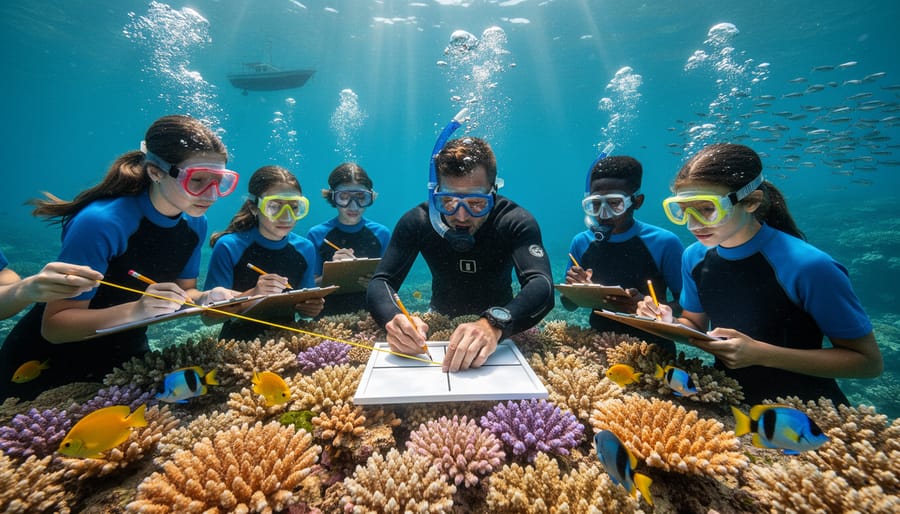
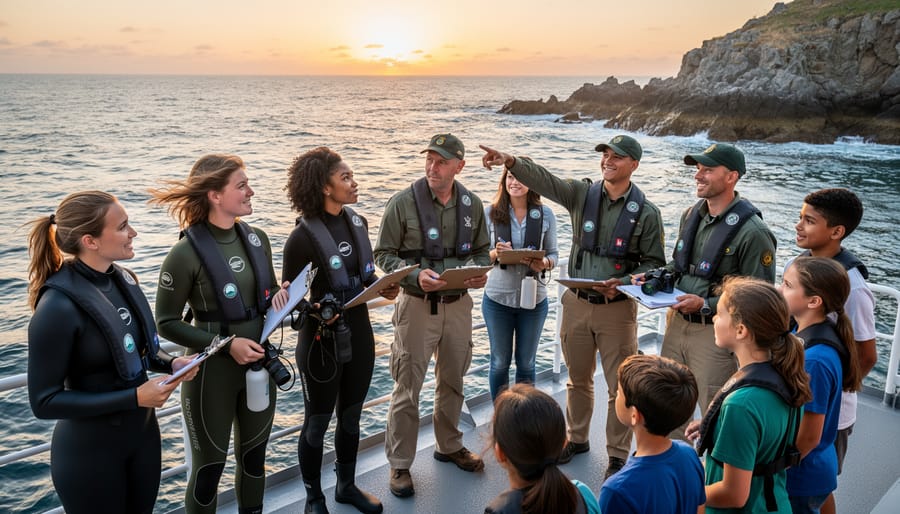
Every summer, thousands of young people trade their screens for snorkel masks, transforming from curious students into emerging marine scientists who will shape the future of ocean conservation. Summer marine biology camps offer far more than underwater sightseeing—they provide rigorous scientific training, hands-on research experience, and leadership development that can spark lifelong careers in marine science.
These programs immerse participants in real-world conservation challenges, from monitoring coral reef health to tracking sea turtle populations. Students don’t just observe marine life; they collect data, analyze findings, and contribute to ongoing research projects alongside professional marine biologists. This authentic scientific work builds technical skills while fostering the critical thinking and problem-solving abilities essential for future environmental leaders.
The impact extends beyond individual growth. Participants often return to their communities as ocean ambassadors, organizing beach cleanups, presenting research findings at their schools, and mobilizing peers around conservation issues. Dr. Sarah Chen, who now leads a marine protected area in California, traces her career directly to a summer camp experience at age fifteen: “Learning to identify fish species in tide pools seemed simple then, but it taught me how to see ecosystems as interconnected webs of life. That perspective shaped everything that followed.”
For families seeking substantive summer experiences that combine adventure with purpose, marine biology camps offer an unmatched opportunity to cultivate both scientific literacy and environmental stewardship in the next generation of ocean advocates.
What Makes Marine Conservation Youth Leadership Camps Different
Beyond Beach Fun: Real Science in Action
Summer marine biology camps transform enthusiastic students into active field researchers, moving far beyond tide pool exploration into genuine scientific contribution. These programs immerse young participants in real-world data collection that directly supports ongoing conservation initiatives.
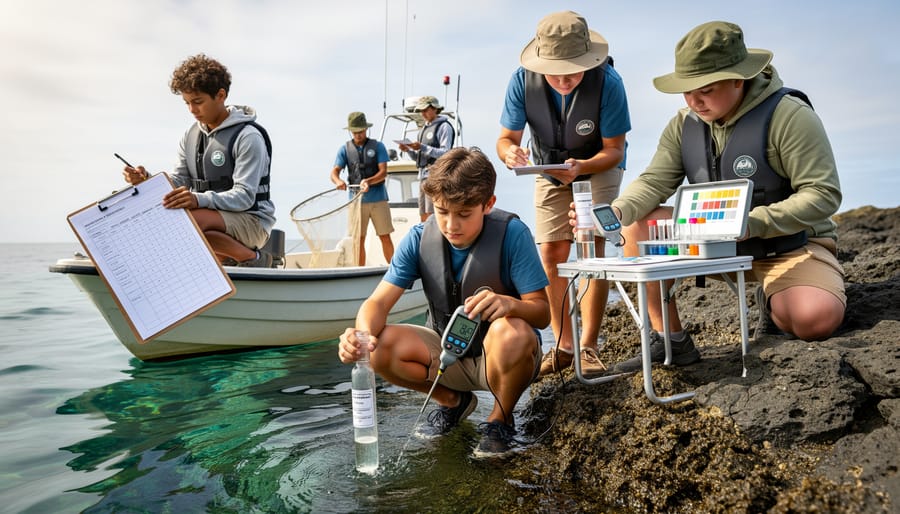
At many camps, students conduct water quality assessments using professional-grade equipment, measuring parameters like dissolved oxygen, pH levels, salinity, and turbidity. These measurements become part of long-term monitoring databases that scientists use to track ecosystem health and identify environmental changes. Participants learn to follow standardized protocols, ensuring their data meets the rigorous standards required for legitimate research.
Species monitoring represents another cornerstone of camp activities. Young researchers assist with biodiversity surveys, documenting marine organisms in specific habitats and recording population trends. Whether identifying invertebrates in rocky intertidal zones, tracking shorebird nesting sites, or monitoring seal haul-out locations, students contribute observations that help scientists understand species distribution and abundance patterns.
Dr. Sarah Chen, a marine ecologist who leads summer programs, shares: “Last summer, our campers documented an unusual concentration of juvenile rockfish in a previously undermonitored area. Their careful observations helped us identify important nursery habitat that’s now being considered for protection.”
This hands-on marine science experience teaches participants that conservation depends on accurate data collection and systematic observation. Students discover that meaningful environmental action begins with understanding what we’re trying to protect, transforming their summer adventure into valuable scientific service while developing research skills that extend far beyond the beach.
Building Leaders, Not Just Learners
Summer marine biology camps recognize that protecting our oceans requires more than scientific knowledge—it demands confident leaders who can inspire change. These programs deliberately integrate leadership development into their curricula, transforming participants into voices for marine conservation.
Public speaking forms a cornerstone of this leadership training. Campers present their research findings to peers, parents, and sometimes community groups, learning to communicate complex scientific concepts to diverse audiences. This experience proves invaluable for becoming effective advocates who can influence public opinion and policy.
Project management skills emerge naturally as campers collaborate on multi-day research initiatives. They learn to delegate tasks, manage timelines, and problem-solve when fieldwork doesn’t go as planned. One former participant, now a marine biologist at a coastal research station, recalls how organizing a beach cleanup survey taught her coordination skills she still uses professionally today.
Community organizing represents another crucial component. Many camps partner with local conservation groups, engaging campers in real-world initiatives like advocating for marine protected areas or educating beachgoers about responsible wildlife viewing. These experiences demonstrate that individual actions create collective impact.
The leadership emphasis extends to mentorship opportunities, where older campers guide younger participants through scientific protocols and equipment use. This peer-to-peer teaching builds confidence while reinforcing their own understanding. By summer’s end, campers don’t just leave with knowledge about marine ecosystems—they depart equipped with the communication, organization, and advocacy skills necessary to champion ocean conservation throughout their lives.
A Day in the Life: What Youth Actually Experience
The sun hasn’t fully risen when participants gather at the dock, but excitement already ripples through the group. A typical day at a summer marine biology camp begins around 6:30 AM with early morning field work, taking advantage of low tide conditions to explore coastal ecosystems when marine life is most accessible.
“That first morning tide pool survey changed everything for me,” recalls Maya Chen, who attended a marine biology camp at age sixteen and now works as a research assistant studying coral reef restoration. “We were documenting sea star populations, and our instructor showed us how to properly measure and record data without disturbing the animals. It felt like real science, not just a camp activity.”
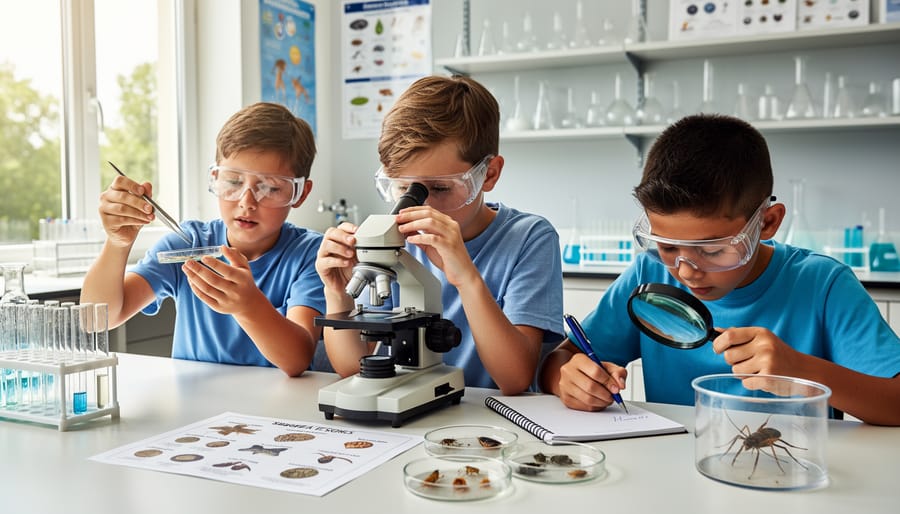
After the tide pool survey, participants return to base for breakfast and a debrief session where they enter their findings into databases, learning how citizen science contributes to broader research efforts. The morning continues with laboratory work, where campers might examine water samples under microscopes, identify plankton species, or analyze pH levels to understand ocean acidification impacts.
Mid-morning typically brings specialized workshops. Participants might learn proper fish handling techniques for tagging studies, practice underwater photography skills, or study marine mammal identification methods. These hands-on sessions emphasize both scientific methodology and conservation ethics, teaching young scientists to balance research needs with animal welfare.
Lunch provides a chance to connect with peers and instructors in informal settings, often sparking conversations that extend beyond the day’s activities. Afternoons usually involve boat-based fieldwork, from water quality monitoring to observing marine mammals in their natural habitat. For many participants, these offshore experiences prove transformative.
“When we encountered a pod of dolphins during our plankton sampling expedition, our instructor helped us understand their behavior while explaining why maintaining distance was crucial,” Maya explains. “That balance between observation and respect shaped how I approach conservation work today.”
Evening sessions typically feature seminars led by visiting researchers or conservation professionals who share their career paths and current projects. These presentations expose participants to diverse marine science careers, from policy work to field research. The day concludes around 9 PM with journal writing, allowing campers to reflect on their discoveries and questions that emerged throughout the day. This structured yet dynamic schedule creates an immersive experience that transforms casual interest into genuine scientific engagement.
The Science Skills Youth Take Home
Field Research Techniques That Matter
Summer marine biology camps introduce young scientists to the foundational fieldwork methods that professional researchers use daily. Through hands-on practice, participants develop skills that transform them from casual beach observers into systematic data collectors.
Transect surveys form the backbone of many camp research projects. Students learn to establish measured lines along shorelines or through tide pools, then systematically document every organism within defined boundaries. This technique teaches patience, attention to detail, and the importance of standardized methodology. One marine biologist recalls her first transect survey at age fifteen: “Counting every barnacle and limpet felt tedious at first, but when we mapped the data and saw patterns emerge about species distribution, I understood how small observations build big scientific understanding.”
Specimen identification challenges campers to master field guides, dichotomous keys, and observation techniques. They examine shell shapes, count fin rays, and note color patterns—skills that sharpen observational abilities far beyond the marine environment. Modern camps often pair traditional identification methods with photo documentation and species-tracking apps, preparing youth for contemporary citizen science initiatives.
Microscopy sessions reveal hidden marine worlds. Examining plankton samples, algae structures, and tiny invertebrates under magnification connects microscopic life to ecosystem health. Data recording practices—from waterproof field notebooks to digital spreadsheets—complete the skill set, teaching young researchers how scientists maintain accuracy and enable collaboration across projects and time.
Understanding Marine Ecosystems Through Direct Observation
There’s something transformative about observing a sea anemone’s tentacles retract at a touch or watching a cleaning shrimp perform its symbiotic dance with a fish. These immersive learning experiences at summer marine biology camps bring abstract concepts to vivid life in ways textbooks simply cannot replicate.
When students snorkel through kelp forests or examine tide pools, they witness food webs in action. They see how sea stars prey on mussels, how seabirds dive for fish, and how microscopic phytoplankton support entire ecosystems. Marine biologist Dr. Sarah Chen recalls her first research camp experience: “Watching a pod of dolphins hunt cooperatively completely changed how I understood predator-prey dynamics. I could suddenly visualize the energy transfer through trophic levels.”
Direct observation also reveals the delicate interdependencies within marine habitats. Students discover how coral polyps depend on zooxanthellae algae for nutrients, how rocky reefs provide nursery grounds for juvenile fish, and how seagrass beds stabilize sediments while sheltering countless invertebrates. These tangible encounters create lasting mental connections that inform conservation perspectives throughout students’ lives, whether they pursue marine science careers or become informed environmental advocates.
Conservation Projects That Create Real Impact
Summer marine biology camps transform young people from observers into active conservation practitioners through hands-on projects that generate measurable environmental benefits. These initiatives extend far beyond typical volunteer activities, creating real-world impact while developing leadership skills and scientific understanding.
Beach cleanup programs at these camps go deeper than simply removing trash. Participants conduct debris surveys following standardized protocols, documenting plastic types, quantities, and GPS coordinates. This data feeds into regional marine debris databases, helping scientists identify pollution sources and track trends over time. One camp in the Pacific Northwest reported that their youth teams removed over 2,000 pounds of marine debris in a single summer while contributing valuable research data to multiple university studies.
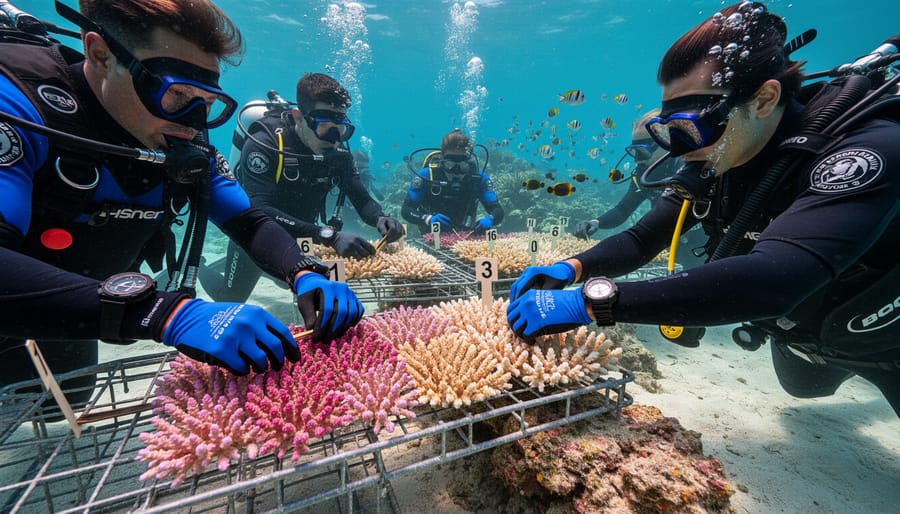
Coral restoration projects offer particularly compelling opportunities for youth involvement. Under expert guidance, campers learn to propagate coral fragments, monitor water quality, and transplant healthy specimens to degraded reef areas. A program in Florida has trained hundreds of teenagers in microfragmentation techniques, with participants helping restore over 5,000 coral colonies. Marine biologist Dr. Elena Rodriguez shares: “We’ve watched campers return year after year, eventually becoming certified restoration divers and training the next generation. They’re not just learning about conservation—they’re actively rebuilding ecosystems.”
Water quality monitoring initiatives teach campers to collect samples, analyze nutrient levels, and identify indicator species that reveal environmental health. These ongoing datasets help local authorities make informed management decisions about coastal development and pollution control.
Perhaps most transformative are community education campaigns designed and delivered by campers themselves. Youth teams create educational materials, lead beach walks for local residents, and present research findings at community meetings. These projects amplify conservation messages while building public speaking skills and confidence. The ripple effect is substantial—one camper’s presentation inspired their entire school district to eliminate single-use plastics from cafeterias, preventing an estimated 50,000 plastic bottles from entering waterways annually.
Who These Camps Serve Best
Summer marine biology camps welcome students across a broad spectrum of experience levels and backgrounds. Most programs accept participants between ages 14-18, though some offer specialized tracks for younger students (ages 10-13) or college-bound seniors seeking advanced research opportunities. The ideal candidate brings curiosity about ocean life and environmental issues rather than extensive prior knowledge—passion matters more than prerequisites.
These camps particularly benefit students exploring STEM careers, environmental advocacy, or conservation biology. “I came knowing nothing about marine ecosystems except what I’d seen in documentaries,” shares Maya Rodriguez, now a marine biology undergraduate. “The camp met me where I was and helped me discover a career path I never knew existed.” Programs typically organize participants into skill-appropriate groups, ensuring beginners receive foundational instruction while advanced students tackle complex research projects.
Students who thrive in these environments enjoy hands-on learning, outdoor activities, and collaborative work. Physical requirements vary by program—some involve snorkeling, kayaking, or beach fieldwork—but most camps accommodate different abilities and fitness levels. Financial barriers shouldn’t prevent participation; many programs offer scholarships, sliding-scale tuition, or volunteer-based attendance options to ensure diverse representation.
Whether your student dreams of becoming a marine biologist, wants to strengthen college applications, or simply loves the ocean, these camps provide transformative experiences. The combination of scientific rigor, leadership development, and conservation focus creates an inclusive environment where every participant can contribute meaningfully to protecting marine biodiversity.
Finding the Right Program for Your Young Marine Enthusiast
Selecting the ideal marine biology camp for your young enthusiast requires careful consideration of several key factors. Start by examining the program’s educational credentials and staff qualifications. Look for camps led by marine biologists, conservation professionals, or experienced educators with documented field experience. Don’t hesitate to ask about instructor-to-student ratios, as smaller groups typically provide more hands-on learning opportunities and personalized attention.
Location plays a crucial role in the camp experience. Coastal programs offer direct access to tide pools, estuaries, and marine ecosystems, while some inland camps utilize aquariums and research facilities. Consider whether your child would benefit more from ocean immersion or a facility-based approach. Duration varies widely, from weekend workshops to month-long intensive programs. Assess your young marine enthusiast’s attention span, commitment level, and schedule constraints when evaluating timeframes.
Cost considerations extend beyond tuition. Factor in travel expenses, required equipment, and any additional fees for specialized activities like boat trips or diving certifications. Many programs offer scholarships or sliding-scale fees, so inquire about financial assistance options that make marine science accessible to passionate learners regardless of economic background.
Specialization areas differentiate camps significantly. Some focus broadly on marine ecosystems, while others emphasize specific topics like shark conservation, coral reef ecology, or sea turtle rehabilitation. Match the program’s focus with your child’s particular interests to maximize engagement.
Ask directors about volunteer opportunities that extend beyond the camp session. Programs connected to ongoing conservation projects give participants pathways to continued involvement. Request contact information for alumni families who can share authentic experiences about how the program impacted their children’s scientific curiosity and conservation awareness. This insider perspective often reveals details not found in promotional materials.
The Long-Term Ripple Effect: Where Participants Go From Here
The transformative power of summer marine biology camps extends far beyond those few weeks spent exploring tide pools and conducting research. For many participants, these experiences plant seeds that grow into lifelong commitments to ocean conservation and scientific inquiry.
Dr. Sarah Chen, now a marine mammal researcher at a leading oceanographic institute, traces her career trajectory directly back to a teen marine biology camp she attended at age 15. “That summer was the first time I realized I could turn my love for the ocean into an actual career,” she recalls. “I learned to conduct proper field research, analyze data, and present findings—skills I still use daily.” Her story isn’t unique. Camp programs consistently produce graduates who pursue marine science degrees, with follow-up studies showing that approximately 40 percent of participants later choose environmental or scientific career paths.
Not every camper becomes a research scientist, but the impact remains profound. Marcus Rodriguez, now an environmental policy advocate, credits his camp experience with teaching him how individual actions create collective change. “I learned that conservation isn’t just about loving animals—it’s about understanding ecosystems and making informed decisions,” he explains. Today, he works to implement sustainable fishing policies while volunteering with coastal cleanup initiatives.
The pathway from camp participant to engaged citizen often includes continued conservation involvement through volunteer opportunities. Many camps maintain alumni networks that connect former participants with ongoing projects, from beach monitoring programs to citizen science initiatives. These connections ensure that the enthusiasm sparked during camp translates into sustained action.
For students considering their futures, marine biology camps offer more than summer enrichment—they provide mentorship, networking, and hands-on experience that strengthens college applications and clarifies career goals. The ripple effect continues as these former campers become the next generation of ocean advocates, educators, and scientists, perpetuating a cycle of environmental stewardship that extends from shoreline classrooms to research vessels worldwide.
Supporting Your Youth’s Marine Conservation Journey
Preparing your young marine enthusiast for camp starts with fostering curiosity before they arrive. Encourage them to research local marine species, watch documentaries about ocean ecosystems, and practice basic observation skills during beach visits. Pack accordingly with sun protection, water shoes, and a journal for documenting their discoveries and reflections.
During the camp experience, stay engaged by asking open-ended questions about what they’re learning rather than simple “how was your day” queries. This deeper dialogue helps solidify their knowledge and reveals emerging passions within marine science.
The learning shouldn’t end when camp does. Help maintain momentum by connecting your youth with ongoing opportunities. Many marine conservation organizations offer year-round volunteer programs where young people can contribute to beach cleanups, citizen science projects, and species monitoring initiatives. Dr. Lisa Hernandez, a marine biologist who attended similar camps as a teenager, recalls, “My parents helped me volunteer at our local aquarium after camp ended. That consistent exposure to marine environments transformed a summer interest into my life’s work.”
Consider establishing connections with local environmental groups, science museums, and university marine programs that welcome youth participation. Many organizations maintain mentorship networks pairing young conservationists with professionals in the field. Encourage your youth to document their experiences through photography, blogging, or presentations at school, reinforcing their learning while inspiring peers. Building this support network creates pathways from summer enthusiasm to lasting conservation leadership.
The future of our oceans depends on the next generation of marine stewards, and summer marine biology camps represent one of our most powerful tools for cultivating that essential leadership. As we’ve explored throughout this article, these programs offer far more than a memorable summer experience. They plant seeds of scientific curiosity, environmental responsibility, and conservation commitment that continue growing long after campers return home.
The transformative potential of these camps cannot be overstated. Young participants who spend their summer exploring tide pools, conducting field research, and learning from passionate marine biologists often emerge as lifelong ocean advocates. They develop the scientific literacy to understand complex marine issues, the critical thinking skills to evaluate conservation challenges, and the confidence to contribute meaningful solutions. These experiences create ripples that extend through communities as young people share their knowledge, influence family decisions, and inspire peers to care about marine ecosystems.
The urgency of this work grows clearer each year as our oceans face mounting pressures from climate change, pollution, and habitat destruction. We need passionate, informed advocates now more than ever. If you’re a parent or educator, we encourage you to explore camp opportunities for the young people in your life. For those unable to attend camps themselves, consider supporting scholarship programs or youth marine conservation initiatives that make these transformative experiences accessible to all backgrounds.
Every young person who connects with the ocean represents hope for a healthier marine future. Together, we can ensure that hope becomes reality.

jessica
Ava Singh is an environmental writer and marine sustainability advocate with a deep commitment to protecting the world's oceans and coastal communities. With a background in environmental policy and a passion for storytelling, Ava brings complex topics to life through clear, engaging content that educates and empowers readers. At the Marine Biodiversity & Sustainability Learning Center, Ava focuses on sharing impactful stories about community engagement, policy innovations, and conservation strategies. Her writing bridges the gap between science and the public, encouraging people to take part in preserving marine biodiversity. When she’s not writing, Ava collaborates with local initiatives to promote eco-conscious living and sustainable development, ensuring her work makes a difference both on the page and in the real world.