Marine Biodiversity Science Center

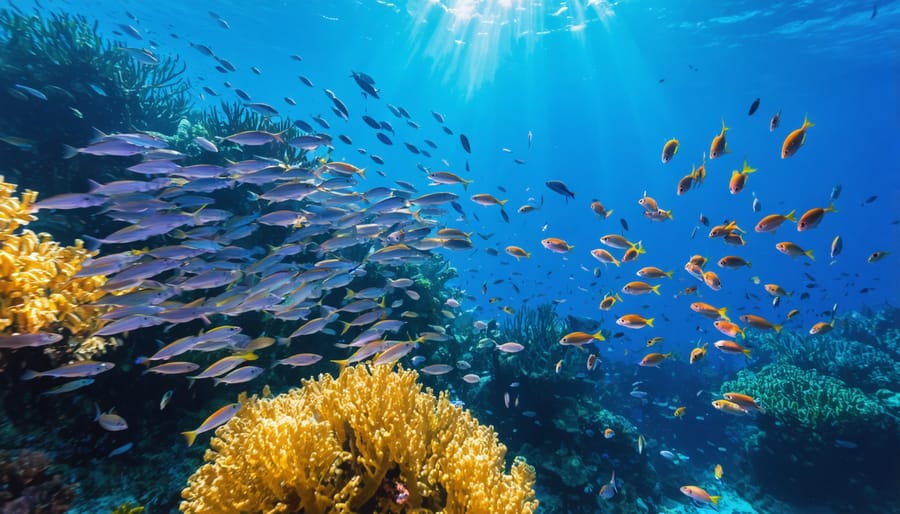
When a disease sweeps through a population, genetic diversity determines which individuals survive and which perish. This fundamental principle explains why some species weather environmental catastrophes while others vanish entirely. Genetic diversity—the variety of different genetic traits within a species—acts as nature’s insurance policy, equipping populations with the tools to adapt, resist threats, and persist through change.
Consider two scenarios: a population of fish where every individual shares nearly identical genes versus one with wide genetic variation. When ocean temperatures rise or a new parasite emerges, the genetically uniform group faces potential extinction if none possess resistance traits. The diverse population, however, likely contains individuals with genes enabling survival under new conditions. These survivors reproduce, passing advantageous traits to offspring. This process, observable in coral reefs adapting to warming waters, demonstrates genetic diversity’s practical power.
The mechanisms extend beyond disease resistance. Genetic variation influences feeding efficiency, reproductive success, behavioral flexibility, and stress tolerance. Species with robust genetic diversity maintain larger, more stable populations capable of colonizing new habitats and recovering from population crashes. Conversely, genetically depleted populations enter dangerous spirals where inbreeding compounds vulnerabilities, often leading to extinction.
Understanding these mechanisms transforms conservation approaches. Protecting genetic diversity becomes as critical as protecting population numbers—a shift reshaping marine conservation strategies worldwide and inspiring new opportunities for collective action.
What Genetic Diversity Actually Means in the Ocean
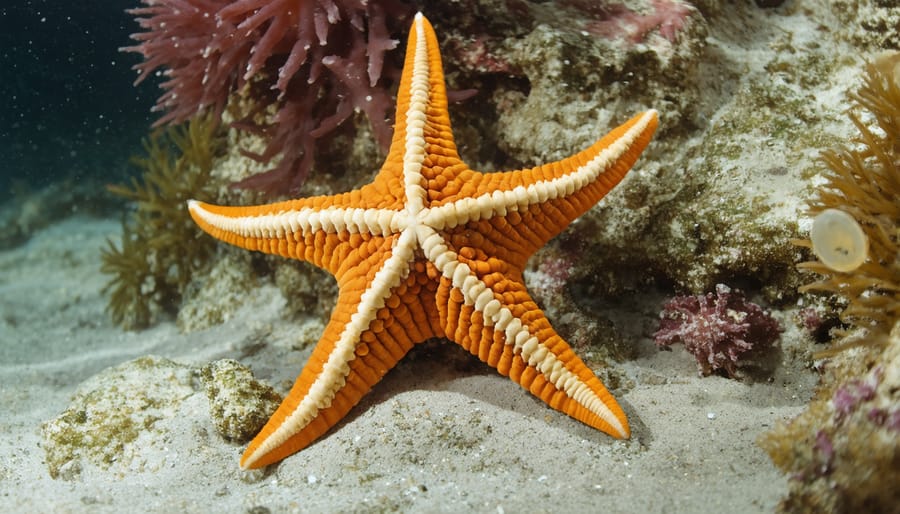
The Building Blocks: Genes, Mutations, and Variation
Genetic diversity begins at the molecular level, where DNA serves as the instruction manual for every living organism. In marine populations, this diversity arises through three primary mechanisms that work together like currents shaping the ocean itself.
Mutations are the original source of genetic variation. These spontaneous changes in DNA sequences occur naturally during cell division or when organisms are exposed to environmental factors like UV radiation from sunlight penetrating shallow waters. While many mutations are neutral, some create new traits that help marine species adapt to changing conditions. Dr. Maria Santos, a marine geneticist who has studied coral populations for 15 years, explains it beautifully: “Think of mutations as nature’s experiments. Most don’t change much, but occasionally one creates a coral polyp better equipped to handle warmer temperatures or a fish with enhanced disease resistance.”
Sexual reproduction shuffles existing genetic material like a deck of cards, creating unique combinations in offspring. When two sea turtles mate, their young inherit different genetic variants from each parent, ensuring no two siblings are identical. This mixing generates tremendous diversity within populations.
Gene flow adds another layer through the movement of individuals or their genetic material across distances. Ocean currents act as genetic highways, carrying larvae, sperm, and eggs across vast distances. A larval fish drifting from one reef system to another brings new genetic variants to its destination, enriching the local population’s genetic toolkit. This connectivity between marine populations becomes especially crucial when local groups face environmental stress, as fresh genetic input can provide the raw material needed for adaptation and survival.
Measuring Diversity Beneath the Waves
Scientists use several innovative techniques to measure genetic diversity in ocean populations, and many of these methods are becoming more accessible than ever. The most common approach involves collecting small tissue samples—often just a tiny fin clip from fish or a small piece of coral—which can be analyzed in laboratories to reveal the genetic makeup of individuals and populations.
Modern DNA sequencing technology allows researchers to identify genetic markers, similar to reading a barcode that shows how genetically different individuals are from one another. Marine biologist Dr. Sarah Chen explains, “We can now process hundreds of samples in weeks rather than years, giving us a much clearer picture of population health.”
Citizen scientists are increasingly joining these efforts too. Volunteers help collect water samples for environmental DNA analysis, where genetic material shed by marine creatures into the water reveals which species are present and how diverse their populations are. These collaborative approaches make genetic monitoring more comprehensive while offering hands-on opportunities for anyone passionate about marine conservation to contribute meaningful data to ongoing research projects.
The Survival Advantage: How Genetic Diversity Protects Marine Populations
Adapting to Temperature Shifts and Ocean Acidification
Our oceans are changing rapidly, with temperatures rising and ocean acidification intensifying at unprecedented rates. Yet within these challenging conditions lies a powerful survival mechanism: genetic diversity. When a population possesses varied genetic traits, some individuals naturally carry genes that enable them to tolerate environmental extremes that would be lethal to others.
Consider coral reefs, often called the rainforests of the sea. While many coral colonies bleach and die during marine heatwaves, researchers have discovered certain genotypes that show remarkable heat tolerance. Dr. Madeleine van Oppen, a marine biologist working on Australia’s Great Barrier Reef, shares an inspiring observation: “We’ve identified coral colonies that survived multiple bleaching events while their neighbors perished. These survivors carry genetic variations affecting their stress response proteins, allowing them to maintain their symbiotic algae at higher temperatures.”
This genetic variation isn’t limited to corals. Atlantic silverside fish populations along the North American coast demonstrate genetic adaptations to warming waters, with northern populations showing greater genetic capacity for temperature tolerance. Similarly, some sea urchin populations possess genetic variants that help them build stronger shells despite acidifying conditions.
The implications are profound for conservation. Protecting genetically diverse populations gives species the raw material needed for adaptation. Marine protected areas that safeguard multiple populations across different environments preserve this crucial genetic variation. When we maintain diverse gene pools, we’re essentially preserving nature’s own insurance policy against environmental change.
For those inspired to contribute, numerous volunteer opportunities exist in coral restoration projects and citizen science programs monitoring marine species’ responses to changing conditions. Your participation helps scientists track these adaptive processes in real-time, informing conservation strategies that protect the genetic diversity our ocean species desperately need.
Fighting Disease and Parasites
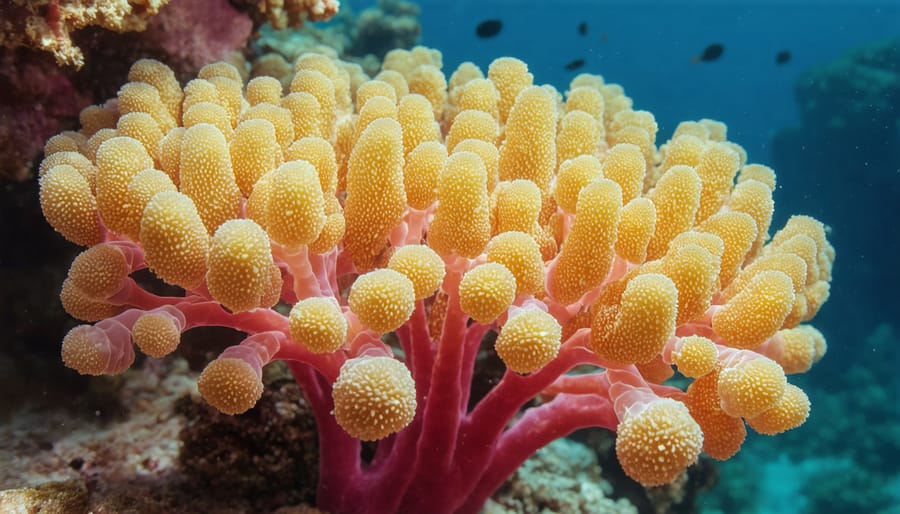
Disease outbreaks can devastate marine populations, but genetic diversity serves as a critical defense mechanism. When a population contains individuals with varied genetic makeup, some members may possess natural resistance to specific pathogens or parasites that others lack. This variation means that even when disease strikes, the entire population won’t be eliminated.
The sea star wasting disease outbreak beginning in 2013 dramatically illustrates this principle. This devastating condition caused sea stars along the Pacific coast to literally disintegrate, wiping out massive numbers in some areas. However, certain populations showed remarkable resilience. Scientists discovered that genetic differences among sea star populations influenced survival rates, with some individuals carrying genes that provided greater disease resistance. These survivors became the foundation for population recovery.
Similarly, oyster populations face constant threats from parasites like Perkinsus marinus and Haplosporidium nelsoni. In Chesapeake Bay, wild oyster populations with higher genetic diversity have demonstrated better survival rates during parasite outbreaks compared to genetically uniform farmed populations. The diverse gene pool means some oysters naturally possess immune responses that help them fight off infections.
Marine biologist Dr. Sarah Chen, who studies oyster resilience, shares: “We’ve watched genetically diverse reefs bounce back from parasite outbreaks that completely destroyed uniform populations nearby. It’s nature’s insurance policy in action.”
This genetic safety net doesn’t just help individual species—it maintains entire ecosystem functions. When diverse populations survive disease events, they preserve the ecological roles these species play, from water filtration to predator-prey balance, ensuring marine ecosystems remain functional and resilient.
Responding to Pollution and Human Pressures
Human activities have introduced unprecedented challenges to marine ecosystems, from industrial pollutants to plastic contamination. Genetic diversity provides species with their best defense against these modern threats, functioning as a biological insurance policy when environments change rapidly.
Consider the Atlantic killifish, a remarkable example of evolutionary adaptation in action. Populations living in heavily polluted harbors have developed resistance to toxic chemicals that would be lethal to their genetically uniform cousins. Marine biologist Dr. Sarah Chen, who studies these resilient fish, notes: “We’ve found that populations with higher genetic variation can respond more quickly to pollutants. Some individuals carry genes that help them process toxins more efficiently, and those traits spread through the population when pollution becomes a survival challenge.”
This principle extends across marine species facing human pressures. Coral populations with diverse genetic backgrounds show varied responses to ocean acidification, while some fish populations possess genes that help them tolerate warmer waters or navigate around marine debris. The key lies in having enough genetic variation that at least some individuals can survive new challenges.
Conservation efforts increasingly focus on preserving this genetic diversity. You can contribute by participating in citizen science projects that help researchers map genetic variation in local marine populations. Organizations like Ocean Wise offer volunteer opportunities for collecting samples that inform conservation strategies, ensuring we protect not just species numbers, but the genetic toolkit that enables their long-term survival.
Bouncing Back from Population Crashes
When a population crashes—whether from overfishing, disease outbreaks, or habitat destruction—the survivors face a genetic bottleneck. This dramatic reduction in population size means fewer individuals carry the remaining genetic variation forward, like shuffling a deck of cards but only keeping a handful. The result? A genetically impoverished population that struggles to adapt to future challenges.
Here’s where genetic diversity makes all the difference. Populations with higher initial diversity can better weather these bottlenecks because they retain more genetic tools for adaptation. Marine biologist Dr. Sarah Chen, who studies Pacific salmon recovery, explains: “We’ve seen populations with strong genetic diversity bounce back from 90% declines within a few generations, while genetically uniform populations remain vulnerable to the next environmental shock.”
Coral reefs demonstrate this principle beautifully. Following bleaching events, genetically diverse coral populations show faster recovery rates because some individuals possess heat-tolerance genes that help them survive warming waters. These survivors then repopulate the reef with their resilient traits.
Conservation efforts now prioritize protecting genetic diversity before crashes occur, while also connecting fragmented populations to maintain gene flow during recovery. By supporting these initiatives through citizen science programs and habitat restoration projects, we help ensure populations have the genetic resources needed to bounce back stronger.
When Diversity Disappears: The Dangers Facing Marine Species
Isolated Populations and Habitat Fragmentation
When populations become separated by barriers, whether mountains, vast ocean distances, or increasingly, human infrastructure like dams and shipping lanes, something troubling happens: genetic diversity begins to erode. Marine species that once exchanged genes freely across their range now exist in isolated pockets, each population working with a progressively smaller genetic toolbox.
Think of it like this. Imagine a coral reef system where healthy gene flow once connected populations along hundreds of miles of coastline. Fish, larvae, and other organisms regularly traveled between reefs, mixing genetic material. Then coastal development creates a barrier—perhaps pollution, dredging, or habitat destruction fragments the once-continuous reef. Now each isolated population can only breed within its own group.
Over generations, these separated populations lose genetic variation through a process called genetic drift. Harmful mutations may accumulate without the influx of new genetic material to counterbalance them. The populations become less resilient to disease, environmental changes, and other threats.
Dr. Maria Santos, a marine geneticist studying Mediterranean fish populations, witnessed this firsthand: “We tracked populations separated by just 50 kilometers of degraded habitat. Within twenty years, we measured significant drops in genetic markers associated with disease resistance.”
Human-made barriers prove particularly problematic because they appear rapidly in evolutionary terms. Species haven’t had millennia to adapt. Dams block salmon migrations. Marine protected areas, while beneficial, can inadvertently isolate populations if connectivity corridors aren’t maintained. Even underwater noise pollution can prevent marine mammals from reaching traditional breeding grounds.
Understanding these fragmentation patterns helps conservationists prioritize creating wildlife corridors and maintaining habitat connectivity—essential strategies for preserving the genetic diversity that keeps populations thriving.

Overfishing and Selective Pressures
Overfishing creates intense selective pressures that fundamentally alter the genetic makeup of marine populations. When commercial fishing operations remove massive numbers of individuals from the ocean, they don’t do so randomly. Fishing practices often target the largest, most reproductively successful individuals, effectively removing the strongest genes from the breeding pool before they can be passed to future generations.
This selective removal has profound consequences. In many fish populations, we’re seeing what marine biologists call “fisheries-induced evolution,” where the average size and age of maturity decreases over time. For example, Atlantic cod populations that once matured at larger sizes now reach reproductive age earlier and at smaller sizes, a direct genetic response to decades of harvesting the biggest individuals.
Dr. Elena Rodriguez, a fisheries geneticist I spoke with recently, explained it this way: “Every time we pull a net full of trophy-sized fish from the ocean, we’re essentially conducting an unintended breeding experiment, selecting for smaller, slower-growing individuals.” This genetic shift reduces the population’s overall fitness and resilience.
The narrowed genetic pool means these populations have fewer tools to adapt to environmental changes like warming waters or ocean acidification. Recovery becomes increasingly difficult because the genetic diversity needed for adaptation has been permanently removed from the population.
Real-World Success Stories: Marine Species That Beat the Odds
When the northern elephant seal population crashed to fewer than 100 individuals in the 1890s due to hunting, many experts believed the species was doomed. Yet today, over 200,000 northern elephant seals populate the Pacific coast. However, this remarkable recovery comes with a hidden cost. Genetic studies reveal these seals have extraordinarily low genetic diversity—a bottleneck effect that scientists continue monitoring closely. While the species survived, their limited genetic variation makes them more vulnerable to future diseases and environmental changes.
In contrast, the humpback whale population tells a more encouraging story. Dr. Maria Santos, a marine geneticist who has spent fifteen years studying humpback recovery, shares her perspective: “When I first analyzed DNA samples from different humpback populations in 2008, I was amazed by the genetic diversity that had persisted despite commercial whaling. This diversity became their lifeline.” Her research showed that while some populations suffered genetic bottlenecks, others maintained robust variation. Conservation efforts that protected breeding grounds across multiple ocean regions helped preserve this crucial diversity.
The Atlantic salmon presents perhaps the most active conservation success story. Norwegian and Canadian programs now maintain genetic banks—frozen repositories of salmon DNA from various populations. When restocking rivers, biologists carefully select individuals from genetically diverse sources rather than using a single hatchery strain. This approach has dramatically improved survival rates in restored populations.
Dr. Santos recalls a pivotal moment in her career: “We were working with a struggling coral population in the Caribbean when we discovered that colonies from different genetic backgrounds survived heat stress differently. By actively transplanting diverse coral fragments rather than cloning a single resistant type, we created a more resilient reef community. Watching those corals thrive through the next warming event was incredibly rewarding.”
These success stories demonstrate that understanding and preserving genetic diversity isn’t just theoretical—it directly influences conservation outcomes. Many marine research stations now welcome volunteers to assist with genetic sampling programs, offering hands-on opportunities to contribute to species survival while learning cutting-edge conservation techniques.
What We Can Do to Protect Genetic Diversity in Our Oceans
Conservation Strategies That Work
Protecting genetic diversity requires coordinated conservation efforts that address multiple threats simultaneously. Marine protected areas (MPAs) serve as crucial refuges where species can maintain healthy population sizes and genetic variation without pressure from fishing or habitat destruction. These designated zones allow different populations to interact and exchange genes, preventing the isolation that leads to inbreeding. Research shows that well-managed MPAs can restore genetic diversity within a generation for some fish species.
Genetic rescue programs offer hope for species already showing signs of low diversity. These initiatives involve carefully moving individuals between isolated populations to introduce new genetic material. Marine biologist Dr. Sarah Chen describes working with endangered abalone populations: “We transported juveniles between coastal sites 200 kilometers apart. Within three breeding seasons, we documented increased genetic variation and improved disease resistance.”
Sustainable fishing practices play an equally vital role. Size-selective fishing that targets only mature adults while protecting juveniles helps maintain age diversity within populations. This approach preserves different genetic lineages that mature at various rates. Seasonal fishing closures during spawning periods ensure that diverse individuals successfully reproduce, passing their genes to future generations.
Volunteers can support these strategies through citizen science programs that collect DNA samples, monitor protected areas, and advocate for science-based fishing regulations. Every action contributes to preserving the genetic toolkit that marine species need to survive environmental challenges.

How You Can Make a Difference
Understanding how genetic diversity protects species is just the beginning—you can actively contribute to conservation efforts that safeguard this vital resource. The Marine Biodiversity Science Center offers numerous volunteer opportunities where you can participate directly in genetic research and conservation initiatives. Whether you’re helping collect tissue samples for DNA analysis, assisting with field surveys of marine populations, or contributing to laboratory work processing genetic data, your involvement makes tangible impacts on our understanding of species resilience.
Citizen science projects provide accessible entry points for anyone passionate about marine conservation. Programs like reef monitoring initiatives allow you to document species abundance and health in local waters, generating crucial data that scientists use to assess genetic diversity patterns. Mobile apps now enable you to photograph and log marine species encounters, contributing to databases that track population distributions and genetic connectivity across regions.
Supporting conservation financially also drives meaningful change. Donations to marine research institutions fund genetic sequencing projects, habitat restoration efforts, and breeding programs that maintain healthy gene pools in threatened species. Even small contributions support the infrastructure needed for long-term monitoring of genetic diversity.
Dr. Maria Santos, a marine biologist at the Center, shares her perspective: “Every volunteer hour, every species observation, every donation—these actions collectively create the foundation for effective conservation. When communities engage with genetic diversity research, they become invested stewards of ocean health.” Your participation, regardless of form, strengthens the network of people working to ensure marine species thrive for generations to come.
Genetic diversity stands as the invisible cornerstone of marine resilience, weaving through every ocean ecosystem and determining which species can weather the storms of environmental change. Without this crucial variety in genes, our oceans would lack the adaptive capacity to face rising temperatures, ocean acidification, and shifting habitats. As we’ve explored throughout this article, genetic diversity powers everything from disease resistance to reproductive success, creating populations robust enough to persist across generations.
The good news? Each of us holds the power to protect this fundamental resource. Whether you’re documenting marine species through citizen science programs, supporting marine protected areas, or sharing knowledge within your community, your actions contribute to preserving the genetic richness that keeps ocean life thriving. Marine biologist Dr. Elena Rodriguez puts it simply: “Every conservation choice we make today ripples through future generations of marine life.”
The urgency is real, but so is our collective capacity for impact. By understanding how genetic diversity functions as nature’s insurance policy, we can make informed decisions that safeguard not just individual species, but entire ocean ecosystems. The time to act is now, protecting this invisible yet indispensable foundation of marine survival for generations to come.

jessica
Ava Singh is an environmental writer and marine sustainability advocate with a deep commitment to protecting the world's oceans and coastal communities. With a background in environmental policy and a passion for storytelling, Ava brings complex topics to life through clear, engaging content that educates and empowers readers. At the Marine Biodiversity & Sustainability Learning Center, Ava focuses on sharing impactful stories about community engagement, policy innovations, and conservation strategies. Her writing bridges the gap between science and the public, encouraging people to take part in preserving marine biodiversity. When she’s not writing, Ava collaborates with local initiatives to promote eco-conscious living and sustainable development, ensuring her work makes a difference both on the page and in the real world.