Marine Biodiversity Science Center

Investing strategically in today’s dynamic business landscape demands a sophisticated approach that balances risk management with opportunity optimization. Smart investors recognize that successful business investment strategy extends far beyond traditional stock picking and portfolio diversification. It requires a deep understanding of market forces, emerging technologies, and environmental, social, and governance (ESG) factors that increasingly drive long-term value creation.
Today’s most successful investors combine rigorous financial analysis with forward-thinking approaches to sustainability and innovation. They understand that companies addressing critical environmental challenges, particularly in sectors like marine conservation and renewable energy, represent both a moral imperative and a significant market opportunity. This dual focus on financial returns and positive impact has become essential in an era where conscious capitalism shapes investment decisions.
The key to developing a robust business investment strategy lies in creating a framework that aligns with both market realities and future trends. This means evaluating traditional metrics like revenue growth and market share while also considering factors such as technological disruption, regulatory changes, and sustainability initiatives. Successful investors recognize that comprehensive due diligence must encompass both quantitative analysis and qualitative assessment of a company’s long-term resilience and adaptive capacity.
This strategic approach to business investment not only helps identify promising opportunities but also builds resilience against market volatility and systemic risks. By incorporating environmental and social considerations into investment decisions, investors can better position themselves for sustained success in an increasingly complex and interconnected global economy.
Understanding the Blue Economy Investment Landscape
Key Market Segments
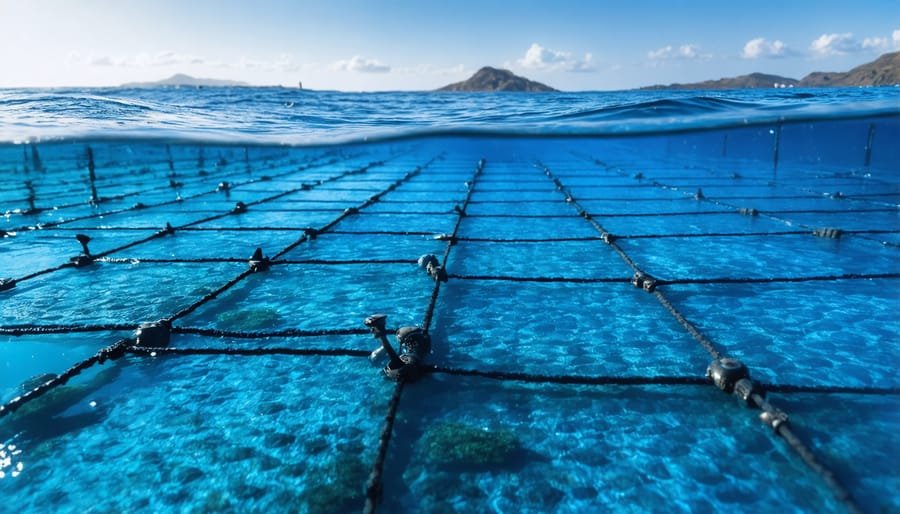
The blue economy presents several promising investment opportunities across emerging market segments. Sustainable aquaculture stands out as a rapidly growing sector, with projections suggesting a market value exceeding $275 billion by 2025. This segment focuses on environmentally responsible fish farming and seaweed cultivation, addressing both food security concerns and marine habitat preservation.
Marine biotechnology represents another high-potential segment, leveraging ocean resources for pharmaceutical, cosmetic, and industrial applications. Companies in this space are developing innovative solutions from marine organisms, creating sustainable alternatives to traditional products while maintaining ecosystem balance.
Ocean cleanup technologies form a particularly dynamic segment, with increasing investment opportunities in plastic collection systems, water filtration, and waste management solutions. This sector benefits from growing environmental awareness and stricter regulations regarding ocean pollution.
Each of these segments offers distinct advantages for investors seeking both financial returns and positive environmental impact. Success in these markets often requires a deep understanding of marine ecosystems, regulatory frameworks, and sustainable practices, making them particularly attractive for impact investors and environmentally conscious venture capitalists.

Risk Assessment Framework
Investing in ocean-focused startups requires a unique approach to risk assessment due to the complex interplay between environmental factors and business viability. Primary considerations include regulatory compliance with maritime laws, environmental impact assessments, and potential changes in ocean policy frameworks.
Market volatility in marine sectors presents distinct challenges, particularly in emerging areas like sustainable aquaculture and ocean renewable energy. Investors should evaluate both immediate environmental risks, such as climate change impacts and marine ecosystem degradation, alongside traditional business risks like market competition and technological feasibility.
A comprehensive risk assessment framework should incorporate:
– Environmental impact analysis and regulatory compliance verification
– Technology readiness evaluation, especially for marine-specific innovations
– Market demand validation through pilot projects
– Assessment of scalability within marine environments
– Supply chain resilience considering ocean-specific challenges
To mitigate risks, investors should seek startups with strong partnerships in marine research institutions, clear environmental monitoring protocols, and adaptable business models. Regular stakeholder engagement, including local fishing communities and environmental organizations, can provide valuable risk insights and support sustainable growth strategies.
The key is balancing potential returns with environmental stewardship, ensuring investments contribute positively to ocean health while maintaining financial viability.
Investment Strategies for Maximum Impact
Due Diligence in Marine Tech
When evaluating marine technology startups, thorough due diligence requires a unique blend of technical assessment and environmental impact analysis. Begin by examining the startup’s core technology through detailed prototype testing and validation from marine engineering experts. Pay special attention to durability in saltwater conditions and compliance with maritime regulations.
Environmental impact assessments should focus on both immediate and long-term effects on marine ecosystems. Request independent third-party evaluations of the technology’s interaction with marine life and habitat disruption potential. Consider the startup’s carbon footprint and their strategy for minimizing environmental impact during deployment and operation.
Key technical validation points include:
– Scalability of the solution
– Energy efficiency metrics
– Material sustainability
– Maintenance requirements in marine conditions
– Integration capabilities with existing maritime infrastructure
Evaluate the team’s expertise by looking for a balance of marine science backgrounds and technical engineering experience. Successful marine tech ventures typically combine deep ocean knowledge with practical engineering solutions.
Environmental impact factors to assess:
– Effects on local marine biodiversity
– Acoustic impact on marine mammals
– Chemical leaching potential
– End-of-life disposal plans
– Contribution to ocean conservation goals
Consider partnering with marine research institutions for technical validation and environmental impact studies. Their involvement can provide credibility and valuable insights into the technology’s real-world application and ecological consequences.
Portfolio Diversification
A well-balanced investment portfolio in the blue economy requires careful consideration of both environmental impact and financial returns. By spreading investments across multiple ocean-focused sectors, investors can minimize risks while maximizing their potential for positive environmental change.
Key sectors for diversification include sustainable aquaculture, renewable marine energy, ocean cleanup technologies, and coastal tourism. Each sector presents unique opportunities and challenges, making it essential to understand their interconnections and market dynamics.
Consider allocating investments using the 30-30-40 approach: 30% in established blue economy companies with proven track records, 30% in emerging technologies and innovative startups, and 40% in sustainable infrastructure projects. This balance helps maintain stability while supporting breakthrough solutions for ocean conservation.
Risk assessment should factor in both environmental and financial metrics. Look for companies with strong environmental, social, and governance (ESG) scores alongside traditional financial indicators. Companies demonstrating commitment to marine ecosystem preservation often show better long-term resilience and stakeholder support.
Geographic diversification is equally important. Different coastal regions face varying challenges and opportunities, from coral reef restoration in tropical waters to sustainable fishing practices in temperate zones. By investing across different regions, you can support diverse marine conservation efforts while spreading regional market risks.
Remember to regularly review and rebalance your portfolio as market conditions and environmental priorities evolve. Stay informed about emerging marine conservation technologies and adjust your investment strategy accordingly.
Impact Metrics
Measuring the success of marine-focused investments requires a dual approach that tracks both financial returns and environmental impact. Key financial metrics include Return on Investment (ROI), Internal Rate of Return (IRR), and payback period. For ocean-focused ventures, ROI typically ranges from 15-25% annually, while sustainable marine projects often see longer payback periods of 3-5 years.
Environmental impact metrics are equally crucial and should include:
– Marine biodiversity indices
– Reduction in plastic waste (measured in tons)
– Carbon sequestration rates
– Area of marine habitat restored (in square kilometers)
– Number of endangered species protected
– Water quality improvements
Successful ocean-focused ventures often implement the following measurement frameworks:
– Global Reporting Initiative (GRI) Standards
– UN Sustainable Development Goals (SDGs) alignment
– Marine Stewardship Council (MSC) certification metrics
– Ocean Health Index scores
To effectively track these metrics, investors should:
1. Establish clear baseline measurements
2. Set specific, measurable targets
3. Conduct regular impact assessments
4. Engage third-party verifiers
5. Report progress transparently
Leading organizations combine these metrics into comprehensive scorecards, providing stakeholders with regular updates on both financial performance and conservation impact. This integrated approach helps identify areas for improvement while demonstrating the viable connection between profitable investments and ocean conservation.
Success Stories and Case Studies
Breakthrough Technologies
In recent years, several groundbreaking startups have demonstrated remarkable success in scaling sustainable ocean-focused solutions. Among the most notable achievements are marine biotechnology innovations that have transformed waste plastic into valuable materials, with companies like OceanWorks securing major partnerships with global beverage manufacturers.
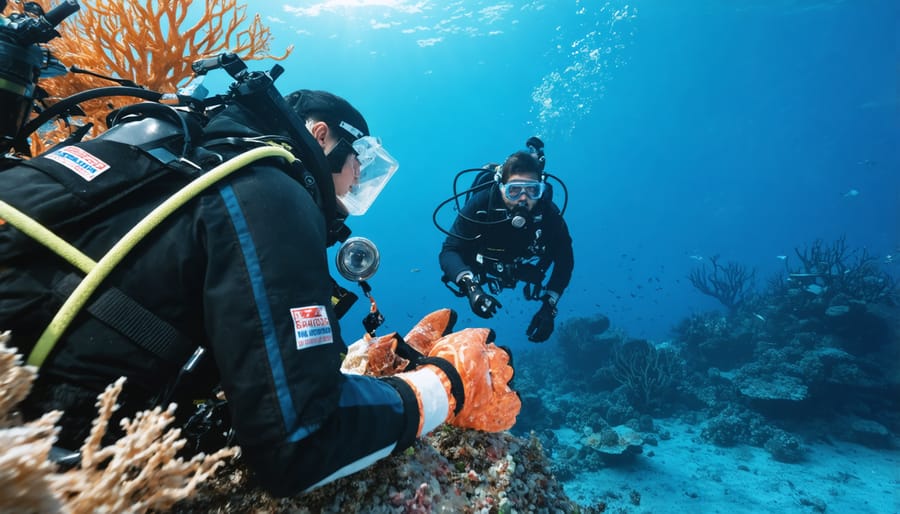
Coral restoration technology has seen significant advancement through companies like Coral Vita, which successfully raised $2 million in seed funding to expand their land-based coral farming operations. Their scalable approach has proven particularly attractive to impact investors, demonstrating the potential for profitable conservation solutions.
Wave energy startups have made remarkable progress, with companies like Eco Wave Power successfully deploying commercial-scale installations in multiple countries. Their innovative approach to wave energy conversion has attracted both private and institutional investors, showcasing the viability of ocean-based renewable energy solutions.
In the aquaculture sector, Aquaai’s biomimetic fish robots have revolutionized underwater monitoring systems, securing contracts with major salmon farming operations. This breakthrough has significantly reduced operational costs while improving environmental impact assessment capabilities.
These success stories highlight the growing potential for scalable, ocean-focused technologies that deliver both environmental benefits and attractive returns for investors. The key to their success has been the combination of innovative technology, clear market demand, and strategic partnerships with established industry players.
Investment Returns
Successful investments in marine conservation and sustainable ocean enterprises consistently demonstrate both financial viability and significant environmental impact. Recent market analyses show that blue economy investments have yielded average returns of 8-12% annually over the past five years, with some sustainable aquaculture ventures achieving returns as high as 25%.
Environmental returns are equally impressive, though measured differently. Investment in coral reef restoration projects has shown a 3:1 benefit-cost ratio, with every dollar invested generating three dollars in environmental services, including enhanced biodiversity, improved coastal protection, and increased fish populations.
Marine technology startups focusing on ocean cleanup have demonstrated particularly strong performance. Companies developing autonomous cleanup vessels have secured follow-on funding at increased valuations, while simultaneously removing thousands of tons of plastic from our oceans. Similarly, sustainable fishing technology investments have shown 15-20% returns while helping fish populations recover in managed areas.
Impact investors report that combining traditional financial metrics with environmental performance indicators provides a more comprehensive view of investment success. Key environmental returns include:
– Restoration of marine habitats
– Reduction in ocean plastic pollution
– Recovery of endangered species populations
– Improved coastal community livelihoods
– Enhanced ecosystem resilience
These dual returns demonstrate that profitability and ocean conservation can work hand in hand, creating sustainable business models that benefit both investors and marine ecosystems.
The blue economy presents unprecedented opportunities for investors seeking both environmental impact and financial returns. As we’ve explored throughout this article, successful investment strategies in this sector require a balanced approach combining market analysis, environmental consciousness, and innovative thinking.
Key investment strategies that have proven successful include diversifying portfolios across multiple ocean-based sectors, prioritizing companies with strong environmental, social, and governance (ESG) metrics, and focusing on scalable solutions that address critical marine challenges. The development of sustainable marine infrastructure continues to be a cornerstone of blue economy investments, offering significant growth potential while supporting ocean health.
Looking ahead, the future of blue economy investments appears promising, with several emerging trends shaping the landscape. Technology-driven solutions in aquaculture, marine renewable energy, and ocean data analytics are expected to drive significant growth. Additionally, increasing global focus on climate change mitigation and adaptation strategies is likely to boost investment opportunities in coastal resilience and marine conservation projects.
Investors should remain mindful of the evolving regulatory environment, particularly regarding ocean resource management and environmental protection. Success in this space will require staying informed about policy changes, technological advancements, and shifting market dynamics.
For those considering entry into blue economy investments, we recommend:
– Starting with well-established sectors while monitoring emerging opportunities
– Building partnerships with experienced marine industry professionals
– Conducting thorough due diligence on environmental impact assessments
– Maintaining a long-term perspective on returns
– Actively participating in marine conservation networks and forums
As our understanding of ocean ecosystems deepens and technology advances, new investment opportunities will continue to emerge. By combining careful analysis with environmental stewardship, investors can contribute to ocean conservation while building sustainable, profitable portfolios in the growing blue economy sector.

jessica
Ava Singh is an environmental writer and marine sustainability advocate with a deep commitment to protecting the world's oceans and coastal communities. With a background in environmental policy and a passion for storytelling, Ava brings complex topics to life through clear, engaging content that educates and empowers readers. At the Marine Biodiversity & Sustainability Learning Center, Ava focuses on sharing impactful stories about community engagement, policy innovations, and conservation strategies. Her writing bridges the gap between science and the public, encouraging people to take part in preserving marine biodiversity. When she’s not writing, Ava collaborates with local initiatives to promote eco-conscious living and sustainable development, ensuring her work makes a difference both on the page and in the real world.