Marine Biodiversity Science Center

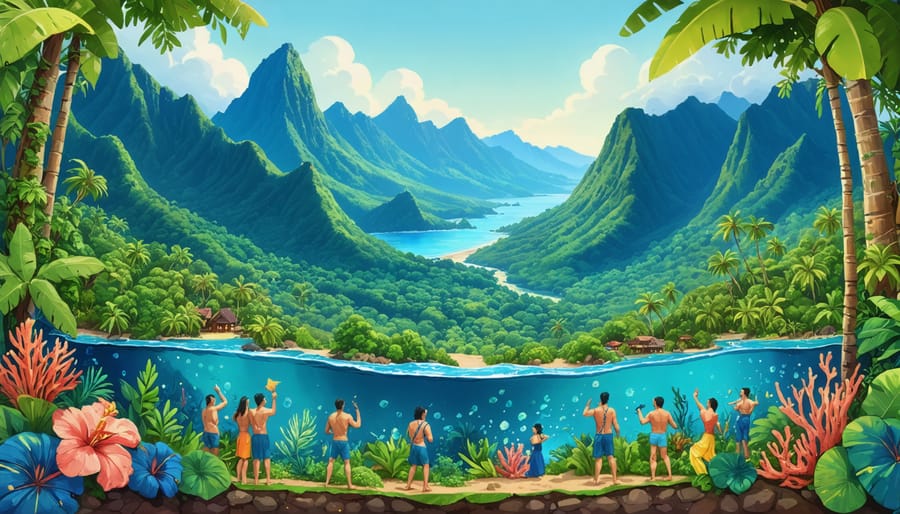
Hawaii’s marine protected areas stand as living testaments to the power of traditional Hawaiian conservation practices merged with modern scientific management. Spanning over 1,200 square miles of pristine ocean waters, these sanctuaries safeguard some of the Pacific’s most remarkable marine ecosystem biodiversity, from vibrant coral reefs to endangered species like the Hawaiian monk seal. Through a unique community-based management system known as ‘ahupua’a,’ these protected areas demonstrate how ancient wisdom and contemporary conservation methods can work in harmony to preserve ocean ecosystems for future generations. Today, these marine sanctuaries not only serve as crucial breeding grounds and habitat protection zones but also as living laboratories where scientists, local communities, and cultural practitioners collaborate to develop innovative conservation strategies. As climate change and human activities continue to threaten ocean health worldwide, Hawaii’s marine protected areas offer a blueprint for successful ecosystem management that balances environmental protection with sustainable resource use and cultural preservation.
Traditional Hawaiian Marine Management: The Foundation of Modern Protection
The Ahupua’a System
The ahupua’a system, developed by ancient Hawaiians, represents one of the world’s most sophisticated land-to-sea management approaches. This traditional system divided islands into wedge-shaped sections extending from mountain peaks to outer reef areas, recognizing the critical connection between terrestrial and marine ecosystems.
Each ahupua’a contained all the resources its inhabitants needed for survival, from upland forests to coastal fishing grounds. Communities within these divisions practiced careful resource management, understanding that actions in upstream areas directly affected downstream marine environments. They implemented kapu (restrictions) during specific seasons to prevent overfishing and allow marine life to reproduce.
This holistic management approach ensured sustainable resource use through generations. Local konohiki (resource managers) monitored environmental conditions and enforced conservation practices. The system’s success relied on intimate knowledge of natural cycles, weather patterns, and species behaviors.
Today, many modern marine protection efforts in Hawaii draw inspiration from ahupua’a principles, recognizing that effective marine conservation must consider the entire ecosystem, from ridge to reef. This traditional knowledge continues to inform contemporary conservation strategies and community-based resource management programs.

Cultural Practices in Marine Conservation
In Hawaii, traditional cultural practices continue to play a vital role in marine conservation efforts. The ancient Hawaiian system of kapu, which regulated fishing seasons and methods, demonstrates deep ecological understanding that preceded modern scientific approaches. Today, these traditional practices are being integrated with contemporary conservation strategies through the concept of mauka-makai (mountain-to-sea) management.
Local communities still practice traditional methods like the establishment of pūʻuhonua (refuge areas) where marine life can thrive undisturbed. The practice of lawaiʻa pono (responsible fishing) emphasizes taking only what is needed and avoiding harvest during spawning seasons. Traditional Hawaiian moon calendars also guide conservation efforts by indicating optimal times for different marine activities.
Many marine protected areas now incorporate these cultural practices through community-based subsistence fishing areas (CBSFAs), where local families serve as stewards of their coastal resources. This approach has proven particularly successful in areas like Haʻena on Kauai, where traditional knowledge has helped restore fish populations and reef health. The combination of ancestral wisdom and modern science creates a powerful framework for sustainable marine resource management that respects both ecological needs and cultural heritage.
Success Stories: Community-Led MPAs in Hawaii
Hā’ena Community-Based Subsistence Fishing Area
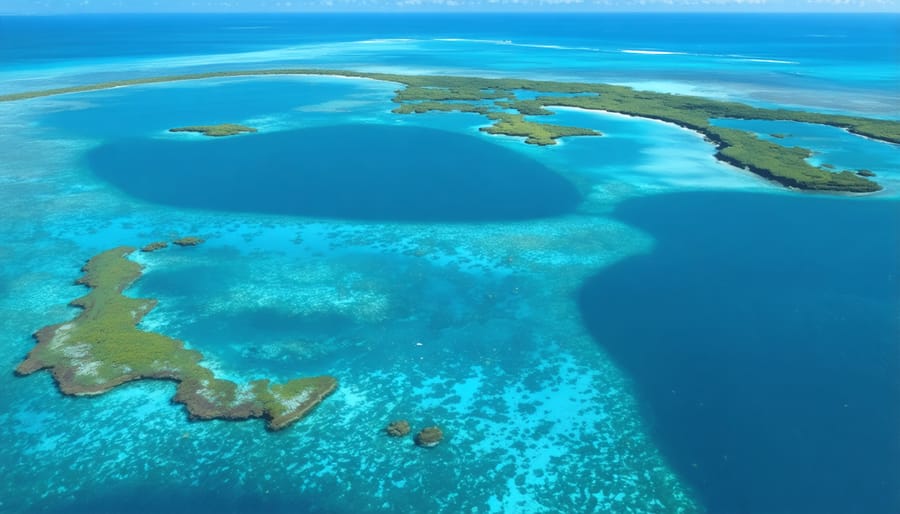
The Hā’ena Community-Based Subsistence Fishing Area (CBSFA) on Kauai’s north shore stands as a shining example of successful community-based conservation efforts. Established in 2015, this protected area spans approximately 14 miles of coastline and represents Hawaii’s first community-managed marine area.
The success of Hā’ena CBSFA stems from its unique management approach, which combines traditional Hawaiian fishing practices (kapu) with modern conservation science. Local families, many of whom have fished these waters for generations, worked closely with state officials to develop rules that protect marine resources while preserving cultural fishing rights.
Key management measures include limiting harvest methods, establishing species-specific catch limits, and restricting commercial fishing activities. The area also features designated zones for different activities, including subsistence fishing, tourism, and complete protection. What sets Hā’ena apart is its strong community enforcement program, where trained local volunteers assist in monitoring and education efforts.
Since its implementation, the area has shown remarkable improvements in marine biodiversity. Fish populations have increased significantly, with some species showing up to 30% growth in just five years. Coral health has also improved, demonstrating the interconnected benefits of community-managed protection.
The success of Hā’ena has inspired other Hawaiian communities to pursue similar management models. Visitors can participate in educational programs led by local practitioners, learning about traditional fishing practices and conservation methods. This approach not only preserves marine resources but also perpetuates Hawaiian cultural practices and knowledge for future generations.
Ka’ūpūlehu Marine Reserve
The Ka’ūpūlehu Marine Reserve, established in 2016, represents a shining example of successful community-led marine conservation in Hawaii. Located along the North Kona coast of Hawaii Island, this reserve emerged from the dedication of local families and cultural practitioners who recognized the urgent need to protect their declining marine resources.
The initiative began with the “Try Wait” campaign, where community members advocated for a 10-year rest period to allow fish populations to recover. This approach combines traditional Hawaiian management practices with modern scientific monitoring, creating a model that other communities can follow.
Since its implementation, the reserve has shown remarkable success. Scientific surveys indicate a significant increase in fish biomass, with some species showing population increases of over 60% within the first three years. The recovery of herbivorous fish populations has helped maintain coral reef health by controlling algal growth.
Community engagement remains at the heart of Ka’ūpūlehu’s success. Local volunteers participate in regular monitoring activities, including fish counts and coral health assessments. Educational programs connect younger generations with their marine heritage, while teaching them about sustainable resource management.
The reserve’s management plan incorporates both traditional ecological knowledge and contemporary science. Cultural practitioners work alongside marine biologists to ensure that conservation efforts align with traditional values while meeting modern challenges. This collaborative approach has created a strong sense of kuleana (responsibility) among community members.
Ka’ūpūlehu demonstrates how community-driven conservation can effectively balance environmental protection with cultural preservation, setting a precedent for other coastal communities in Hawaii and beyond.
The Community Management Advantage
Community-managed Marine Protected Areas (MPAs) in Hawaii have demonstrated remarkable success, often outperforming traditionally managed sites in terms of marine biodiversity and ecosystem health. This success stems from the deep cultural connection Native Hawaiians have maintained with the ocean for generations, combined with modern conservation practices.
Local communities bring invaluable traditional ecological knowledge to MPA management, understanding seasonal changes, fish spawning patterns, and sustainable harvesting practices that have been passed down through generations. This intimate knowledge, when paired with scientific monitoring methods, creates a powerful framework for marine resource management.
The effectiveness of community management is evident in areas like Hāʻena on Kauai, where local stewardship has led to a 150% increase in fish biomass within just five years of implementation. Community members serve as both guardians and educators, conducting regular monitoring, organizing beach cleanups, and sharing traditional conservation practices with visitors.
A key advantage of community management is the higher compliance rate with fishing regulations and access restrictions. When local residents are directly involved in decision-making and enforcement, they develop a stronger sense of ownership and responsibility for their marine resources. This results in better voluntary compliance and more effective peer-to-peer education about conservation rules.
Community-managed areas also benefit from faster response times to environmental threats. Local managers can quickly identify and address issues like coral bleaching, illegal fishing, or marine debris accumulation before they become severe problems. This rapid response capability, combined with regular monitoring by community members, helps maintain the health and resilience of protected areas.
The success of community management in Hawaii has inspired similar programs across the Pacific, demonstrating how traditional knowledge and modern conservation can work together effectively. These areas serve as living laboratories where cultural practices, scientific research, and community engagement create a sustainable model for marine resource protection.
Challenges and Solutions in Community Marine Management
Balancing Tourism with Conservation
Hawaii’s marine protected areas face the delicate challenge of balancing tourism revenue with ecosystem preservation. The implementation of sustainable marine tourism practices has become essential for maintaining this equilibrium. Key strategies include limiting daily visitor numbers at popular sites, establishing designated viewing areas, and requiring tour operators to obtain special permits.
Local communities and conservation groups collaborate to enforce guidelines such as maintaining safe distances from marine life, prohibiting fish feeding, and restricting sunscreen use to reef-safe products. Educational programs help visitors understand their environmental impact and teach proper reef etiquette. Many protected areas now utilize time-slot scheduling systems and rotating access points to prevent overcrowding and allow coral reef recovery periods.
Innovative approaches include the development of virtual reef tours, citizen science programs, and alternative attraction sites to disperse visitor pressure. Revenue from tourism permits directly funds conservation efforts, creating a sustainable cycle where tourism supports the very ecosystems that attract visitors. This model demonstrates how careful management can transform tourism from a potential threat into a conservation ally.
Enforcement and Compliance
Hawaii’s MPAs benefit from a unique blend of traditional and modern enforcement approaches. The Makai Watch program exemplifies this community-based management system, where trained volunteers work alongside state conservation officers to monitor protected areas and educate visitors about regulations.
Local communities play a vital role in enforcement through cultural stewardship practices. Native Hawaiian communities continue their traditional role as ocean guardians, combining ancestral knowledge with contemporary conservation methods. Volunteer groups regularly conduct reef monitoring, report violations, and participate in educational outreach programs.
The Division of Conservation and Resources Enforcement (DOCARE) coordinates with these community partners, providing training and support while maintaining official enforcement authority. This collaborative approach has proven particularly effective in remote areas where regular patrol presence would otherwise be limited.
Success stories include the Pupukea-Waimea marine area, where community involvement has led to increased compliance with fishing regulations and reduced instances of coral damage. Visitors can participate by joining organized beach cleanups, attending educational workshops, or becoming Makai Watch volunteers, creating a broader network of informed citizens supporting marine conservation efforts.
Getting Involved: Community Participation Opportunities
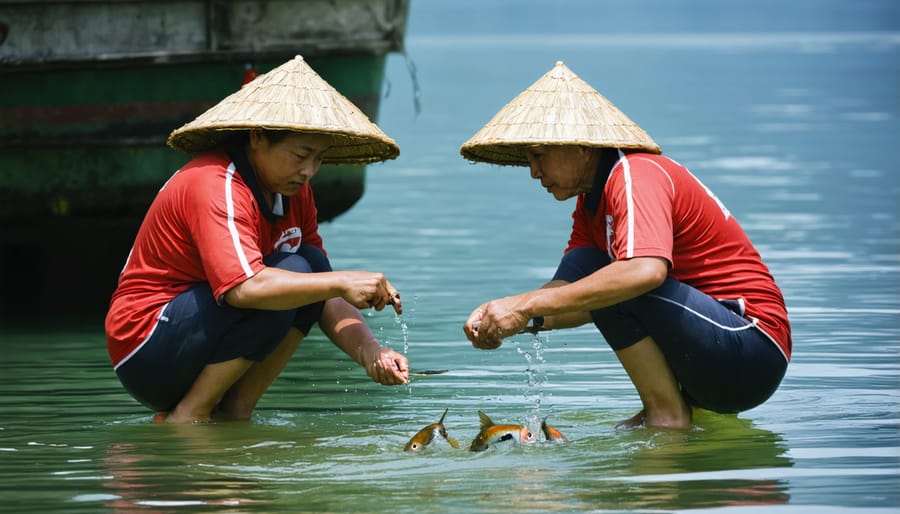
Hawaii’s marine protected areas thrive on community involvement, offering numerous opportunities for residents and visitors to participate in ocean conservation initiatives. The Makai Watch program, a cornerstone of community participation, trains volunteers to serve as the eyes and ears of their local marine areas, conducting regular monitoring and education activities.
Interested individuals can join volunteer programs through organizations like The Nature Conservancy Hawaii and the Hawaii Wildlife Fund. These programs offer hands-on experience in coral reef monitoring, marine debris cleanup, and sea turtle protection. Regular beach cleanup events occur across the islands, with organizations providing necessary training and equipment.
The Hawaiian Islands Humpback Whale National Marine Sanctuary offers citizen science opportunities, where volunteers assist in whale population monitoring and maintaining sanctuary resources. Additionally, local fishing communities can participate in traditional management practices through the Community-Based Subsistence Fishing Area (CBSFA) program.
Educational workshops and certification programs are available for those seeking deeper involvement. The ReefTeach program trains volunteers to educate visitors about reef etiquette and marine life protection. Local universities and research centers frequently seek community participants for their marine research projects.
For younger generations, many MPAs offer youth programs and internships, fostering the next wave of marine conservationists. These programs combine traditional Hawaiian cultural practices with modern conservation techniques, creating a unique learning experience.
To get started, interested individuals can contact their local marine protected area office or visit the Hawaii Division of Aquatic Resources website for current opportunities and upcoming events.
The success of Hawaii’s marine protected areas fundamentally relies on community engagement and participation. When local communities take ownership of their marine resources, conservation efforts become more effective and sustainable. From traditional Hawaiian practices to modern citizen science initiatives, community involvement has proven crucial in monitoring reef health, reporting violations, and educating visitors about responsible ocean practices.
Local volunteers, schools, and community organizations play vital roles in beach cleanups, coral monitoring, and educational outreach programs. Their dedication helps extend the reach of conservation efforts beyond what government agencies alone could achieve. The combination of traditional ecological knowledge and contemporary scientific understanding has created a powerful framework for marine protection that other regions now seek to emulate.
Looking ahead, the continued preservation of Hawaii’s marine ecosystems depends on strengthening these community partnerships. Whether through participating in reef surveys, supporting local conservation groups, or simply practicing responsible ocean recreation, every individual can contribute to protecting Hawaii’s precious marine resources. By working together, we can ensure these underwater treasures remain vibrant and healthy for future generations to enjoy and study.

jessica
Ava Singh is an environmental writer and marine sustainability advocate with a deep commitment to protecting the world's oceans and coastal communities. With a background in environmental policy and a passion for storytelling, Ava brings complex topics to life through clear, engaging content that educates and empowers readers. At the Marine Biodiversity & Sustainability Learning Center, Ava focuses on sharing impactful stories about community engagement, policy innovations, and conservation strategies. Her writing bridges the gap between science and the public, encouraging people to take part in preserving marine biodiversity. When she’s not writing, Ava collaborates with local initiatives to promote eco-conscious living and sustainable development, ensuring her work makes a difference both on the page and in the real world.