Marine Biodiversity Science Center


Roughly 8 million metric tonnes of plastic enter the ocean every year, according to the first rigorous global estimate, and later estimates run as high as about 11 million tons annually. That’s 8 million tons of plastic in the ocean on top of what’s already there, with an estimated 75 to 199 million tons of plastic waste sitting in our oceans in 2026. Those numbers represent just the tip of the environmental crisis threatening marine ecosystems worldwide. From the remote depths of the Mariana Trench to pristine Arctic waters, plastic pollution has infiltrated every corner of our oceans, with consequences for marine life and human health alike.
Scientists have discovered plastic particles in over 800 marine species, from microscopic plankton to massive whales. These plastics don’t just float on the surface. They break down into microplastics that permeate the entire food chain, eventually making their way onto our dinner plates. Looking ahead, one widely cited projection holds that by 2050 there could be more plastic than fish in the ocean by weight if current trends continue. It’s a projection, not a measurement, but it shows where the trajectory points.
This crisis isn’t only a collection of daunting statistics. It’s a call to action that demands a response from governments, industries, and individuals alike. Marine biologists and environmental scientists are still working to understand the full scope of the pollution, and innovative solutions are emerging along the way. From cleanup technologies to grassroots movements changing consumer behavior, the fight against ocean plastic is gaining momentum on multiple fronts.
The Journey of 8 Million Tons: How Plastic Reaches Our Oceans
Sources of Ocean Plastic
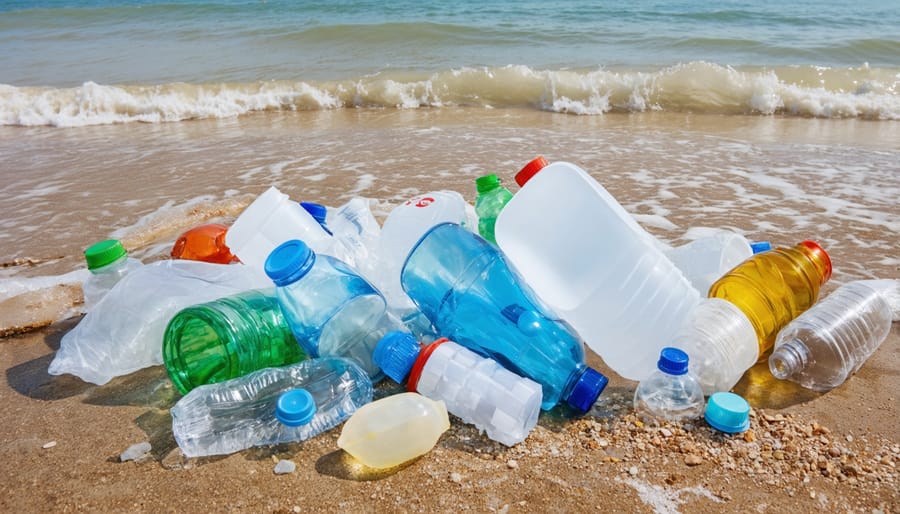
Most ocean plastic starts on land. It travels from cities, farms, and industrial areas through rivers, storm drains, and drainage channels before it reaches the sea. Researchers tracking land-based plastic pollution point to poorly managed waste on shore as the main pathway for plastic entering the ocean. The scale is hard to grasp. Estimates of the yearly flow range from one to two million tonnes at the low end to around 8 million metric tonnes from the first rigorous global estimate, and some figures run to 8 to 11 million tons annually. The differences come from methods and definitions, but every version points the same direction.
Single-use items dominate what we find along coastlines. Bags, bottles, wrappers, and takeaway containers are cheap, light, and thrown away within minutes of use. A study of coastal litter found that food packaging top source was the clear headline, ahead of other categories of waste. That fits what beach cleanups keep turning up.
Coastal activity and weak waste management in densely populated regions add to the problem. Where collection and recycling infrastructure is thin, rubbish piles up near waterways and gets washed or dumped straight in. The fishing industry contributes too, mainly through lost or abandoned gear such as the “ghost nets” that keep drifting and trapping animals long after they’ve been left behind.
Then there are microplastics, which arrive by two routes. Some form as larger items break down under sunlight and wave action. Others are released directly, including microbeads in certain cosmetics and synthetic fibers shed from clothing. Every wash of a synthetic garment sends microscopic fibers into wastewater, and many are small enough to slip past treatment systems. Once they’re in the water, they’re nearly impossible to retrieve.
Wealthier countries aren’t off the hook, either. Better waste systems don’t cancel out heavy plastic consumption, and some of the waste they generate is exported, which shifts the burden rather than removing it. Because so much plastic has already accumulated, with an estimated 75 to 199 million tons now sitting in the ocean, tackling the sources matters as much as any cleanup effort.
Transport Pathways
Plastic waste follows multiple pathways from land to sea, with approximately 80% originating from terrestrial sources. Rivers serve as major conduits, carrying plastic debris from inland areas to coastal waters. During heavy rainfall and flooding events, urban drainage systems can become overwhelmed, washing street litter directly into waterways.
Coastal activities contribute significantly to ocean plastic pollution. Beach litter, improperly managed waste from seaside communities, and maritime activities like fishing and shipping add to the problem. Wind patterns also play a crucial role, carrying lightweight plastic items and microfibers considerable distances before they settle in marine environments.
Industrial discharge points and wastewater treatment facilities, particularly in regions with inadequate filtration systems, release millions of microplastic particles daily. These tiny fragments, along with larger plastic items, are then transported by ocean currents, forming massive garbage patches in oceanic gyres.
Marine scientists have identified five major oceanic gyres where plastics accumulate, with the Great Pacific Garbage Patch being the most notorious. These circular current systems trap and concentrate plastic debris, creating zones of concentrated pollution that affect marine ecosystems globally.
- Plastic escapes through littering and mismanaged waste on land, from dropped packaging to overflowing or poorly contained disposal sites.
- Rain and flooding push street litter into stormwater and drainage systems, and urban drains that become overwhelmed wash debris directly into waterways.
- Rivers pick up that debris and carry it from inland areas toward the coast, acting as major conduits for plastic.
- The river mouth releases it into coastal waters, where it joins plastic already entering from the shoreline.
Breaking Down: The Microplastic Crisis
What Are Microplastics?
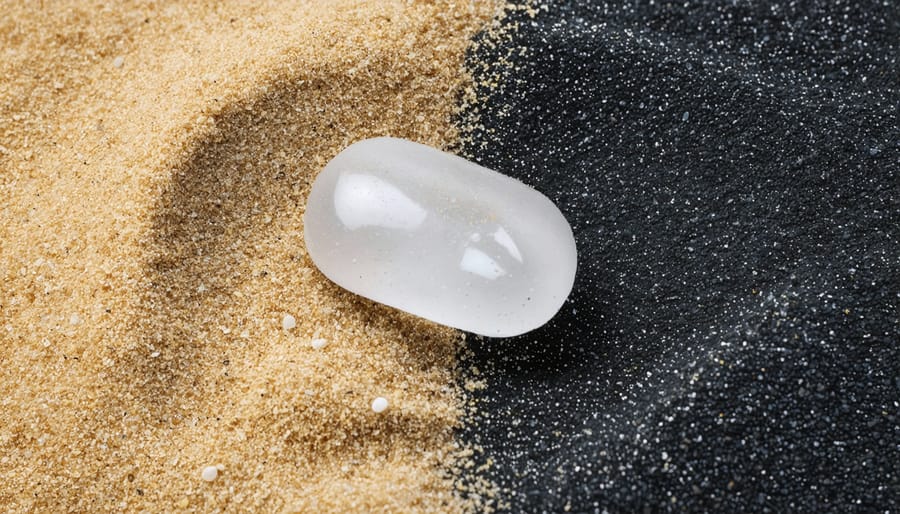
Microplastics are tiny plastic particles less than 5 millimeters in length – smaller than a grain of rice – that have become ubiquitous in our oceans. These particles come in two main categories: primary microplastics, which are manufactured at this microscopic size for products like cosmetics and industrial abrasives, and secondary microplastics, which form when larger plastic items break down through exposure to sunlight, waves, and other environmental factors.
These minute particles come in various forms, including fragments from larger plastic items, microfibers from synthetic clothing, nurdles (plastic pellets used in manufacturing), and microbeads formerly used in personal care products. What makes microplastics particularly concerning is their ability to absorb toxic chemicals from the surrounding water while simultaneously releasing their own harmful compounds.
Scientists have found microplastics in every corner of our oceans, from the surface to the deepest trenches, and even frozen in Arctic ice. These particles have become so prevalent that researchers now find them in marine organisms of all sizes, from tiny plankton to large whales, creating a concerning cascade effect throughout the entire marine food web.
The Hidden Danger
Beneath the surface of our oceans lies a crisis that threatens marine life at its most fundamental level. While large plastic debris captures public attention, the devastating effects of microplastics pose an even more insidious threat to marine ecosystems.
These tiny plastic particles, measuring less than 5 millimeters, infiltrate every layer of marine food chains. When marine organisms mistake these particles for food, they not only suffer immediate physical harm but also experience long-term toxicological effects. The bioaccumulation of microplastics through the food web means that even the smallest exposure can lead to significant concentrations in larger predators.
Dr. Sarah Chen, a marine biologist studying microplastic pollution in the Pacific, reports finding plastic particles in 90% of the marine species she’s examined. “What’s particularly concerning,” she explains, “is that these particles act like magnets for toxic chemicals in the water, making them even more dangerous when consumed.”
The impact extends beyond individual organisms. Microplastics alter the behavior and reproductive capabilities of marine life, from plankton to whales. They’ve been found in the deepest ocean trenches and the most remote arctic waters, demonstrating the truly global scale of this crisis.
Recent studies have shown that these particles can even affect the ocean’s ability to produce oxygen and sequester carbon, potentially disrupting vital ecological processes that help regulate our planet’s climate. This hidden danger threatens not just marine biodiversity, but the very systems that make Earth habitable.
| Marine Environment | Particle Count (per m³) | Pollution Level |
|---|---|---|
| Coastal Zones | 5,000-40,000 | Very High |
| Surface Waters (Open Ocean) | 100-1,000 | Moderate |
| Arctic Ice | 12,000-240,000 | Extreme |
| Deep Ocean (Below 1,000m) | 200-2,000 | High |
Impact on Marine Life
Direct Physical Threats
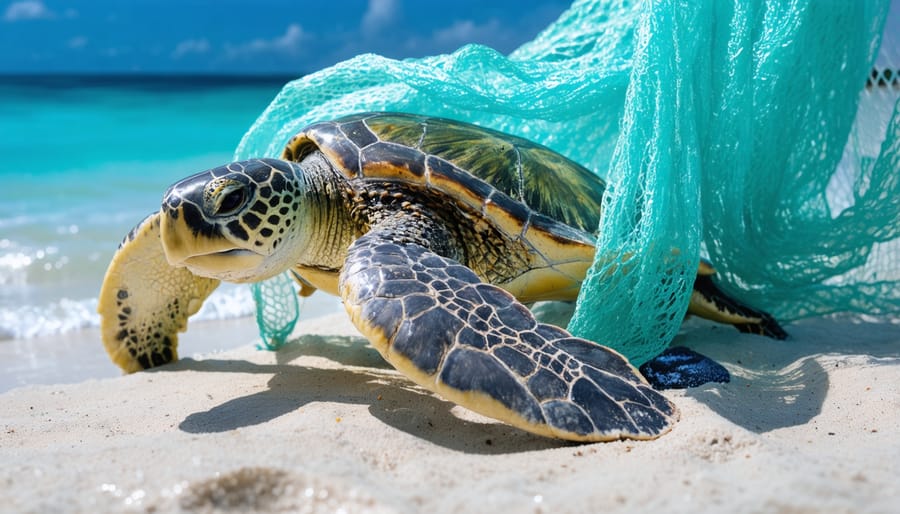
Marine animals face two primary physical threats from ocean plastics: entanglement and ingestion. Plastic’s impact on marine species is devastating, with thousands of documented cases each year of creatures trapped in abandoned fishing nets, plastic rings, and other debris.
Sea turtles, seals, and dolphins often become entangled in plastic waste, leading to severe injuries, restricted movement, and ultimately, death by drowning or starvation. Marine biologist Dr. Sarah Chen reports regularly encountering seabirds wrapped in fishing lines and plastic bags during her research expeditions, highlighting the widespread nature of this crisis.
Ingestion poses an equally serious threat. Sea turtles mistake floating plastic bags for jellyfish, their natural prey. Seabirds feed plastic pieces to their chicks, mistaking them for fish, while whales accidentally consume plastic debris while filter feeding. These materials can’t be digested and often lead to internal injuries, blocked digestive systems, and malnutrition.
Studies show that over 700 marine species have encountered plastic debris, with many facing dire consequences. When animals consume plastic, it not only causes physical harm but can also lead to a false sense of fullness, causing them to stop eating real food. This results in starvation, even with seemingly full stomachs.
Young animals are particularly vulnerable, as they haven’t yet learned to distinguish between plastic and food. Marine scientists have documented cases where juvenile sea turtles contained plastic in over 50% of their stomach contents, dramatically reducing their chances of survival.
Ecosystem Disruption
Around 8 million metric tonnes of plastic enter the oceans each year, according to the first rigorous global estimate, and some assessments put the annual figure as high as 11 million tons. Estimates vary with the method used, but the scale is not in doubt. That flow is landing on top of a huge existing stockpile: an estimated 75 to 199 million tons of plastic waste are already sitting in the ocean. The result is a steady disruption of marine ecosystems, affecting everything from the smallest plankton to the largest whales. Marine biologists have observed changes in feeding patterns, breeding behaviors, and species interactions across trophic levels.
At the base of the food web, zooplankton mistake microplastics for food and eat them. The contamination then moves up the food chain, and plastic-associated contaminants can become more concentrated in larger predators. This is the same bioaccumulation pathway covered in more detail in microplastics in marine life. Local studies of heavily polluted areas have linked plastic exposure to poorer health in fish, but a single population-decline figure shouldn’t be applied across the board, because outcomes vary widely by species, location, and the other stresses at play.
Coral reefs, often called the rainforests of the sea, are especially exposed. Plastic debris draped over coral structures can block light and restrict water flow, and it can also injure tissue and give pathogens an easier way in. Research has associated plastic contact with higher rates of coral disease. The size of that effect differs between reef systems, so it’s best read as a clear warning sign rather than a universal multiplier.
The wider pattern matters more than any single number. When one species declines under plastic pressure, its predators, prey, and competitors all feel it. Entire ecological communities can shift, not just individual species.
Habitat damage adds to the strain. Accumulated plastic waste smothers vital nursery habitats like seagrass meadows and mangrove forests, pushing out species that depend on them for breeding and protection. Combined with direct plastic ingestion, this can set off what scientists describe as an ecological cascade, where the decline of one species triggers declines in others tied to it through the food web. For a broader look at how plastic in the ocean harms wildlife, see how microplastics are devastating marine ecosystems.
Solutions in Action
Global Conservation Efforts
In response to the escalating crisis of ocean plastic pollution, numerous international initiatives have emerged to combat this global challenge. The United Nations Environment Programme (UNEP) leads several key programs, including the Clean Seas Campaign, which has engaged over 60 countries in implementing effective pollution management strategies and reducing single-use plastics.
The Basel Convention amendment that took effect in 2019 was a significant milestone in international cooperation, establishing stricter controls on plastic waste movement between countries. The agreement was designed to curb illegal dumping and push nations to build better waste management infrastructure.
Regional collaborations have also shown promising results. The European Union’s Single-Use Plastics Directive, which entered into force in 2021, has become a model for other regions, demonstrating how coordinated policy action can drive meaningful change. Similarly, the ASEAN Framework of Action on Marine Debris has united Southeast Asian nations in tackling ocean pollution through shared resources and knowledge.
Most Effective National Programs Combating Ocean Plastic
- Norway’s Deposit Return System: Achieves a 97% recycling rate for plastic bottles through financial incentives, removing millions of containers from potential ocean pathways annually and serving as a template for circular economy models worldwide.
- Kenya’s Plastic Bag Ban: Since implementation, this strict prohibition has dramatically reduced plastic waste entering the Indian Ocean, with enforcement mechanisms including substantial fines that have changed consumer behavior across East Africa.
- South Korea’s Volume-Based Waste Fee System: By requiring households to purchase designated bags for trash disposal, this program has reduced overall waste generation by 30% and increased recycling rates, keeping significant plastic volumes out of marine environments.
- Chile’s Extended Producer Responsibility Law: Manufacturers bear financial and operational responsibility for post-consumer plastic management, creating market-driven incentives to reduce packaging and improve product design for recyclability.
- Canada’s Ocean Plastics Charter: Combining federal regulations with provincial action, this framework targets single-use plastics while investing in coastal cleanup infrastructure and research on biodegradable alternatives.
These examples show how targeted policies, when properly implemented and enforced, can create lasting positive impact on ocean health. Still, the scale of the problem is hard to overstate. Estimates in 2026 put the amount of plastic entering the ocean at roughly 8 to 11 million tons a year, and the first rigorous global estimate landed at about 8 million metric tonnes annually. Plastic that has already accumulated is estimated at 75 to 199 million tons. Projections suggest annual inflows could climb to 37 million metric tons by 2040 if nothing changes, which is why plastic pollution solutions need to scale well beyond the handful of national models above.
The Global Partnership on Marine Litter (GPML) continues to facilitate knowledge sharing and capacity building across borders, helping developing nations implement more sustainable waste management systems. Given that land-based sources account for up to 80 percent of the world’s marine pollution, these coordinated efforts focus heavily on preventing plastic from reaching waterways in the first place.
How You Can Help
Every individual can make a significant impact in reducing ocean plastic pollution through simple yet effective actions. Start by conducting a plastic audit of your household to identify areas where you can reduce single-use plastics. Replace disposable items with reusable alternatives like cloth shopping bags, stainless steel water bottles, and bamboo utensils.
Support businesses that prioritize sustainable packaging and participate in local beach or river cleanups. Many environmental organizations organize regular cleanup events where you can contribute directly to removing plastic waste from water bodies while connecting with like-minded individuals.
Consider joining citizen science projects that track and monitor plastic pollution. These initiatives provide valuable data to researchers and policymakers while raising awareness about the issue. You can also educate others by sharing information about plastic pollution through social media or community workshops.
Advocate for change by writing to local representatives about implementing stricter regulations on plastic production and disposal. Support legislation that aims to reduce plastic waste and encourage recycling programs in your community.
Make conscious consumer choices by selecting products with minimal packaging and avoiding microbeads in personal care items. Start composting to reduce household waste, and always properly sort recyclables according to local guidelines.
Remember, small changes multiplied by millions of people can create substantial positive impact. Your daily choices matter in the global effort to reduce plastic pollution in our oceans.
The staggering reality of 8 million tons of plastic entering our oceans annually represents one of the most pressing environmental challenges of our time. Throughout this discussion, we’ve explored how this massive influx of plastic waste devastates marine ecosystems, threatens biodiversity, and ultimately impacts human health through the food chain.
Yet, amid these sobering statistics, there’s hope. Communities worldwide are implementing innovative solutions, from beach cleanup initiatives to zero-waste programs. Cities are banning single-use plastics, while scientists and engineers develop biodegradable alternatives and more efficient recycling technologies. Marine biologists report that areas with reduced plastic pollution show signs of ecosystem recovery, demonstrating nature’s resilience when given a chance to heal.
The path forward requires collective action at every level. As individuals, we can significantly reduce our plastic footprint through simple daily choices: using reusable bags and containers, avoiding single-use plastics, and properly disposing of waste. Businesses are increasingly adopting sustainable practices, while governments worldwide strengthen environmental regulations.
You can make a difference today. Join local beach cleanups, support organizations working to protect marine environments, and educate others about plastic pollution’s impact. Remember, every piece of plastic we prevent from entering the ocean is one less threat to marine life. Together, we can turn the tide on ocean plastic pollution and preserve our marine ecosystems for future generations.

jessica
Ava Singh is an environmental writer and marine sustainability advocate with a deep commitment to protecting the world's oceans and coastal communities. With a background in environmental policy and a passion for storytelling, Ava brings complex topics to life through clear, engaging content that educates and empowers readers. At the Marine Biodiversity & Sustainability Learning Center, Ava focuses on sharing impactful stories about community engagement, policy innovations, and conservation strategies. Her writing bridges the gap between science and the public, encouraging people to take part in preserving marine biodiversity. When she’s not writing, Ava collaborates with local initiatives to promote eco-conscious living and sustainable development, ensuring her work makes a difference both on the page and in the real world.