Marine Biodiversity Science Center


Environmental health stands at the intersection of human wellbeing and planetary sustainability, shaping every aspect of our lives from the air we breathe to the ecosystems we depend on. The seven core concepts of environmental health serve as fundamental pillars that guide our understanding of how environmental factors influence both human health and ecological balance. These principles, developed through decades of scientific research and real-world observations, offer a framework for addressing complex challenges facing our oceans, forests, and urban environments.
In the face of accelerating climate change and increasing environmental pressures, comprehending these core concepts has never been more crucial. From marine biologists monitoring coral reef health to public health officials addressing air quality concerns, these principles provide essential tools for protecting both human communities and natural ecosystems. They help us understand the intricate relationships between environmental exposures, biological responses, and population-level health outcomes.
This comprehensive guide explores these seven fundamental concepts, demonstrating how they apply to current environmental challenges and offering practical insights for professionals, students, and concerned citizens alike. Whether you’re a seasoned environmental scientist or simply passionate about protecting our planet, understanding these core principles is essential for making informed decisions and taking effective action in environmental health management.
Air Quality and Marine Ecosystems
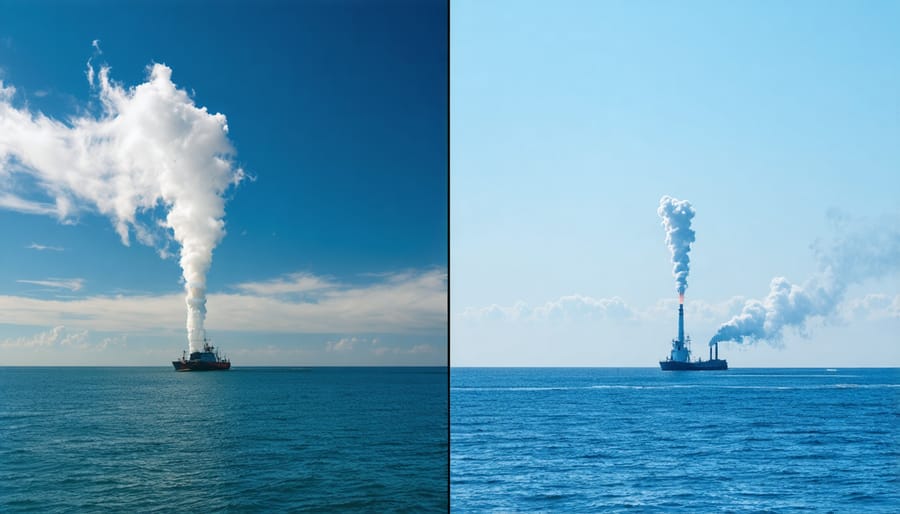
Atmospheric Deposition in Marine Waters
Atmospheric deposition plays a crucial role in marine ecosystem health, as air pollutants from both natural and human-made sources eventually make their way into ocean waters. When pollutants like nitrogen oxides, sulfur dioxide, and heavy metals are released into the atmosphere, they can travel long distances before settling onto marine surfaces through rainfall (wet deposition) or as particles (dry deposition).
This process significantly impacts marine chemistry and biology. For instance, excess nitrogen from industrial emissions and agricultural activities can trigger harmful algal blooms, while mercury from coal-burning power plants accumulates in marine food chains. Recent studies show that approximately one-third of the mercury found in marine ecosystems comes from atmospheric deposition.
Marine scientists and local communities are working together to monitor these impacts through water quality testing and marine life surveys. By understanding these atmospheric connections, we can better address pollution sources and protect our ocean ecosystems through improved air quality regulations and sustainable practices.
Water Quality Management
Chemical and Physical Parameters
Chemical and physical parameters serve as crucial indicators of water quality in marine environments, providing essential data about ecosystem health. These parameters include pH levels, which should typically range between 8.1 and 8.4 in healthy ocean waters, dissolved oxygen content necessary for marine life, and salinity measurements that influence species distribution and survival.
Temperature and turbidity are equally vital indicators, with even slight variations potentially affecting entire food chains. For instance, a temperature increase of just 2°C can stress coral reefs and disrupt symbiotic relationships. Water clarity, measured through turbidity tests, indicates the presence of suspended particles and helps scientists assess photosynthetic potential for marine plants.
Nutrient levels, particularly nitrogen and phosphorus, must maintain a delicate balance. While essential for marine life, excessive nutrients from land-based pollution can trigger harmful algal blooms. Scientists also monitor chemical contaminants like heavy metals and persistent organic pollutants, which can bioaccumulate in marine organisms and impact entire ecosystems.
Regular monitoring of these parameters enables early detection of environmental threats and guides conservation efforts effectively.
Waste Management and Marine Debris
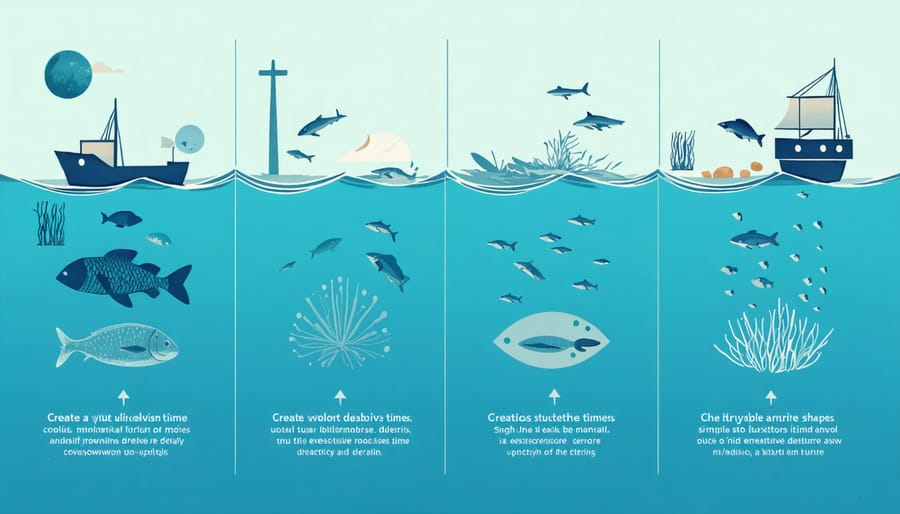
Plastic Pollution Solutions
Addressing plastic pollution requires a multi-faceted approach combining individual action, policy changes, and technological innovation. As the impact of microplastics continues to threaten marine ecosystems, solutions must target both prevention and cleanup efforts. Key strategies include implementing comprehensive recycling programs, developing biodegradable alternatives to single-use plastics, and establishing better waste management systems in coastal communities.
Beach cleanup initiatives and community-based waste reduction programs have shown promising results, with volunteers removing millions of pounds of plastic debris annually. Innovation in materials science has led to the development of plastic alternatives made from seaweed, mushrooms, and other biodegradable materials. Additionally, advanced filtration systems are being deployed in rivers and coastal areas to capture plastic waste before it reaches the ocean.
Companies are increasingly adopting circular economy principles, redesigning products and packaging to minimize plastic use and maximize recyclability. Education programs focusing on responsible consumption and proper waste disposal continue to play a crucial role in behavior change.
Toxic Substances Control
The effective control and management of toxic substances in marine ecosystems represents a critical cornerstone of environmental health. As human activities continue to introduce various pollutants into our oceans, understanding and regulating these harmful substances becomes increasingly vital. Toxic metals in marine environments pose particular challenges, as they can persist for decades and biomagnify through food chains.
Successful toxic substance control involves a multi-faceted approach combining prevention, monitoring, and remediation strategies. Prevention focuses on source control, implementing strict regulations on industrial discharges, and promoting cleaner production technologies. This includes establishing emission standards, requiring permits for potentially harmful activities, and encouraging the use of safer alternatives in manufacturing processes.
Monitoring programs utilize advanced detection methods to track concentration levels of various pollutants, from persistent organic pollutants (POPs) to heavy metals. These programs help identify emerging threats and evaluate the effectiveness of control measures. Marine scientists employ biomarkers in sentinel species to assess the biological impact of these substances on marine life.
Remediation efforts focus on cleaning up existing contamination through various techniques, including bioremediation using naturally occurring microorganisms, physical removal of contaminated sediments, and chemical treatment methods. These efforts often require collaboration between government agencies, research institutions, and local communities.
The success of toxic substance control relies heavily on international cooperation, as marine pollutants don’t respect national boundaries. Global treaties like the Stockholm Convention on POPs and the Minamata Convention on Mercury provide frameworks for coordinated action, while regional agreements address specific marine areas’ unique challenges.
Food Safety in Marine Resources
Marine resources provide essential nutrition for billions of people worldwide, but ensuring their safety for consumption requires vigilant monitoring and understanding of various environmental factors. The health of our oceans directly impacts the safety of seafood, with several key concerns demanding attention from both consumers and regulatory bodies.
Bioaccumulation of toxins poses a significant challenge in marine food safety. Heavy metals like mercury and industrial pollutants concentrate in larger predatory fish through the food chain, potentially reaching harmful levels for human consumption. Species like tuna, swordfish, and certain mackerel varieties require careful consumption guidelines, especially for vulnerable populations such as pregnant women and young children.
Chemical pollutants entering marine ecosystems through industrial runoff, agricultural practices, and urban waste create additional food safety challenges. These contaminants can affect shellfish beds and coastal fishing areas, leading to temporary closures and careful monitoring requirements. Harmful algal blooms, often triggered by excess nutrients in coastal waters, can produce biotoxins that accumulate in filter-feeding shellfish.
The good news is that robust monitoring systems and international cooperation help maintain seafood safety. Regular testing of commercial fishing grounds, strict harvesting regulations, and consumer guidelines provide essential safeguards. By staying informed about local advisories and choosing sustainably sourced seafood, consumers can safely enjoy the nutritional benefits of marine resources while supporting responsible fishing practices.
Disease Prevention and Control
Disease transmission in marine environments presents unique challenges and patterns that significantly impact ecosystem health. The interconnected nature of ocean systems means that marine ecosystem diseases can spread rapidly across vast distances, affecting multiple species and habitats simultaneously.
Key factors influencing disease transmission include water temperature changes, pollution levels, and habitat degradation. Climate change has emerged as a primary driver of disease proliferation, with warming waters creating favorable conditions for pathogens and increasing host susceptibility. For instance, coral bleaching events weaken reef systems, making them more vulnerable to infectious diseases.
Prevention and control strategies focus on multiple approaches:
– Monitoring water quality and temperature fluctuations
– Implementing early warning systems for disease outbreaks
– Establishing marine protected areas to maintain ecosystem resilience
– Reducing pollution and chemical contamination
– Supporting research on emerging marine pathogens
Marine scientists have observed success stories where quick intervention and coordinated efforts have helped contain disease outbreaks. The key lies in understanding transmission patterns and maintaining healthy ecosystem functions. Community engagement plays a crucial role, with local fishing communities and coastal residents participating in monitoring programs and implementing preventive measures.
Effective disease management requires a combination of scientific research, practical intervention strategies, and community participation. By addressing both immediate disease threats and underlying environmental stressors, we can better protect marine ecosystems for future generations.
Occupational Safety in Marine Conservation
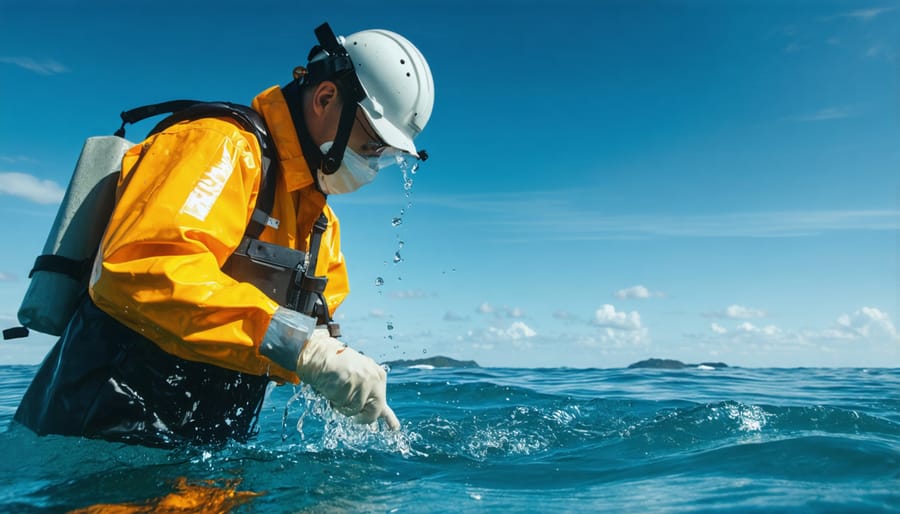
Marine conservation work presents unique challenges and hazards that require robust safety protocols. Workers often face risks from extreme weather conditions, underwater operations, boat safety concerns, and potential wildlife encounters. Personal protective equipment (PPE) is essential, including appropriate diving gear, protective clothing, and safety equipment specific to marine environments.
Field researchers and conservation teams must follow strict safety guidelines when conducting surveys, collecting samples, or working with marine species. This includes maintaining proper communication systems, using buddy systems during diving operations, and ensuring all team members are trained in emergency procedures and first aid specific to marine incidents.
Exposure to biological and chemical hazards is another critical concern. Workers may encounter harmful algal blooms, contaminated waters, or toxic substances during their duties. Regular health monitoring, proper decontamination procedures, and up-to-date vaccinations are vital components of occupational safety protocols.
Weather monitoring and risk assessment are continuous processes in marine conservation work. Teams must be prepared to adjust or cancel operations based on changing conditions, with clear evacuation procedures in place. Regular safety drills and equipment maintenance checks help ensure readiness for emergency situations.
Conservation organizations increasingly emphasize mental health support for workers, recognizing the psychological challenges of isolated fieldwork and exposure to environmental degradation. Regular check-ins, access to counseling services, and proper work-rest schedules are now standard components of comprehensive safety programs.
The seven core concepts of environmental health work together in a delicate balance, much like the marine ecosystems they help protect. When we understand how water quality influences species diversity, or how habitat preservation supports population health, we see that these principles are not isolated theories but interconnected elements of a larger system. Success in marine conservation comes from recognizing and leveraging these connections.
By applying these concepts holistically, conservation efforts have achieved remarkable results. From the recovery of whale populations to the restoration of coral reefs, we’ve seen how addressing multiple environmental health factors simultaneously leads to more sustainable outcomes. Marine biologists and conservationists continue to discover new ways these principles interact, reinforcing the importance of comprehensive approaches to ocean protection.
As we face growing challenges like climate change and ocean acidification, these core concepts provide a framework for developing effective solutions. They guide our research, inform policy decisions, and help us educate future generations about marine conservation. Whether you’re a scientist conducting research, a volunteer helping with beach cleanups, or a citizen making sustainable choices, understanding these principles empowers you to contribute meaningfully to marine ecosystem health.
Together, these seven concepts form the foundation of successful marine conservation efforts, reminding us that protecting our oceans requires attention to all aspects of environmental health.

jessica
Ava Singh is an environmental writer and marine sustainability advocate with a deep commitment to protecting the world's oceans and coastal communities. With a background in environmental policy and a passion for storytelling, Ava brings complex topics to life through clear, engaging content that educates and empowers readers. At the Marine Biodiversity & Sustainability Learning Center, Ava focuses on sharing impactful stories about community engagement, policy innovations, and conservation strategies. Her writing bridges the gap between science and the public, encouraging people to take part in preserving marine biodiversity. When she’s not writing, Ava collaborates with local initiatives to promote eco-conscious living and sustainable development, ensuring her work makes a difference both on the page and in the real world.