Marine Biodiversity Science Center

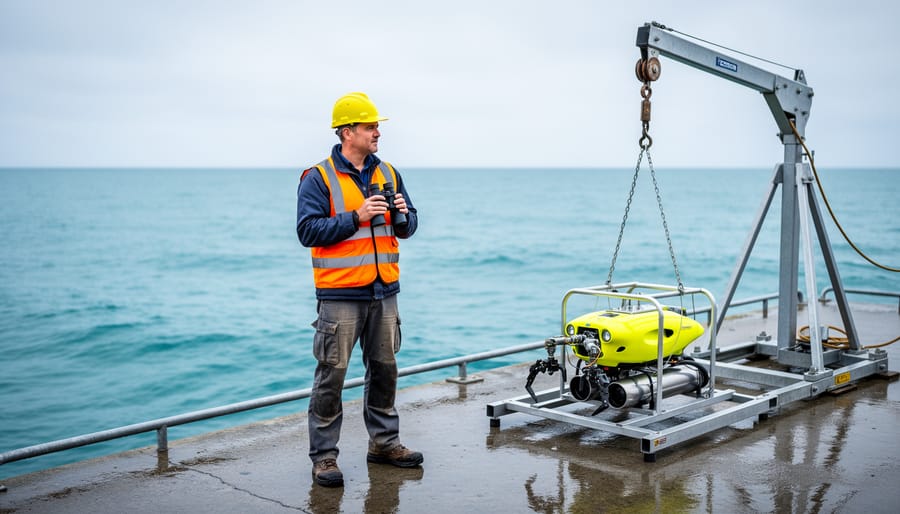
Becoming an ocean engineer requires a bachelor’s degree in ocean engineering, marine engineering, or a closely related field such as mechanical or civil engineering with a marine focus, typically taking four years to complete. Most programs demand strong foundations in mathematics, physics, and fluid dynamics, and accreditation by ABET (Accreditation Board for Engineering and Technology) ensures your degree meets industry standards for professional practice.
The educational pathway is rigorous but rewarding for those drawn to solving complex challenges at the intersection of engineering and marine environments. Ocean engineers design everything from offshore renewable energy platforms and underwater robotics to coastal defense systems and deep-sea exploration vehicles. Their work directly supports marine conservation efforts, making ocean education a cornerstone of protecting our blue planet.
You’ll need more than classroom knowledge. Successful ocean engineers combine technical expertise with hands-on experience gained through internships, research projects, and cooperative education programs. Many universities partner with marine research institutions, giving students access to real-world projects in underwater acoustics, naval architecture, or offshore structures. Graduate degrees open doors to specialized roles in research, advanced design, or leadership positions, though entry-level positions are accessible with a bachelor’s degree and relevant experience.
The career path is expanding rapidly as climate change intensifies the need for coastal resilience, sustainable aquaculture systems, and ocean-based renewable energy solutions. Understanding how marine education transforms careers and communities becomes clear when you see ocean engineers collaborating with marine biologists, contributing to citizen science initiatives, and designing technologies that monitor and protect ocean biodiversity.
This guide walks you through every stage of the educational journey, from high school preparation through advanced certifications, so you can chart a clear course toward this vital profession.
What Does an Ocean Engineer Actually Do?
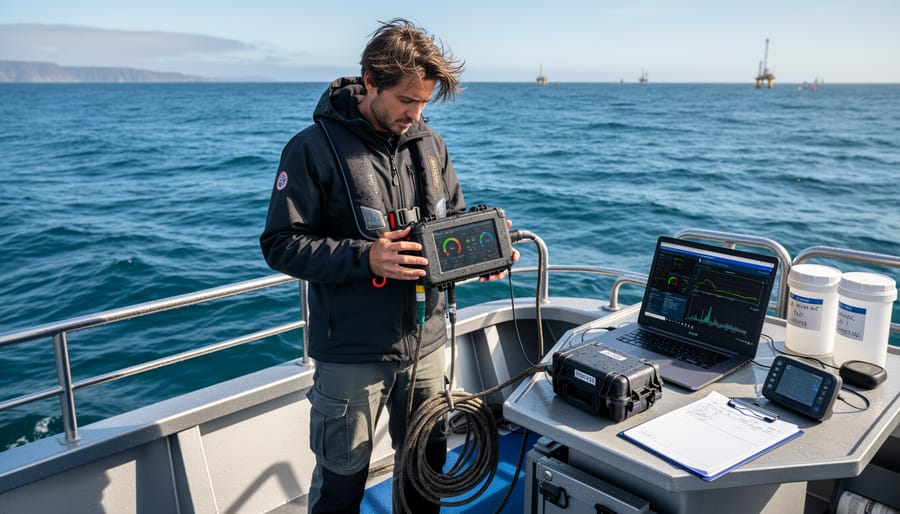
Ocean engineers stand at the intersection of technology and marine science, designing solutions that both utilize and protect the world’s oceans. Their work extends far beyond building offshore structures, they create systems and tools that help us understand, conserve, and sustainably interact with marine environments.
On any given day, an ocean engineer might design moorings for oceanographic sensors that track coral reef health, develop remotely operated vehicles for deep-sea biodiversity surveys, or engineer artificial reef structures that restore damaged ecosystems. They tackle coastal erosion by creating living shorelines that protect both communities and critical marine habitats like seagrass beds and salt marshes. Many ocean engineers work directly with marine biologists, translating research needs into technical solutions: underwater acoustic systems that monitor whale populations without disturbance, pollution-tracking buoys, or wave energy converters positioned to minimize impact on marine life.
Every piece of equipment I design has the potential to reveal something new about our oceans or reduce human impact on marine species, that realization transforms engineering from technical work into conservation action.
The field encompasses several distinct areas. Coastal and harbor engineers focus on protecting shorelines and marine infrastructure while preserving natural processes that support biodiversity. Subsea engineers develop technologies for underwater exploration and resource management, often creating tools that marine researchers depend on. Ocean renewable energy engineers design tidal and wave power systems that can provide clean energy with minimal ecosystem disruption. Conservation technology specialists build monitoring networks, autonomous vehicles, and sensor systems specifically for tracking marine health and supporting citizen science initiatives.
What makes ocean engineering particularly relevant to conservation is its problem-solving nature. When marine researchers need to tag migratory sharks, study hydrothermal vents, or monitor plastic accumulation patterns, ocean engineers design the systems that make those studies possible. Their work directly enables the scientific understanding we need to protect marine ecosystems effectively.
Essential Educational Pathway for Ocean Engineers
High School Foundation
Your journey toward becoming an ocean engineer begins years before college applications. Building a strong foundation in mathematics is essential, aim for courses through pre-calculus at minimum, though calculus provides a significant advantage when tackling university-level engineering coursework. Physics forms the backbone of understanding how structures behave in marine environments, while chemistry explains seawater interactions with materials and ecosystems. Don’t overlook biology; understanding marine organisms and their habitats makes you a more effective conservation-minded engineer.
Beyond fulfilling basic education requirements seek opportunities to explore marine science early. Many coastal research centers welcome high school volunteers for beach cleanups, water quality monitoring, and specimen collection. Science fairs offer chances to pursue marine-related projects. If your school offers robotics, computer programming, or an oceanography curriculum jump in. Summer programs at marine labs or university engineering camps provide invaluable exposure. Even landlocked students can participate in online citizen science projects tracking ocean health data, demonstrating early commitment to marine conservation that strengthens college applications.
Bachelor’s Degree Requirements
Your undergraduate degree forms the foundation of your ocean engineering career and directly shapes your ability to contribute to marine conservation efforts. The bachelor’s phase typically spans four years and provides both theoretical knowledge and practical skills essential for protecting marine ecosystems.
Ocean engineering programs offer the most direct path, combining traditional engineering principles with specialized marine applications. These degrees cover fluid dynamics, wave mechanics, coastal processes, and marine structures, exactly what you need to design solutions for coral reef protection or sustainable offshore renewable energy systems. Marine engineering programs focus more on vessel systems and marine propulsion, though many incorporate environmental technology components relevant to conservation work.
Civil engineering with a marine or coastal concentration provides a broader engineering foundation while allowing you to specialize through electives. This path gives you versatility to work on coastal infrastructure projects that minimize habitat disruption or restore eroded shorelines that protect nesting beaches for sea turtles.
| Program Type | Core Focus Areas | Conservation Applications |
|---|---|---|
| Ocean Engineering | Fluid mechanics, wave theory, underwater acoustics, marine structures | Marine protected area design, habitat monitoring systems |
| Marine Engineering | Naval architecture, propulsion systems, marine materials | Low-impact research vessels, pollution control technology |
| Civil Engineering (Marine Focus) | Structural design, coastal processes, hydraulics | Erosion mitigation, artificial reef construction |
Accreditation matters significantly for your career prospects. Look for programs accredited by ABET (Accreditation Board for Engineering and Technology), which ensures the curriculum meets professional standards and qualifies you for licensure later. Some universities partner with marine research institutions, offering integrated citizen science opportunities where you can engage the public in data collection while completing coursework.
Your coursework will include calculus through differential equations, physics with emphasis on mechanics and thermodynamics, chemistry, materials science, and engineering design courses that progress in complexity each year. The strongest programs incorporate fieldwork components, collecting sediment samples, measuring wave patterns, or assisting with ecosystem monitoring, that connect classroom learning to real conservation challenges facing our oceans.
Graduate Education Options
Graduate education in ocean engineering opens doors to specialized research, leadership roles, and cutting-edge conservation projects that bachelor’s-level positions rarely access. A master’s degree typically takes two years and allows you to focus on specific areas like coastal engineering (designing resilient shoreline protection), underwater acoustics (studying marine mammal communication or sonar impacts), marine renewable energy (developing wave and tidal power systems), or conservation technology (creating monitoring devices for coral reefs or migratory species).
Master’s programs combine advanced coursework with thesis research, often conducted at field stations or through partnerships with conservation organizations. You’ll tackle complex engineering challenges, designing artificial reefs that withstand storm surges, modeling ocean current patterns to optimize marine protected areas, or building autonomous vehicles that track pollution plumes. Many programs encourage interdisciplinary work, pairing engineering students with marine biologists or ecologists on conservation-focused projects.
Doctoral degrees suit those pursuing academic careers, high-level research positions, or innovation in emerging fields like biomimicry (engineering inspired by marine organisms) or climate adaptation infrastructure. PhD programs demand three to five years of original research, culminating in contributions that advance both engineering knowledge and practical conservation outcomes.
When is advanced education necessary? Government research agencies, universities, and specialized consulting firms often require master’s degrees for mid-career roles and doctorates for senior positions. However, many ocean engineers build successful careers with bachelor’s degrees, gaining expertise through on-the-job experience. If you’re passionate about leading conservation initiatives, developing new technologies, or teaching the next generation of marine engineers, graduate school provides the depth and credentials to make that impact. The choice depends on your career goals and the specific marine challenges you want to solve.
Critical Skills and Certifications Beyond the Classroom
While academic credentials open doors in ocean engineering, your formal education only scratches the surface of what you’ll need to thrive in marine conservation work. The profession demands a combination of technical certifications, hands-on field capabilities, and specialized software skills that transform classroom knowledge into real-world impact.
Professional engineering licensure remains the gold standard for credibility and legal authority in the field. After earning your bachelor’s degree, you’ll take the Fundamentals of Engineering (FE) exam to become an Engineer in Training. Following four years of work experience under a licensed engineer, you’ll pass FE and PE (Professional Engineer) exams to gain full licensure. While this path may seem lengthy, PE licensure allows you to sign off on engineering designs and lead major projects, particularly important when developing coastal protection structures or marine renewable energy installations that directly affect ecosystem health.
For ocean engineers focused on conservation, diving certifications extend your reach beneath the surface. Basic scuba certification through organizations like PADI or SSI enables you to conduct underwater inspections and participate in field research. Advanced scientific diving credentials, such as those you might obtain if you complete NOAA diver training qualify you for deeper dives and specialized research missions crucial to monitoring coral reefs, seagrass beds, and artificial reef installations.
Technical software proficiency forms another essential pillar. You’ll need mastery of computational fluid dynamics programs like ANSYS Fluent for modeling ocean currents, AutoCAD and SolidWorks for designing marine structures, and geographic information systems (GIS) for spatial analysis of coastal ecosystems. For conservation-focused roles, familiarity with acoustic monitoring software helps you track marine mammal populations, while data analysis tools like Python and MATLAB enable you to process citizen science observations and environmental sensor data.
Field research skills round out your toolkit. Learning to deploy oceanographic instruments, collect water quality samples, operate remotely operated vehicles, and maintain equipment in harsh marine conditions proves invaluable. These capabilities, often gained through volunteer positions at marine research stations or university field programs, bridge engineering expertise with ecological understanding, the combination that makes conservation-focused ocean engineering truly effective.
Gaining Real-World Experience Through Internships and Volunteer Work
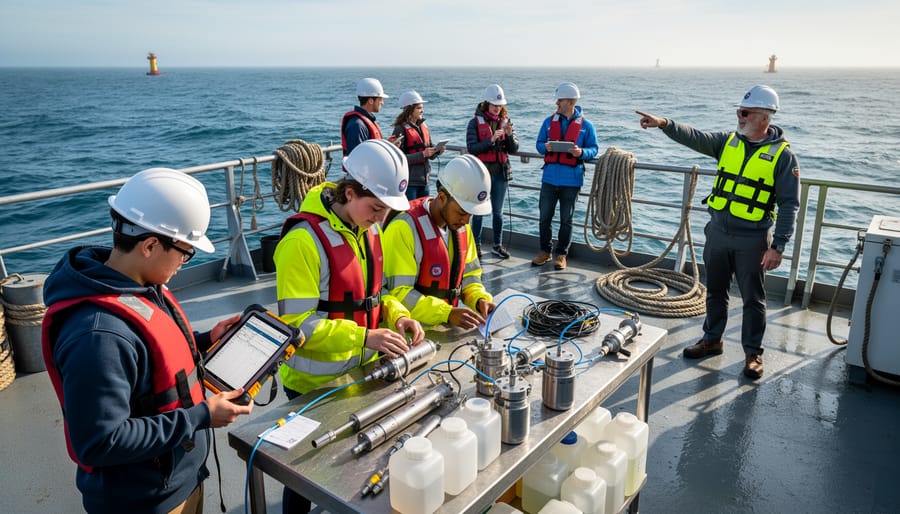
Classroom lectures and lab assignments build theoretical knowledge, but ocean engineering comes alive through direct interaction with marine environments and real-world challenges. Universities with strong ocean engineering programs typically offer research opportunities where undergraduates can assist professors on active projects, measuring coastal sediment transport, testing materials for underwater structures, or analyzing data from autonomous underwater vehicles. These experiences introduce students to the practical realities of marine engineering work while building relationships with faculty who become crucial mentors and references.
Internships with marine research institutions, government agencies like NOAA, coastal engineering firms, and environmental consulting companies provide structured professional experience. Many programs specifically seek engineering students to help design monitoring equipment, maintain field stations, or support conservation technology projects. A summer internship might involve helping engineers develop coral reef restoration structures, optimizing wave energy converters, or installing acoustic monitoring systems for marine mammal research. These positions often pay modestly or offer academic credit, but the hands-on exposure to professional workflows and specialized equipment proves invaluable when applying for post-graduation positions.
Volunteer opportunities through citizen science programs create another pathway from classroom to conservation impact. Organizations running coastal monitoring projects, beach cleanup technology trials, or underwater habitat surveys need volunteers who can contribute technical skills. An engineering student might help build low-cost water quality sensors, maintain underwater camera systems, or analyze structural integrity of artificial reefs. These roles develop practical problem-solving abilities while demonstrating genuine commitment to marine conservation, a combination that strengthens graduate school applications and job prospects.
Fieldwork experience, whether through formal programs or volunteer initiatives, also builds essential soft skills. Working on research vessels, coordinating with diverse teams, troubleshooting equipment failures in remote locations, and communicating findings to non-technical audiences all prepare students for professional realities that textbooks can’t teach. Students who graduate with a portfolio of field projects, internship reports, and volunteer contributions stand out significantly in a competitive job market where employers seek candidates who can immediately contribute to marine conservation efforts.
Career Paths and Specializations in Ocean Engineering
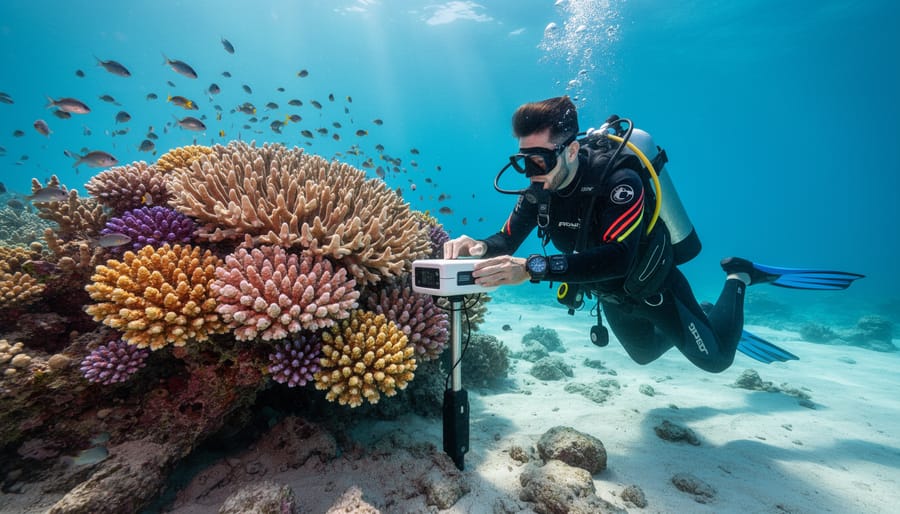
Ocean engineering education opens doors to diverse career paths, each demanding different emphases within your degree program. Understanding these specializations helps you make informed choices about coursework, internships, and graduate studies while still meeting core education requirements for the field.
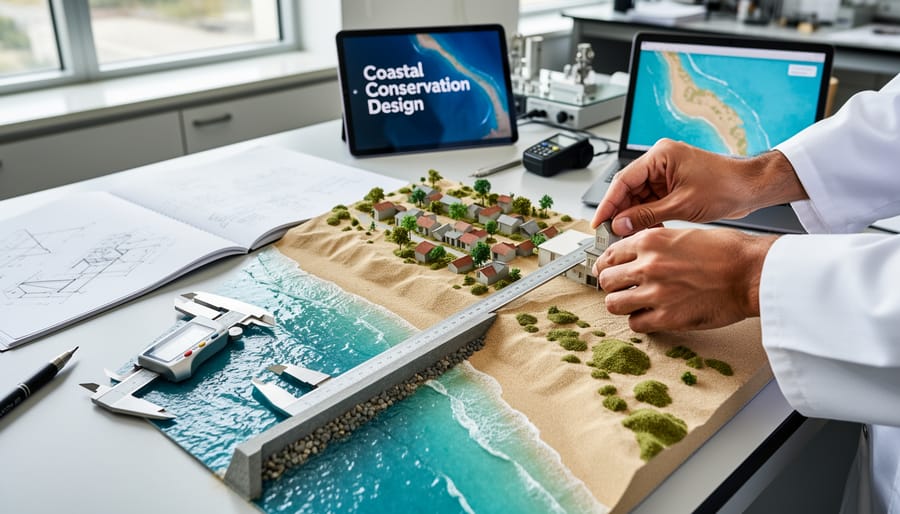
Coastal and marine structures engineers design breakwaters, offshore platforms, and seawalls, typically requiring strong civil engineering foundations in your undergraduate education. If you’re drawn to conservation applications, this path enables you to create living shorelines and nature-based coastal defenses that protect both human infrastructure and marine habitats. Graduate-level coursework in sediment transport and ecological engineering strengthens your ability to design solutions that support biodiversity.
Marine renewable energy specialists develop wave, tidal, and offshore wind systems. This growing field combines mechanical and electrical engineering education with oceanography, making interdisciplinary graduate programs particularly valuable. Your work directly reduces fossil fuel dependence, mitigating ocean acidification and climate impacts on marine ecosystems.
Underwater technology and robotics engineers create the autonomous vehicles and sensors that enable marine research. Educational requirements emphasize computer science, mechatronics, and signal processing. Conservation organizations increasingly need these technologies for monitoring marine protected areas, tracking endangered species, and engaging citizen scientists through user-friendly data collection platforms.
Environmental ocean engineers focus explicitly on pollution mitigation, habitat restoration, and sustainable aquaculture systems. Your education should include environmental science courses alongside traditional engineering fundamentals. You’ll design wastewater treatment systems for coastal communities, develop technologies that reduce aquaculture impacts, or engineer artificial reefs using eco-friendly materials.
Marine policy and planning specialists apply engineering knowledge to conservation management, often combining ocean engineering degrees with marine affairs or environmental policy programs. You might design monitoring frameworks for marine protected areas or develop technical guidelines for sustainable ocean use that citizen science volunteers help implement.
Each specialization shares the same foundational education requirements but diverges in elective coursework, research focus, and practical experience. Identifying your conservation interests early allows you to strategically shape your educational pathway toward maximum impact on marine ecosystem protection.
From Student to Marine Conservation Leader: A Personal Journey
Dr. Sarah Chen discovered ocean engineering during a high school marine science camp, where she witnessed firsthand how coastal erosion threatened sea turtle nesting beaches. That single week changed everything. She enrolled at the University of Rhode Island’s ocean engineering program, initially struggling with the heavy calculus and fluid dynamics coursework while her friends pursued easier majors. “I almost switched to environmental studies after failing my first thermodynamics exam,” she admits. “But I realized the marine world needed people who could build solutions, not just study problems.”
Her undergraduate research project designing artificial reef structures for biodiversity recovery proved transformative. Working alongside marine biologists, Sarah learned how engineering decisions directly impact species survival. She pursued a master’s degree focusing on coastal resilience engineering, spending summers with NOAA researching nature-based solutions to storm surge protection. Her thesis developed living breakwater systems that reduced wave energy while creating habitat for juvenile fish, oysters, and crabs.
The moment I saw schools of fish sheltering in the structure I had designed, I understood that ocean engineering education requirements aren’t just about getting a degree, they’re about gaining the knowledge to restore what we’ve damaged.
Today, Sarah leads conservation engineering projects for The Ocean Conservancy, designing marine protected area infrastructure that supports both biodiversity and local fishing communities. She mentors undergraduate interns, trains citizen scientists to monitor coastal structures, and collaborates with conservation groups worldwide. Her path from confused freshman to marine conservation leader took persistence through difficult coursework, hands-on fieldwork, and constant connection to the bigger mission.
Sarah’s story illustrates how the demanding ocean engineer education requirements translate into tangible impact: healthier coral reefs, protected coastlines, and thriving marine ecosystems that future generations will inherit.
The path to becoming an ocean engineer is more accessible than you might think. While the educational requirements are rigorous, demanding strong foundations in mathematics, physics, and marine science, universities across the country offer dedicated programs designed to prepare you for this essential career. Whether you start with a bachelor’s degree in ocean engineering, marine engineering, or a related field, you’re joining a community of professionals who stand on the front lines of marine ecosystem protection.
Ocean engineers don’t just design structures and technologies; they create solutions that directly safeguard marine biodiversity. From developing pollution mitigation systems to designing sustainable coastal infrastructure, your education equips you to address the most pressing challenges facing our oceans. The combination of classroom learning, hands-on research, and field experience prepares you to make tangible differences in conservation outcomes.
You don’t need to wait until graduation to contribute. Marine citizen science programs welcome students and aspiring ocean engineers to participate in data collection, monitoring projects, and conservation initiatives. These experiences not only strengthen your educational foundation but also connect you to the broader community working to protect marine life.
The ocean needs skilled engineers who understand both the technical demands of marine infrastructure and the ecological importance of the systems they’re protecting. By pursuing this educational pathway, you’re positioning yourself to create lasting positive change for marine ecosystems. Start exploring degree programs today, connect with marine research centers, and consider volunteering with citizen science initiatives. Every engineer who chooses this path multiplies our collective capacity to safeguard ocean health for future generations.

jessica
Ava Singh is an environmental writer and marine sustainability advocate with a deep commitment to protecting the world's oceans and coastal communities. With a background in environmental policy and a passion for storytelling, Ava brings complex topics to life through clear, engaging content that educates and empowers readers. At the Marine Biodiversity & Sustainability Learning Center, Ava focuses on sharing impactful stories about community engagement, policy innovations, and conservation strategies. Her writing bridges the gap between science and the public, encouraging people to take part in preserving marine biodiversity. When she’s not writing, Ava collaborates with local initiatives to promote eco-conscious living and sustainable development, ensuring her work makes a difference both on the page and in the real world.