Marine Biodiversity Science Center

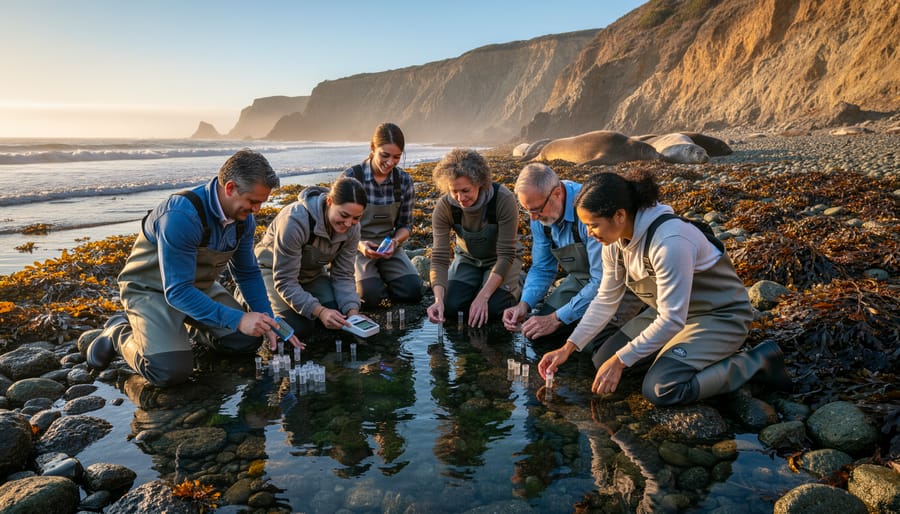
Along the rugged coastline of West Marin, where elephant seals haul out on protected beaches and tidepools teem with ochre stars and anemones, a community-driven force has spent decades translating environmental concern into tangible policy change. The Environmental Action Committee of West Marin stands as a testament to what happens when marine biologists, ranchers, educators, and concerned citizens unite around a shared vision: protecting the delicate marine ecosystems that define this spectacular stretch of California coast.
Founded in 1971, this grassroots organization has championed marine conservation through an approach that balances scientific rigor with accessible community engagement. From securing protections for critical harbor seal pupping grounds to advocating for sustainable fishing practices, the committee demonstrates how local voices can shape regional and state-level marine policy. Marine biologist Dr. Sarah Chen, who volunteers with the committee’s water quality monitoring program, describes the experience as “democracy in action—we’re not just studying these ecosystems, we’re actively protecting them through participation in public hearings, collaborative research, and educational outreach.”
The committee’s success lies in its dual commitment to scientific excellence and inclusive participation. Whether you’re a seasoned oceanographer or someone who simply loves walking Point Reyes beaches, opportunities exist to contribute meaningfully to marine conservation efforts that have measurably improved coastal health across Marin County.
The Birth of Grassroots Marine Protection in West Marin
Understanding West Marin’s Marine Ecosystem
West Marin’s coastline encompasses some of California’s most remarkable critical coastal ecosystems, where the Pacific Ocean meets protected bays, estuaries, and rocky shores. This convergence creates exceptional biodiversity hotspots that support countless marine species throughout their life cycles.
The region’s sheltered coves provide essential pupping grounds for Pacific harbor seals, whose populations here represent a conservation success story after decades of protection efforts. These marine mammals serve as indicator species, revealing the overall health of our coastal waters through their population trends and breeding success.
Tomales Bay and the surrounding watersheds host one of California’s southernmost populations of endangered coho salmon. These remarkable fish migrate from freshwater streams to the open ocean and back again, requiring pristine water quality and unobstructed stream passages at every life stage. Their presence signals the integrity of entire watershed systems.
The dramatic cliffs and offshore rocks support thriving seabird colonies, including common murres, pigeon guillemots, and Brandt’s cormorants. These species depend on abundant forage fish populations and undisturbed nesting sites, making them vulnerable to human disturbance and changing ocean conditions.
Beneath the surface, kelp forests sway in the currents, creating underwater jungles that shelter rockfish, abalone, and sea urchins. These forests also sequester significant amounts of carbon, contributing to climate change mitigation while supporting commercial and recreational fisheries that sustain local communities. Understanding these interconnected systems helps us recognize why protecting West Marin’s marine environment matters far beyond our regional boundaries.
Community Voices That Sparked Action
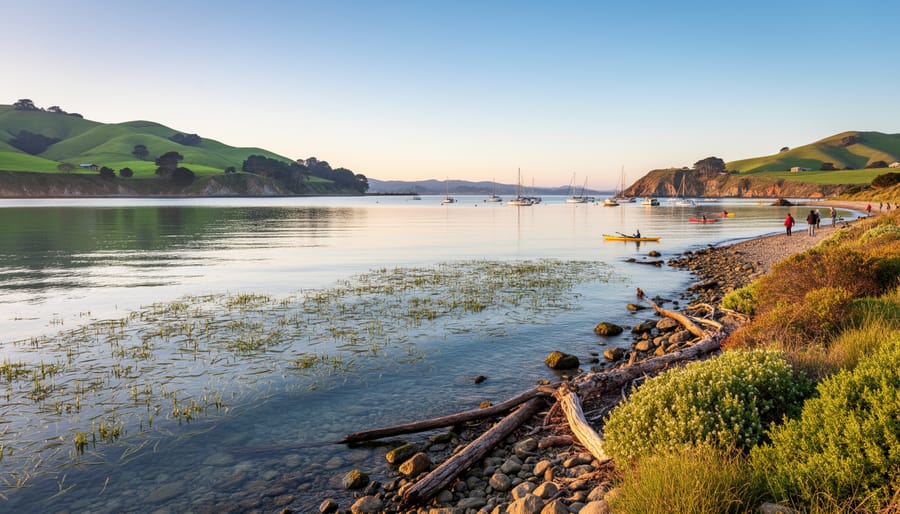
The Environmental Action Committee of West Marin didn’t emerge from boardrooms or bureaucratic mandates. It grew from kitchen table conversations among neighbors who refused to watch their coastal waters decline without fighting back.
Margaret Chen, a retired marine biologist who became one of the founding members, recalls the turning point clearly. “I was walking Kehoe Beach in 2003 when I noticed entire stretches where tide pools I’d studied for decades had become barren. The diversity was simply gone,” she explains. Margaret reached out to other longtime residents, discovering she wasn’t alone in her concern. Within months, a core group of twelve community members began meeting monthly, transforming worry into organized action.
For fisherman Roberto Alvarez, the motivation was deeply personal and economic. “My family has fished these waters for three generations. When salmon runs started collapsing and rockfish populations plummeted, I knew we needed voices advocating for sustainable practices, not just reactive regulations,” he shares. Roberto brought invaluable traditional ecological knowledge to the committee, bridging scientific research with generations of firsthand observations.
The early challenges were significant. Funding was nonexistent, meeting spaces were borrowed, and some established organizations viewed the group skeptically. “People questioned whether a small community group could actually influence marine policy,” Margaret remembers. “But we had something powerful: authentic local knowledge combined with scientific rigor and unwavering commitment.”
Teacher Sarah Williams joined after witnessing her students’ distress about ocean pollution. “These kids felt helpless about environmental problems. I wanted to show them that organized community action creates real change,” she notes. Her perspective pushed the committee to prioritize education and youth engagement from the beginning, establishing programs that continue empowering the next generation of marine advocates today.
From Community Concerns to Conservation Policy
Building Bridges with Scientific Research
The Environmental Action Committee of West Marin has established itself as a leader in evidence-based conservation by forging strong partnerships with academic institutions and marine research organizations. These collaborations transform community observations into rigorous scientific data that policymakers can confidently use when making crucial decisions about coastal protection.
A standout example is the committee’s ongoing partnership with the Bodega Marine Laboratory, where volunteer citizen scientists work alongside doctoral students to monitor rocky intertidal zones. This three-year study has documented dramatic shifts in species distribution related to warming ocean temperatures, providing compelling evidence that directly influenced recent state-level marine conservation programs. Dr. Sarah Chen, a marine biologist leading the research, shares how valuable these partnerships are: “Local volunteers bring decades of knowledge about these coastlines. They notice changes we might miss during quarterly surveys, and their commitment fills crucial data gaps in our long-term monitoring efforts.”
Another successful collaboration involves tracking harbor seal populations at nearby haul-out sites. Committee members, trained by researchers from the Marine Mammal Center, conduct monthly population counts and report disturbances. This data contributed to establishing new seasonal access restrictions that balance wildlife protection with recreational use.
The committee also hosts quarterly “Science Cafés” where researchers present findings in accessible formats, creating dialogue between scientists and community members. These events demystify the research process and help residents understand how their observations contribute to protecting the marine ecosystems they cherish. Through these bridges between science and community action, West Marin demonstrates how local knowledge and academic research combine to create powerful conservation outcomes.
Navigating the Legal Framework
The Environmental Action Committee of West Marin operates within a complex web of environmental regulations, working strategically across multiple governmental levels to advance coastal and marine protection. Understanding these policy mechanisms helps illuminate how local advocacy translates into tangible conservation outcomes.
At the local level, the committee actively participates in the California Coastal Commission process, which reviews development proposals affecting coastal resources. Committee members regularly submit public comments on projects that could impact shoreline habitats, wetlands, and marine access points. This grassroots engagement ensures community voices shape decisions about West Marin’s coastal future. The committee also collaborates with Marin County’s planning department on land use policies that influence watershed health and ocean water quality.
State-level engagement forms another crucial component of the committee’s work. California’s Marine Life Protection Act provides the framework for establishing marine protected areas along the coast. Committee members have contributed to ocean protection efforts by participating in stakeholder meetings, sharing local ecological knowledge, and advocating for science-based boundaries in protected zones. They also monitor implementation of the California Ocean Protection Act, which coordinates state agencies working on marine conservation.
Federal laws add another layer of protection. The committee tracks National Marine Sanctuaries regulations and participates in public comment periods for federal fisheries management. When proposed rules could affect West Marin’s marine ecosystems, committee volunteers mobilize community members to make their concerns heard.
Marine biologist Sarah Chen, who joined the committee five years ago, explains: “These legal frameworks might seem overwhelming at first, but they’re actually designed for public participation. Our role is helping community members understand when and how to engage effectively. Even a well-written comment letter can influence policy outcomes.”
This multi-level approach demonstrates how persistent local advocacy, grounded in scientific understanding and community values, can shape marine conservation policy from the ground up.
Community Engagement Strategies That Work
Education Programs That Inspire Action
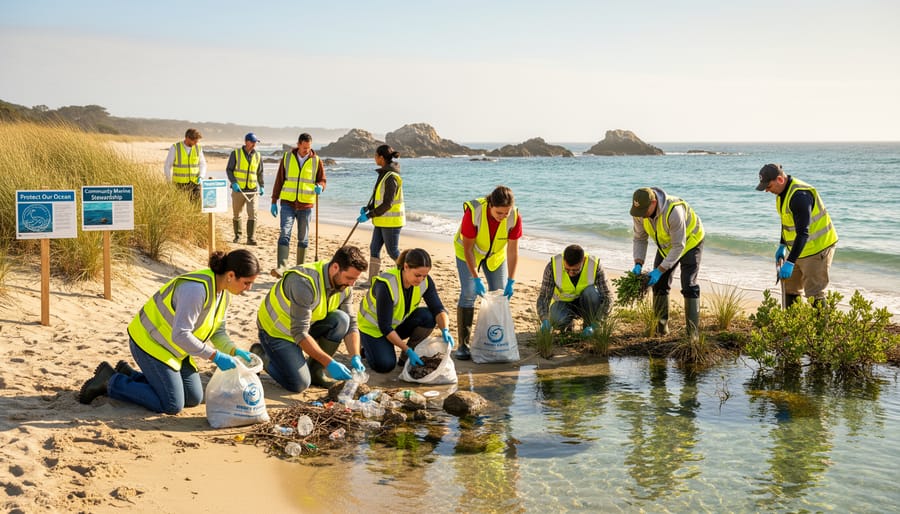
The Environmental Action Committee of West Marin transforms passive concern into active stewardship through hands-on educational programs that meet community members where they are. Their signature beach cleanup initiatives serve as entry points for environmental awareness, welcoming families, students, and visitors to contribute directly to coastal health while learning about marine debris impacts. During these events, volunteers collect data on trash types and quantities, contributing to citizen science databases that inform regional policy decisions.
The committee’s workshop series brings marine biologists and conservation experts directly to the community. Recent programs have covered topics from microplastic identification to native plant restoration, with participants gaining practical skills they can apply in their own lives. Marine biologist Sarah Chen recalls leading a tidepool ecology workshop where a retired teacher became so inspired that she developed an entire marine conservation curriculum for local schools.
Their citizen science initiatives extend beyond beach cleanups to include water quality monitoring, species population surveys, and habitat assessments. Trained volunteers collect scientifically rigorous data that supplements professional research efforts, creating a comprehensive picture of West Marin’s marine ecosystem health. This data has proven instrumental in supporting marine protected area designations.
The committee’s educational outreach reaches beyond active participants through school presentations, community forums, and digital resources that explain how you can help protect marine ecosystems. By demystifying conservation science and demonstrating tangible impact, these programs cultivate a community of informed advocates ready to champion ocean protection.
Creating Inclusive Spaces for Participation
The Environmental Action Committee of West Marin recognizes that effective marine conservation depends on engaging the full spectrum of community voices. The committee has implemented several strategies to ensure accessibility and broad participation across different demographic groups.
Meetings are scheduled at varying times, including weekends and evenings, to accommodate working families and diverse schedules. Translation services are available for Spanish-speaking community members, reflecting West Marin’s demographic diversity. Written materials, including meeting minutes and action alerts, are distributed in both English and Spanish.
The committee actively reaches out to underrepresented groups through partnerships with local schools, senior centers, and community organizations. Transportation assistance and childcare support are offered when possible to remove common barriers to attendance. Virtual participation options, established during the pandemic, have remained available to increase accessibility for those with mobility challenges or time constraints.
“We learned that true community engagement means meeting people where they are,” shares committee coordinator Elena Rodriguez, a marine biologist who helped develop the outreach program. “When a fishing family from Marshall or a high school student from Point Reyes can equally contribute their perspectives on protecting our coastal waters, we make better decisions that reflect our community’s values and knowledge.”
The committee maintains an open-door policy, welcoming newcomers at every meeting and providing orientation materials that explain marine conservation basics without assuming prior expertise.
Volunteer Spotlights: Making a Difference
For marine biologist Dr. Elena Rodriguez, volunteering with the Environmental Action Committee transformed her understanding of how science translates into policy. “I spent years publishing research papers, but working with this committee showed me how to communicate findings directly to decision-makers,” she explains. Her involvement in the 2022 kelp forest restoration project helped secure protective zones that now cover 1,200 acres of critical habitat.
Local resident and retired teacher James Chen discovered his passion for marine conservation through the committee’s beach cleanup initiatives three years ago. Since then, he’s organized monthly monitoring sessions that have documented a 40% reduction in microplastic concentrations at Bolinas Beach. “Seeing tangible results keeps me motivated,” he shares. “Every data point we collect strengthens our advocacy for stronger pollution regulations.”
The committee welcomes volunteers of all backgrounds, from citizen scientists collecting water samples to communications specialists helping craft policy briefs. Monthly training sessions provide hands-on experience in species identification, water quality testing, and public outreach. Whether you can commit two hours monthly or lead a conservation project, opportunities exist to contribute meaningfully to protecting West Marin’s extraordinary marine ecosystems while building connections with passionate environmental advocates.
Measurable Impacts on West Marin’s Marine Environment
The Environmental Action Committee of West Marin has achieved remarkable results in protecting and restoring the region’s coastal ecosystems over the past decade. Through persistent advocacy and community mobilization, the committee secured the establishment of three marine protected areas totaling 12,000 acres of critical habitat along the Tomales Bay coastline in 2018. These protected zones now serve as nursery grounds for juvenile rockfish and provide safe harbor for harbor seals during pupping season.
Habitat restoration efforts have yielded equally impressive outcomes. The committee coordinated volunteer teams who removed over 40 tons of derelict fishing gear and marine debris from local waters between 2019 and 2023. Marine biologist Dr. Sarah Chen, who leads the committee’s monitoring program, shares that “we’ve documented a 35 percent increase in eelgrass coverage in restored areas, which directly correlates with improved water quality and increased fish diversity.”
The committee’s policy victories extend beyond protected areas. Their sustained campaign resulted in the county adopting stricter stormwater management regulations in 2020, reducing sediment runoff into Tomales Bay by an estimated 22 percent. This improvement has contributed to more stable water clarity, benefiting underwater vegetation and filter-feeding species.
Population monitoring reveals encouraging trends for several indicator species. Harbor seal counts have risen from 280 individuals in 2015 to over 400 in 2023. Native Olympia oyster populations, decimated by historical overharvesting, have rebounded in restoration sites where volunteers installed thousands of oyster shells to provide settlement substrate. These bivalves now filter millions of gallons of water annually, improving overall ecosystem health.
Perhaps most significantly, the committee’s educational programs have engaged over 5,000 students in hands-on marine science experiences since 2017. Young participants contribute to ongoing species surveys, creating both immediate conservation value and cultivating the next generation of marine stewards. Local high school student Maya Rodriguez explains, “Being part of real scientific work made me realize I could make a difference. I’m now studying marine biology because of these experiences.”
Lessons for Coastal Communities Everywhere
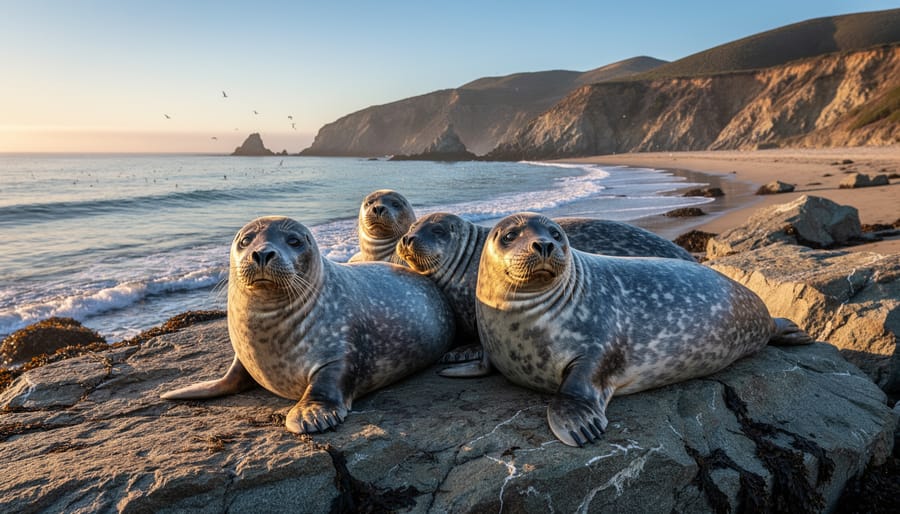
West Marin’s success offers a blueprint that coastal communities worldwide can adapt to their unique circumstances. The committee’s achievements stem from several replicable principles that transcend geography and local politics.
First, their model demonstrates the power of building coalitions across diverse stakeholder groups. By bringing together fishers, scientists, educators, and residents from the start, West Marin created a shared vision that no single interest group could derail. This inclusive approach meant that conservation measures reflected real-world economic concerns alongside ecological priorities, making policies both more effective and more sustainable.
Second, their commitment to science-based advocacy proved essential. Rather than relying on emotional appeals alone, the committee partnered with marine biologists to conduct baseline surveys, monitor population trends, and document the health of local ecosystems. Dr. Sarah Chen, who volunteered with the water quality monitoring program, recalls: “We trained community members to collect data using the same protocols we use in our research. This created an army of citizen scientists who understood the issues intimately and could speak with authority at public hearings.”
The committee’s emphasis on adaptive conservation strategies also stands out as a transferable lesson. They recognized that marine ecosystems change, and policies must evolve accordingly. Regular review processes and willingness to adjust approaches based on new data kept their initiatives relevant and effective.
Communities looking to replicate this success should start small with achievable goals, invest in youth education programs to build long-term support, and maintain consistent communication with decision-makers. West Marin proves that dedicated volunteers armed with solid science and community backing can achieve remarkable conservation outcomes, even with limited budgets. The key lies not in perfect conditions, but in persistent, strategic action rooted in local knowledge and scientific expertise.
The story of the Environmental Action Committee of West Marin demonstrates that meaningful marine conservation doesn’t require massive budgets or government mandates alone—it thrives on informed, dedicated community members working together. When local voices unite around science-based advocacy, they create ripples that extend far beyond their coastline, influencing policy decisions that protect entire ecosystems.
Your involvement matters more than you might think. Marine biologist Dr. Elena Rodriguez, who began as a committee volunteer, shares: “I watched neighbors with no formal training become passionate advocates who could speak confidently about tidepool ecology at county meetings. That’s when I realized conservation isn’t just for scientists—it belongs to everyone.”
Ready to make a difference? Start by attending your next local coastal commission meeting to understand current challenges facing your marine environment. Volunteer for beach monitoring programs where you’ll contribute valuable data while learning from experienced conservationists. Connect with regional environmental groups to stay informed about urgent issues requiring public input. Even small actions—like participating in citizen science projects or sharing educational content within your networks—strengthen the collective voice for ocean protection.
The future of our marine ecosystems depends on communities like yours stepping forward. The question isn’t whether you can make an impact, but when you’ll begin.

jessica
Ava Singh is an environmental writer and marine sustainability advocate with a deep commitment to protecting the world's oceans and coastal communities. With a background in environmental policy and a passion for storytelling, Ava brings complex topics to life through clear, engaging content that educates and empowers readers. At the Marine Biodiversity & Sustainability Learning Center, Ava focuses on sharing impactful stories about community engagement, policy innovations, and conservation strategies. Her writing bridges the gap between science and the public, encouraging people to take part in preserving marine biodiversity. When she’s not writing, Ava collaborates with local initiatives to promote eco-conscious living and sustainable development, ensuring her work makes a difference both on the page and in the real world.