Marine Biodiversity Science Center

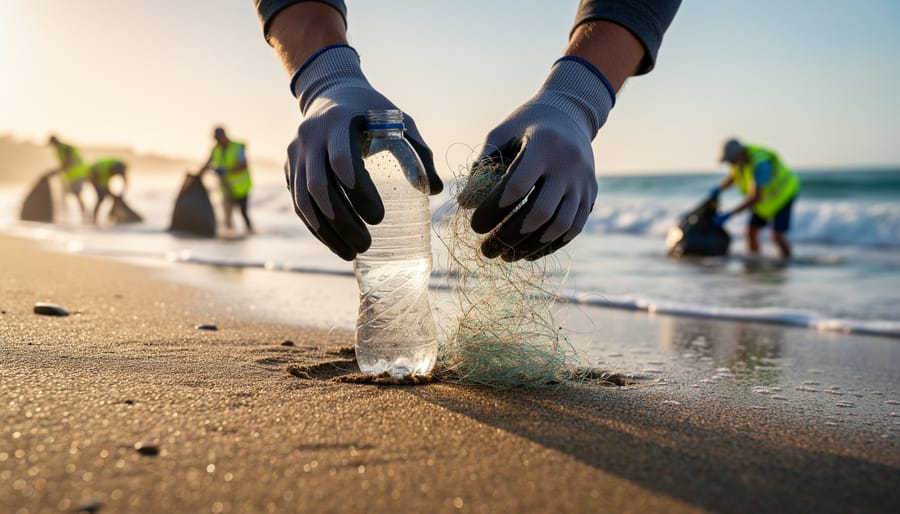
Our oceans are dying, but you hold the power to reverse this crisis. Every eight hours, we lose marine species at rates not seen since the dinosaurs vanished, yet marine biologist Dr. Sarah Chen reminds us that individual actions create ripples of change across entire ecosystems. The plastic bottle you refuse today prevents microplastics from entering the food chain tomorrow. The sustainable seafood choice you make this week protects breeding populations for decades.
Marine life faces an unprecedented convergence of threats: plastic pollution suffocates sea turtles, overfishing decimates fish stocks by 90% in some regions, and rising ocean temperatures bleach coral reefs that shelter 25% of all marine species. Climate change acidifies waters, making it impossible for shellfish to form shells, while coastal development destroys critical nursery habitats where young fish grow to maturity.
Yet hope thrives in collective action. Communities worldwide are proving that dedicated efforts restore damaged ecosystems faster than scientists predicted. Volunteer beach cleanups remove tons of debris annually. Citizen scientists contribute vital data that shapes conservation policy. Even small behavioral shifts compound into massive impact when millions participate.
This guide transforms concern into action. Whether you have five minutes or five hours weekly, whether you live coastally or landlocked, you possess unique abilities to protect marine biodiversity. From reducing your plastic footprint to supporting conservation organizations, from choosing sustainable products to educating others, your journey toward ocean stewardship starts now. Together, we can ensure thriving oceans for generations ahead.
Understanding the Threats Facing Our Oceans
Plastic Pollution and Marine Debris
Plastic waste poses one of the most pervasive threats to ocean health, with an estimated 8 million tons entering our seas annually. The marine pollution impacts range from visible debris to invisible threats. Large plastics entangle marine mammals, seabirds, and sea turtles, while abandoned fishing gear, known as ghost nets, continues trapping wildlife for decades. Microplastics, tiny fragments less than 5mm, present an insidious danger as they enter the marine food chain at every level.
When small fish and filter feeders consume microplastics, mistaking them for plankton, these particles accumulate in their tissues. As larger predators consume contaminated prey, plastic concentrations magnify up the food chain, eventually reaching apex predators and even our dinner plates. Marine biologist Dr. Sarah Chen shares her experience: “During research expeditions, we’ve found microplastics in 90% of seabird stomach samples. These particles not only cause physical harm but also leach toxic chemicals that disrupt reproduction and immune systems.”
Understanding this plastic pathway emphasizes why reducing single-use plastics and supporting cleanup initiatives matters urgently for ocean health.
Climate Change and Ocean Acidification
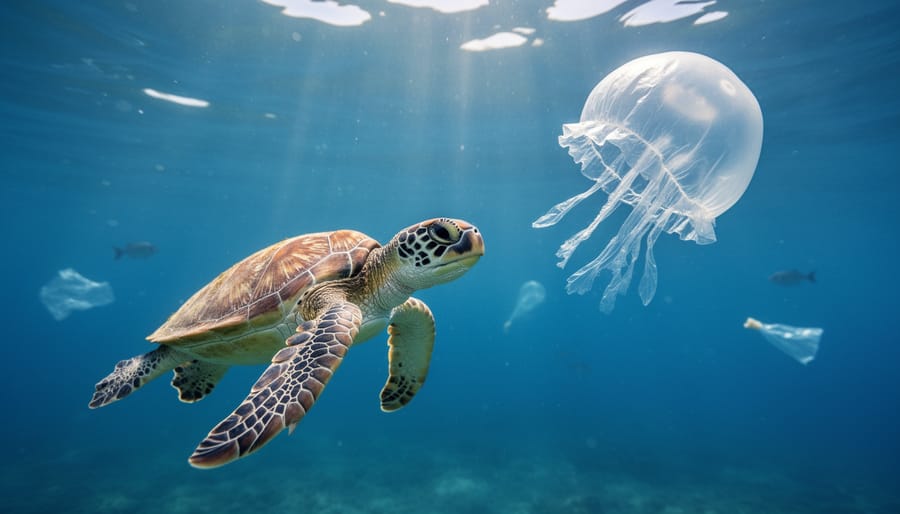
Our oceans are absorbing the consequences of our carbon emissions in two devastating ways. As atmospheric CO2 levels rise, ocean temperatures climb while the chemistry of seawater fundamentally changes. When carbon dioxide dissolves in seawater, it forms carbonic acid, making the water more acidic through a process called ocean acidification. This chemical shift might sound subtle, but its impacts are profound.
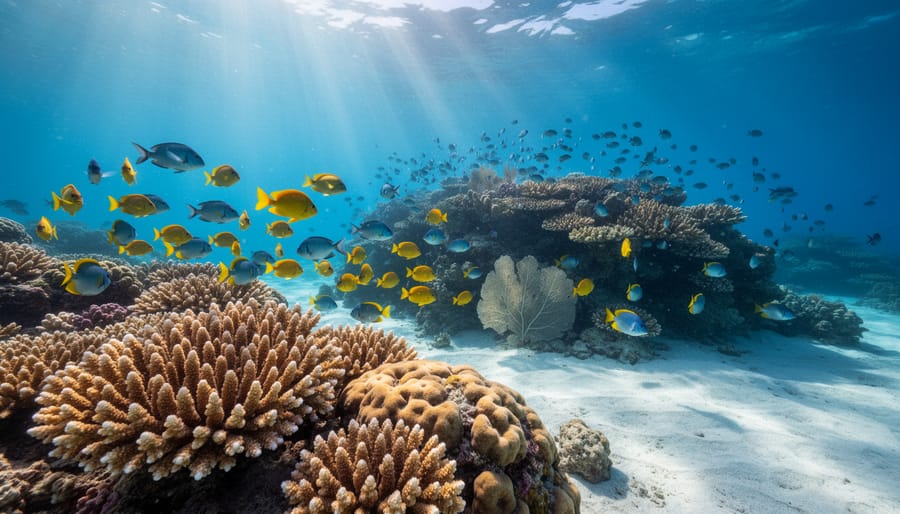
Coral reefs, often called the rainforests of the sea, are particularly vulnerable. Warmer waters trigger coral bleaching, where stressed corals expel their life-sustaining algae partners. Meanwhile, increased acidity makes it harder for corals to build their calcium carbonate skeletons, essentially dissolving the very structures they depend on. Dr. Maria Santos, a marine biologist studying Caribbean reefs, describes witnessing once-vibrant ecosystems transformed into ghostly white graveyards within a single generation.
Fish populations face disruption too. Changing temperatures force species to migrate toward cooler waters, disrupting traditional fishing grounds and ecosystem balance. Some fish species struggle to detect predators in acidified water, affecting their survival rates. These cascading effects ripple through entire food webs, threatening the 3 billion people who depend on marine biodiversity for their primary protein source.
Overfishing and Habitat Destruction
Unsustainable fishing practices threaten marine ecosystems on a global scale. Industrial fishing operations often employ methods that devastate ocean habitats and deplete fish populations faster than they can recover. Bottom trawling, for instance, drags heavy nets across the seafloor, destroying centuries-old coral reefs and disrupting sediment layers that countless organisms depend upon.
Bycatch represents another critical challenge. For every pound of target fish caught, commercial operations may accidentally capture and discard several pounds of other marine life, including sea turtles, dolphins, sharks, and juvenile fish. Marine biologist Dr. Sarah Chen recalls witnessing hundreds of dead sea turtles discarded from shrimp trawlers during her research expeditions: “That moment fundamentally changed how I approach conservation work. These aren’t just statistics; they’re individual lives lost to preventable practices.”
Coastal habitat destruction compounds these problems. Mangrove forests and seagrass beds serve as nurseries for countless fish species and protect shorelines from erosion, yet we’ve lost approximately 30-50% of these ecosystems globally. Development projects, pollution, and destructive fishing methods continue degrading these vital habitats. Understanding these interconnected threats helps us recognize why supporting sustainable fisheries, choosing responsibly sourced seafood, and advocating for marine protected areas makes such a tangible difference in ocean health.
What You Can Do Right Now to Protect Marine Life
Reduce Your Plastic Footprint
Plastic pollution poses one of the most immediate threats to marine ecosystems, with an estimated 8 million metric tons entering our oceans annually. Taking deliberate steps to reduce your plastic footprint creates measurable positive change for marine life.
Begin by eliminating single-use plastics from your daily routine. Replace disposable water bottles with reusable stainless steel or glass containers, carry cloth shopping bags, and choose products with minimal packaging. When shopping, select sustainable alternatives like bamboo toothbrushes, beeswax food wraps, and refillable cleaning products. These simple swaps prevent countless plastic items from potentially reaching marine environments.
Proper waste disposal remains equally critical. Always recycle correctly according to your local guidelines, as contaminated recycling often ends up in landfills or oceans. Participate in beach cleanups to remove existing pollution before it breaks down into harmful microplastics that marine animals ingest.
Marine biologist Dr. Sarah Chen shares her perspective: “Every piece of plastic we prevent from entering the ocean protects countless marine organisms. I’ve witnessed sea turtles mistake plastic bags for jellyfish, their primary food source. When we choose reusable options, we’re literally saving lives.”
Your choices ripple outward, inspiring others while directly reducing the plastic burden threatening marine biodiversity.

Make Sustainable Seafood Choices
Every time you choose seafood, you cast a vote for how our oceans are managed. The global demand for fish has led to overfishing that threatens entire marine ecosystems, but your purchasing decisions can drive positive change. Start by seeking out certification labels like the Marine Stewardship Council (MSC) blue label or the Aquaculture Stewardship Council (ASC) green label, which indicate that seafood comes from responsibly managed fisheries or farms.
Download a pocket guide from organizations like the Monterey Bay Aquarium’s Seafood Watch program, which rates fish as “Best Choices,” “Good Alternatives,” or “Avoid” based on sustainability factors. These guides are available as smartphone apps, making it easy to check while shopping or dining out. Pay attention to where and how fish are caught—line-caught fish typically have less bycatch than trawling methods.
Don’t hesitate to ask questions at restaurants and fish markets about the origin of their seafood. Marine biologist Dr. Sarah Chen shares, “When I started asking my local fishmonger about their sourcing practices, they began highlighting sustainable options more prominently. Consumer interest creates market demand for responsible fishing.” By choosing wisely, you protect fish populations, preserve marine habitats, and support fishing communities committed to long-term ocean health.
Support Marine Conservation Efforts
Financial support and active advocacy create powerful ripples of change across our oceans. Contributing to established marine conservation organizations like the Ocean Conservancy, Marine Conservation Institute, or local coastal protection groups directly funds research, habitat restoration, and policy initiatives. Even small monthly donations accumulate into significant impact when combined with contributions from others who share your passion.
Beyond financial support, your voice matters tremendously in shaping marine-friendly policies. Sign petitions advocating for marine protected areas, sustainable fishing regulations, and plastic reduction legislation. Contact elected representatives to express support for ocean conservation bills. Marine biologist Dr. Elena Rodriguez shares, “When I testified before a coastal management committee, hundreds of citizen signatures gave our scientific recommendations the political weight they needed to succeed.”
Your purchasing power also drives change. Choose sustainably sourced seafood certified by organizations like the Marine Stewardship Council, support businesses committed to reducing ocean plastic, and prioritize companies with transparent environmental practices. Research brands before buying coastal recreation equipment or beach products.
Consider participating in citizen science programs where you can contribute valuable data to ongoing research projects. These opportunities transform your ocean enthusiasm into measurable conservation outcomes while connecting you with a community of like-minded advocates working toward healthier marine ecosystems.
Reduce Your Carbon Footprint
Your daily energy choices create ripples that reach far beyond your home, directly impacting ocean health. When we burn fossil fuels for electricity, transportation, and heating, we release carbon dioxide that doesn’t just warm our atmosphere—approximately 30% gets absorbed by our oceans, triggering acidification that weakens coral skeletons and disrupts marine food webs.
The good news? Simple changes make a measurable difference. Switch to renewable energy providers when available, or install solar panels if feasible. Reduce your transportation emissions by carpooling, using public transit, biking, or choosing fuel-efficient vehicles. At home, improve insulation, use LED lighting, and unplug devices when not in use—these adjustments lower your energy consumption and the resulting ocean impact.
Marine biologist Dr. Elena Rodriguez shares: “After calculating my carbon footprint and making targeted reductions, I realized that individual action, multiplied across communities, creates the momentum needed for systemic change.” Even cutting your household emissions by 20% contributes to healthier, more resilient oceans for the species we’re working to protect.
Community and Volunteer Opportunities That Make a Difference
Beach Cleanups and Coastal Restoration Projects
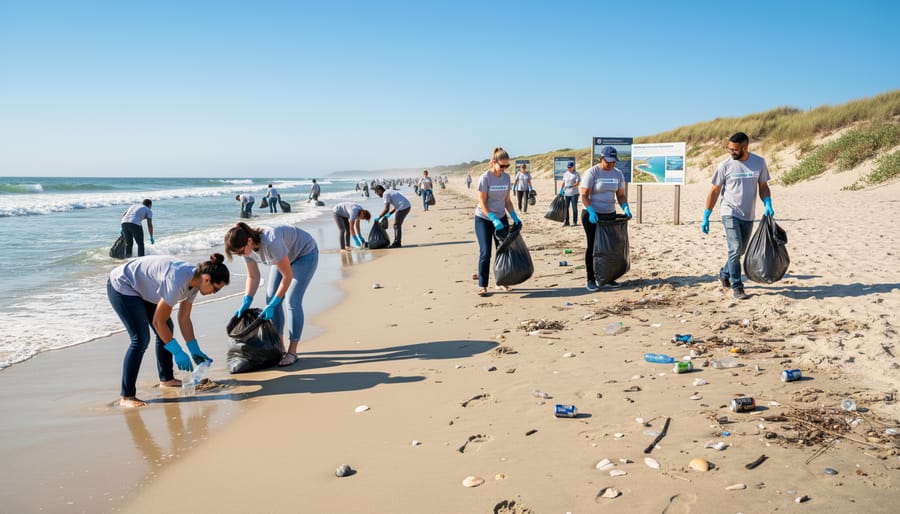
Beach cleanups represent one of the most direct and rewarding ways to protect marine ecosystems. Every year, millions of tons of trash enter our oceans, threatening marine species through ingestion, entanglement, and habitat degradation. Organized cleanup events remove this debris before it can cause further harm, with some efforts recovering thousands of pounds of waste from a single stretch of coastline.
Beyond immediate trash removal, coastal restoration projects address long-term habitat health by replanting native dune vegetation, removing invasive species, and rebuilding damaged reef structures. These initiatives create crucial breeding grounds and nurseries for countless marine species. Marine biologist Dr. Sarah Chen shares her experience: “After participating in monthly cleanups for two years, we’ve witnessed sea turtle nesting return to beaches that hadn’t seen activity in decades. It’s incredibly powerful to see direct results from collective effort.”
Finding local events is easier than ever through platforms like Ocean Conservancy’s International Coastal Cleanup database, local environmental organizations, and social media community groups. If no events exist in your area, starting one is straightforward. Contact your local parks department, gather supplies like gloves and trash bags, promote through community channels, and coordinate with waste management for proper disposal. Even small groups make measurable impacts while building community awareness and inspiring sustained conservation action.
Citizen Science and Marine Monitoring Programs
You don’t need a research vessel or advanced degree to contribute meaningfully to marine conservation. Citizen science programs empower everyday ocean enthusiasts to become valuable data collectors, helping scientists track marine populations, monitor ecosystem health, and identify emerging threats.
Organizations worldwide have created accessible monitoring programs where volunteers can submit observations of marine species, document beach debris, or track water quality. The Marine Biodiversity Science Center coordinates several initiatives connecting community members with researchers who rely on this ground-level data to understand large-scale ocean patterns. These collaborative conservation efforts have proven remarkably effective, with citizen scientists discovering new species distributions and detecting population changes that might otherwise go unnoticed.
Getting started is straightforward. Many programs offer smartphone apps where you can photograph and report marine life encounters during beach walks or snorkeling trips. Others train volunteers to conduct standardized surveys of tide pools or participate in annual species counts.
Dr. Maria Chen, a marine biologist who coordinates volunteer programs, shares her experience: “Last year, a retired teacher participating in our sea star monitoring project noticed an unusual pattern that led to early detection of a disease outbreak. Citizen scientists provide coverage across vast areas that professional researchers simply cannot match. Every observation matters and contributes to our understanding of ocean health.”
Educational Outreach and Advocacy
Education stands as one of our most powerful tools for protecting marine ecosystems. By sharing knowledge about ocean threats and conservation solutions, we create ripples of change that extend far beyond our immediate communities.
Classroom programs offer incredible opportunities to inspire the next generation of ocean advocates. Many marine conservation organizations provide free curricula, activity guides, and virtual presentations that make complex topics like ocean acidification and plastic pollution accessible to students of all ages. Teachers can connect students with marine biologists through video calls, arrange beach cleanup field trips, or establish classroom aquariums to foster hands-on learning about marine ecosystems.
Social media campaigns amplify conservation messages globally. Sharing informative posts, participating in challenges like Plastic Free July, or creating educational content about local marine species can reach thousands of people. The key is consistency and authenticity—personal experiences and local perspectives often resonate more powerfully than generic messaging.
Community education programs bring marine conservation into neighborhoods far from coastlines. Library talks, documentary screenings, and community science projects invite public participation in meaningful ways.
Marine educator Sarah Chen shares her experience: “I started leading monthly beach walks three years ago, teaching families to identify tide pool creatures. Watching kids become passionate advocates who educate their own families has been transformative. One participant even launched a successful campaign to reduce single-use plastics at her school. That’s the multiplier effect of education—one conversation can spark countless actions.”
How Science and Policy Work Together for Marine Protection
Marine Protected Areas and Conservation Zones
Marine Protected Areas (MPAs) serve as sanctuaries where marine ecosystems can recover and thrive with minimal human interference. These designated zones restrict activities like fishing, mining, and development, allowing fish populations to rebuild and habitats to regenerate naturally.
The science behind effective MPAs is compelling. Research shows that well-managed reserves increase fish biomass by an average of 400% within their boundaries, with benefits spilling over into surrounding waters. The Great Barrier Reef Marine Park demonstrates this success, where no-take zones have helped coral communities recover and support diverse marine populations.
Marine biologist Dr. Sarah Chen shares her experience: “After ten years monitoring a newly established MPA, we witnessed shark populations return and kelp forests flourish. It reminded me why this work matters—nature has remarkable resilience when given space to recover.”
For MPAs to succeed, they must be adequately sized, well-enforced, and strategically located. The goal of protecting 30% of our oceans by 2030 requires expanding these conservation zones globally. You can support this effort by advocating for MPA establishment in your region and respecting protected area regulations during recreational activities.
Endangered Species Protection Programs
Legal protections form the backbone of efforts to save marine species from extinction. In the United States, the Endangered Species Act designates threatened species and mandates recovery plans that address habitat protection, population monitoring, and threat reduction. Similar frameworks exist globally, with programs like the IUCN Red List guiding conservation priorities worldwide.
Recovery plans are collaborative efforts involving scientists, government agencies, and conservation organizations. For sea turtles, these programs combine beach protection during nesting seasons with fishing gear modifications to reduce bycatch. Marine biologist Dr. Sarah Chen shares that “witnessing a population of hawksbill turtles rebound after decades of protection work reminds us why persistence matters in conservation.”
Protection programs for marine mammals like right whales involve vessel speed restrictions in critical habitats, while coral restoration initiatives actively transplant resilient species to degraded reefs. These targeted approaches demonstrate measurable success when properly funded and enforced.
You can support these efforts by volunteering with local wildlife monitoring programs or advocating for stronger marine protections in your region.
International Cooperation and Treaties
Protecting our shared ocean requires nations to work together beyond political boundaries. The United Nations Convention on the Law of the Sea, often called the “constitution for the oceans,” establishes the legal framework for marine conservation across international waters. This foundational treaty has inspired numerous regional agreements that address specific conservation challenges.
The Convention on Biological Diversity and its Marine Protected Area targets have motivated countries to safeguard at least 10 percent of coastal and marine areas. Meanwhile, the CITES treaty regulates international trade in endangered marine species, from sea turtles to certain shark species, helping prevent overexploitation.
Marine biologist Dr. Elena Rodriguez, who participated in treaty negotiations, shares: “Watching nations put aside differences to protect whale migration routes showed me the power of diplomacy in conservation. These agreements translate into real protection for species that know no borders.”
Recent achievements include the High Seas Treaty, adopted in 2023, which provides tools for establishing marine protected areas in international waters covering nearly half our ocean. While enforcement challenges remain, these cooperative frameworks demonstrate humanity’s capacity to unite for ocean stewardship. By supporting organizations that advocate for strong international protections, you contribute to this global conservation movement.
The Power of Education in Marine Conservation
Resources for Continued Learning
Expanding your knowledge about marine ecosystems empowers more effective conservation action. The documentary series “Blue Planet II” offers breathtaking footage while explaining complex ocean dynamics in accessible terms. For deeper scientific understanding, “The World Is Blue” by marine biologist Sylvia Earle combines personal research experiences with urgent calls to action.
Online platforms like Coursera and edX provide free marine biology courses from leading universities, perfect for students and professionals alike. The Ocean Conservancy and Marine Conservation Institute websites feature regularly updated research, infographics, and fact sheets that translate scientific findings into understandable content.
Consider subscribing to publications like “Ocean Geographic” or following marine research blogs that share field stories from working scientists. Many aquariums and research institutions also offer virtual tours and webinars, connecting you directly with experts. Youth-focused resources like National Geographic Kids make ocean conservation engaging for younger audiences, helping families learn together. These materials not only deepen understanding but also reveal volunteer opportunities and career paths in marine conservation.
Teaching the Next Generation
Cultivating ocean stewardship in young minds creates lifelong advocates for marine conservation. Parents and educators hold unique power to spark this passion through hands-on experiences that make ocean protection tangible and exciting.
Start with local beach cleanups that transform abstract concepts into visible impact. Children collect trash while learning how plastics harm sea turtles and seabirds, connecting their actions to real consequences. Many coastal aquariums offer junior volunteer programs where teenagers assist with educational displays and animal care, gaining firsthand knowledge from marine biologists who share their conservation journeys.
Classroom integration makes marine protection relevant across subjects. Science teachers can organize citizen science projects where students monitor local water quality or track jellyfish populations, contributing actual data to research databases. Art classes might create sculptures from collected ocean plastics, merging creativity with environmental messaging.
Digital resources expand access beyond coastal communities. Virtual reef tours, documentary screenings, and pen-pal exchanges with students in different marine ecosystems build global awareness. Encourage youth-led initiatives like school fundraisers supporting sea turtle rehabilitation or letter-writing campaigns to local representatives about marine protection policies.
The key is making ocean conservation feel achievable rather than overwhelming. When young people witness measurable results from their efforts, whether through restored habitats or reduced plastic consumption in their schools, they develop confidence that their voices and actions matter. These early experiences shape environmental values that ripple forward, creating generations committed to protecting our oceans.
The ocean’s future rests not in the hands of a few, but in the collective actions of millions. While the challenges facing marine life may seem overwhelming, the truth is that protecting our oceans is both urgent and entirely achievable when we work together. Every choice you make, from the seafood you purchase to the beach cleanup you attend, creates ripples that extend far beyond what you can see.
Throughout this guide, we’ve explored the threats facing marine ecosystems and the practical steps each of us can take. But knowledge only transforms into impact when paired with action. The encouraging reality is that marine conservation doesn’t require you to overhaul your entire life overnight. It starts with a single decision, a first step that leads to another, and another.
Perhaps you’ll begin by reducing single-use plastics in your home, or maybe you’ll join a volunteer program to monitor local coastlines. You might share what you’ve learned with friends and family, or support marine research initiatives. Marine biologist Dr. Sarah Chen, who has dedicated three decades to coral reef restoration, often reminds her students: “The ocean doesn’t need perfect conservationists. It needs millions of imperfect people doing their best.”
Today, choose your first step. Whether through volunteering, lifestyle changes, or spreading awareness, your contribution matters. The ocean has sustained life on Earth for billions of years. Now it needs our help. Together, we can ensure that future generations inherit oceans as vibrant and abundant as they deserve to be.

jessica
Ava Singh is an environmental writer and marine sustainability advocate with a deep commitment to protecting the world's oceans and coastal communities. With a background in environmental policy and a passion for storytelling, Ava brings complex topics to life through clear, engaging content that educates and empowers readers. At the Marine Biodiversity & Sustainability Learning Center, Ava focuses on sharing impactful stories about community engagement, policy innovations, and conservation strategies. Her writing bridges the gap between science and the public, encouraging people to take part in preserving marine biodiversity. When she’s not writing, Ava collaborates with local initiatives to promote eco-conscious living and sustainable development, ensuring her work makes a difference both on the page and in the real world.