Marine Biodiversity Science Center

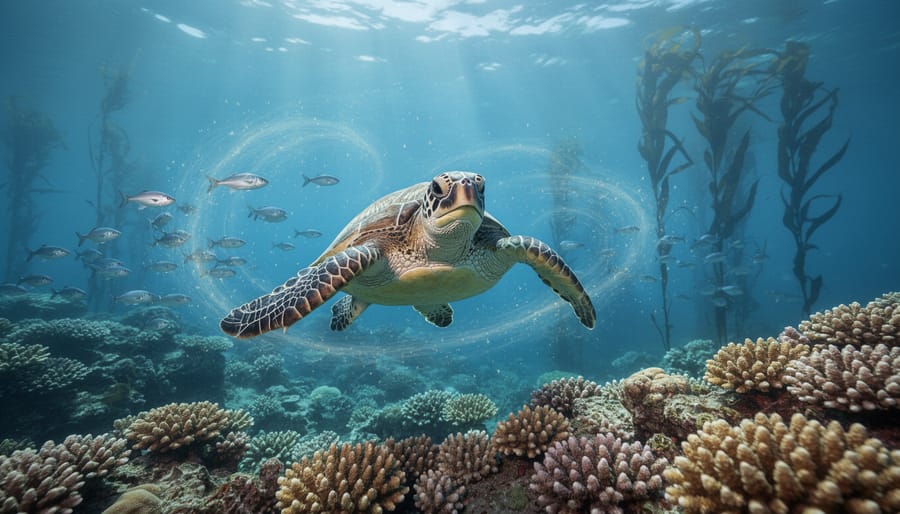
Marine diseases are illnesses caused by pathogens (bacteria, viruses, fungi, and parasites) or environmental stressors that affect ocean-dwelling organisms, from microscopic plankton to massive whales. These diseases shape marine ecosystems in profound ways, controlling population dynamics, influencing community structure, and even altering entire food webs.
Understanding marine diseases has never been more urgent. Ocean temperatures continue rising, creating conditions where pathogens thrive and spread to new regions. Coral reefs face devastating disease outbreaks that can wipe out centuries of growth in months. Commercial fisheries lose billions of dollars annually to disease events in farmed and wild populations. Perhaps most concerning, marine diseases don’t stay in the ocean. Pathogens can jump to humans through seafood consumption or coastal exposure, making marine disease surveillance a matter of public health.
Yet marine organisms possess remarkable immune defenses, many of which scientists are only beginning to decode. Unlike mammals with their sophisticated antibody systems, invertebrates like sea urchins and oysters rely on innate immunity, deploying cellular warriors and antimicrobial compounds at infection sites. Fish occupy a middle ground, combining both ancient and modern immune strategies. These diverse defense mechanisms hold clues for developing new antibiotics and vaccines, not just for marine species but potentially for human medicine as well.
This article explores what marine diseases are at their core, how infection and immune response unfold beneath the waves, the major categories of diseases reshaping ocean health, and why this knowledge matters for conservation efforts, sustainable fisheries, and coastal communities worldwide. The ocean’s health is inseparable from our own, and marine disease research sits at the intersection of ecology, immunology, and the future of our blue planet.
What Marine Diseases Are
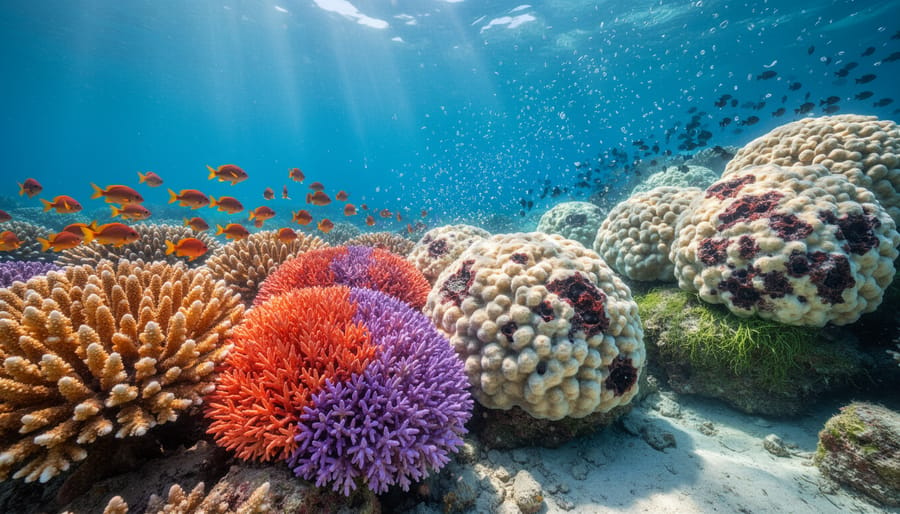
Marine diseases are conditions that impair the health, function or survival of organisms living in ocean and coastal environments. These illnesses range from infectious diseases caused by pathogens, bacteria, viruses, fungi and parasites, to non-infectious conditions triggered by environmental stressors, pollution or nutritional deficiencies. A single outbreak can devastate entire populations, from coral reefs bleached by disease to mass die-offs of sea stars along the Pacific coast.
Understanding a few core terms helps clarify how marine diseases operate:
- Pathogen
- A disease-causing organism such as a bacterium, virus, fungus or parasite that infects a marine host.
- Host
- The marine organism that becomes infected or affected by a disease, whether fish, mammal, invertebrate or algae.
- Vector
- An organism that transmits a pathogen from one host to another without necessarily becoming sick itself, like certain copepods spreading viral infections among fish.
- Epizootic
- A disease outbreak affecting many animals across a region simultaneously, similar to an epidemic in human populations.
- Endemic disease
- A disease that persists at consistent, predictable levels within a population or area over time.
- Emerging disease
- A newly identified disease or one increasing in frequency, geographic range or host species, often linked to environmental changes.
The dynamics of marine diseases differ sharply between wild and farmed populations. In open ocean environments, diseases spread more slowly due to lower animal density, but outbreaks can still wipe out scattered populations before scientists detect them. Aquaculture facilities, by contrast, concentrate thousands of individuals in close quarters, creating ideal conditions for rapid pathogen transmission. A single infected salmon can spark an epidemic through an entire farm within days, and diseases can then escape into surrounding wild populations.
Why does this matter for biodiversity? Marine diseases act as invisible agents reshaping ocean ecosystems. They can eliminate keystone species, disrupt food webs and reduce genetic diversity within populations. Understanding these diseases equips conservationists to protect endangered species, manage fisheries sustainably and predict how warming, acidifying oceans will alter disease patterns. Every disease we learn to recognize and track is one we can potentially manage before it erases an irreplaceable piece of marine life.
How Marine Diseases Work
The Infection Process
When a pathogen encounters a potential marine host, infection unfolds through a precise sequence of events that determines whether disease takes hold or the organism mounts a successful defense.
Entry and attachment mark the first critical stage. Pathogens, whether viruses, bacteria, or parasites, must first reach the host and find a way inside. In marine environments, this typically happens through compromised skin or gill tissue, ingestion of contaminated food or water, or direct contact with infected individuals. Many pathogens have evolved specialized surface proteins that bind to specific receptor sites on host cells, much like a key fitting a lock. A coral polyp’s mucus layer, for instance, serves as the first barrier, but certain bacteria have developed adhesion mechanisms that allow them to breach this protective coating.
Invasion and colonization follow successful attachment. Once inside, pathogens must establish themselves before the immune system can mount a response. Viruses hijack cellular machinery to replicate, while bacteria may produce toxins that damage surrounding tissue and create favorable conditions for growth. Some parasites actively suppress immune signals to buy time for reproduction.
The host’s immune response determines the infection’s trajectory. If innate defenses like antimicrobial peptides and phagocytic cells arrive quickly, they may eliminate the invader before disease symptoms appear. When pathogens overwhelm or evade these defenses, disease manifests through tissue damage, organ dysfunction, behavioral changes, or visible lesions. The severity depends on pathogen virulence, initial exposure dose, and the host’s immune competence at that moment.
Environmental Factors That Influence Disease
Environmental stressors act as gatekeepers for disease outbreaks in marine ecosystems, fundamentally altering how organisms defend themselves against pathogens. Rising ocean temperatures directly compromise immune function in most marine species, warmer water speeds up pathogen reproduction while simultaneously slowing down immune cell activity in cold-blooded animals. A coral experiencing heat stress produces fewer antimicrobial compounds, leaving it vulnerable to bacterial infections that would normally be repelled. Temperature shifts also expand the geographic range of warm-water pathogens, introducing diseases to populations with no evolutionary defenses.
Pollution delivers a double blow: chemical contaminants like heavy metals and pesticides damage immune tissues, while nutrient runoff fuels harmful algal blooms that produce toxins suppressing immune responses. Fish exposed to polychlorinated biphenyls (PCBs) show reduced antibody production, making routine bacterial encounters potentially lethal.
Ocean acidification weakens disease resistance by forcing organisms to divert energy from immune function to basic survival. Species that build bones and shells in increasingly acidic water struggle to maintain both structural integrity and immune defenses simultaneously. This metabolic trade-off leaves them susceptible to infections they’d typically resist.
Habitat degradation compounds these effects. Coral bleaching events, coastal development, and bottom trawling destroy refuge areas where sick animals might recover. Crowding from habitat loss increases pathogen transmission rates, the marine equivalent of disease spreading faster in cramped conditions. Unlike organisms adapted to extreme environments through millions of years of evolution, populations facing rapid environmental change lack time to develop resistance.
Major Categories of Marine Diseases
Viral Diseases
Viral infections in marine environments range from localized outbreaks to devastating pandemics that reshape entire ecosystems. Marine viruses infect organisms across all taxonomic groups, often exploiting weakened immune systems caused by environmental stress.
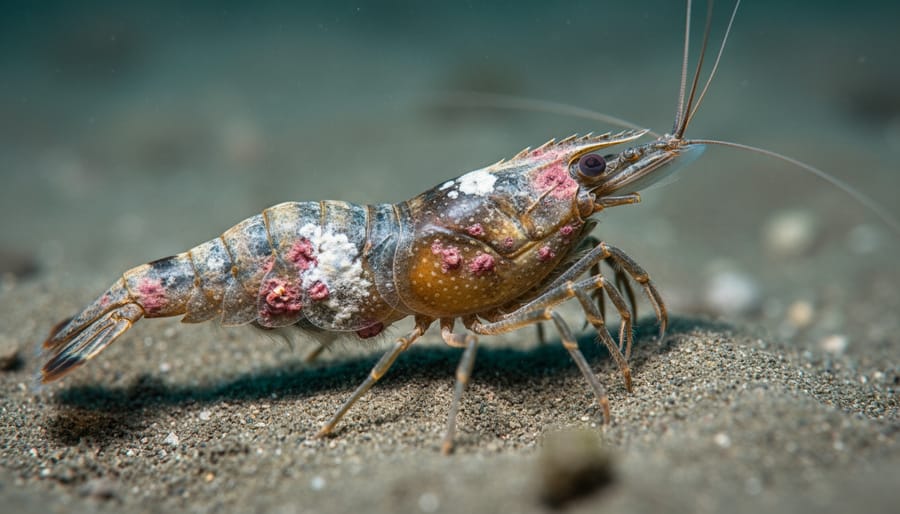
In crustaceans, white spot syndrome virus (WSSV) stands as one of the most economically destructive pathogens. WSSV affects cultured shrimp worldwide, causing rapid mortality that can wipe out entire farm populations within days. The virus attacks tissues throughout the body, leaving characteristic white spots on the shell as infected cells die.
Sea turtles face their own viral threats, particularly fibropapillomatosis caused by a herpesvirus. This disease produces debilitating tumors on soft tissues and internal organs, impairing vision, feeding, and swimming ability in endangered populations like green sea turtles. Marine mammals aren’t spared either, morbilliviruses have triggered mass die-offs in dolphin and seal populations, with outbreaks intensifying as ocean temperatures rise and animals’ immune defenses weaken under thermal stress.
Bacterial Infections
Bacterial infections rank among the most devastating threats to marine ecosystems, affecting everything from reef-building corals to commercially important fish and shellfish. In corals, diseases like white band disease, which has decimated Caribbean elkhorn and staghorn populations, strip away living tissue and leave behind bare skeleton. White band disease is caused by bacteria that exploit stressed coral hosts, spreading rapidly through reef systems already weakened by bleaching events. Fish face their own bacterial assaults: vibriosis outbreaks kill millions of farmed salmon annually, while wild populations suffer from furunculosis and columnaris infections that cause open sores and gill damage. Mollusks aren’t spared either, oysters and clams contract bacterial diseases that shut down aquaculture operations and devastate wild beds.
What makes bacterial diseases particularly insidious is their relationship with rising ocean temperatures. Warmer waters don’t just stress marine hosts and weaken their immune defenses; they accelerate bacterial reproduction and boost virulence, meaning pathogens multiply faster and hit harder. A bacterium that might cause mild infection at 20°C can trigger mass mortality at 25°C, turning manageable disease into ecosystem collapse.
Parasitic Diseases
Parasites represent one of the most widespread disease threats in marine ecosystems, affecting everything from commercially valuable fish to keystone coral reef species. Sea lice, tiny crustaceans that attach to salmon and other fish, cause billions of dollars in annual losses to aquaculture operations while weakening wild populations already stressed by habitat loss and warming waters. These parasites feed on host tissue and blood, creating open wounds vulnerable to secondary bacterial infections.
Parasitic dinoflagellates like Hematodinium trigger devastating mass mortality events in crab populations, particularly when ocean temperatures shift outside normal ranges. The parasite multiplies in the host’s bloodstream, eventually causing a condition called “bitter crab disease” that renders the animal unmarketable and often lethal.
Marine mammals face their own parasitic challenges. Harbor seals carry lungworms that compromise respiratory function, while parasitic copepods infest everything from whale skin to fish gills. Climate change appears to expand the geographic range and intensity of many parasitic infections, as warmer waters accelerate parasite reproduction cycles and stress host immune defenses. Understanding these complex host-parasite relationships helps conservation biologists predict outbreak risks and develop targeted intervention strategies.
Fungal and Other Diseases
Fungal diseases in marine environments often go unnoticed until they trigger widespread mortality events. Sea fan aspergillosis, caused by the terrestrial fungus Aspergillus sydowii, decimated Caribbean gorgonian populations in the 1990s, scientists suspect dust storms carrying African soil brought this pathogen across the Atlantic. Warmer waters and pollution weaken coral tissues, making them vulnerable to fungal invasion that spreads purple lesions and kills colonies within months.
Marine fungi also attack fish eggs, crustaceans, and mollusks, particularly in low-salinity coastal zones where freshwater fungi survive. Saprolegnia species infect salmon in both wild and farmed populations, forming white cottony patches that suffocate fish or create entry points for secondary bacterial infections.
Emerging threats include amphibian-like chytrid fungi now documented in marine tadpoles, and oomycetes, water molds that behave like fungi but belong to a different kingdom, responsible for lobster shell disease along the eastern US coast. These pathogens thrive when ocean warming, agricultural runoff, and sewage discharge converge. Pollution doesn’t just poison marine life; it suppresses immune function and transports terrestrial pathogens into oceans where they find naive hosts with no evolutionary defenses.
How Marine Organisms Resist Disease
Marine organisms have evolved remarkably diverse immune strategies across their life cycles, shaped by evolutionary history, environmental pressures, and the constant threat of pathogens in ocean waters. Understanding these defense mechanisms reveals why some species thrive despite disease challenges while others remain vulnerable to devastating outbreaks.
Invertebrates, which comprise the vast majority of marine life, rely exclusively on innate immunity, a collection of rapid-response defenses that recognize general pathogen patterns rather than specific invaders. Sponges and corals deploy specialized cells called amoebocytes that engulf and destroy foreign particles through phagocytosis, while also producing antimicrobial peptides that break down bacterial cell walls. Sea urchins and starfish possess coelomocytes, immune cells that circulate through body cavities, detecting and neutralizing pathogens. These animals lack the sophisticated memory-based immunity of vertebrates, but their innate systems respond quickly and work continuously. Mollusks like oysters and mussels use hemocytes in their hemolymph (the invertebrate equivalent of blood) to mount defensive responses, producing reactive oxygen species that damage invading microorganisms.
Crustaceans like lobsters and shrimp have particularly sophisticated innate defenses, including melanization responses that wall off infected tissue with dark pigment barriers and clotting mechanisms that prevent pathogen spread through the hemolymph. Their prophenoloxidase system activates enzymes that create toxic compounds at infection sites, though these defenses become less effective under environmental stress.
Marine vertebrates, fish, sea turtles, marine mammals, possess both innate and adaptive immunity, adding a crucial second layer of protection. Fish maintain innate barriers including mucus-secreting skin cells loaded with antibodies and antimicrobial compounds, plus immune cells that patrol tissues and blood. Their adaptive system produces specific antibodies against pathogens they’ve encountered, creating immunological memory that provides long-lasting protection. Teleost fish generate three main antibody types, with IgM being most abundant and important for fighting infections.
Marine mammals and sea turtles have immune systems comparable to terrestrial vertebrates, with lymphocytes that learn to recognize specific threats and generate targeted responses. Seals and dolphins produce diverse antibody repertoires and maintain immune memory for years, though chronic stressors like pollution and food scarcity can suppress these defenses. Temperature plays a critical role: cold-water species often have slower immune responses than warm-water relatives, while sudden temperature shifts can temporarily disable immune function in both groups. This variation in immune capacity across taxa explains why disease outbreaks devastate some populations while leaving closely related species unaffected.
Where Marine Diseases Impact Conservation and Human Interests
Protecting Endangered Marine Species
Disease outbreaks can push already-fragile populations of endangered marine species toward extinction. For vulnerable species like Hawaiian monk seals, southern sea otters, and Caribbean corals, a single pathogen can devastate numbers that took decades to rebuild. Conservation managers now integrate disease surveillance into recovery programs, screening populations for emerging threats and intervening before outbreaks spiral.
Hawaiian monk seals provide a compelling success story. When toxoplasmosis, a parasite shed by cats, began killing seals in the mid-2000s, researchers identified the transmission pathway through coastal runoff. Targeted public education about proper cat waste disposal in coastal communities, combined with seal health monitoring, significantly reduced infection rates. Population numbers stabilized, demonstrating how addressing disease vectors protects recovery gains.
Coral conservation similarly relies on disease management. Scientists working with endangered staghorn and elkhorn corals in Florida cultivate disease-resistant genotypes in nurseries, then outplant them to reefs suffering from white band disease and stony coral tissue loss disease. These resilient strains maintain genetic diversity while rebuilding reef structure.
Early detection systems now use trained volunteers to report unusual die-offs or sick animals, creating rapid-response networks. When marine biologists can identify and contain disease hotspots quickly, isolating infected individuals or treating affected areas, they buy time for small populations to recover rather than collapse entirely.
Safeguarding Fisheries and Aquaculture
Marine diseases pose significant economic threats to global fisheries and aquaculture, which provide protein for over 3 billion people worldwide. In aquaculture facilities, where fish or shellfish live in close quarters, diseases can spread rapidly and devastate entire operations. White spot syndrome virus alone has caused billions in losses to shrimp farming industries across Asia and Latin America. Wild fisheries face similar vulnerabilities, sea lice infestations on wild salmon populations have contributed to dramatic stock declines in some regions, affecting both commercial catches and indigenous subsistence fishing.
Disease management in these industries combines prevention and rapid response. Aquaculture operators use quarantine protocols for new stock, selective breeding for disease-resistant strains, and vaccination programs where available. Some farms now employ cleaner fish that remove parasites naturally, reducing chemical treatments. In wild fisheries, managers monitor population health indicators and may close harvest seasons when disease outbreaks threaten vulnerable stocks. Early detection systems help contain outbreaks before they spread across fishing grounds.
The challenge intensifies as warming waters expand pathogen ranges and stress fish immune systems, making proactive disease surveillance essential for food security and coastal economies dependent on healthy marine harvests.
Human Health Connections
Marine diseases don’t stay confined to ocean life, they can reach coastal communities in ways that directly affect human health. Some pathogens jump from marine animals to people through contact or consumption. Fish handlers and aquaculture workers risk infections from bacteria like Mycobacterium marinum, which causes slow-healing skin lesions. Consuming raw or undercooked seafood contaminated with Vibrio bacteria can trigger severe gastrointestinal illness, especially dangerous for immunocompromised individuals.
Harmful algal blooms represent another critical intersection. When toxic algae proliferate, often fueled by warming waters and nutrient pollution, they produce neurotoxins that accumulate in shellfish and fish. People eating contaminated seafood can develop paralytic shellfish poisoning or ciguatera, conditions causing neurological symptoms that persist for months.
Marine disease research protects communities by improving early warning systems for toxic blooms, identifying contamination in commercial catches before they reach markets, and tracking pathogen emergence patterns. Coastal surveillance programs now monitor both wildlife disease outbreaks and water quality, giving public health officials crucial lead time to close beaches, issue consumption advisories, and prevent human cases before they occur.
Current Research and Monitoring Efforts
Scientists worldwide employ sophisticated methods to detect, track, and understand marine diseases before they decimate populations. Disease surveillance starts with field observations, researchers systematically monitor wild populations for abnormal behavior, visible lesions, or mass mortality events. When they spot warning signs, diagnostic protocols kick in. Biologists collect tissue samples, water samples, and environmental data, then use molecular techniques like PCR testing and genetic sequencing to identify specific pathogens. Some laboratories now deploy environmental DNA (eDNA) analysis, which detects pathogen genetic material in seawater without needing to capture or disturb host animals.
Advanced monitoring networks connect research stations across ocean regions, creating early warning systems for disease outbreaks. Organizations like the USGS National Wildlife Health Center and international marine disease databases share real-time data, allowing scientists to track disease patterns across geographic boundaries. Satellite technology adds another layer, thermal imaging reveals water temperature changes that stress marine immune systems, while ocean color sensors detect harmful algal blooms before they trigger disease events.
Emerging technologies are revolutionizing how we study marine diseases. Researchers now use underwater imaging systems that photograph individual animals repeatedly, documenting disease progression without invasive sampling. Biosensors deployed on the seafloor continuously monitor pathogen presence in the water column. Scientists are even exploring how understanding marine senses helps us detect behavioral changes that signal disease before physical symptoms appear.
Citizen scientists play vital roles in this monitoring network. Volunteers contribute to programs like Reef Check and SeaDoc Society’s marine mammal stranding response, learning to identify disease signs and report observations through standardized protocols. You can participate in beach surveys documenting sick or dead animals, join dive teams photographing coral disease, or help laboratories process samples. Many marine research stations offer volunteer training in disease monitoring techniques, providing hands-on experience while expanding surveillance coverage far beyond what professional scientists could achieve alone.
Common Questions About Marine Diseases
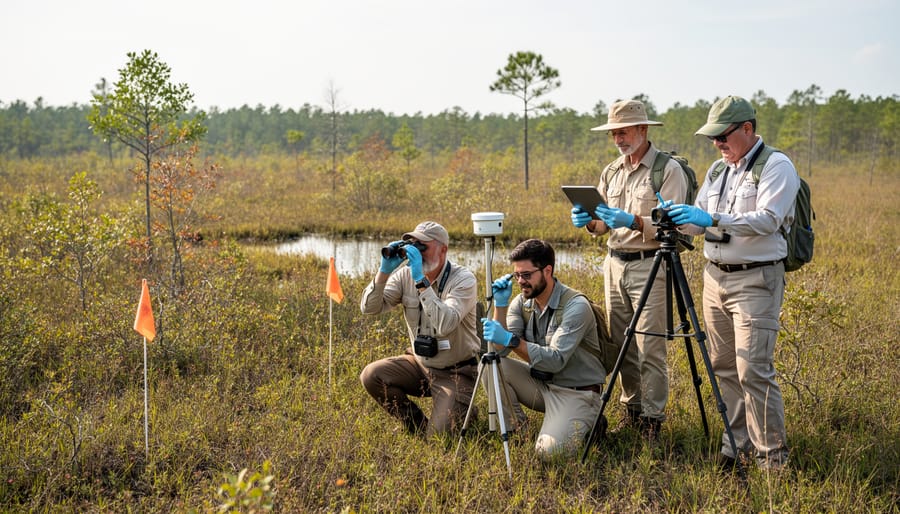
Marine diseases raise important questions for anyone concerned about ocean health and conservation. These frequently asked questions address common concerns about disease transmission, environmental connections, and how you can contribute to healthier oceans.
Can humans catch diseases from marine animals?
While most marine diseases are species-specific and pose minimal direct threat to humans, certain pathogens can cross species barriers. Vibrio bacteria from contaminated shellfish and toxins from harmful algal blooms represent the primary human health concerns from marine disease agents.
Are marine diseases becoming more common?
Evidence suggests that marine disease outbreaks are increasing in frequency and severity, particularly in warming waters. Climate change, pollution, and habitat degradation create stressful conditions that weaken marine organism immune systems, making populations more vulnerable to disease.
How does pollution affect marine disease?
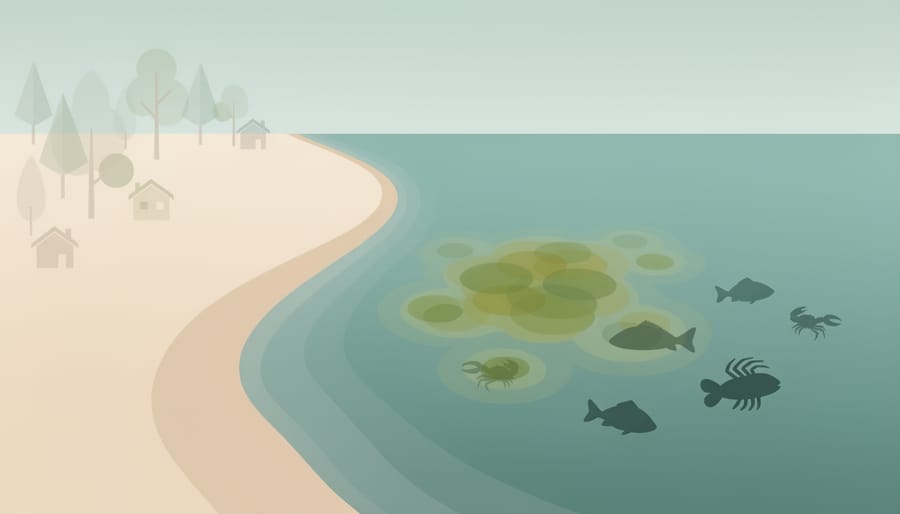
Pollution acts as a double threat by suppressing immune function in marine animals while simultaneously providing nutrients that help harmful pathogens thrive. Chemicals, plastics, and nutrient runoff compromise disease resistance across marine ecosystems.
What can I do to help reduce marine diseases?
You can make a difference by reducing your plastic use, supporting sustainable seafood choices, and participating in beach cleanups to minimize pollution. Joining citizen science programs that monitor marine wildlife health helps researchers detect and respond to disease outbreaks early.
Understanding these connections between human activities and marine disease helps clarify why ocean health matters for everyone. The relationship between environmental stressors and disease susceptibility means that actions to reduce pollution and protect marine habitats directly support disease resistance in ocean ecosystems.
Your role in disease prevention extends beyond direct conservation work. Choosing reef-safe sunscreen protects coral immune systems from chemical stress. Properly disposing of medications keeps pharmaceutical pollutants out of waterways where they can affect marine wildlife health. Even spreading awareness about marine disease challenges within your community contributes to the collective knowledge and action needed for healthier oceans.
Marine biologists and conservation organizations need observant volunteers to report unusual wildlife behavior, stranded animals, or signs of coral bleaching. These early warnings often provide the first indication of emerging disease threats, allowing for rapid response that can prevent widespread mortality events.
The health of marine organisms ripples through entire ocean ecosystems and ultimately reaches our own shores. When diseases weaken fish populations, coral reefs, or keystone species, the consequences extend far beyond individual animals, they destabilize food webs, diminish biodiversity, and threaten the coastal communities that depend on healthy oceans for food security and livelihoods.
Understanding marine diseases empowers us to act. Every citizen scientist monitoring water quality, every volunteer documenting disease outbreaks, and every person advocating for reduced pollution contributes to a larger defense system for ocean health. Your observations matter. The data you collect during beach surveys or wildlife watches feeds into research databases that help scientists detect disease patterns earlier and respond faster.
Conservation organizations worldwide need volunteers to support marine disease monitoring programs. Whether you’re analyzing water samples, assisting with field surveys, or helping rehabilitate affected wildlife, you’re strengthening the resilience of marine ecosystems. Stay connected through our e-network to receive updates on volunteer opportunities, new research findings, and ways to take action in your community.
The challenges facing our oceans are real, but so is our capacity for positive change. Marine biologists working on the front lines consistently report that informed, engaged communities make measurable differences in conservation outcomes. Together, we’re building the knowledge and will to protect marine life for future generations.

jessica
Ava Singh is an environmental writer and marine sustainability advocate with a deep commitment to protecting the world's oceans and coastal communities. With a background in environmental policy and a passion for storytelling, Ava brings complex topics to life through clear, engaging content that educates and empowers readers. At the Marine Biodiversity & Sustainability Learning Center, Ava focuses on sharing impactful stories about community engagement, policy innovations, and conservation strategies. Her writing bridges the gap between science and the public, encouraging people to take part in preserving marine biodiversity. When she’s not writing, Ava collaborates with local initiatives to promote eco-conscious living and sustainable development, ensuring her work makes a difference both on the page and in the real world.