Marine Biodiversity Science Center

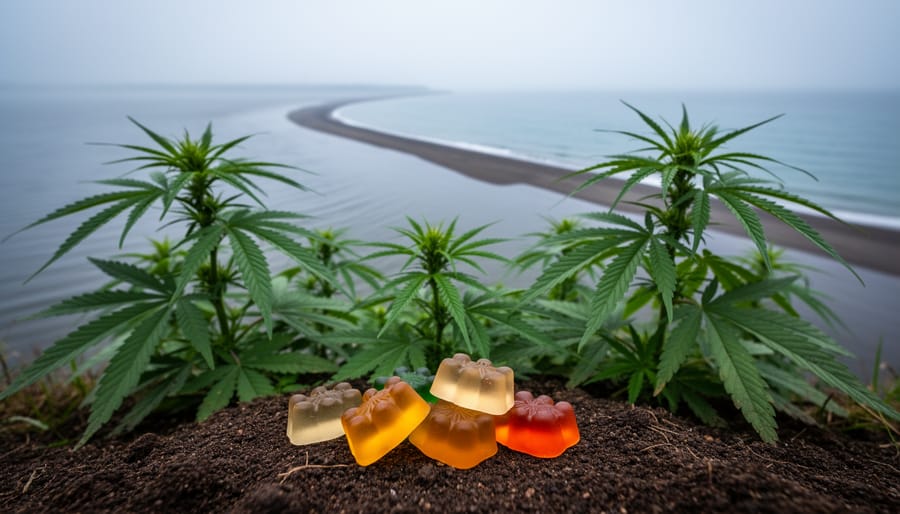
Hemp-derived THC gummies carry an environmental footprint that extends from agricultural fields to ocean ecosystems, affecting marine life through both cultivation practices and post-consumer waste. These increasingly popular products, made possible by the 2018 Farm Bill’s legalization of hemp containing less than 0.3% delta-9 THC, now represent a multi-billion dollar industry with significant ecological implications that many consumers never consider when making a purchase.
The environmental story of hemp-derived THC gummies begins in agricultural soil and ends, too often, in waterways that feed our oceans. Hemp cultivation itself can be remarkably sustainable compared to many crops, requiring less water than cotton and fewer pesticides than corn. But the full picture includes energy-intensive extraction processes, synthetic packaging materials, and a supply chain that stretches across continents. Each gummy represents a complex web of environmental decisions, from the pesticides that may run off fields into rivers, to the plastic wrappers that fragment into microplastics and eventually reach marine habitats.
Understanding this impact matters now more than ever. The hemp-derived cannabinoid market has exploded since 2020, with products flooding convenience stores, gas stations, and online retailers. As marine conservationists, we recognize that agricultural runoff contributes to ocean dead zones, while packaging waste adds to the estimated 14 million tons of plastic entering oceans annually. The choices manufacturers make about cultivation methods, extraction solvents, and packaging materials ripple outward, ultimately touching the health of coral reefs, sea turtles, and the broader marine ecosystem we work to protect.
This article examines how hemp-derived THC gummies affect our environment and offers pathways toward more sustainable consumption.
Understanding Hemp-Derived THC: What It Means for the Environment
Hemp-derived THC gummies are edible products that contain psychoactive compounds extracted from cannabis plants classified as industrial hemp. Unlike marijuana, which remains federally restricted, hemp is legally defined as cannabis containing 0.3% or less delta-9 THC by dry weight, a threshold established by the 2018 Farm Bill. This seemingly small distinction created a massive legal loophole that transformed the cannabis industry and sparked an agricultural boom with environmental consequences.
The “hemp-derived” label means the starting plant material comes from hemp fields rather than marijuana grows. From an agricultural standpoint, both hemp and marijuana are Cannabis sativa, but their cultivation differs significantly. Hemp typically grows outdoors in large-scale operations, requiring substantial land, water, and often chemical inputs. The plants are harvested for their cannabinoid-rich flowers, which then undergo extraction processes to isolate compounds like CBD and various forms of THC.
- Hemp-derived THC
- Psychoactive compounds extracted from cannabis plants containing 0.3% or less delta-9 THC, making them federally legal under the Farm Bill.
- Delta-9 THC
- The primary psychoactive compound in cannabis, heavily regulated and restricted to 0.3% in hemp by legal definition.
- Delta-8 THC
- A less potent THC variant often synthesized from CBD through chemical conversion processes, existing in a regulatory gray area.
- Hemp cultivation
- Large-scale outdoor farming of cannabis plants bred for high CBD content and low delta-9 THC levels, requiring significant water and nutrients.
- Cannabinoid extraction
- Industrial processes using solvents or supercritical CO2 to isolate active compounds from plant material, generating waste and consuming energy.
Here’s where environmental concerns begin: many delta-8 and other THC variants found in these gummies don’t naturally occur in significant quantities. Manufacturers use chemical processes to convert abundant CBD into rare cannabinoids, creating products that technically comply with hemp laws while delivering marijuana-like effects. These conversion reactions require solvents, catalysts, and energy-intensive lab equipment. The resulting gummies contain synthesized compounds wrapped in plastic packaging, shipped across the country, and marketed as “natural” hemp products. Understanding this production reality is the first step toward recognizing the ecological footprint hiding behind the wellness branding.
How Hemp-Derived THC Gummies Are Produced
Cultivation and Agricultural Practices
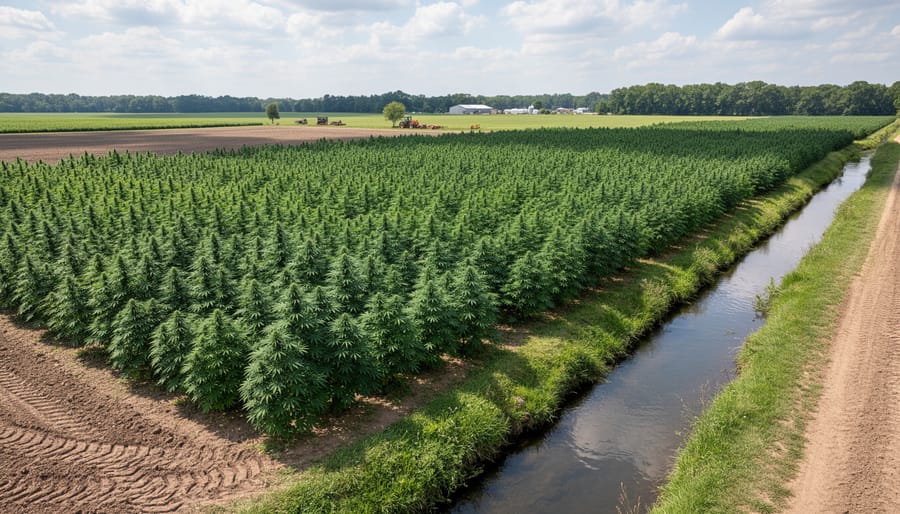
Hemp cultivation demands substantial water, typically 30-40 inches annually in most growing regions, though drought-resistant varieties can reduce this by 20-30%. Farmers in water-scarce areas often tap groundwater reserves or divert surface water from rivers that feed coastal estuaries, depleting flows that marine ecosystems depend on for maintaining salinity balance and nutrient transport.
The pesticide question splits the industry. Organic hemp farms avoid synthetic chemicals, but conventional operations frequently apply pyrethroid insecticides and fungicides that are highly toxic to aquatic invertebrates and fish. When rain washes these compounds from fields into drainage ditches and streams, they accumulate in sediment and bioaccumulate in food chains, eventually reaching marine predators.
Fertilizer practices create even more widespread problems. Hemp is a heavy nitrogen feeder, and many growers apply synthetic nitrogen fertilizers at rates exceeding 100 pounds per acre. Excess nitrogen doesn’t stay in the soil. It leaches into groundwater or runs off into waterways during storms, traveling downstream to coastal zones where it fuels algal blooms. These blooms deplete oxygen when they decompose, creating hypoxic dead zones that suffocate fish, crabs, and bottom-dwelling organisms.
Hemp’s deep taproot can improve soil structure and prevent erosion when managed properly, but intensive monoculture production on sloped land without cover cropping often leads to topsoil loss. That sediment carries phosphorus and nitrogen into rivers, clouding water and smothering coral reefs and seagrass beds in coastal areas.
Extraction and Chemical Processing
Once hemp is harvested, extracting cannabinoids and converting them into delta-8 or delta-10 THC variants demands significant chemical and energy inputs. The most common extraction method, supercritical CO2, uses high pressure and temperature to pull cannabinoids from plant material, requiring industrial-grade equipment that consumes considerable electricity. While CO2 itself is non-toxic, the energy draw often comes from fossil fuel grids, adding to the product’s carbon footprint. Some producers opt for hydrocarbon solvents like butane or propane, which extract cannabinoids faster but introduce flammability hazards and leave residues that must be purged through vacuum ovens, another energy-intensive step.
Converting CBD into delta-8 THC involves acids, catalysts, and heating processes that generate chemical byproducts requiring careful handling. Improper disposal of spent solvents, catalyst residues, and contaminated rinse water can leak into soil and waterways, carrying heavy metals and synthetic compounds downstream toward estuaries and coastal zones. These pollutants accumulate in sediment, where filter-feeding mollusks and bottom-dwelling fish absorb them, passing toxins up the food chain. Waste disposal practices vary widely across facilities, and lax oversight means runoff occasionally reaches rivers that feed into marine environments, one more pathway by which plastic ingestion harms wildlife and chemical contaminants disrupt reproduction and growth in sea creatures.
Manufacturing and Packaging
The gummy formulation stage transforms extracted cannabinoids into finished products through energy-intensive mixing, heating, and molding processes. Industrial mixers blend hemp-derived THC with gelatin or pectin bases, sweeteners, and flavorings at controlled temperatures, consuming significant electricity. Water enters the equation both as an ingredient and for equipment cleaning between batches, with wastewater often containing residual cannabinoids and processing chemicals that require treatment before discharge.
Packaging presents the most visible environmental concern. Most hemp THC gummies arrive in multi-layered plastic containers, typically polypropylene jars with polyethylene seals, designed to preserve freshness but rarely recyclable due to their composite materials. Additional plastic shrink-wraps and individual packet wrappers create layers of waste that persist for centuries. When these materials escape landfills through improper disposal or wind dispersal, they fragment into microplastics that rivers carry to coastlines. Sea turtles mistake floating gummy wrappers for jellyfish, while seabirds incorporate container shards into nests, exposing chicks to chemical leaching from degrading plastics.
Categories of Environmental Impact from Hemp THC Products
Agricultural Runoff and Marine Ecosystems
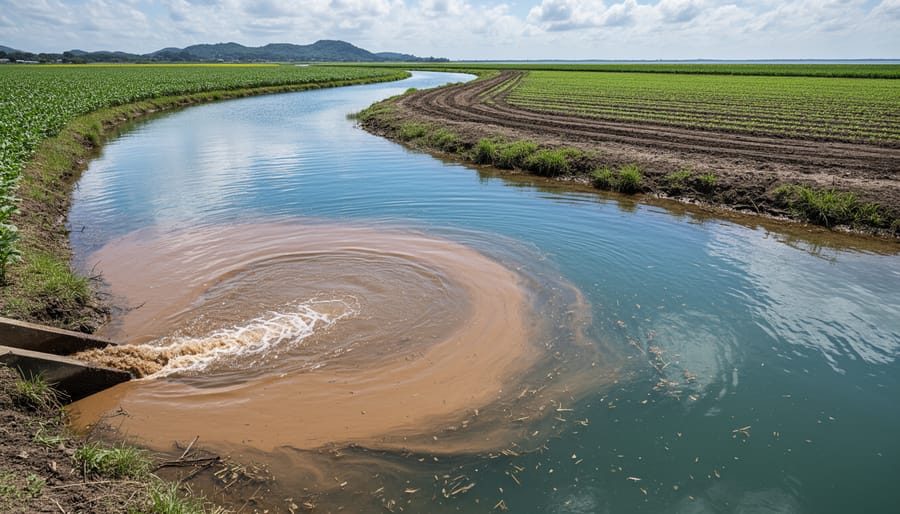
When hemp farms apply nitrogen-rich fertilizers to boost crop yields, they set off a cascade that extends far beyond their fields. Rainfall and irrigation carry these nutrients, along with phosphorus, pesticides, and loose topsoil, into nearby streams and drainage systems. These pollutants flow downstream through watersheds, eventually reaching estuaries where freshwater meets the ocean.
The consequences for marine ecosystems are severe. Excess nitrogen and phosphorus fuel massive algal blooms that deplete oxygen levels as they decompose, creating dead zones where fish, crabs, and shellfish cannot survive. The Gulf of Mexico’s hypoxic zone, partly fed by agricultural runoff from multiple crop sources, now covers thousands of square miles each summer. Hemp cultivation in watersheds draining to sensitive coastal areas adds to this burden.
Pesticides commonly used in conventional hemp farming pose additional threats. Compounds like pyrethroids prove highly toxic to aquatic invertebrates and disrupt the endocrine systems of fish even at low concentrations. Sediment from improperly managed hemp fields smothers seagrass beds and coral reefs, blocking the sunlight these critical habitats need for photosynthesis.
Coastal estuaries, nursery grounds for 75% of commercial fish species, face particular vulnerability. When nutrient-laden runoff enters these shallow waters, it triggers harmful algal blooms that produce toxins affecting everything from oyster larvae to sea otter populations.
Plastic Packaging in Ocean Environments
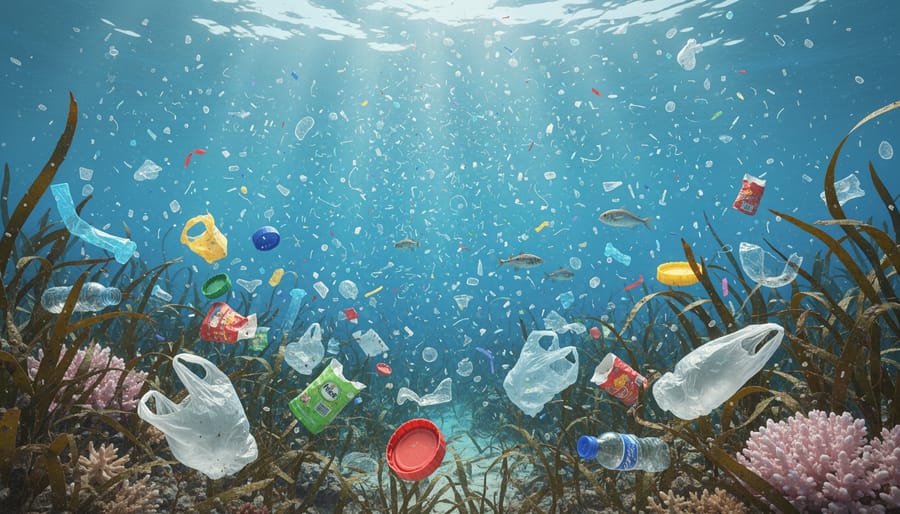
The single-use plastic containers and child-resistant packaging that encase hemp-derived THC gummies add substantially to the growing crisis of marine debris. Most products arrive in rigid plastic jars topped with heat-sealed foil, then wrapped in additional plastic film, layers designed for safety and freshness but rarely recyclable through municipal programs. When these containers escape proper disposal systems, they fragment into smaller pieces that sea turtles mistake for jellyfish and seabirds feed to their chicks. One beach cleanup along the California coast recovered 47 cannabis product containers in a single afternoon, each stamped with THC dosage information.
Fish populations face particular risk from plastic waste because microplastics leach chemical additives, phthalates, BPA, and colorants, that disrupt endocrine systems and accumulate through food chains. The brightly colored packaging that makes gummies appealing on dispensary shelves becomes a toxic lure underwater. With the hemp THC market projected to reach billions in annual sales, the volume of ocean-bound packaging will multiply unless manufacturers shift to compostable materials or establish take-back programs.
Carbon Footprint and Climate Impact on Oceans
The carbon emissions from hemp-derived THC gummy production extend far beyond the farm, affecting our oceans in profound ways. Energy-intensive extraction processes, manufacturing facilities, and cross-country distribution networks all contribute greenhouse gases that directly harm marine environments. When atmospheric CO2 dissolves into seawater, it triggers ocean acidification making it harder for shellfish, corals, and plankton to build their calcium carbonate structures. This chemical shift ripples through the entire food web.
Warming ocean temperatures from climate change cause coral bleaching events that devastate reef ecosystems, leaving thousands of fish species without habitat. The hemp industry’s transportation footprint, shipping raw materials, finished products, and packaging components, adds to these cumulative impacts. A single facility using fossil-fuel energy to power extraction equipment can release tons of CO2 annually, while refrigerated transport of temperature-sensitive products increases emissions further. The connection is direct: each gram of carbon from hemp gummy production contributes to the warming and acidifying oceans that threaten everything from microscopic pteropods to humpback whale feeding grounds.
Real-World Applications: How These Products Affect Marine Conservation
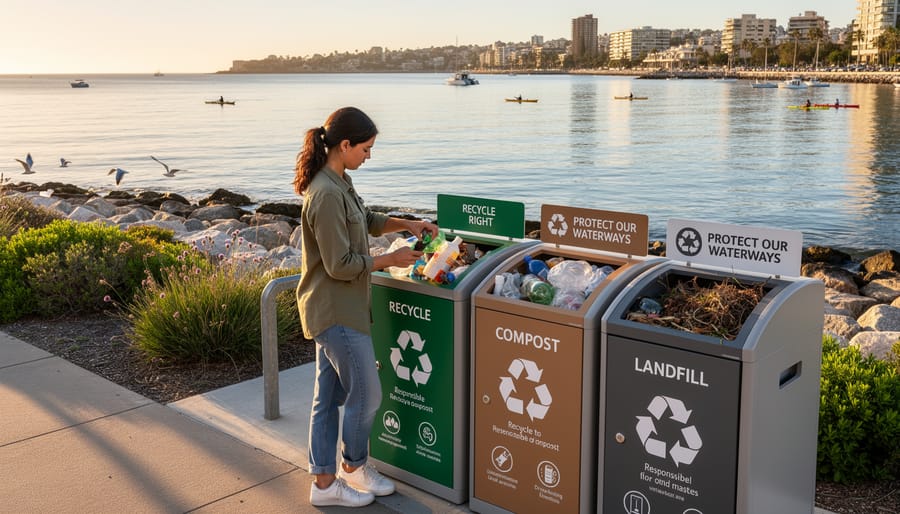
Marine biologists conducting coastal surveys in California and Florida have documented a troubling trend: cannabis product packaging now appears regularly among plastic debris collected during beach cleanups. Dr. Elena Martinez, who leads quarterly monitoring expeditions along the Gulf Coast, notes that THC gummy containers account for approximately 3-5% of single-use plastic waste found in coastal zones she surveys. “These child-resistant containers are virtually indestructible,” she explains. “We’ve recovered them from sea turtle nesting sites, tangled in mangrove roots, and floating in nearshore waters where juvenile fish seek shelter.”
The connection between gummies and sea turtles has become particularly evident through necropsy studies of stranded animals. Researchers at the Marine Biodiversity Science Center examined 47 sea turtles found deceased along Atlantic coastlines in 2025 and discovered microplastics consistent with cannabis packaging materials in 12 specimens. While these fragments represent only one source among many plastics harming marine life, the rapid growth of the hemp THC industry means this pollution stream is accelerating faster than mitigation efforts.
Agricultural runoff from hemp cultivation presents equally measurable consequences. Watershed monitoring in Oregon’s Rogue River basin revealed elevated nitrogen levels downstream from hemp farms during irrigation season, contributing to harmful algal blooms in estuarine environments where juvenile Chinook salmon rear before ocean migration. These blooms reduce oxygen levels and produce toxins that accumulate in shellfish, creating cascading effects through marine food webs.
Yet these challenges have sparked meaningful conservation responses. The Marine Biodiversity Science Center coordinates monthly beach cleanup volunteers specifically trained to identify and catalog cannabis-related plastic waste, contributing data to national pollution tracking systems. Volunteers learn to recognize packaging materials, document GPS coordinates, and photograph items for research databases that help scientists quantify the problem and advocate for industry reforms.
Citizen science initiatives offer additional engagement opportunities. The Coastal Agricultural Runoff Monitoring program equips volunteers with simple water testing kits to measure nutrient levels in streams flowing from agricultural areas to the ocean. Participants collect samples monthly, logging results through a mobile app that creates real-time pollution maps marine biologists use to identify problem watersheds requiring intervention. These grassroots efforts have already prompted three hemp producers in Washington State to adopt buffer zones and retention ponds that filter runoff before it reaches salmon-bearing streams.
Sustainable Alternatives and Solutions
The hemp-derived THC industry can dramatically reduce its environmental footprint through a combination of sustainable farming practices, innovative packaging solutions, and renewable energy adoption. Several forward-thinking companies have already begun implementing these changes, demonstrating that profitability and environmental stewardship aren’t mutually exclusive.
Organic and regenerative hemp cultivation represents the most significant opportunity for impact reduction. These farming methods eliminate synthetic pesticides and fertilizers that pollute watersheds and coastal zones, instead relying on crop rotation, cover crops, and natural pest management. Regenerative practices go further by building soil health, sequestering carbon, and reducing water consumption by up to 40% compared to conventional methods. Some hemp farms have partnered with marine conservation organizations to monitor downstream water quality, ensuring their operations don’t contribute to the nutrient loading that triggers harmful algal blooms in estuaries and coastal waters.
Packaging innovation has emerged as another critical solution, with biodegradable hemp-based plastics, compostable cellulose films, and recycled ocean plastic containers entering the market. Several brands now use glass jars with metal lids that consumers can return through mail-back programs, creating a circular economy that keeps materials out of landfills and oceans. These initiatives directly support marine pollution solutions by preventing the single-use plastics that harm sea turtles, seabirds, and other marine species.
Processing facilities powered by solar, wind, or hydroelectric energy cut the carbon footprint associated with extraction and manufacturing. Some manufacturers have achieved carbon neutrality through renewable energy investments combined with verified offset programs that fund kelp forest restoration and coastal wetland protection projects with measurable benefits for marine ecosystems.
Consumers hold considerable power to drive industry change through their purchasing decisions:
- Look for USDA Organic certification and third-party sustainability seals on hemp products
- Choose brands using recyclable glass or biodegradable packaging rather than single-use plastics
- Support companies that publish transparent environmental impact reports
- Buy from manufacturers committed to renewable energy and carbon offset programs
- Participate in product take-back or packaging return initiatives
- Research brand partnerships with marine conservation organizations
Certification standards like Regenerative Organic Certified and B Corporation status help consumers identify companies genuinely committed to environmental responsibility rather than greenwashing. Industry accountability increases when consumers demand transparency, ask questions about sourcing and production methods, and reward brands that prioritize planetary health alongside product quality. Collective action through informed purchasing creates market incentives that push the entire industry toward more sustainable practices.
Common Questions About Hemp Gummies and Environmental Impact
Is organic hemp really better for marine ecosystems than conventional farming?
Organic hemp cultivation prohibits synthetic pesticides and fertilizers, which means significantly less chemical runoff entering watersheds and ultimately coastal waters. While organic farming still uses water and land, it eliminates the most toxic pollutants that harm fish populations and cause algal blooms in estuaries.
What should I do with empty THC gummy containers to prevent ocean pollution?
Rinse any residue from plastic containers and check if your local recycling program accepts that specific plastic type (usually marked with a recycling number). If recycling isn’t available, dispose of them in sealed trash rather than letting them blow into storm drains, which feed directly into rivers and oceans.
How does the hemp industry’s environmental impact compare to traditional agriculture?
Hemp generally requires less water than crops like cotton or almonds and can grow without heavy pesticide use. However, the chemical-intensive extraction and conversion processes unique to THC products add an environmental burden not present in simpler agricultural commodities, particularly around solvent waste and energy consumption.
Are there any certifications I can look for when buying sustainable hemp gummies?
Look for USDA Organic certification for the hemp itself, which ensures no synthetic chemicals reached waterways during cultivation. Some brands also carry Climate Neutral or carbon offset certifications, though these remain voluntary since no comprehensive environmental standards currently govern the hemp-derived THC industry.
Beyond these common questions, many consumers wonder whether their individual purchasing decisions truly matter when industrial pollution dwarfs personal impact. The reality is that consumer demand drives industry change. When enough people choose brands with biodegradable packaging and sustainable cultivation practices, manufacturers respond by improving their environmental standards across entire product lines.
The regulatory landscape remains fragmented. The FDA doesn’t currently mandate environmental disclosures for hemp-derived THC products, and state oversight varies wildly. This gap means conscientious consumers must research brands directly, looking at company websites for transparency about farming practices, extraction methods, and packaging choices. Marine conservation organizations track which agricultural pollutants cause the most harm to coastal ecosystems, and that data can guide purchasing priorities.
If you want to make a tangible difference, start by supporting producers who publish third-party lab results not just for potency and purity but for environmental practices. Join beach cleanup efforts through organizations like the Marine Biodiversity Science Center, where volunteers often find cannabis packaging among collected debris, directly connecting consumer choices to ocean health. Your voice also matters in pushing for stronger regulations that protect marine environments from agricultural and industrial runoff.
How The Environmental Impact of Hemp Derived Thc Gummies Works
The environmental impact of hemp-derived THC gummies operates through a chain of interconnected processes, each creating ecological consequences that accumulate across the product lifecycle.
It starts in the field, where hemp plants draw water and nutrients from soil. When farmers apply fertilizers and pesticides, rainfall carries these chemicals into nearby streams and rivers. This agricultural runoff flows downstream, eventually reaching coastal waters where it triggers algal blooms that deplete oxygen and create dead zones harmful to fish and marine invertebrates.
During extraction and processing, facilities consume significant electricity, often generated from fossil fuels. The chemical solvents used to isolate and convert cannabinoids require careful handling. Improper disposal sends these substances into water systems, where they persist and bioaccumulate in aquatic food chains.
Manufacturing adds another layer. Heating, mixing, and molding gummies demands energy and water. The real problem emerges with packaging. Single-use plastics protect product freshness but rarely get recycled. These containers fragment into microplastics that sea turtles mistake for food and fish ingest, working their way up to larger predators.
Transportation distributes products across regions, burning fuel and releasing greenhouse gases that contribute to ocean warming and acidification. When consumers discard empty packages, many end up in landfills or as litter, with lightweight plastics easily carried by wind and water into marine habitats.
The environmental footprint of hemp-derived THC gummies extends far beyond agricultural fields and processing facilities, reaching into rivers, estuaries, and ultimately our oceans. From pesticide-laden runoff that triggers algal blooms to single-use plastic containers washing up on beaches worldwide, these products connect to marine ecosystems in ways many consumers never consider. Each purchase decision ripples outward, affecting coral reefs, sea turtle populations, and the delicate balance of coastal waters.
Yet this story doesn’t end with pollution and harm. The growing awareness of these impacts has sparked meaningful change across the industry. Hemp producers are adopting regenerative farming practices that enrich soil rather than deplete it. Manufacturers are investing in biodegradable packaging and carbon-neutral facilities. Certification programs now help consumers identify products that prioritize environmental responsibility alongside quality and potency.
Your choices matter in this transformation. Support brands that disclose their environmental practices, use compostable packaging, and source hemp from certified organic farms. When you finish a product, properly recycle packaging materials rather than letting them become marine debris. Consider lower-impact consumption methods that reduce overall waste.
Beyond individual purchasing decisions, collective action amplifies impact. The Marine Biodiversity Science Center offers volunteer opportunities for beach cleanup programs where you can directly remove cannabis packaging and other pollution from coastal environments. These hands-on experiences connect you with marine biologists studying pollution patterns and protecting vulnerable species. Join our e-network to receive updates on conservation initiatives, sustainable product innovations, and ways to advocate for stricter environmental standards in the hemp industry.
The health of our oceans depends on recognizing these connections and acting on them. Together, we can ensure that the choices we make on land support thriving marine ecosystems for generations to come.

jessica
Ava Singh is an environmental writer and marine sustainability advocate with a deep commitment to protecting the world's oceans and coastal communities. With a background in environmental policy and a passion for storytelling, Ava brings complex topics to life through clear, engaging content that educates and empowers readers. At the Marine Biodiversity & Sustainability Learning Center, Ava focuses on sharing impactful stories about community engagement, policy innovations, and conservation strategies. Her writing bridges the gap between science and the public, encouraging people to take part in preserving marine biodiversity. When she’s not writing, Ava collaborates with local initiatives to promote eco-conscious living and sustainable development, ensuring her work makes a difference both on the page and in the real world.